Parks, Zones and Season at a Glance
Rwanda packs four national parks, a volcanic mountain range and a Great Rift Valley lake into an area smaller than many Indian states. Kigali International Airport (KGL) is the single entry point for international arrivals, and all park routes begin here. Volcanoes National Park in the north is the base for mountain-gorilla and golden-monkey tracking. Akagera National Park in the east is open savannah, suited to classic game drives. Nyungwe Forest National Park in the southwest holds dense montane rainforest and chimpanzee experiences. Gishwati-Mukura National Park in the west adds forest wildlife and community-based activities. Lake Kivu runs along the western border and works well as a slower finish to any route.
The long dry season from June to September is the peak period for wildlife in Rwanda: rain is low, trails are firmer and animals in Akagera gather near water sources. December to February is a shorter dry interval with medium crowds and medium prices. March to May is the wettest stretch, with fewer visitors, lower prices and slippery mountain trails. October and November bring the short rains, making mountain parks wet and muddy.
What You Can Realistically See
Mountain gorillas are the headline species, and Volcanoes National Park is the only place in Rwanda where tracking takes place. Golden monkeys share the same volcanic slopes and are tracked on a separate activity. Akagera is the destination for savannah species and game drives. Nyungwe is known for chimpanzees and forest hiking, while Gishwati-Mukura adds smaller forest primates and community wildlife experiences.
Wildlife in Rwanda is wild, not staged. A gorilla trek means walking to a habituated family, and the time spent with them is limited. Thick vegetation, rain or a family moving deeper into the forest can shorten a sighting. The same applies to chimpanzees in Nyungwe and to predators in Akagera. Good guides improve your chances, but no operator can promise an animal on any given day.
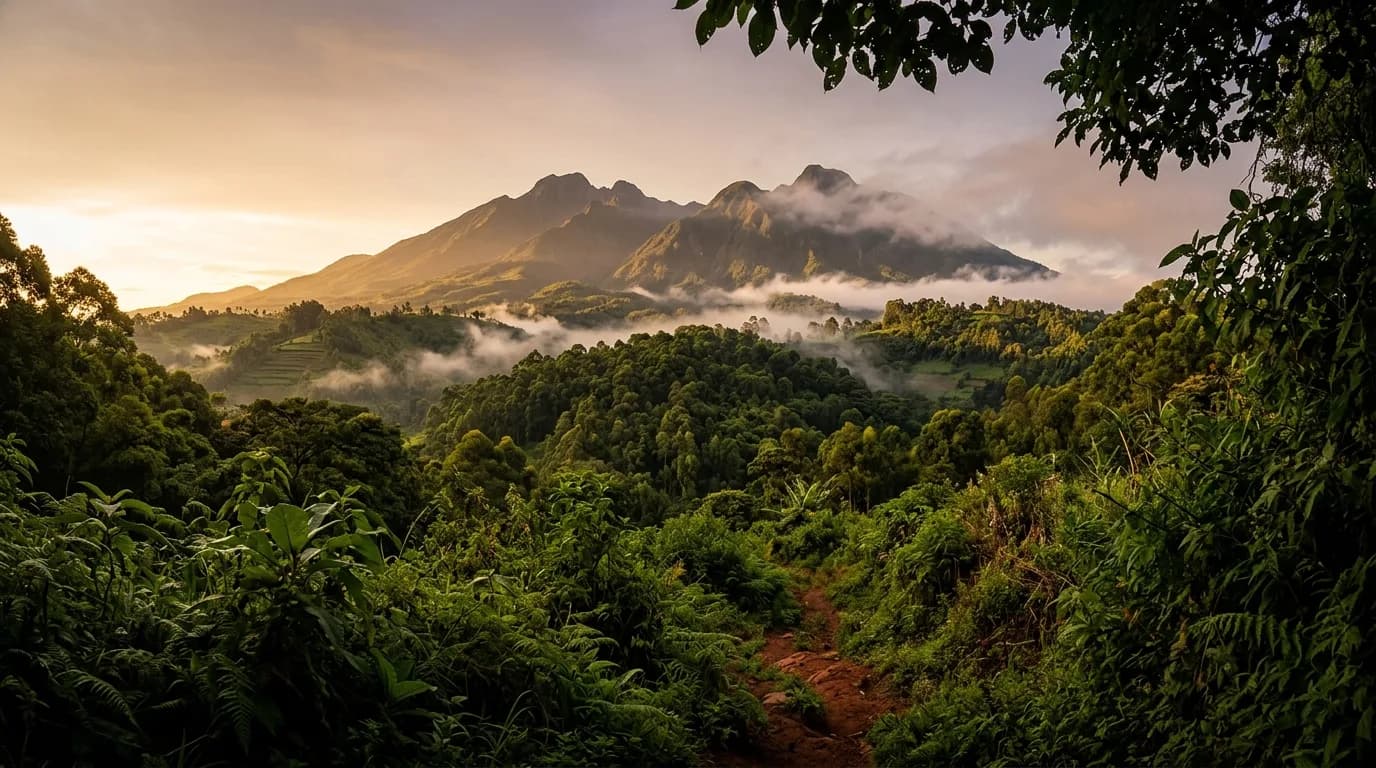
What you can count on is the setting: bamboo and volcanic slopes in the north, open savannah in the east, and wet montane forest in the southwest. Each park rewards a different kind of traveller, so match the park to what you genuinely want to see rather than trying to cover all of them in a short trip.
How Sightings Change with the Season
Rainfall drives most of the variation in wildlife sightings across Rwanda's parks. In the long dry season from June to September, grass in Akagera stays shorter and animals concentrate near water, making game drives more productive. Gorilla trekking in Volcanoes is also easier in these months because trails are firmer and the bamboo is less overgrown. This is peak season, so permits and lodges fill early — sometimes nine to twelve months ahead for popular dates.
The short dry interval from December to February is a solid second choice. Conditions are reasonable, crowds are medium and prices are medium. March to May is the long rains: rain falls on many days, visitor numbers drop and prices are lower, but mountain trails get slippery and rainforest walks in Nyungwe are wetter. October and November bring the short rains, with wet conditions particularly affecting the mountain parks.
No seasonal park closure was identified in the sources for this page. Access can still be restricted at short notice after heavy rain, flooding or mudslides, so confirm conditions locally before a trek. Mountain parks are substantially colder than eastern Rwanda, so pack for both climates on the same trip.
Safari Types, Timings and Booking Basics
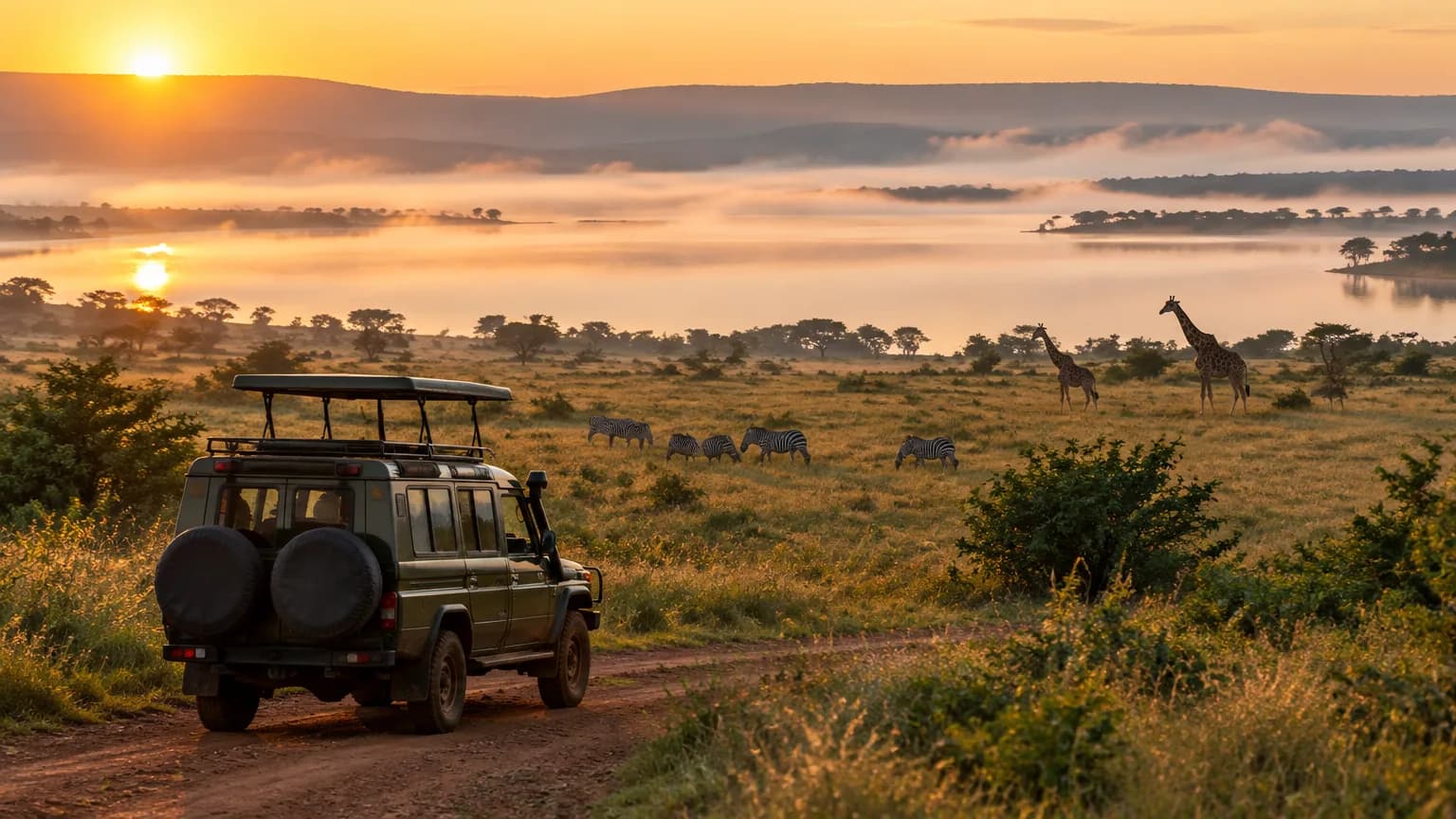
Rwanda uses a few clear safari formats, and the right one depends on which park you are visiting. Game drives in Akagera run in jeeps, with morning and afternoon slots. Gorilla and golden-monkey tracking in Volcanoes is a guided walk: the day starts with a briefing, then a hike of variable length to reach the family. Nyungwe offers guided forest walks and chimpanzee experiences. On Lake Kivu, boat trips and water sports are the main activities, and helicopter scenic tours operate from Kigali International Airport for those who want an aerial view of the country.
Morning drives generally give better light and more active wildlife. Afternoon drives suit travellers who prefer a slower start to the day. Gorilla treks begin early because the walk can take several hours depending on where the family has moved. Fitness matters more than age on these walks. The minimum age for gorilla tracking is 15, and for golden-monkey tracking it is 12.
Book gorilla permits before anything else. Availability is limited, and peak-season dates can fill nine to twelve months ahead. Permits can be booked through the Rwanda Development Board booking portal or Irembo. Akagera activity fees depend on what you choose, so confirm at booking. Once permits are confirmed, build flights and lodges around those dates rather than the other way around.
Where to Stay Near the Parks
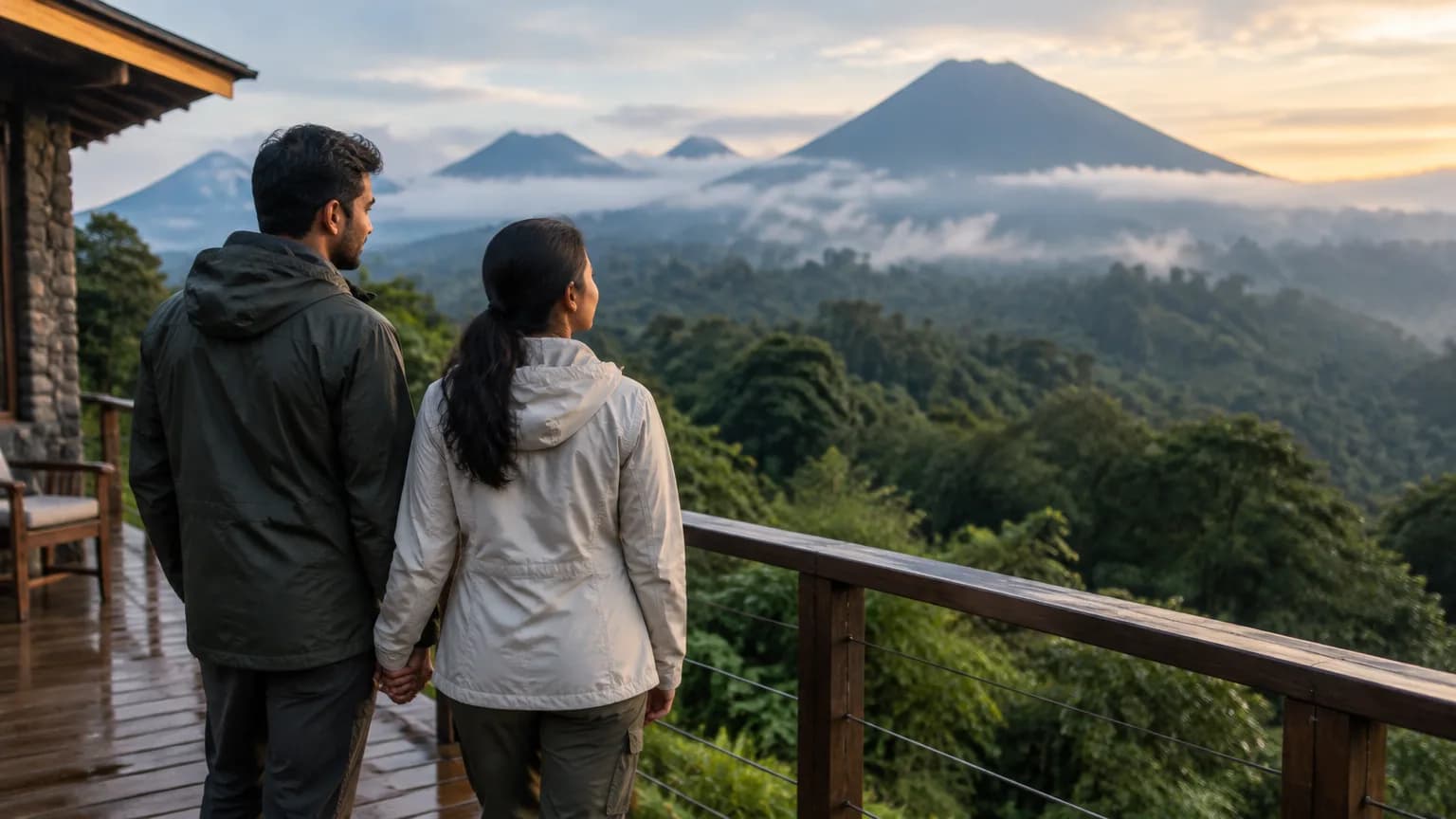
The base you choose decides how early your day starts, and that matters most on trekking days when briefings begin before sunrise. Kigali is the city base for arrivals and transfers, with mid-range options for couples and families. Kinigi or Musanze is the practical base for Volcanoes National Park — staying here the night before a trek saves a very early road transfer from Kigali. Rubavu or Gisenyi sits on the northern Lake Kivu shore with kayaking, paddleboarding and swimming. Karongi or Kibuye is the southern lake area for excursions and ridge walks. Nyungwe Forest has upscale forest stays close to chimpanzee trekking and the canopy walk. Akagera National Park has safari lodges and tented camps for game drives and boat safaris on Lake Ihema.
Stay types follow the terrain. Towns have standard hotels and guesthouses. Park edges have lodges and tented camps ranging from comfortable mid-range to upscale. Lake Kivu has resorts and lakeside lodges. A property close to the park gate can cut an hour or more from your morning, which is significant on days when the briefing starts at 7 am. Nightly rates vary by season, room type and proximity to the gate, so confirm at booking. If your dates are fixed around a permit, book the lodge at the same time rather than later.
wns and Getting There
Kigali is the gateway city, and Kigali International Airport (KGL) is where all international arrivals land. Indian travellers typically fly with one connection through a Gulf, East African or Ethiopian hub before landing in Kigali. Confirm current routings and timings with your booking consultant, since schedules change and the connection city affects total travel time.
From Kigali, road transfers connect all the parks. Musanze, the access town for Volcanoes National Park, is about 90 minutes from Kigali by road, and the park area is roughly three hours from the city. Akagera is about two to three hours by car from Kigali. Nyungwe is five to six hours by road, and a domestic flight can shorten that leg considerably. Private car hire is the standard choice for park transfers. Public buses and minibuses run in Kigali and on key routes, but most travellers on a park itinerary use private vehicles for flexibility and early starts.
Early starts add significantly to the day. A pre-dawn departure from Kigali for a gorilla trek means several hours of driving before the briefing, which is why most travellers sleep near the park the night before. Check current entry rules, health advice and travel advisories on the official government source before booking, and reconfirm close to departure.
Combining Parks into a Route
A practical Rwanda route links two or three areas rather than all four, unless you have nine to twelve days. The most common structure starts with two nights in Kigali for the city and transfers, then moves to Kinigi or Musanze for two to three nights of gorilla and golden-monkey tracking. From there, you can head east to Akagera for two nights of game drives and a boat safari, or southwest to Nyungwe for two nights of forest walks and chimpanzee experiences.
Lake Kivu fits naturally as a western finish after Nyungwe, or as a mid-trip break between Volcanoes and Akagera if you are doing a longer loop. Musanze itself is a pleasant hill town and works as a base rather than just a transit stop. Trying to cover all four parks in under a week means long drives and rushed mornings, which is why the nine-to-twelve-day figure is realistic for the full combination.
Nights per stop matter. One night at any park is too thin once you account for transfers and early briefings. Two nights is the practical minimum, and three is better for Volcanoes because trekking days depend on permit dates. Akagera deserves two nights to cover both a game drive and a Lake Ihema boat safari. Nyungwe needs two nights for chimpanzees and the canopy walk.
Ways to Travel to Rwanda
Tripstor offers several styles for this destination, and the right one depends on pace, group type and what you want to prioritise. Wildlife and Safari suits travellers whose main aim is gorillas, game drives and forest primates. Trekking and Camping fits those who want hiking days and simpler park stays close to the trails.
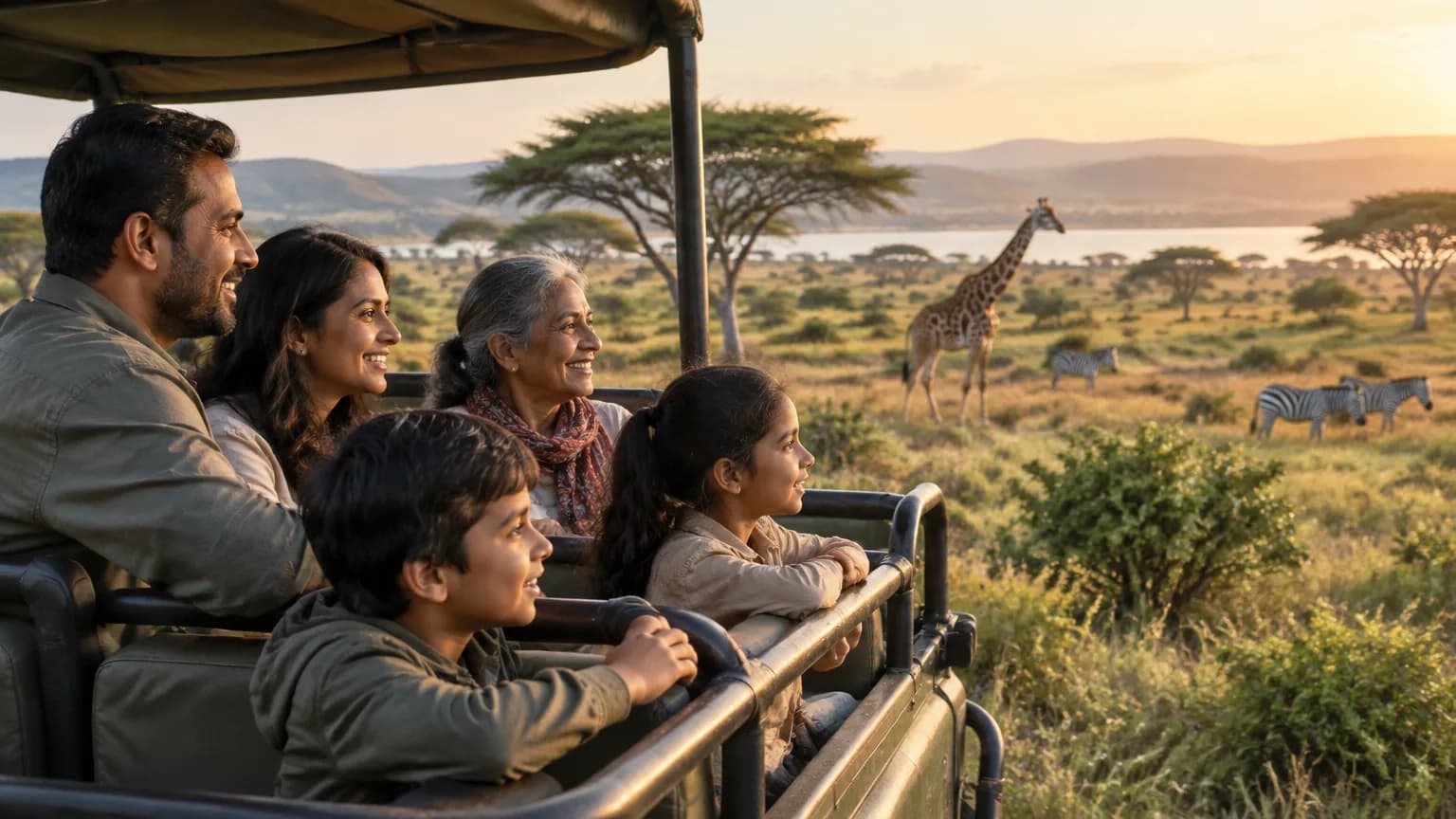
Adventure works for active travellers adding the Congo Nile Trail — a 227-kilometre route along Lake Kivu — or lake activities. Best of covers a first visit that touches Kigali, a park and the lake without rushing. Cultural and Heritage suits travellers who want community-based experiences and city time alongside wildlife. Family works when the group includes children, keeping in mind the minimum ages for gorilla and golden-monkey tracking. Honeymoon and Luxury lean towards upscale forest lodges and lake stays. Wellness and Relaxation fits a slower Lake Kivu finish after an active park run.
Rwanda tour packages from India start from ₹94,500 per person on land only, twin sharing. That figure covers the land portion; flights, gorilla permits and personal expenses sit outside it. Compare inclusions carefully, because permit handling and park transfers change the total significantly.
Safari Etiquette and What to Carry
Small habits make a real difference on a Rwanda safari, particularly during gorilla tracking where proximity to wildlife is close and the rules are strict. Wear muted colours — khaki, olive or grey — and leave bright white and neon at the lodge. Keep voices low near wildlife, never use a camera flash, and follow the guide's instructions on distance at all times.
- Binoculars and a zoom lens: Animals in Akagera are often far away, and a long lens beats walking closer. A zoom lens is also useful in Nyungwe's dense canopy.
- Sun and dust protection: Carry a hat, high-factor sunscreen, sunglasses and a light scarf for dusty drives in Akagera.
- Rain shell and sturdy shoes: Mountain parks are colder and wetter than eastern Rwanda. Waterproof boots matter on gorilla trekking days.
- Children's age rules: Gorilla tracking has a minimum age of 15 and golden-monkey tracking a minimum of 12. Confirm at booking if travelling with children.
- Health and entry checks: Malaria risk is high in all areas of Rwanda. Speak to a doctor about antimalarial medication and vaccinations before travel. Check current entry rules and travel advisories on the official government source before departure.
Carry water, a small daypack and any personal medication in your day bag rather than in the vehicle. Insect-bite precautions are important throughout the country, not just in the parks.
Once the plan feels right, compare the current Rwanda packages and pick the one that fits.