Curated starting points
Find a Tanzania journey that feels like yours.
Begin with a thoughtfully paced itinerary, then change the stays, experiences, route, and budget with a Tripstor specialist.
Tanzania tour packages from India 2026 suit travellers who want a northern safari circuit, a Kilimanjaro trek or a Zanzibar beach stay — or all three in one trip. The dry season from June to October gives the most reliable game viewing. A first trip works best at 10 to 14 nights, covering safari and island time.
Curated starting points
Begin with a thoughtfully paced itinerary, then change the stays, experiences, route, and budget with a Tripstor specialist.
Starting from
₹1,03,000/ person
Destination guide
Practical context, local highlights, and honest planning advice — written for travellers from India.
Field notes
A considered guide to Tanzania
Tanzania sits in East Africa, with the northern safari circuit, the Kilimanjaro zone, the western parks and the Zanzibar archipelago forming the four main visitor areas. The dry season from June to October brings little rain, lower humidity and generally clear days — making it the strongest window for a Tanzania safari. Plan 10 to 14 nights for a first trip that covers both safari and coast. Kilimanjaro International Airport is the usual gateway for the northern parks, about one hour from Arusha and Moshi.
| Zone | Main parks or areas | Best season | Suggested nights |
|---|---|---|---|
| Northern circuit | Serengeti, Ngorongoro, Tarangire, Lake Manyara, Arusha National Park | June to October | 6 to 9 |
| Kilimanjaro | Kilimanjaro trekking routes | June to October; January to February | 6 to 8 |
| Zanzibar | Stone Town, island beaches | June to October; January to February | 3 to 5 |
| Western parks | Gombe Stream, Mahale Mountains | Dry months; access dependent | 3 to 4 |
Zanzibar is served by Abeid Amani Karume International Airport, and Dar es Salaam by Julius Nyerere International Airport. Coastal areas stay hot and humid year-round, with the heaviest rain falling between March and May and again in November and December.
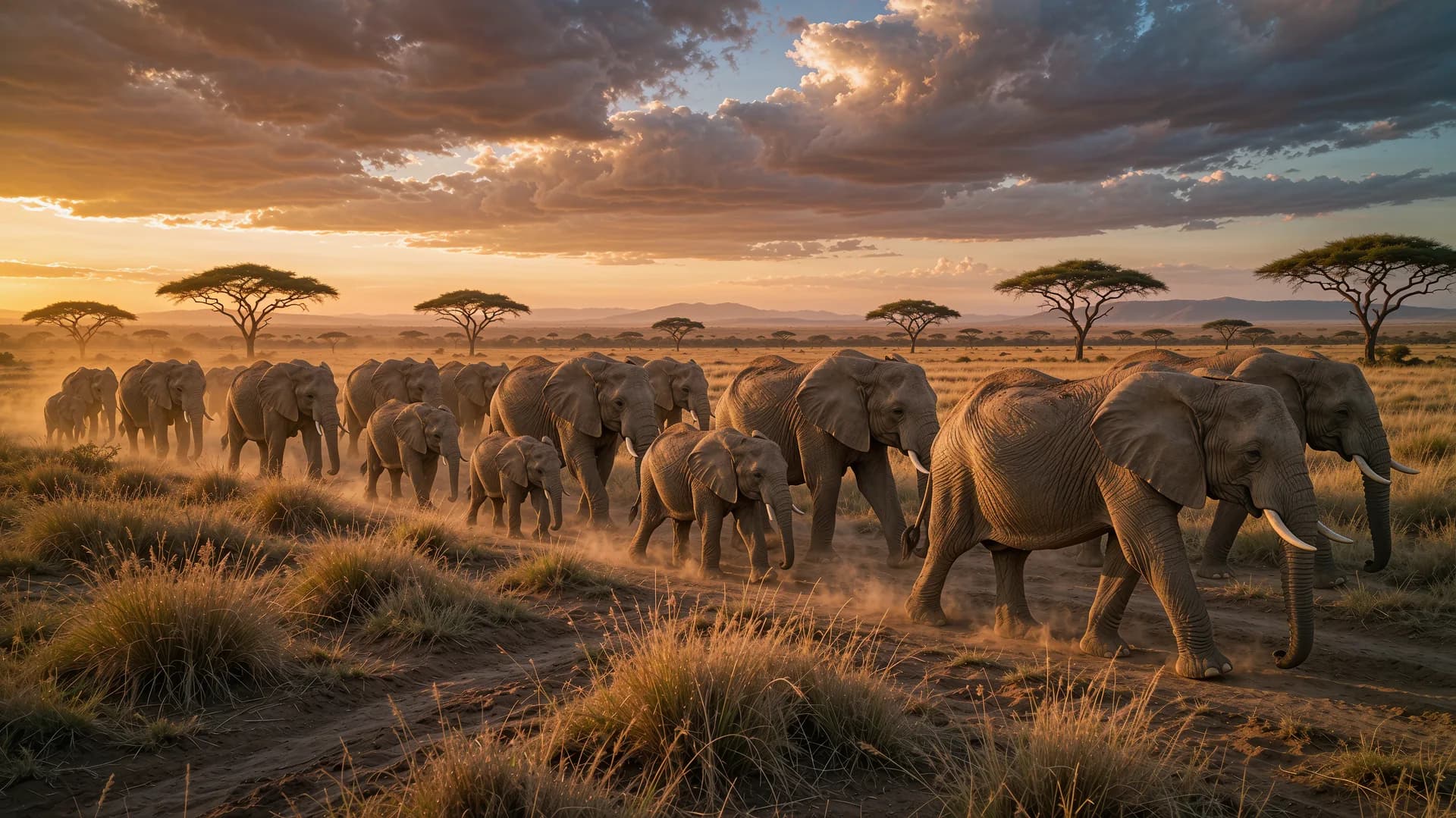
Wildlife in Tanzania is concentrated in specific parks, and the species you are most likely to encounter depend on where you go. The Serengeti is the best-known area for elephants, lions, giraffes and wildebeest. Ngorongoro Crater offers guided wildlife viewing that can include rhinos, giraffes and warthogs within the crater floor. Tarangire, Lake Manyara and Arusha National Park round out the northern circuit. Chimpanzee trekking is available in Gombe Stream and Mahale Mountains in the west.
Sightings are never guaranteed. Animals move with water sources, grass height and herd patterns, and a knowledgeable guide improves your chances without being able to promise a specific species on a specific day. Treat every animal on a checklist as a real possibility, not a booking condition.
Game viewing shifts through the year because water availability and grass height change where animals gather and how easily they are spotted. The dry season from June to October gives shorter grass and clearer sightlines, which is why it is the most consistent window for wildlife in Tanzania. Wildebeest calving is concentrated in the Serengeti and Ndutu area in January and February. The Great Migration river crossings fall between July and September, which is also when safari demand and prices peak.
The long rains run from March to May, with heavy rain often arriving in the afternoons. Some safari camps close during this period, particularly in April and May, and remote southern lodges may also shut. The short rains from November to December are usually brief but unpredictable, including in northern Tanzania from October onward. January and February form a short dry interlude between the two wet seasons and offer a useful second window for those who cannot travel mid-year.
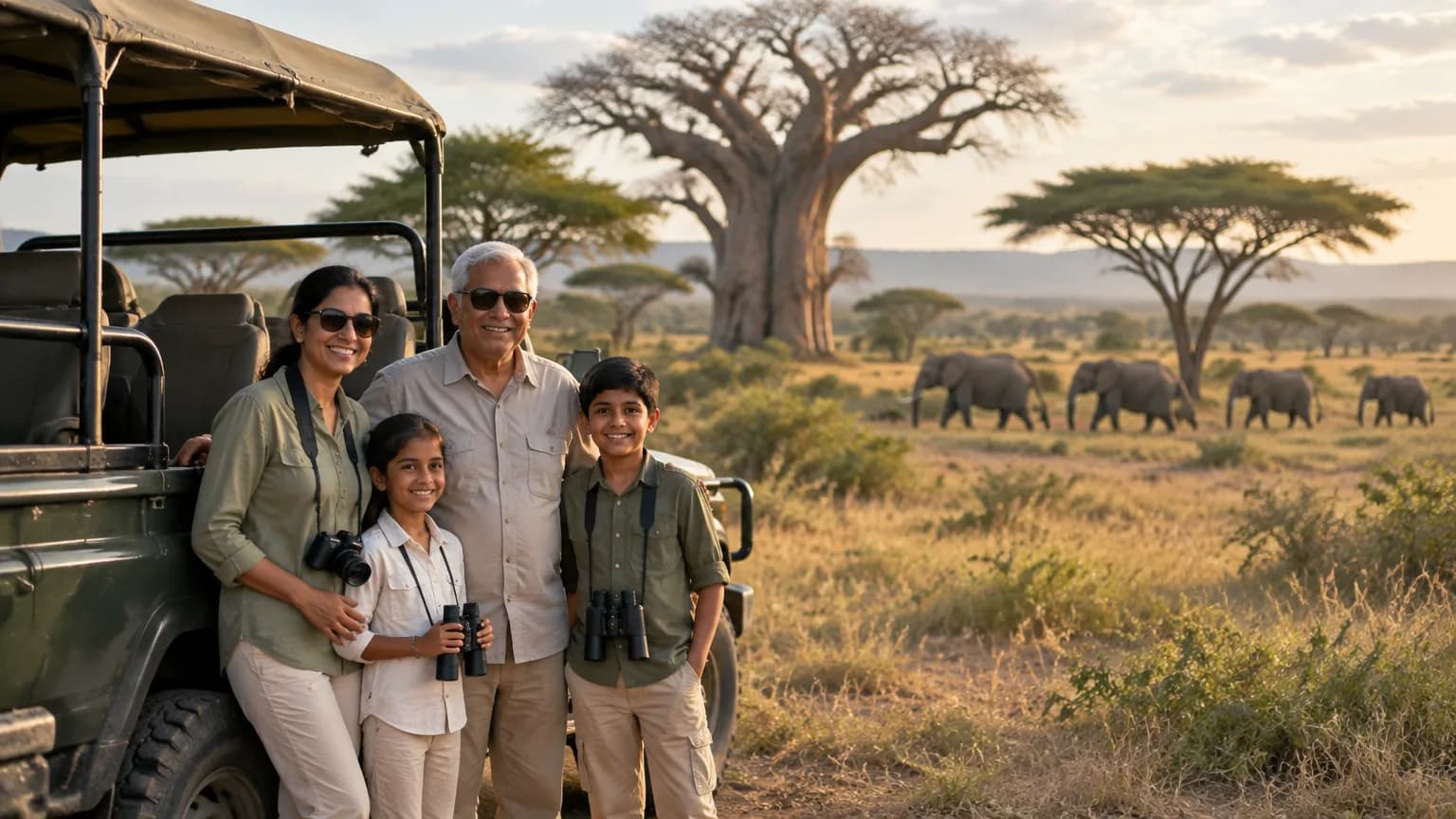
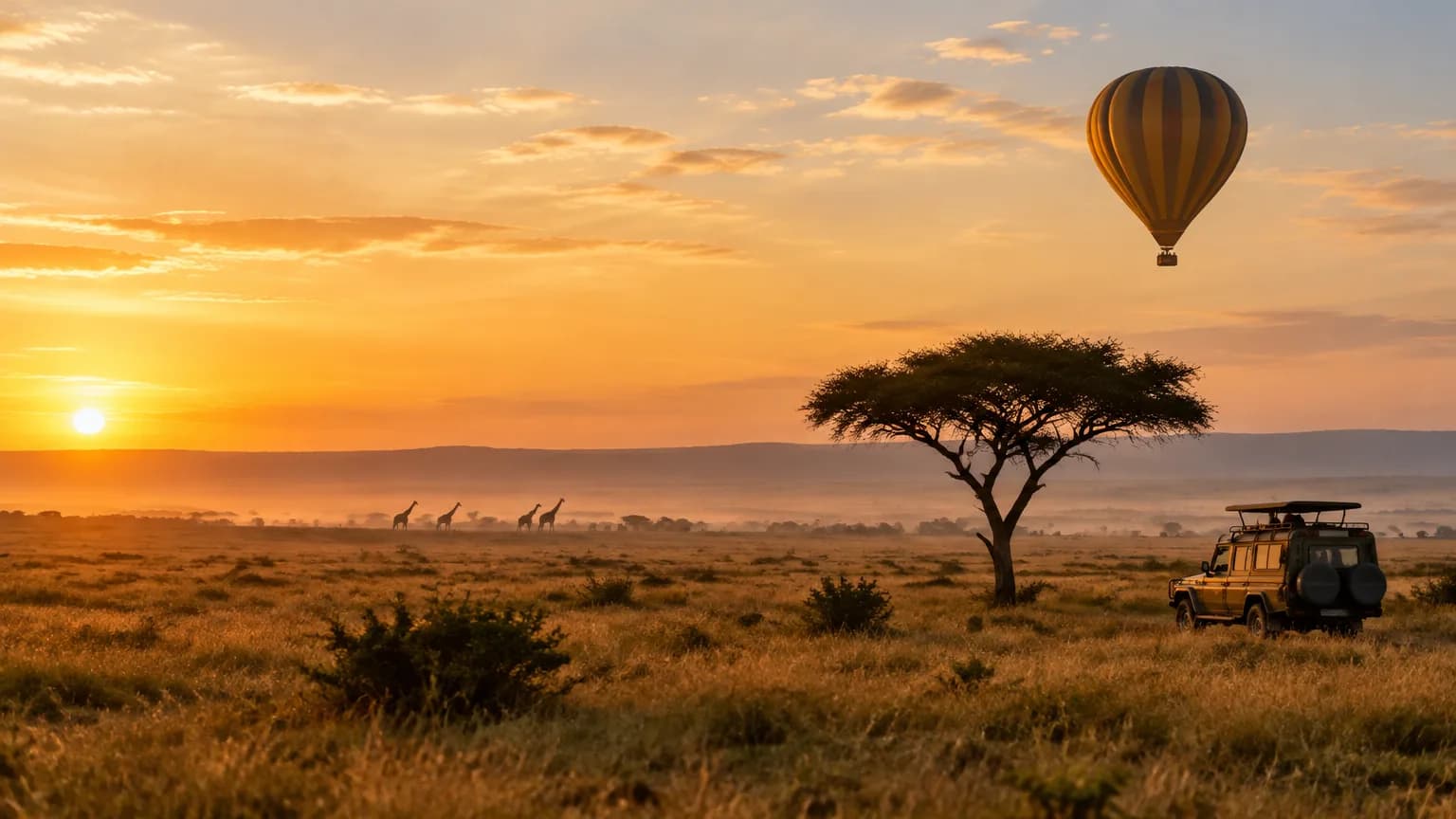
Most visitors travel by open-top jeep, which suits both families and first-time safari travellers. Balloon safaris operate in the Serengeti and are booked as a special activity; they may require additional permits, so confirm at booking. Chimpanzee trekking in Gombe Stream and Mahale Mountains may also require a separate permit. Walking formats exist in selected areas, and boat-based viewing is available in certain zones.
Morning drives generally give the best light and more active wildlife. Afternoon drives work well for arrival days or shorter itineraries. Because park entries, crater descents and balloon slots are limited, booking zones and time slots early matters — particularly for the July to September peak. Confirm current prices and permit requirements at booking, since fees and availability change by season and park.
Arusha is the organising centre for northern safari routes and the natural first or last night on the circuit. Serengeti has central and northern areas connected by game-drive routes, and Ngorongoro links naturally to Lake Manyara and the central Serengeti. Zanzibar is the standard beach base, while Dar es Salaam suits city stays and access to southern routes.
Stay types fall into three broad tiers. Lodges inside or close to a park gate give the shortest transfer and help with early starts. Tented camps sit closer to the wildlife experience and range from simple to well-appointed. Beach resorts on Zanzibar suit the post-safari leg of the trip. Distance to the gate directly affects how early you need to leave, so a property 20 minutes from the gate is practically worth more on a short safari than one an hour away. Nightly rates vary by season and property class; confirm at booking.
Kilimanjaro International Airport is the main entry point for the northern circuit, with Arusha and Moshi about one hour away by road. Dar es Salaam and Zanzibar each have their own international airports, which helps if you plan to fly between the safari and the coast rather than backtrack overland. Indian travellers typically connect through a Gulf or East African hub; total travel time depends on your routing, so check current options when you book.
The transfer from Arusha to a park gate can take several hours, and early-morning game-drive starts add to the day because gates and crater access have fixed opening windows. Build in at least one night near the gateway before your first drive. Check current entry rules on the official Tanzanian government source before booking flights, as requirements can change without notice.
A practical northern route links two or three zones rather than rushing through five in quick succession. Tarangire and Lake Manyara work well as a first stop of two nights each, giving you elephant country and tree-climbing lion habitat before the bigger parks. Ngorongoro deserves two nights to allow a full crater descent without a rushed morning. The Serengeti needs three to four nights to cover central and northern areas without long daily transfers between camps.
From the northern circuit, a short flight to Zanzibar for three to five nights closes the trip with beach time. Stone Town is worth at least one night for the Forodhani Night Market — an evening street-food market on the Stone Town waterfront serving Zanzibar pizza, octopus skewers, urojo and sugarcane juice — and for the spice-island character of the old quarter. Chimpanzee trekking in Gombe Stream or Mahale Mountains sits far to the west and needs its own short extension of three to four nights rather than a day trip from the north. The right split depends on how much driving you want and how many nights you have.
Trip styles map to how much time you have and what you want from this destination. Wildlife and safari trips suit first-time visitors focused on the northern circuit. Best of trips combine safari and Zanzibar in one route, which is the most popular format for Indian travellers. Adventure and trekking and camping styles suit Kilimanjaro climbers and those heading to the western parks for chimpanzee trekking. Family trips work best with shorter daily drives and open-top jeep game drives. Honeymoon and wellness and relaxation styles lean on Zanzibar, with dhow cruises and snorkelling. Budget trips focus on shared safari vehicles and simpler camps. Luxury trips use private guides, closer-in lodges and balloon safaris. Short getaway trips fit a single park or a Zanzibar break for those with limited time. Tanzania packages from India start from Rs. 66,000 per person for land arrangements on a twin-sharing basis; confirm inclusions and current pricing at booking.
A few practical habits make a real difference on game drives and help protect the animals and other visitors around you.
The Tanzania package page lists the trips available now, if you would like to see them side by side.
Personalise your trip
Choose a travel style as your starting point. We'll refine the pace, stays, experiences, and budget until the journey feels entirely yours.
Not sure which fits? Use our trip builder — it takes under two minutes.
Got questions?
Straight answers on visas, pricing, best time to visit, and how our packages work for Indian travellers.
8 answered below
Social proof
Feedback from Indian holidaymakers who travelled with Tripstor.
4.8
from 432+ reviews
FamilyBooked a family package for 7 nights covering Port Blair, Havelock, and Neil. The Cellular Jail light and sound show on Day 1 set a good tone for the trip. Kids were engaged throughout and the itinerary was not too rushed.
FriendsThree friends and I did a 9-night Australia package with stops in Melbourne and Sydney. We spent an afternoon at the Melbourne Cricket Ground and caught a local match. Tripstor sorted our group visa applications together which saved a lot of back and forth. Good experience overall.
HoneymoonHoneymooned in Kashmir for 7 nights in May. Gulmarg had light snow still and we got a gondola ride on Day 4. The tulip garden in Srinagar was in full bloom. Tripstor arranged a candlelit dinner on the houseboat which was a nice touch.