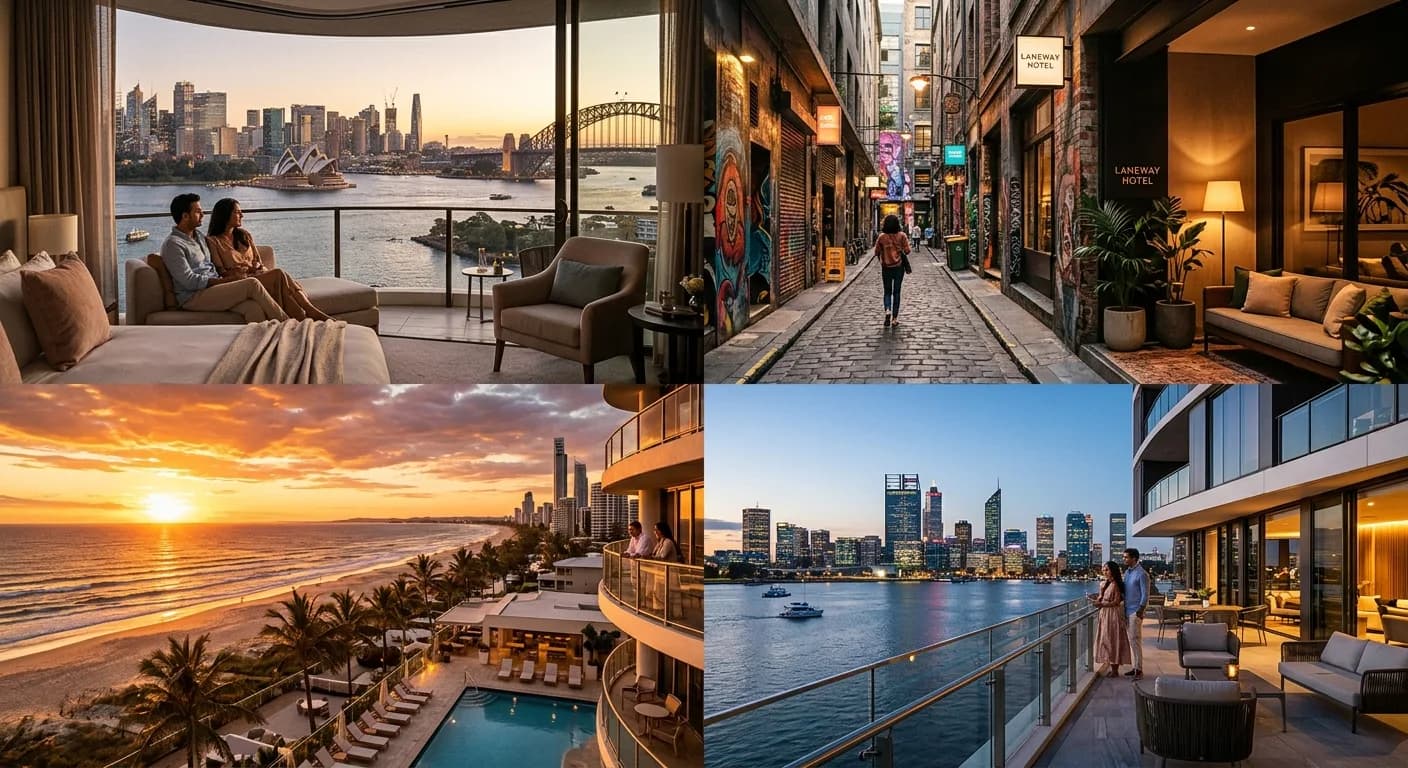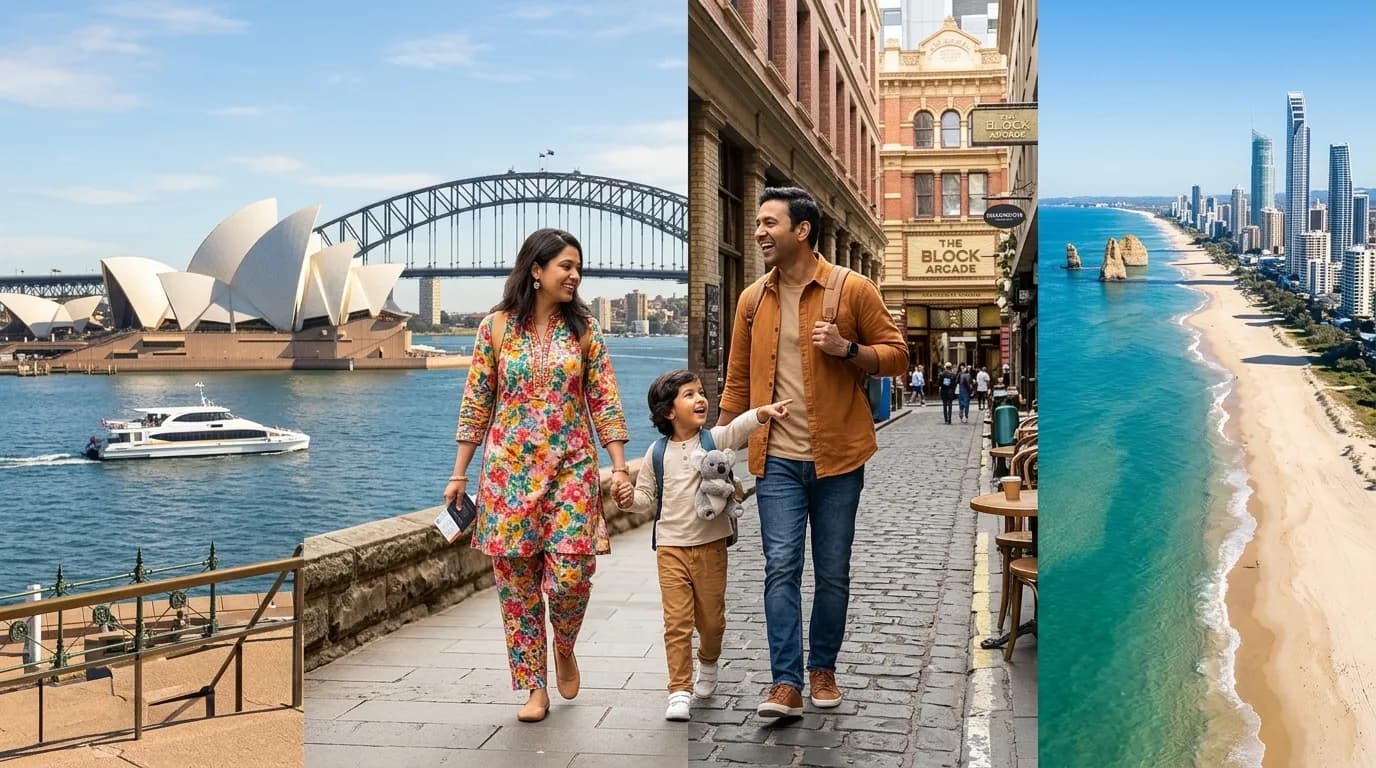


Australia at a glance
Australia is both a country and a continent in Oceania, so a first trip means choosing a few bases and flying between them. It is a long-haul international holiday from India, best planned over 7 to 10 nights, with the best season running from May to October.
| Detail | What to know |
|---|---|
| Region | Oceania; mainland states plus island territories |
| Trip type | City breaks combined with reef, wildlife and outback stops |
| Best season | May to October, when northern Australia is generally dry |
| Ideal trip length | 7 to 10 nights for two or three bases; 14 nights for a grand route |
| Main gateways | Sydney and Melbourne, with Brisbane, Perth, Adelaide, Cairns and Darwin also served from India |
| Flight time from India | About 11 to 13 hours on the routes listed, as of October 2026 |
| Starting price | From ₹93,500 per person, land only, twin sharing |
Distances between regions are large, so internal flights are a normal part of the plan rather than an extra. Each stop needs at least two or three nights to feel worthwhile.
Why travellers choose Australia
Indian travellers choose Australia for varied landscapes in a single trip, cities that are simple to get around, and food that suits vegetarian, Jain and halal diets. These three reasons make a long-haul holiday manageable for families and elders as well as couples.
- Landscape variety. A trip can include snorkelling or diving on the Great Barrier Reef, wildlife on Kangaroo Island, and hiking or cultural tours in Kakadu National Park. Few countries put reef, island wildlife and outback wilderness into one itinerary.
- Easy city transport. Buses, metros, trains and trams serve the main attractions in Australian cities, and ferries add a scenic option in Sydney. Melbourne's City Circle Tram is free, and Sydney has weekly public-transport fare caps, so daily costs stay predictable.
- Food and comfort for Indian travellers. Vegetarian options are widely available in major cities, and Jain-friendly and halal dining can be found too. Harris Park in Sydney, Dandenong in Melbourne and South Brisbane are known for Indian restaurants and street food.
Top places and areas to visit in Australia
The places below are the ones most first-time itineraries are built around. For a 10-night trip, choose three or four of them rather than trying to cover the country.
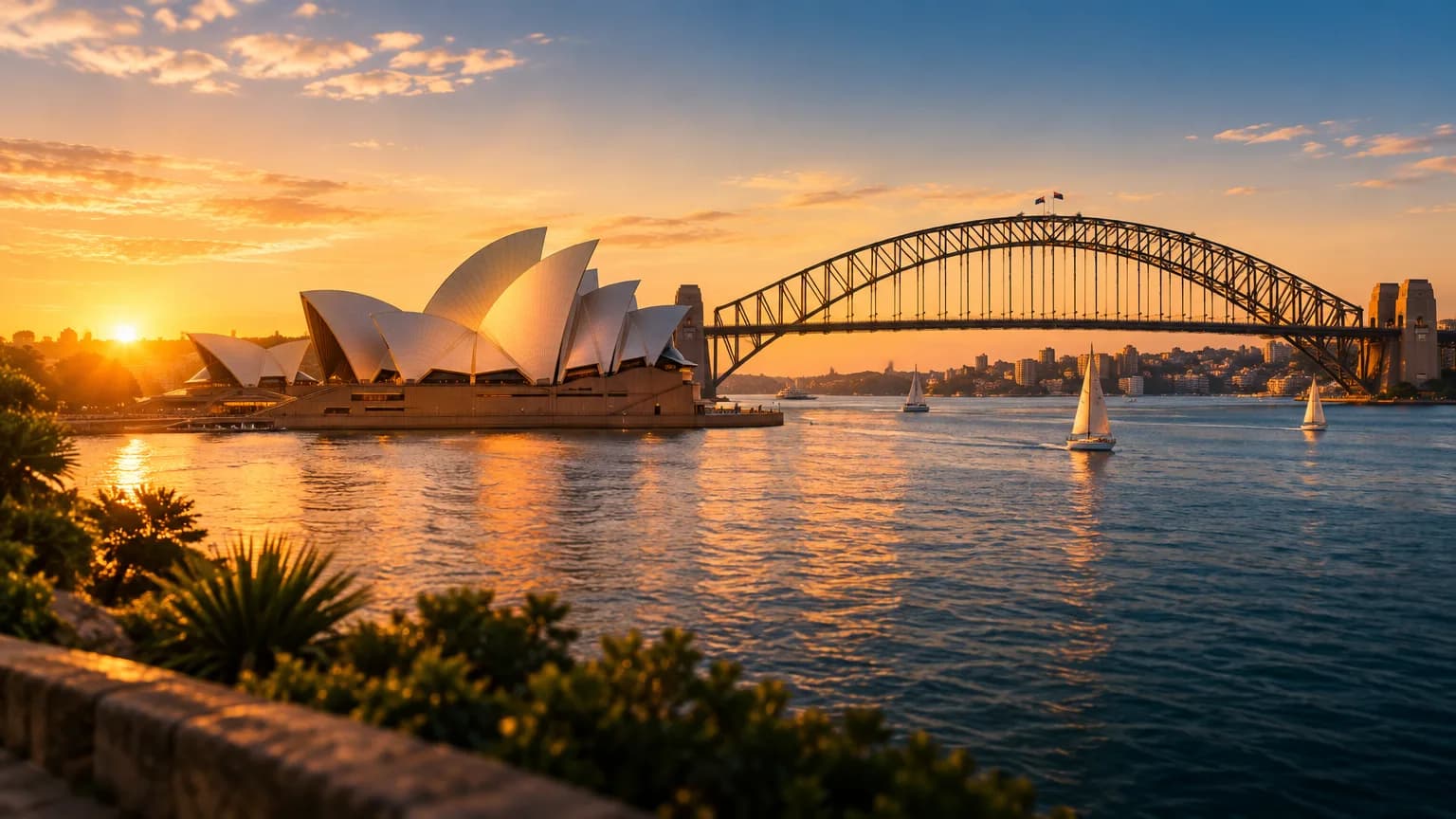
- Sydney, New South Wales. The Opera House, Harbour Bridge and Bondi Beach make up the classic first-timer circuit. Use ferries and trains between sights, and keep a full day for the harbour and The Rocks.
- Melbourne, Victoria. The city is associated with art, cafés and culture, with Federation Square as a central precinct. Stay in the CBD or Southbank and use the free City Circle Tram for short hops.
- Great Ocean Road, Victoria. This coastal drive starts from Melbourne and suits travellers who hire a car. Treat it as an overnight trip rather than a rushed day return.
- Cairns, Queensland. Cairns is the base for the Great Barrier Reef and nearby rainforest. It is the easiest place on the trip to add snorkelling or diving.
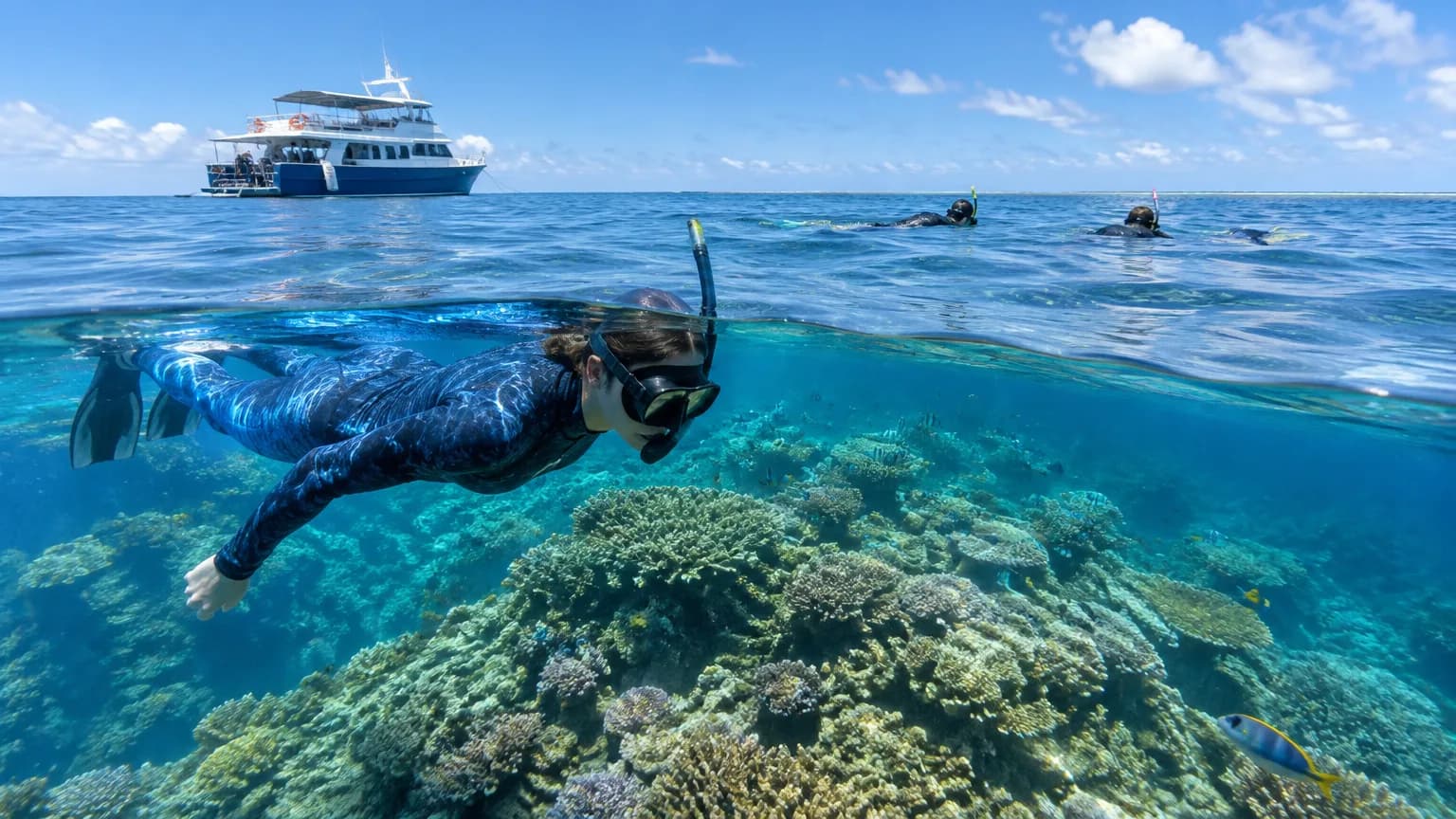
- Great Barrier Reef. The world's largest reef system offers diving and snorkelling among coral, fish and turtles. From November to April, stinger protection such as a full-body wetsuit is advised.
- Gold Coast, Queensland. Surfers Paradise and Burleigh Heads sit within a beach region known for theme parks. It suits families who want beach days mixed with rides.
- Kangaroo Island, South Australia. Visitors see kangaroos, koalas and echidnas in natural habitats. Allow a full day at least, since it involves a ferry crossing.
- Kakadu National Park, Northern Territory. The park offers hiking, wilderness, cultural tours and outback safari experiences. Some tourism operations and parts of the park can close in the northern wet season because of flood risks.
- Brisbane, Queensland. The South Bank riverside precinct is the main outdoor area. It works as a relaxed arrival or departure city.
- Purnululu National Park, Western Australia. Tourism Australia lists the park among its destinations to visit. It is remote and suits longer trips with time to spare.
Best time to go
May to October is the best window for a first Australia holiday, because northern Australia is generally dry and sunnier, and southern cities are cool instead of hot. During this period the ocean is generally free of marine stingers, so reef swimming is possible in many areas without nets or protective suits.
- Best months: May to October. The dry season in the north. July is the busiest month, with high crowds and peak prices, while May has lower prices and medium crowds.
- Shoulder months: March, April and October. Crowds and prices are medium. The north still sees heavy rain in March and April, and rain starts increasing again in October.
- Months to avoid for the north: November to April. The wet season brings heavy rain, high humidity, tropical storms and possible cyclones. Flooding can close parts of Kakadu and other northern tourism areas.
December to February is hot across most of Australia, with high crowds and peak prices. If you must travel then, keep to southern cities and the coast, and leave the tropical north for another year.