
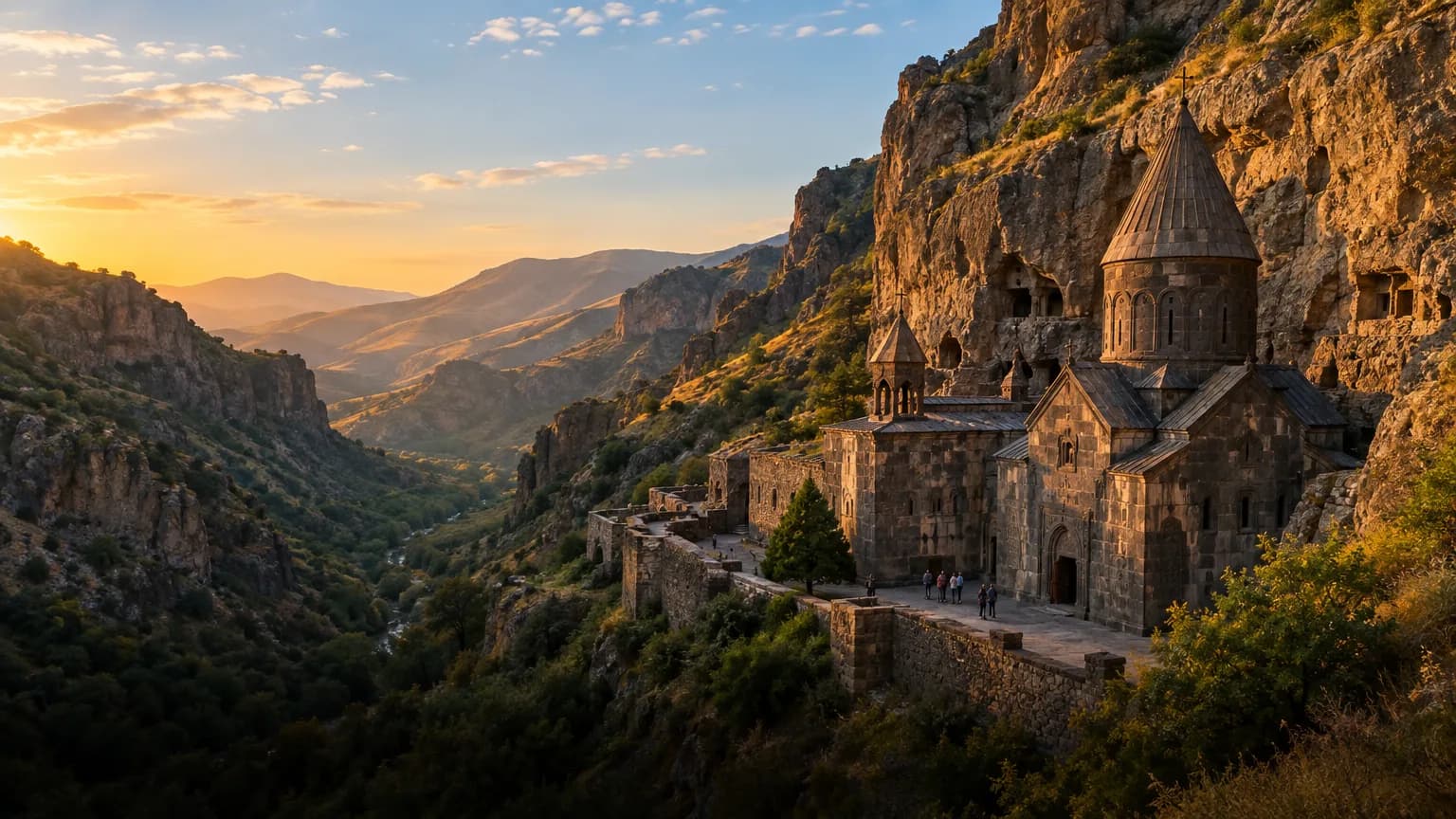
Curated starting points
Find a Armenia journey that feels like yours.
Begin with a thoughtfully paced itinerary, then change the stays, experiences, route, and budget with a Tripstor specialist.
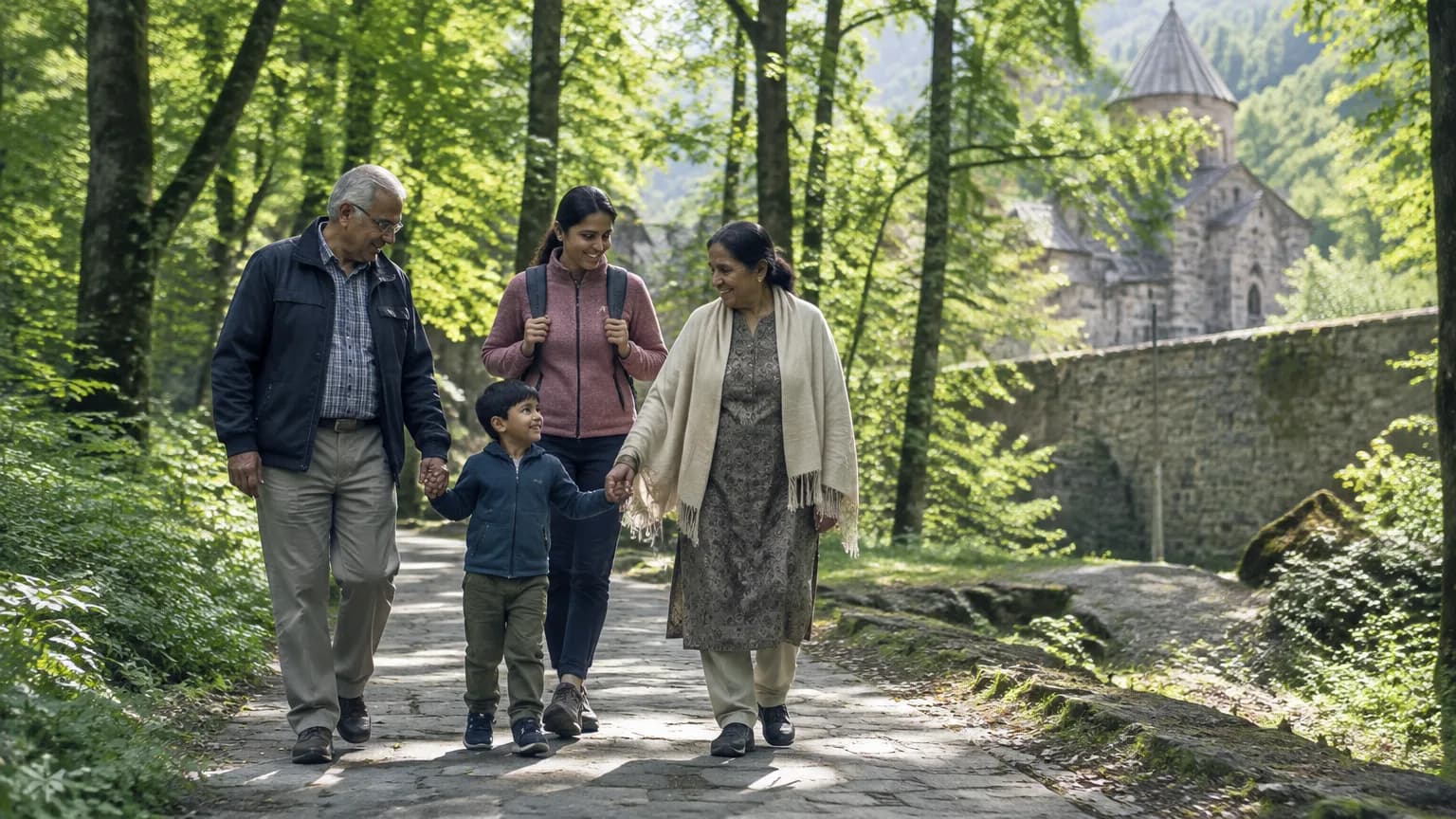
Armenia · Flexible itinerary
Armenia Dilijan Family Holiday 8N 9D
Starting from
₹65,000/ person
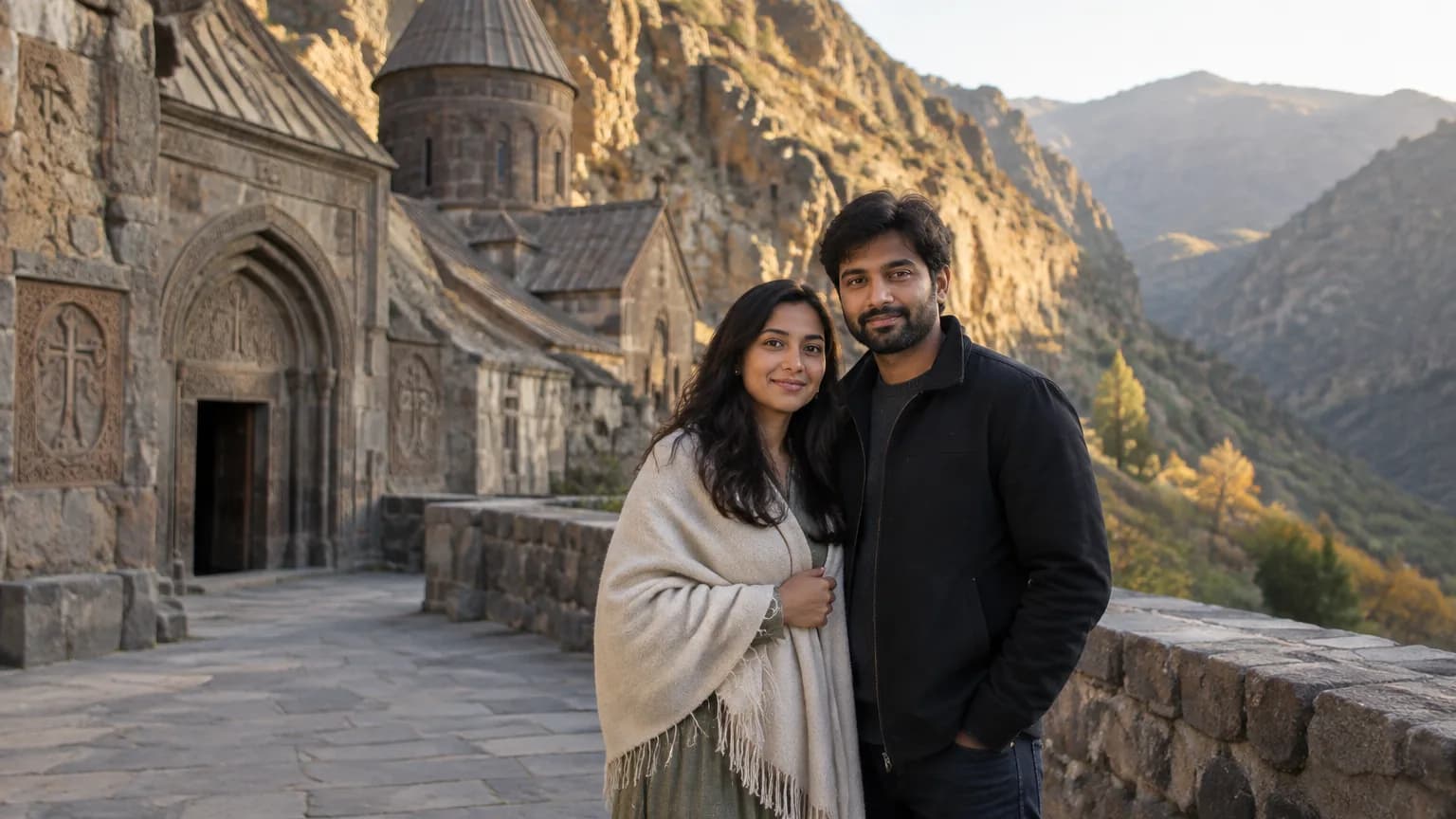
Armenia · Flexible itinerary
Armenia Yerevan Honeymoon 6N 7D
Starting from
₹57,000/ person
Destination guide
Know Armenia before you go.
Practical context, local highlights, and honest planning advice — written for travellers from India.
Field notes
A considered guide to Armenia
Armenia at a Glance
Armenia is a small, landlocked country in the South Caucasus, sitting between Georgia, Azerbaijan, Iran and Turkey. For Indian travellers it sits in the Europe region and is compact enough to cover properly in about seven days, mixing a capital city with monasteries, mountain roads, a large highland lake and rural wine districts.
| Detail | What to know |
|---|---|
| Region | South Caucasus, Europe |
| Gateway airport | Zvartnots International Airport (EVN), near Yerevan |
| Ideal trip length | 7 nights |
| Best season | May, June and September |
| Trip type | Culture, heritage, nature, wine |
| Starting price (land only, twin sharing) | From Rs. 79,000 per person |
Weather shapes the calendar more than anything else here. Spring brings the heaviest rain, summer turns very hot in the Ararat plain, and autumn settles into comfortable, drier days. Winter is cold and snowy, with higher monastery roads sometimes difficult or closed. Confirm current pricing and availability at booking.
Why Travellers Choose Armenia
Three things pull people to this destination: a dense monastery trail, varied landscapes within short drives of each other, and a food and wine culture that rewards curiosity without demanding a heavy itinerary.
The religious heritage is the strongest draw. Geghard Monastery is partly carved into the cliff face, Khor Virap sits on the Ararat plain with views towards Mount Ararat, and Sevanavank stands beside Lake Sevan. Haghpat and Sanahin in the Lori region add a northern dimension for travellers with more time. No other country in this size packs this many UNESCO-listed and historically significant monasteries into a single week's drive.
Landscape variety is the second reason. Dilijan National Park holds forest trails and mountain lakes, Vayots Dzor has the Noravank canyon and the Areni wine area, and Syunik in the deep south brings Tatev Monastery and a long cable car. A single week can move through city, forest, lake and canyon without feeling rushed.
For Indian travellers, the practical side is manageable. Central Yerevan is walkable, ride-hailing apps work in the capital, vegetarian options are usually available in restaurants, and private drivers can be hired for the legs where public transport is unreliable. English is not universal outside Yerevan, so a driver or a pre-planned day trip saves time and reduces friction on the road.
Top Places and Areas in Armenia
Most first-time Armenia itineraries cover these places, spread across the country's main regions.
- Yerevan — the capital and the natural first base. Republic Square, the Cascade stairway and the Genocide Memorial can all be covered on foot. Keep at least one full day free here at the start before heading out on day trips.
- Garni Temple — a first-century Greco-Roman colonnaded temple above a gorge east of Yerevan. Pair it with the Stones basalt-column formation in the same gorge; both are on the same visit.
- Geghard Monastery — a UNESCO-listed complex with chapels cut directly into the rock. It is almost always combined with Garni on a five-to-eight-hour trip from Yerevan.
- Khor Virap Monastery — south of Yerevan on the Ararat plain, visited mainly for the clear-day view towards Mount Ararat. Morning visits tend to give clearer skies.
- Lake Sevan and Sevanavank — a large highland lake with a medieval monastery on its peninsula. Summer afternoons can bring mountain thunderstorms, so plan the visit for the morning.
- Dilijan National Park — a forested protected area with mountain lakes, the Transcaucasian Trail and monasteries. An overnight stop here breaks the drive north and gives time for a proper walk.
- Haghartsin Monastery — a medieval monastery in the Dilijan forests, usually slotted into the same day as the national park.
- Noravank Canyon and Areni — a canyon monastery in Vayots Dzor alongside the Areni wine district. This is the area for a wine tasting stop and one of the more scenic drives in the country.
- Tatev Monastery and Goris — the deep south, reached partly by a long cable car, with the cave dwellings of Khndzoresk nearby. This area needs a dedicated overnight rather than a day trip from Yerevan.
- Gyumri — the northwestern city with black-tuff stone architecture and a craft tradition. Useful as a stop if you are routing through Lori to see Haghpat and Sanahin.
Best Time to Go to Armenia
May, June and September are the best months for most travellers, offering warm days, open roads and comfortable walking conditions without the peak-season heat or crowds.
Spring (March–May) brings the highest rainfall of the year, though landscapes are green and visitor numbers are still moderate. Higher passes can hold snow into March and April, so mountain routes need checking before you set out. The Yerevan Wine Days festival falls in mid-May, which is a draw for food-focused travellers.
Summer (June–August) is dry and busy. July and August are the peak months, and Yerevan can reach the mid-thirties or higher. The Vardavar Water Festival falls on 19 July 2026, which adds colour to a summer trip. Early starts and afternoon breaks are sensible in this heat.
Autumn (September–November) starts comfortable and turns cooler and quieter, with occasional showers. October brings the Areni Wine Festival, which is a good reason to be in Vayots Dzor at that time. September is arguably the single best month for combining good weather with manageable crowds.
Winter (December–February) is cold and snowy with lower prices and very few tourists. Higher mountain roads and some monastery routes can be difficult or closed. If winter travel appeals, keep the plan centred on Yerevan and the lower valleys, and expect snow on the Ararat plain.
How to Reach Armenia from India
Zvartnots International Airport (EVN) near Yerevan is the standard gateway for Indian travellers. There are no direct flights from India at present, so the usual route involves one connection through a Gulf or European hub; total travel time depends on the routing and layover length.
From the airport, central Yerevan is reached by taxi or a pre-arranged transfer. Most itineraries use Yerevan as the hub for the first few nights before moving to Lake Sevan, Dilijan or the south by private car or marshrutka.
Entry rules, passport validity requirements and any current documentation can change. Check the current rules on the official government source — the Ministry of External Affairs of India and Armenia's official immigration portal — before booking flights, and confirm at booking for anything that affects your specific passport or travel dates.
Where to Base Yourself
Yerevan is the right base for most of the trip, with the widest range of accommodation from budget guesthouses to upscale city hotels, and easy access to the main day trips.
- Yerevan — suits all budgets. Budget travellers find good value in guesthouses and small hotels; mid-range travellers get comfortable city hotels with private day trips; at the upper end, upscale properties and private drivers for the whole trip are the standard pattern. Local canteen and market meals keep daily food costs low for budget travellers.
- Garni village — a quieter alternative for one or two nights, close to the temple and gorge. Better for couples or families who want to be on-site early before day-trip coaches arrive.
- Lake Sevan — lakeside properties suit travellers who want a scenic overnight on the way north. Works better as a one-night stop than a full-week base.
- Dilijan — a small northern town connected to Lake Sevan by a 35–40-minute drive. Good for forest walks, Haghartsin and the Transcaucasian Trail. Overnight here suits active travellers.
A Route Worth Following
A sensible first Armenia trip uses three bases over seven nights, moving in a loose loop so you are not backtracking on the same roads.
Yerevan: 3 nights. Spend the first day on foot in the city — Republic Square, the Cascade and the Genocide Memorial. Use the next two days for day trips: Garni Temple, Stones and Geghard Monastery on one day; Khor Virap and the Ararat plain on the other. A private driver or day tour makes both easier than public transport.
Lake Sevan and Dilijan: 2 nights. Head north from Yerevan, stopping at Sevanavank on Lake Sevan before continuing to Dilijan. This order works because you are already heading in the right direction, and the stop adds the national park, Haghartsin Monastery and the option of a forest walk or short trail section.
Vayots Dzor: 2 nights. Base around Areni or Yeghegnadzor for Noravank canyon and a wine tasting in the Areni district. Return to Yerevan for the flight, or extend south to Goris and Tatev if you have two or three extra days. Lori — with Haghpat and Sanahin — is the other extension worth considering for a ten-day trip.
Is Armenia Right for You?
Armenia suits travellers who are comfortable mixing city time with monastery visits, short mountain drives and regional food over about a week. It works well for couples, for families with children old enough to handle some walking and car travel, and for older travellers who prefer a private driver over public transport and long walks on uneven ground.
Solo travellers do well in Yerevan, where walking and the metro cover the centre and ride-hailing apps handle short city trips. Day trips outside the capital are easier with a hired car or a booked tour, since marshrutkas can be infrequent and require local knowledge of departure points.
This destination is less suitable for travellers who want beaches, nightlife-led holidays or a very slow pace with minimal driving. The monastery circuit involves steps, uneven ground and some time in the car. Winter travel restricts the higher routes and is best suited to travellers who are specifically interested in Yerevan and the lower valleys rather than the full country circuit.
Five Practical Tips for Travellers
- Pack layers and a rain shell. Mountain weather shifts quickly, and spring is the wettest season. Comfortable walking shoes matter more than formal wear for most of the itinerary.
- Dress modestly at monasteries. Cover shoulders and knees before entering any monastery or chapel. Keep voices low inside, and check before photographing worshippers. If you are invited to watch lavash being baked in a village tonir oven, it is worth accepting — it is a communal tradition, not a tourist performance.
- Sort transport pricing in advance. Ride-hailing apps Yandex Go and GG work in Yerevan and give fixed fares. For intercity trips outside app coverage, agree the price before you start. Private drivers are the reliable option for gorges, parks and reserves where public transport is unreliable or infrequent.
- Carry cash for rural stops. Cards work in Yerevan hotels and most restaurants, but markets, bakeries and rural sites often prefer cash. Buy a local SIM or eSIM on arrival for maps and ride-hailing. Note that as of September 2026, Yerevan's public transport — metro, buses and trolleybuses — no longer accepts cash; payment is by bank card, QR ticket or a travel pass.
- Verify entry requirements before booking. Check current documentation rules on the official government source — requirements can change. Confirm passport validity and any documentation your specific routing requires well before your departure date.
Once the plan feels right, compare the current Armenia packages and pick the one that fits.
Personalise your trip
Shape Armenia around the way you travel.
Choose a travel style as your starting point. We'll refine the pace, stays, experiences, and budget until the journey feels entirely yours.
Not sure which fits? Use our trip builder — it takes under two minutes.
Got questions?
The questions travellers ask about Armenia.
Straight answers on visas, pricing, best time to visit, and how our packages work for Indian travellers.
8 answered below
Social proof
What Tripstor travellers say
Feedback from Indian holidaymakers who travelled with Tripstor.
4.8
from 432+ reviews
FriendsThree friends and I did a 9-night Australia package with stops in Melbourne and Sydney. We spent an afternoon at the Melbourne Cricket Ground and caught a local match. Tripstor sorted our group visa applications together which saved a lot of back and forth. Good experience overall.
FamilyTravelled with my parents who are in their late 50s. Tripstor recommended two full acclimatization days in Leh before any high-altitude drives and that made a real difference. Tso Moriri was quieter than Pangong and honestly more worth the drive.
CoupleNorway is expensive but the experience is worth planning for. We did the Flam Railway and the Sognefjord on Day 5. Tripstor gave us a realistic budget breakdown before we booked, which I appreciated. No surprises on the ground.