
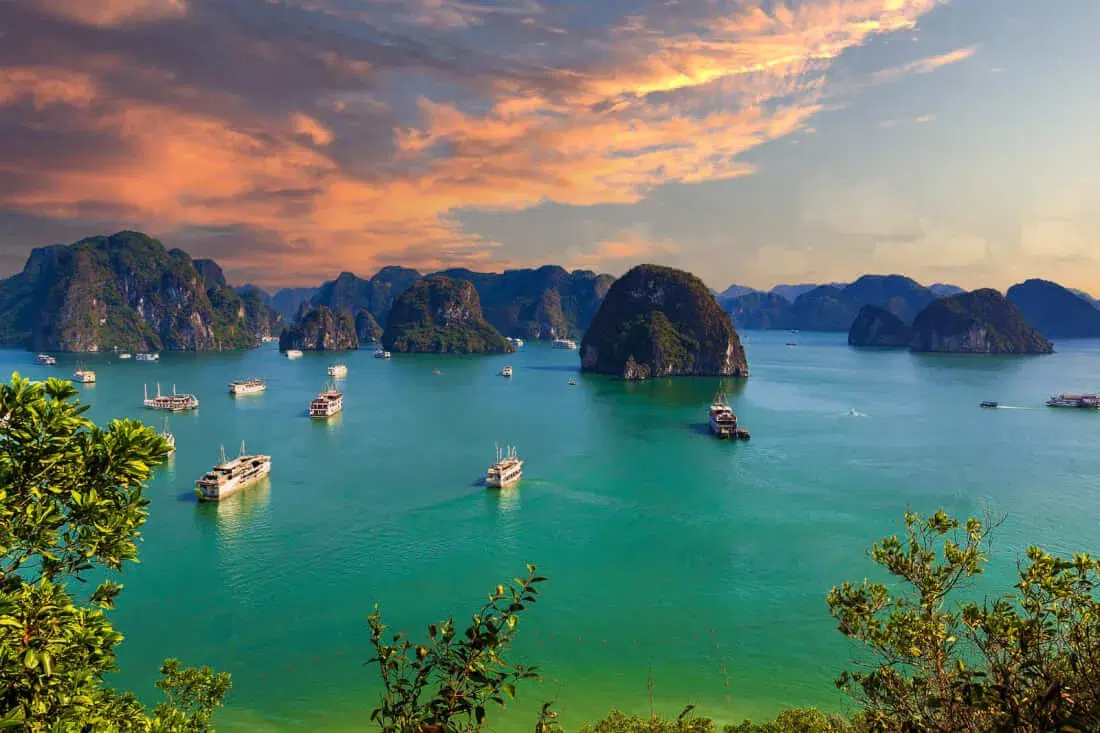
Curated starting points
Find a Vietnam journey that feels like yours.
Begin with a thoughtfully paced itinerary, then change the stays, experiences, route, and budget with a Tripstor specialist.
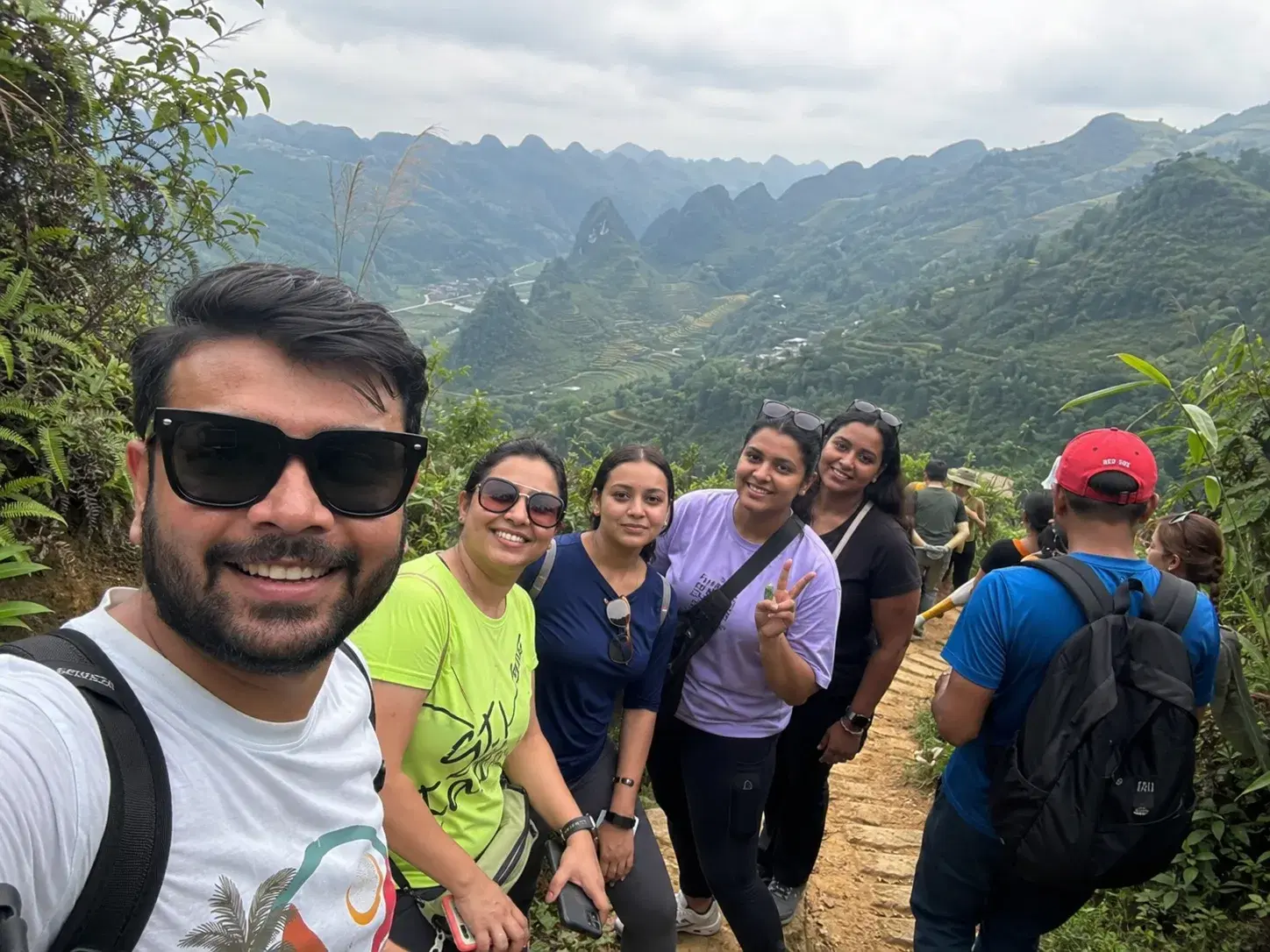
Vietnam · Flexible itinerary
6D/5N Vietnam Adventure Package
Starting from
₹53,000/ person
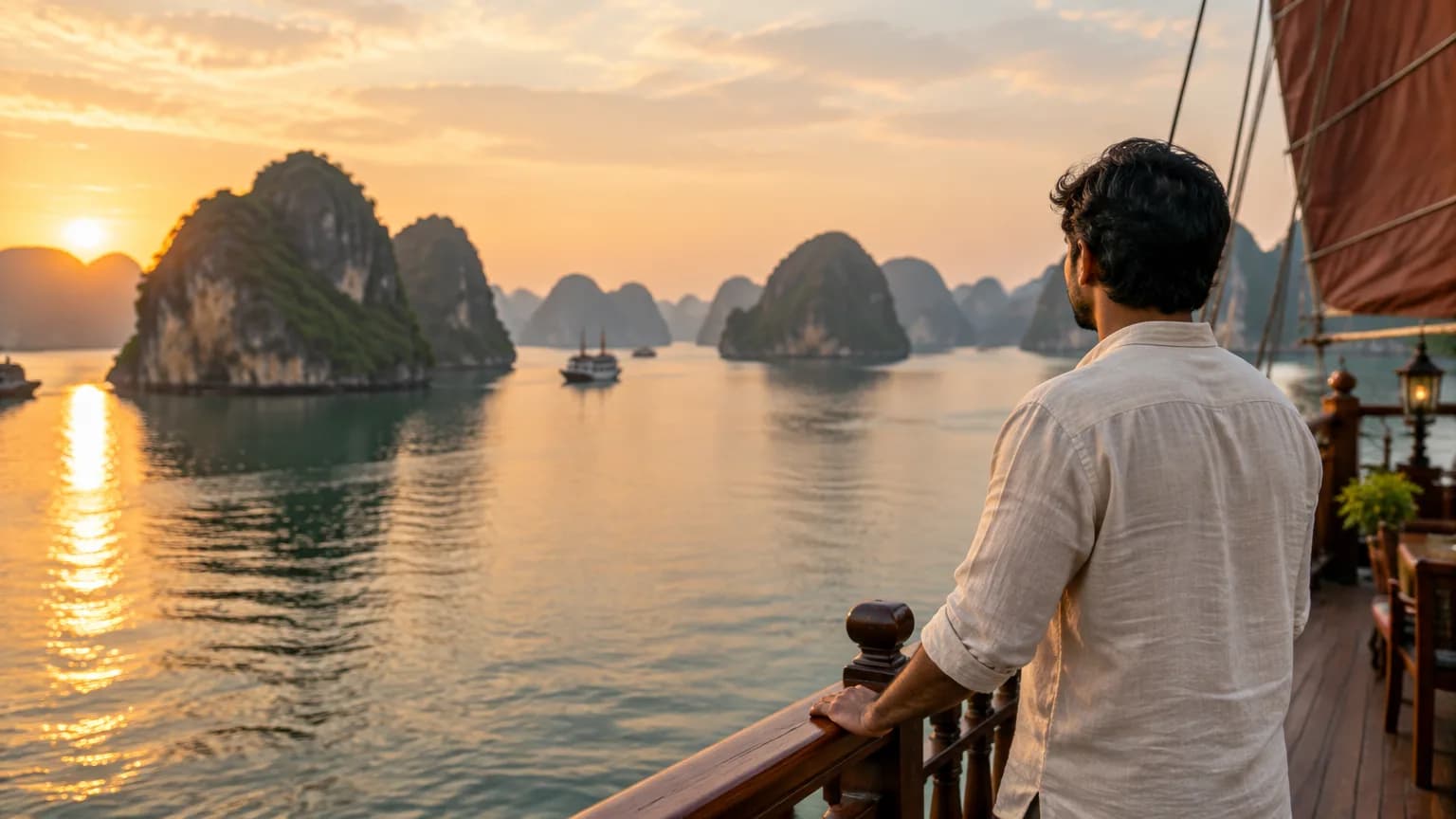
Vietnam · Flexible itinerary
5N/6D Vietnam Luxury Solo Package
Starting from
₹48,000/ person
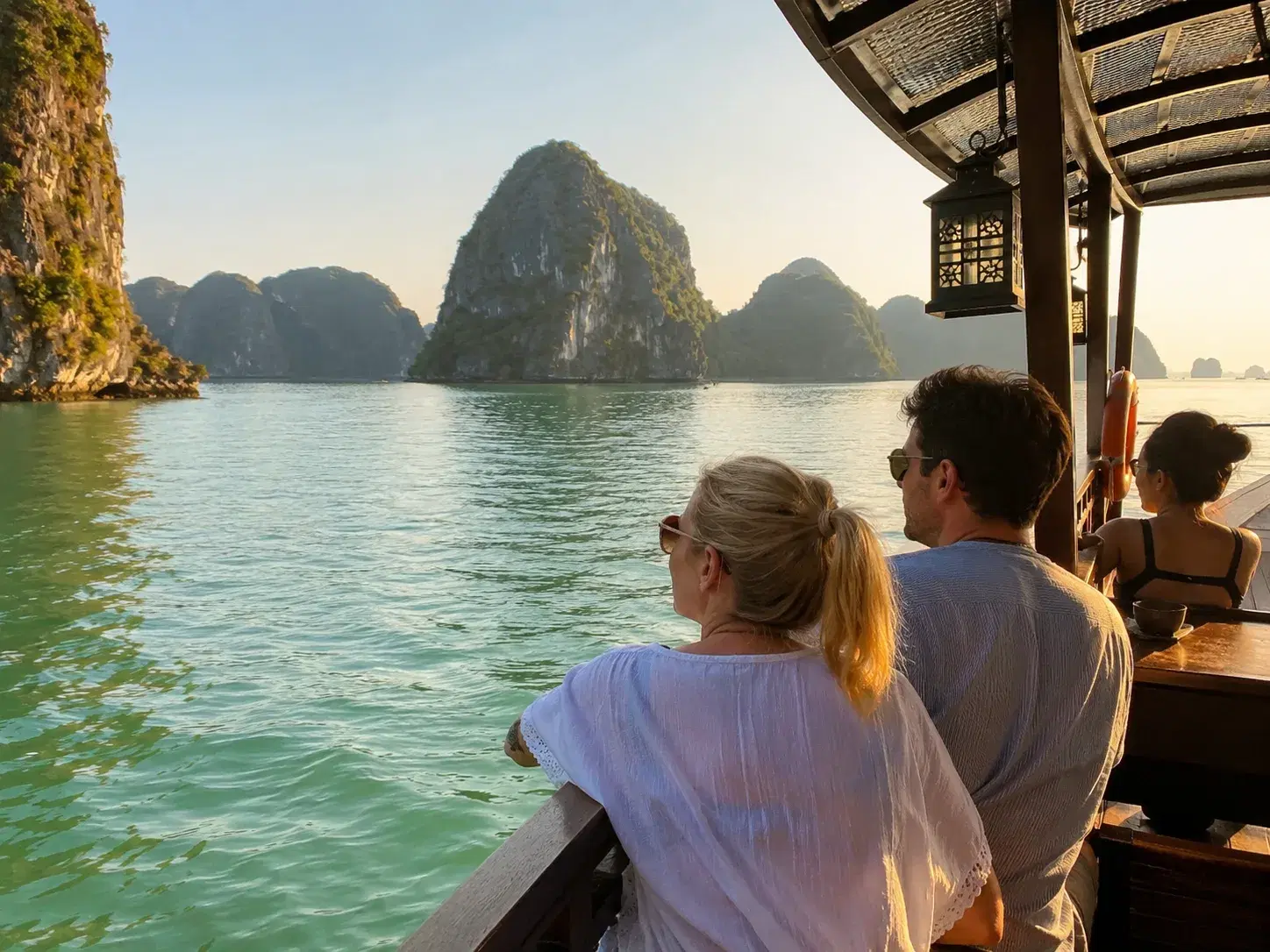
Vietnam · Flexible itinerary
5N/6D Vietnam Honeymoon Package
Starting from
₹48,000/ person

Vietnam · Flexible itinerary
6N/7D Vietnam Honeymoon Package for Couples
Starting from
₹68,000/ person
Vietnam · Flexible itinerary
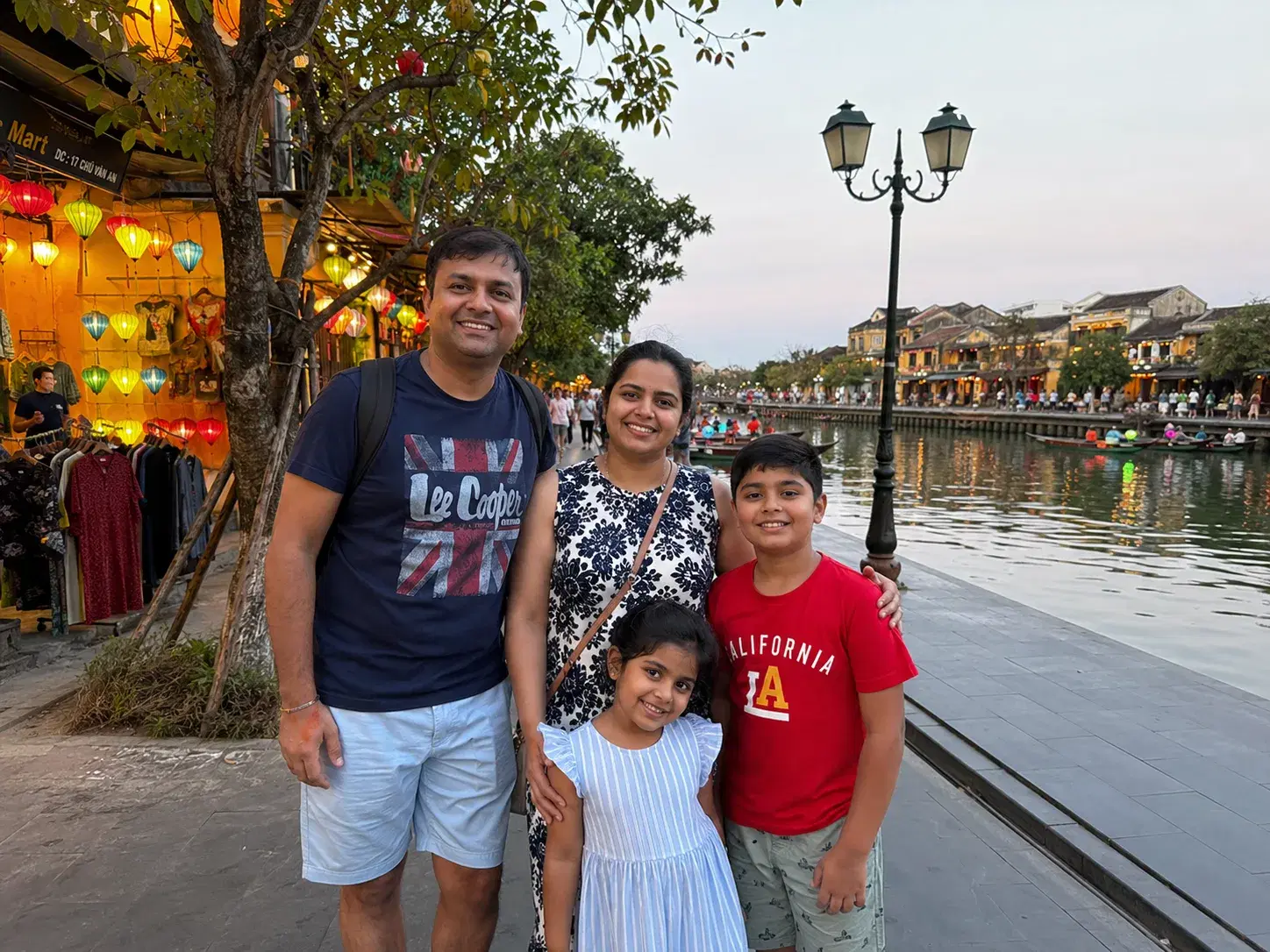
6N/7D Vietnam Family Package
Starting from
₹56,000/ person
Depart from India
Your Vietnam journey starts closer to home.
Explore thoughtfully planned routes with flights, stays, and experiences shaped around your departure city.
Destination guide
Know Vietnam before you go.
Practical context, local highlights, and honest planning advice — written for travellers from India.
Field notes
A considered guide to Vietnam
Vietnam at a Glance
Vietnam stretches along the eastern edge of mainland Southeast Asia, from the northern highlands down to the Mekong Delta in the south. A standard trip runs 5–7 nights; plan 7–8 nights if you want to cover Hanoi, central Vietnam and Ho Chi Minh City in one go. The three main gateways are Noi Bai International Airport in Hanoi, Da Nang International Airport and Tan Son Nhat International Airport in Ho Chi Minh City.
| Region | Gateway Airport | Best Season | Ideal Trip Length |
|---|---|---|---|
| Northern Vietnam | Noi Bai (HAN), Hanoi | November–April | 2–3 nights |
| Central Vietnam | Da Nang (DAD) | February–August | 2–3 nights |
| Southern Vietnam | Tan Son Nhat (SGN), Ho Chi Minh City | December–April | 2–3 nights |
Why Travellers Choose Vietnam
Three things consistently bring Indian travellers to this destination: the variety packed into a single country, the ease of getting around cities, and the range of experiences that fit a short trip.
- Landscape variety in one route: The terrain shifts from the northern highlands and Hanoi's urban lanes to the heritage coastline of Hoi An and the flat waterways of the Mekong Delta. A single 7-night trip can cover all three without long overland drives, because domestic flights connect the regions in under two hours.
- Practical city travel: Ride apps Grab and Xanh SM operate in Hanoi, Da Nang and Ho Chi Minh City, showing a fixed fare before you confirm. City buses run for 5,000–15,000 VND per trip (as of July 2026), and metro lines are available in Hanoi and Ho Chi Minh City. You do not need a private car and driver for every day.
- Cultural depth that does not need much planning: Hoi An's ancient town, Hanoi's Old Quarter and the community-based tourism areas in Gia Lai with Bahnar and Jrai groups are all accessible without specialist guides or permits. Vegetarian travellers can eat well at chay restaurants, which specialise in Vietnamese vegetarian cuisine.
Top Places and Areas in Vietnam
The areas below cover the main reasons Indian travellers book this destination. Match them to your interests, then build the route around the ones that matter most.
- Hanoi Old Quarter: The most walkable part of the capital, with street food, narrow lanes and evening activity. A good first stop for adjusting to the time zone before moving south.
- Hanoi French Quarter: Quieter and more formal than the Old Quarter. Suits travellers who prefer a calmer base and still want easy access to the city's main sights.
- Da Nang: A beach and city-dining base with Hoi An within easy reach. Works well for couples and families who want both coast and heritage on the same trip.
- Hoi An: The ancient town is known for its lantern-lit river, tailor shops and nearby beaches. The monthly lantern festival follows the lunar calendar. Allow at least a day for tailor fittings if you plan to have clothing made.
- Hue: Imperial-era architecture and the scenic coastal train leg to Da Nang. Worth one night if you are travelling between the north and centre by rail on the Reunification Express.
- Ho Chi Minh City: The southern base for city sightseeing, the Cu Chi Tunnels and Mekong Delta day trips. Most first-timers spend two nights here at the end of a north-to-south route.
- Phong Nha-Ke Bang National Park: Trekking, kayaking and cycling in a UNESCO-listed park. The dry visiting window runs March to August. Plan at least two nights rather than a day trip.
- Cat Ba National Park: Island-karst hiking, best visited October to April. Allow a spare day for weather, and factor in the boat transfer from the mainland.
- Phu Quoc: A southern island reached by ferry or speedboat. Rough seas from July to September can disrupt boat schedules, so the November-to-April window is more reliable for beach visits.
- Gia Lai: Community-based tourism with Bahnar and Jrai ethnic groups, trekking through primary forests and slower travel. Suits travellers who want a less built-up area away from the main tourist circuit.
Best Time to Go to Vietnam
February to April is the most reliable window for a first trip, when the north is cool and dry and central Vietnam is generally drier and warmer. Here is how the seasons break down by region.
- Best months (February–April): Northern Vietnam is cool, with Hanoi temperatures around 17–28°C. Central Vietnam is in its dry season. Southern Vietnam is warm and dry. Crowds are moderate to high in April, and prices peak around the Hue Festival in April.
- Shoulder months (November–January and May–June): November and December are quieter in the north and south, with mid-range prices. May and June are drier in the centre but getting hot. Tet (Lunar New Year, falling in January or February) can cause transport disruption and business closures across the country.
- Months to avoid for central Vietnam (September–November): Hue and Hoi An receive very heavy rain in this period — October rainfall in Hue reaches around 600 mm and in Hoi An around 655 mm. Typhoons affect central Vietnam mainly from September through January, and Hoi An's old town floods most years from mid-September to mid-November.
- Northern storms (July–September): Northern Vietnam is hot and humid, with storms common from July through September. Phu Quoc also sees rough seas during this period.
How to Reach Vietnam from India
Indian travellers fly into Hanoi, Da Nang or Ho Chi Minh City, typically with a connection through Singapore or another Asian hub. Flight times from major Indian cities range roughly as follows (as of October 2026): from Delhi, around 8–9.25 hours depending on the gateway; from Mumbai, around 7.75–9 hours; from Bengaluru and Chennai, around 6.8–8.5 hours; from Kolkata, around 6.6–7.8 hours; from Kochi, around 7–8.5 hours. These are total journey times including connection and vary by gateway city.
From the airport, a ride-app car through Grab or a pre-arranged pickup is the standard transfer to your city base. For travel between regions inside Vietnam, domestic flights are the fastest option. The Reunification Express train covers the Hue-to-Da Nang coastal leg and overnight routes from Hanoi to central Vietnam. Sleeper buses connect routes such as Hanoi–Sapa and Hue–Hoi An, with fares from around USD 8–20 (as of July 2026); confirm current prices at booking.
Check current entry requirements, including any visa or e-visa rules, on the official government source before you book. Do not rely on older trip reports, as rules can change.
Where to Base Yourself in Vietnam
Base in one area per region rather than moving every night. Each area suits a different travel style and budget tier.
- Hanoi Old Quarter: Best for budget travellers who want street food and evening activity on foot. Guesthouses and compact city hotels are the norm here.
- Hanoi French Quarter: Quieter and more formal. Mid-range and upper-mid city hotels with breakfast are common. Good if you prefer a calmer start before heading south.
- Da Nang: Beach and city-dining base with Hoi An close by. Mid-range beach hotels and larger resort-style properties are both available. Works for couples and families across budget tiers.
- Hoi An: Ancient town stays range from simple guesthouses near the old town to river-view boutique properties. Best for couples and travellers who want slower evenings. Confirm proximity to the ancient town at booking.
- Ho Chi Minh City: City hotels across all tiers. Budget options are concentrated in the backpacker district; mid-range and upper options are spread across the central districts. The practical base for Cu Chi Tunnels and Mekong Delta day trips.
A Route Worth Following
A sensible first route uses three bases — Hanoi, Da Nang or Hoi An, and Ho Chi Minh City — moving north to south so you finish near the main southern international gateway.
- Hanoi – 2 nights: Start in the north to settle in, cover the Old Quarter and take a day trip if time allows. Flying in here first also gives you the option of adding Sapa or Ha Long Bay on a longer trip.
- Da Nang or Hoi An – 2 to 3 nights: Fly down for the heritage town, beaches and, if you want it, the scenic coastal train leg from Hue. Hoi An needs at least two nights to feel unhurried.
- Ho Chi Minh City – 2 nights: Finish in the south for city sightseeing, the Cu Chi Tunnels and the Mekong Delta. The international airport here makes it a logical exit point.
This order works because each leg shortens on travel time as you move south, and you avoid backtracking. On a 7–8 night trip, add a night in Hue between Hanoi and Da Nang, or a beach stop at Phu Quoc at the end.
Is Vietnam Right for You?
This destination suits first-timers who want city, coast and culture in one trip, and travellers comfortable with two or three short internal flights. It is not the right choice for someone who wants a single resort stay with no moving around.
- Families: Da Nang and Ho Chi Minh City work well — hotels, food and ride apps are easy to manage, and there are beach and cycling activities for children. Traditional village visits and craft experiences are also part of family-focused itineraries.
- Couples: Hoi An and the central coast are the most popular choice, with lantern evenings, tailor sessions and beach mornings. The scenic Hue-to-Da Nang train leg is a practical add-on.
- Elders: A three-base route is manageable if transfers are kept short and the wettest central months are avoided. Ba Vi National Park near Hanoi is described as an easy nature trip, and the Reunification Express offers a scenic, low-effort way to cover the coastal stretch.
- Solo travellers: Ride apps, city buses and sleeper buses make independent travel straightforward. The Hanoi Old Quarter and Ho Chi Minh City have active street scenes and easy food access.
- Adventure and wildlife travellers: Phong Nha-Ke Bang for trekking and kayaking, Hoang Lien for high-altitude trekking (1–3 days, hard), and Yok Don National Park for ethical elephant experiences from November to April. These add days to a standard itinerary, so plan accordingly.
Ways to Travel to Vietnam
Two trip styles cover most bookings for this destination, and the right one depends on what you want to spend your time doing.
- Cultural and Heritage: Suits travellers who want temples, imperial sites, old towns and museums as the main thread, with coast and food as add-ons. Hue, Hoi An and Hanoi's Old Quarter are the natural anchors for this style.
- : Suits slower travellers who want markets, craft villages, community-based tourism with local groups and longer stays in fewer places. Gia Lai, Hoi An's tailor district and the Mekong Delta fit this approach.
Land-only options start from Rs.48,000 per person on twin sharing for entry-level packages; confirm what is included at booking, as airfare, meals and internal transfers vary by package. To see this turned into a complete trip, have a look at the Vietnam holiday packages.
Practical Tips for Travelling to Vietnam
- What to carry: Pack a light rain shell for central Vietnam, a warm layer for Hanoi from December to February, and a universal adapter for type A and C sockets (type D also occurs occasionally).
- Local etiquette: Dress modestly at religious sites, remove shoes where indicated, and ask before photographing people. At chay (vegetarian) restaurants, the menu is usually displayed clearly — useful for vegetarian travellers.
- Safety at the beach: Check local red-flag warnings before entering the sea. Rip currents are documented at My Khe beach in Da Nang, and jellyfish are common on some central beaches from June through September. Typhoons, rough seas and beach erosion affect parts of the coast from October through December.
- Money and phone: Carry some cash for markets and small vendors. Ride apps show a fixed fare before you confirm, which helps avoid taxi meter issues. Set up a local data SIM or international roaming before you land; confirm current costs with your provider.
- Entry rules: Check current visa and entry requirements on the official government source well before departure. Passport validity requirements can differ from what older travel posts state, so confirm directly.
Personalise your trip
Shape Vietnam around the way you travel.
Choose a travel style as your starting point. We'll refine the pace, stays, experiences, and budget until the journey feels entirely yours.
Not sure which fits? Use our trip builder — it takes under two minutes.
Got questions?
The questions travellers ask about Vietnam.
Straight answers on visas, pricing, best time to visit, and how our packages work for Indian travellers.
8 answered below
Social proof
What Tripstor travellers say
Feedback from Indian holidaymakers who travelled with Tripstor.
4.8
from 432+ reviews
FamilyBooked a family package for 7 nights covering Port Blair, Havelock, and Neil. The Cellular Jail light and sound show on Day 1 set a good tone for the trip. Kids were engaged throughout and the itinerary was not too rushed.
FamilyTravelled with my parents who are in their late 50s. Tripstor recommended two full acclimatization days in Leh before any high-altitude drives and that made a real difference. Tso Moriri was quieter than Pangong and honestly more worth the drive.
CoupleNorway is expensive but the experience is worth planning for. We did the Flam Railway and the Sognefjord on Day 5. Tripstor gave us a realistic budget breakdown before we booked, which I appreciated. No surprises on the ground.
Travel guides
Read deeper into Vietnam.
Useful local context, seasonal advice, and practical planning notes for a more considered journey.
- Destination Comparison
Thailand vs Vietnam vs Malaysia: Best Southeast Asia for Indians?
Choosing between Thailand, Vietnam & Malaysia? We compare visa, cost, beaches & experiences for Indians.
Read guide - Monthly Guides
Vietnam in March: Weather, Things to Do & Travel Tips
Is March a good time to visit Vietnam? Weather, top activities, crowd levels & cost tips for Indian travellers.
Read guide - Travel Planning
Vietnam Packing List for Indians: What to Pack & Carry
Don't miss a thing for your Vietnam trip! India-specific packing checklist: clothes, adapters, meds & apps.
Read guide - Travel Planning
Getting Around Vietnam: Transport Guide for Indian Tourists
How to travel around Vietnam like a local. Taxis, trains, ferries & ride-hailing apps for Indian tourists.
Read guide