
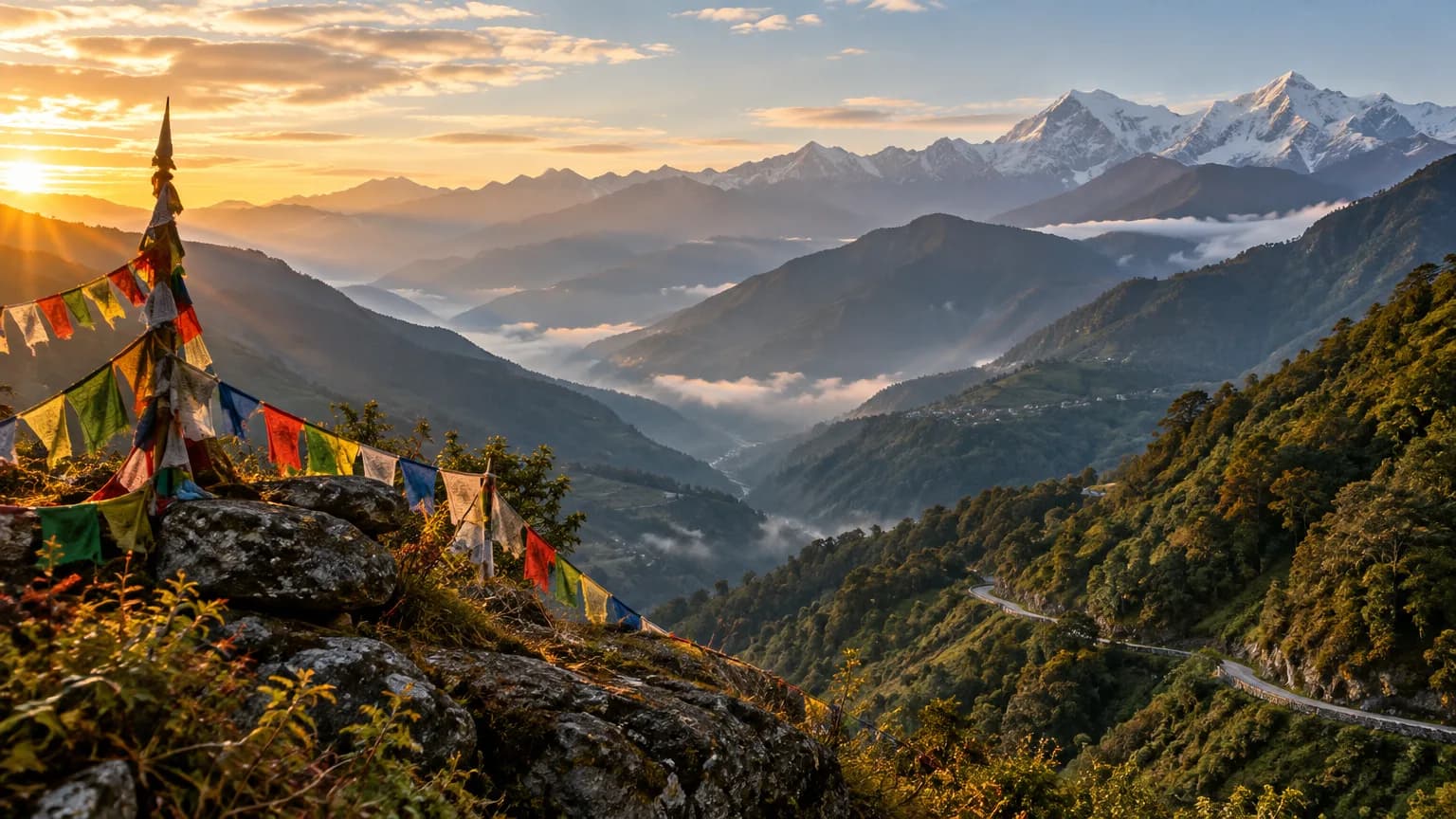
Curated starting points
Find a Sikkim journey that feels like yours.
Begin with a thoughtfully paced itinerary, then change the stays, experiences, route, and budget with a Tripstor specialist.
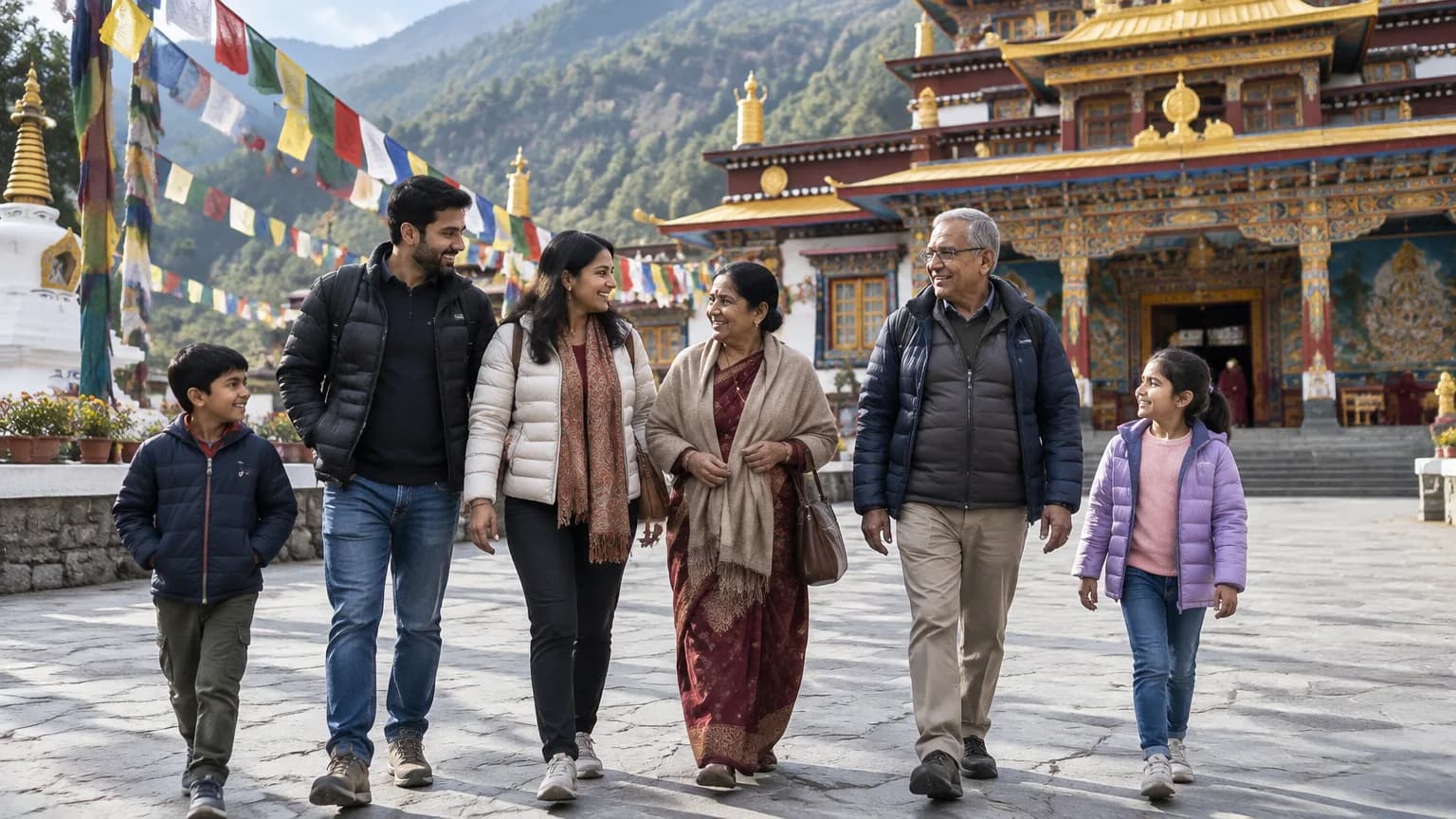
Sikkim · Flexible itinerary
Sikkim Rumtek & Namchi Family Holiday 6N 7D
Starting from
₹25,000/ person
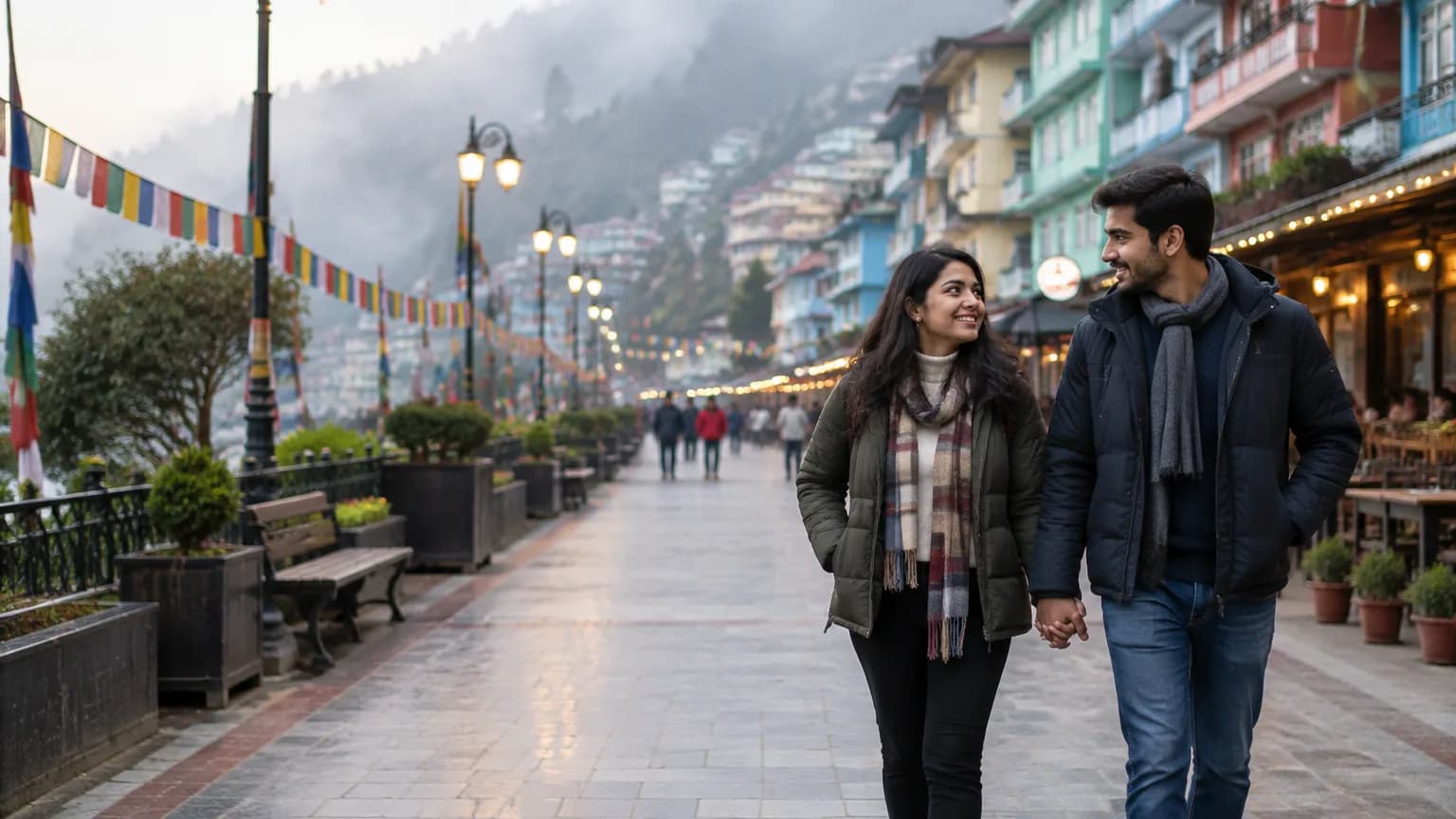
Sikkim · Flexible itinerary
Sikkim Gangtok & Tsomgo Honeymoon 5N 6D
Starting from
₹24,000/ person
Destination guide
Know Sikkim before you go.
Practical context, local highlights, and honest planning advice — written for travellers from India.
Field notes
A considered guide to Sikkim
Altitude, Access and Season at a Glance
Sikkim is a small Himalayan state in India's northeast, with Gangtok as its main tourism centre. The state covers four distinct areas — East, North, West and South — each offering a different mix of valleys, lakes, passes and monasteries. Altitude ranges from low river valleys near Rangpo to mid-elevation towns like Gangtok and Pelling, rising to high passes well above the tree line in North Sikkim.
Spring (March–May) and autumn (October–November) are the most comfortable windows for mountain visibility and road access. Winter (December–February) brings cold and possible snow at higher elevations. The wet period runs from May to early October, with July usually the wettest month. A 4–6 night trip gives enough time for one or two bases, a rest day for acclimatisation and the road journey in and out without feeling rushed.
The gateway for most travellers is Bagdogra Airport (IXB) or New Jalpaiguri railway station, both in West Bengal. Pakyong Airport (PYG), about 30 km from Gangtok, is a smaller alternative. Sikkim has no working railway, so the last stretch is always by road.
Valleys, Viewpoints and Places Worth the Climb
Sikkim's best-known places sit across four areas; grouping sightseeing by area keeps road time manageable and avoids backtracking on mountain roads.
East Sikkim
- Gangtok – the state capital and the most practical base for regional day trips, with markets, viewpoints and monasteries close by.
- Tsomgo Lake – a high-altitude lake with eating stalls and rides on decorated yaks and mules; the drive up is part of the experience.
- Nathula Pass – a high pass on the same East Sikkim route, subject to permits and weather. Confirm access before building a day around it.
North Sikkim
- Yumthang Valley – an alpine valley best reached from Lachung, known for its open landscape and rhododendron cover in spring.
- Gurudongmar Lake – a very high lake that demands careful acclimatisation; only suitable for fit travellers who have already spent a night at lower altitude.
- Phodong Monastery – one of Sikkim's listed monasteries, on the North Sikkim road circuit between Gangtok and Lachung.
West and South Sikkim
- Pelling – a mountain town with access to Khangchendzonga National Park and trekking routes including Goechala and Dzongri. Three passenger ropeways at Bhaleydhunga, Yangang and Pelling were operationalised in 2026, adding a new way to cover some of the terrain.
- Yuksom – a heritage town that serves as the entry point to the Khangchendzonga Biosphere Reserve and the base for the Dzongri trek.
- Dubdi Monastery – reached by a forested hill ascent of about half an hour from Yuksom; one of Sikkim's oldest monasteries.
- Barsey Rhododendron Sanctuary – a western Sikkim sanctuary associated with rhododendron forests, flowers and birds, with a trekking route through Hilley and Barsey.
Khangchendzonga National Park, covering 1,784 square kilometres, shelters red panda, snow leopard, Himalayan black bear and musk deer. Trekking routes within it require permits arranged through the designated tourism process or a registered travel agency.
Snow, Monsoon and Clear-Sky Months
Each season in Sikkim changes not just the weather but what is actually reachable. The table below gives a practical summary.
| Season | Months | Conditions | Best for |
|---|---|---|---|
| Winter | December–February | Cold; snow at higher elevations; low rainfall; some high routes may close | Travellers wanting snow scenes; festivals like Losar (February) and Losoong (December) |
| Spring | March–May | Mild; clearer skies; flowering landscapes; high visitor demand and peak prices | Families, couples, first-timers; Barsey rhododendron season |
| Monsoon | June–September | Heavy rain; mist; slower road travel; landslide risk; July is wettest | Budget travellers who accept weather risk and flexible plans |
| Autumn | October–November | Cool; clearer skies; best mountain visibility of the year | Trekking, photography, general sightseeing |
Heavy rain and landslides can affect travel from mid-June through September, particularly on North Sikkim routes. Snowfall can close high passes in winter with little notice. For clear mountain views, October and November are the most reliable months. For snow, plan December to February but keep buffer days. Spring brings mild weather and flowering landscapes but also the highest crowds and prices.
Roads, Rail and Altitude: Reaching Sikkim
Bagdogra Airport (IXB) is the main air entry point for Gangtok, roughly 124 km away and about 4–5 hours by road. Pakyong Airport (PYG) is closer at about 30 km from Gangtok but has fewer flight options; confirm availability at booking. Sikkim has no working railway, so every visitor completes the final leg by road.
From Delhi, the usual route is a train to New Jalpaiguri — about 24 hours — followed by road travel to Gangtok. From Kolkata, an overnight train to New Jalpaiguri takes about 11 hours, then the same road transfer. New Jalpaiguri to Gangtok is about 125 km. A helicopter service connects Bagdogra and Gangtok in roughly 20 minutes, subject to weather and seat availability.
The road from Bagdogra or New Jalpaiguri to Gangtok runs along National Highway 31A through Rangpo and Singtam. This stretch is the most likely part of any trip to be delayed — landslides, heavy rain or snowfall can add hours. Keeping a buffer day at the start or end of the trip protects your onward connection. As of October 2026, a diversion on the North Sikkim route reduced travel time towards Chungthang by about 1.5 hours; online permits are required for that section.
On altitude: ascend gradually, avoid alcohol in the first day or two at elevation, drink water steadily and rest if you feel unwell. If symptoms worsen — persistent headache, nausea, confusion — descend and seek medical advice. This applies to all ages.
Base Towns and Where to Stay
Choosing the right base matters more in Sikkim than in most hill destinations because road time between areas is significant. Gangtok suits first-timers and families best, with the widest range of stay options and the easiest access to East Sikkim day trips.
- Gangtok – best for couples and families; budget guesthouses, mid-range lodges and full-service resorts are all available; closest to Tsomgo Lake and Nathula Pass.
- Pelling – a western base connected by road with Gangtok and Ravangla; good for couples and families wanting mountain views and access to Khangchendzonga National Park; stay options range from homestays to resorts.
- Ravangla – a southern hill town near Buddha Park; suits couples, families and budget travellers; lodges and homestays available at lower price points.
- Lachung – a northern base for Yumthang Valley; best for couples and families who accept longer drives and simpler accommodation; useful only if North Sikkim is part of the plan.
In winter, confirm room heating and hot water before booking. Hotel quality varies, so check the meal plan and category at the time of booking rather than assuming.
Pacing the Route
A sensible first trip uses two or three bases over 4–6 nights, with at least one rest day built in for acclimatisation rather than back-to-back sightseeing. A common outline is two to three nights in Gangtok for East Sikkim, followed by one to two nights in Pelling or Ravangla for the west and south, with a final night near Gangtok or Bagdogra before departure.
Adding North Sikkim — Lachung and Yumthang Valley — needs at least two more nights and a flexible plan, since road conditions can change the sequence at short notice. Budget one full day purely for the drive in or out; trying to combine a long road transfer with sightseeing on the same day is the most common mistake on this route. Travellers heading to Gurudongmar Lake should spend a night at a lower altitude first before moving up. During monsoon, expect to drop a high pass from the plan and substitute a lower valley or monastery visit instead.
Who Sikkim Suits, and Who Should Think Twice
Sikkim works well for families with older children, couples, adventure seekers and first-time hill travellers drawn to monasteries, lakes and mountain drives. The main limits are road length, cold and altitude.
Families with very young children or elders with heart or lung conditions should stick to lower-altitude bases like Gangtok and Ravangla and skip high passes and lakes. Adventure travellers will find treks such as Dzongri–Goecha La and the Barsey route genuinely demanding; both require permits arranged through the designated tourism process or a registered travel agency. Travellers who need reliable medical access or cannot manage long, winding drives may find a lower, better-connected hill station more practical. North Sikkim routes in particular can be disrupted by weather, and access is not always guaranteed.
Ways to Travel: Trip Styles for Sikkim
The right trip style depends on who is travelling, how much time is available and how much altitude is comfortable. Tripstor offers the following styles for this destination.
- Best of Sikkim – covers Gangtok, Tsomgo Lake and a second base; suited to first-timers wanting a complete overview.
- Family – slower drives, lower-altitude stays and activities that work for mixed-age groups.
- Honeymoon – quieter bases with mountain views, such as Pelling, with more time at each stop.
- Adventure and Trekking & Camping – for fit travellers heading to Dzongri, Goechala or the Barsey route; permit logistics handled.
- Cultural & Heritage and Pilgrimage & Spiritual – monastery circuits covering Pemayangtse, Tashiding, Phodong and Dubdi.
- Budget and Short Getaway – compact Gangtok-led trips of three to four nights for travellers with limited time or a tighter budget.
- Offbeat Explorer and Summer – village stays and homestays away from the main circuits, including rural Sikkim experiences listed by the state tourism department.
Packages start from Rs.24,999 per person on a land-only, twin-sharing basis; the final figure varies by season, number of nights and accommodation category. Confirm the current price at booking.
Cold, Health and Gear: Five Things to Get Right
Packing well and pacing the altitude make more difference to a Sikkim trip than any itinerary change. These five points cover the most common gaps.
- Layer, don't bulk – a thermal base, a fleece mid-layer and a windproof, waterproof outer shell handle Gangtok's evenings and high-pass cold better than one heavy jacket. Add gloves and a warm cap for passes.
- Acclimatise before going higher – spend at least one night at a mid-elevation base like Gangtok before moving to high lakes or passes. Avoid alcohol for the first day or two at altitude, drink water regularly and rest if you feel unwell.
- Carry medicines – pack cold, fever, stomach and motion-sickness supplies, plus any prescription medicines in original packaging. Medical facilities are limited outside Gangtok.
- Start road journeys early – morning departures reduce exposure to afternoon rain, landslides and fog, which are most common later in the day on mountain roads.
- Plan for patchy signal and limited ATMs – mobile coverage drops on hill stretches and in North Sikkim; card machines can be unreliable in smaller towns. Carry enough cash for two to three days and download offline maps before leaving Gangtok.
To see this turned into a complete trip, have a look at the Sikkim holiday packages.
Personalise your trip
Shape Sikkim around the way you travel.
Choose a travel style as your starting point. We'll refine the pace, stays, experiences, and budget until the journey feels entirely yours.
Got questions?
The questions travellers ask about Sikkim.
Straight answers on visas, pricing, best time to visit, and how our packages work for Indian travellers.
8 answered below
Social proof
What Tripstor travellers say
Feedback from Indian holidaymakers who travelled with Tripstor.
4.8
from 432+ reviews
HoneymoonHoneymooned in Kashmir for 7 nights in May. Gulmarg had light snow still and we got a gondola ride on Day 4. The tulip garden in Srinagar was in full bloom. Tripstor arranged a candlelit dinner on the houseboat which was a nice touch.