Curated starting points
Find a Kashmir journey that feels like yours.
Begin with a thoughtfully paced itinerary, then change the stays, experiences, route, and budget with a Tripstor specialist.
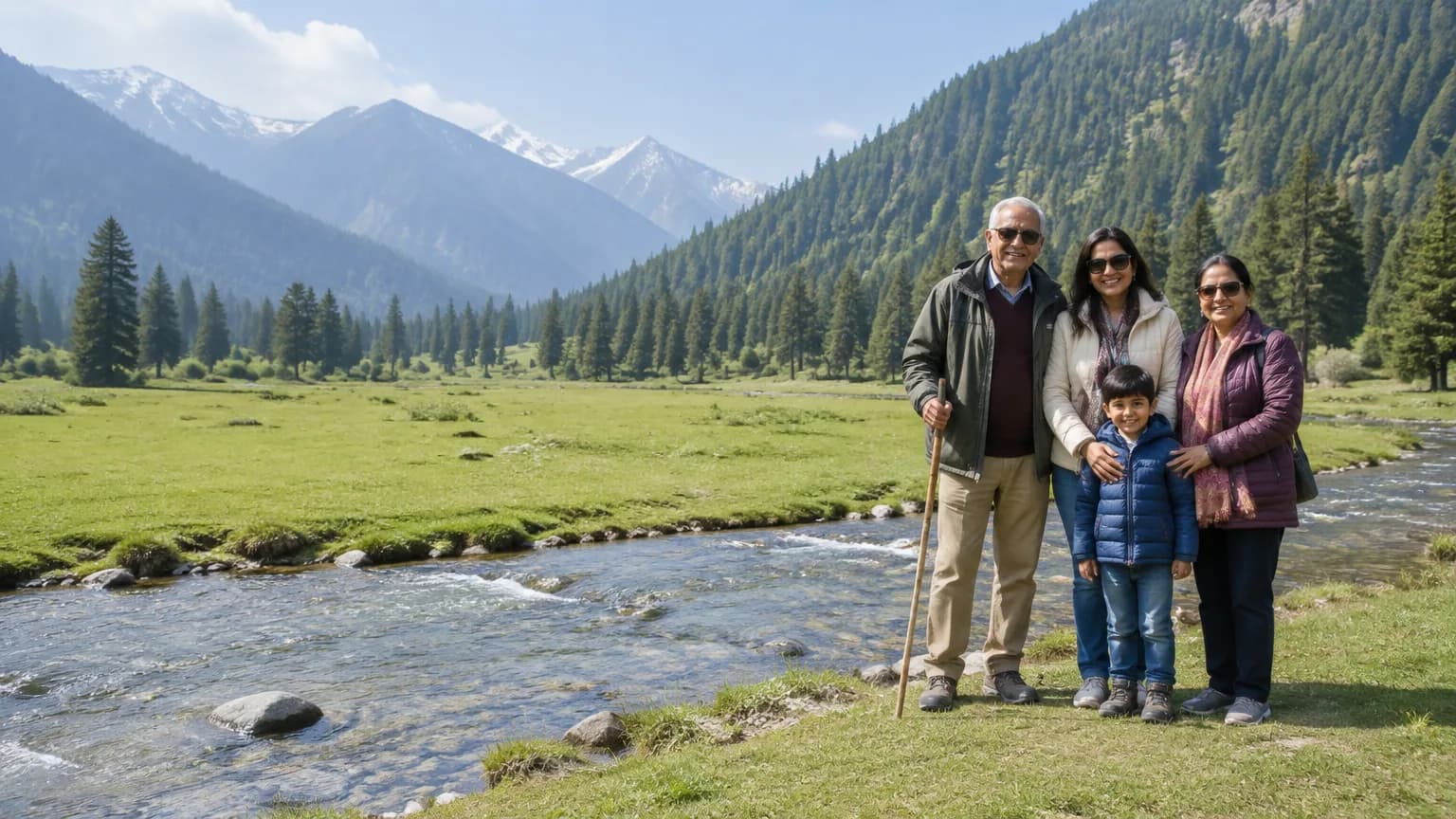
Kashmir · Flexible itinerary
Kashmir Pahalgam & Betaab Family Holiday 6N 7D
Starting from
₹30,000/ person
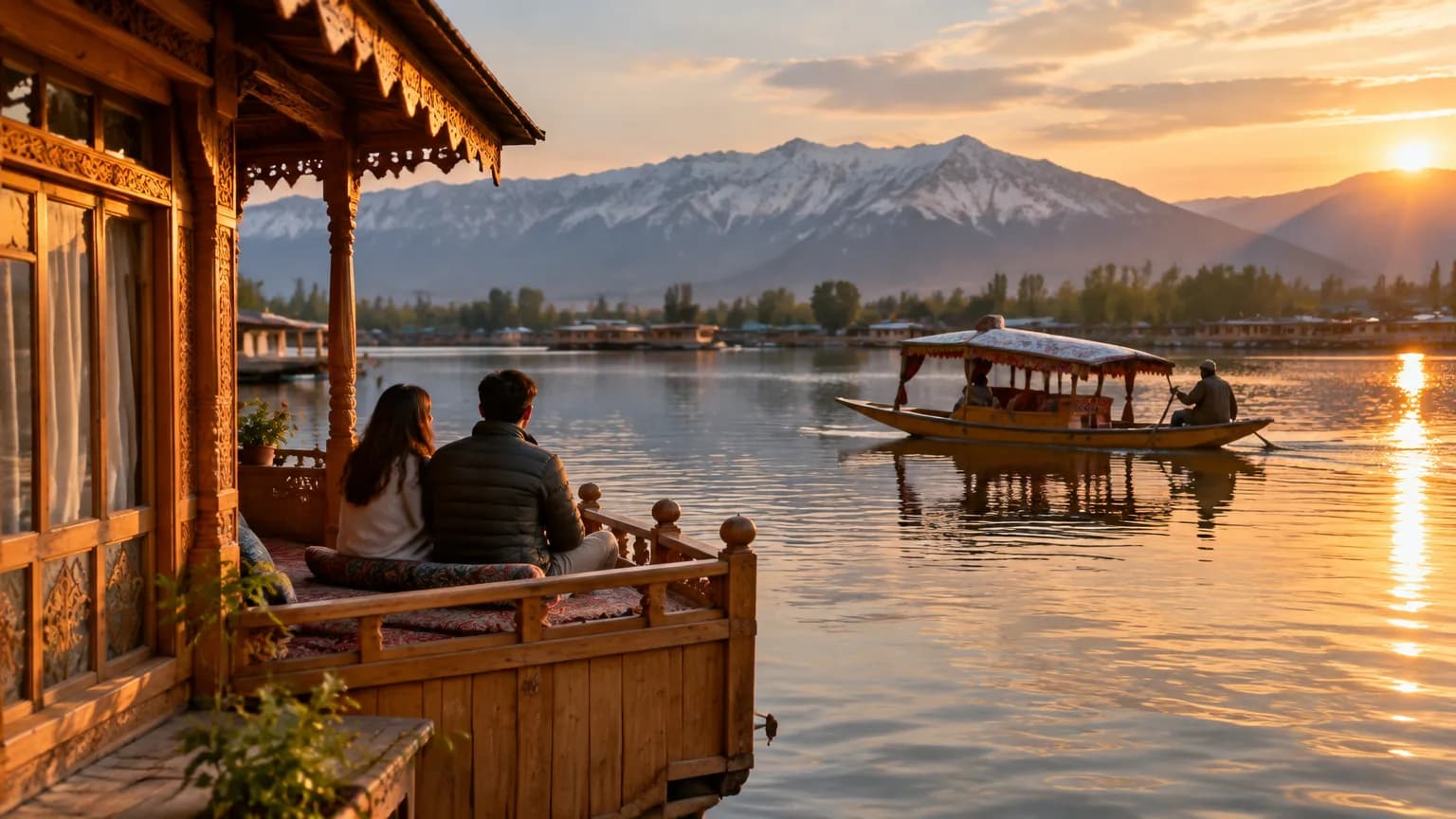
Kashmir · Flexible itinerary
Kashmir Dal Lake Houseboat Honeymoon 5N 6D
Starting from
₹29,000/ person
Destination guide
Know Kashmir before you go.
Practical context, local highlights, and honest planning advice — written for travellers from India.
Field notes
A considered guide to Kashmir
Altitude, Access and Season at a Glance
Kashmir sits in the western Himalayas, with the Kashmir Valley as its core and Srinagar as the main arrival point. Most itineraries move between four areas: Srinagar for the lake and gardens, Gulmarg for the gondola and meadows, Pahalgam for valley sightseeing, and Sonamarg for glacier excursions.
In plain terms, Srinagar is low altitude, Gulmarg and Pahalgam are mid-level, and Sonamarg along with the upper gondola sections sit high enough that cold and thinner air are noticeable. A six-night trip gives enough time for two or three bases without rushing the road transfers between them.
The gateway is Srinagar, reachable by air from Delhi, Mumbai, Bengaluru and Hyderabad, or by rail to Jammu Tawi followed by road. Spring and autumn are the most comfortable seasons. Summer is warm and green but crowded, and winter brings snow and skiing at Gulmarg.
Valleys, Viewpoints and Places Worth the Climb
Kashmir's main attractions are spread across four distinct areas, each worth a separate overnight rather than a long day trip. The places below are grouped by base town so you can see how they fit a route.
Srinagar
- Dal Lake: The centre of most Srinagar days. Shikara rides, houseboat stays and floating lake markets all happen here. It is also the easiest place to slow down after arrival.
- Nishat Bagh and Shalimar Bagh: Two Mughal gardens on the Srinagar garden circuit. Both are gentle walks and work well for elders and children.
- Indira Gandhi Memorial Tulip Garden: Worth planning around April, when the spring bloom and the Tulip Festival draw visitors from across the country.
- Hazratbal Shrine: A shrine on the shores of Dal Lake, visited as part of Srinagar sightseeing and significant for its religious importance.
Gulmarg
- Gulmarg Gondola: A cable car that climbs towards Apharwat Peak. It is the main reason most travellers put Gulmarg on the route, and the views from the upper section are wide and clear on a good day.
- Apharwat Peak: Reached by gondola, with winter sports and trekking in season. Wind and cold here are noticeably stronger than in the valley below.
- Gulmarg Golf Course: A meadow-side course that doubles as a pleasant walk when the snow has cleared.
Pahalgam
- Betaab Valley: A valley stop on Pahalgam sightseeing trips, usually paired with Aru Valley on the same day.
- Aru Valley: A quieter area used as a trekking base and a calmer alternative to the main Pahalgam strip.
Sonamarg
- Thajiwas Glacier: A moderate 6 to 8 km round-trip trek from Sonamarg. This is where you feel the altitude most on a standard Kashmir itinerary, so take it slowly and turn back if anyone feels unwell.
Snow, Monsoon and Clear-Sky Months: What Each Season Is Really Like
Kashmir has four distinct travel seasons, and each one changes what you can actually do, not just how the landscape looks. The table below gives the pattern at a glance; the notes after it explain what each season means on the ground.
| Season | Months | Conditions | Best For |
|---|---|---|---|
| Spring | March–May | 13–28°C, flowers, tulip season; May is peak demand | First-timers, couples, families |
| Summer | May–August | 28–33°C, green valleys; July–August bring 63 mm rain | Families, budget travellers |
| Monsoon | July–September | Rain, possible landslides, road disruption; August quietest | Flexible travellers, budget seekers |
| Autumn | September–November | 18–28°C, chinar colours, clear air, low crowds | Clear-sky seekers, photographers |
| Winter | December–February | 5–10°C, snow; roads to Sonamarg can close | Skiers, snow lovers |
Snow is most reliable from December to February, and Gulmarg is the place for it. Skiing and snowboarding run through this period, but roads to higher areas including Sonamarg can close. Clear views are best in September and October, after the monsoon has cleared the air. Spring is the flower window, with the Tulip Festival in April drawing large crowds.
Roads are the main seasonal risk. Heavy rain causes landslides and closures, mainly in July and August. Winter snow can shut access to Sonamarg and reduce daylight hours significantly. If your route includes Sonamarg or any high-altitude section, keep at least one buffer day in the plan.
Roads, Rail and Altitude: Reaching Kashmir
Srinagar airport is the practical gateway for almost every Kashmir trip. Direct flights connect it to Delhi in roughly one hour fifteen minutes, to Mumbai and Hyderabad in about two and a half hours, and to Bengaluru in approximately two hours forty-five minutes, with occasional direct services on that route. From the airport to Srinagar city is about 45 minutes by road.
Rail access improved significantly in June 2025, when the Udhampur–Srinagar–Baramulla Rail Link connected the Kashmir Valley to India's national railway network for the first time. Jammu Tawi remains the nearest major railway station for travellers coming by train from other parts of India, followed by road travel to Srinagar. SRTC buses, private Volvo buses, shared Sumo or Traveller vehicles and private taxis all run this stretch.
Once in the valley, road times shape the itinerary. Srinagar to Gulmarg takes about 1.5 to 2 hours, Srinagar to Sonamarg about 2.5 hours, and Srinagar to Pahalgam about 3 to 3.5 hours. Weather can stretch any of these, so building a buffer day at the start or end of the trip is practical rather than optional.
Altitude is a mild concern for most standard itineraries, since Srinagar is low and the mid-level towns are reached gradually by road. The upper gondola sections at Gulmarg and the Thajiwas Glacier trek at Sonamarg are where you feel it most. Go slowly on the first high day, drink water steadily, and descend if anyone develops a persistent headache.
Base Towns and Where to Stay
Four towns cover almost every Kashmir itinerary, and staying in two or three of them is more practical than trying to cover everything from a single base. Each suits a different pace and budget.
- Srinagar: The main base for city sightseeing, houseboat stays and road trips to nearby valleys. Good for couples and families. Mid-range pricing, with a mix of houseboats on Dal Lake and hotels in the city. Most services, ATMs and medical facilities are here.
- Gulmarg: A mountain resort area with meadow and ski-resort accommodation. Best for couples and families who want the gondola, winter sports or a high-meadow stay. Upscale pricing compared to the other bases.
- Pahalgam: A valley destination with resort and hotel accommodation. Best for couples and families who want a quieter stay close to Betaab and Aru valleys. Mid-range pricing.
- Sonamarg: A mountain destination near the Sindh River and Thajiwas Glacier. Works well as a single overnight rather than a multi-night base. Mid-range pricing, with limited options compared to Srinagar.
Across all four, stay types run from homestays and guesthouses at the budget end to resorts and houseboats at the higher end. Confirm what is included at booking, since heating, meals and transfers vary by property and season.
Pacing the Route
A sensible Kashmir route uses two or three bases and leaves room for weather delays. The outline below is a shape to plan around, not a fixed day-by-day schedule.
Start with two or three nights in Srinagar for Dal Lake, the Mughal gardens and the Old City markets. This also gives you time to settle after the flight or road journey. Move to Gulmarg for one or two nights, using the gondola as the main activity and keeping the second day flexible for wind or snow. Then shift to Pahalgam for one or two nights to cover Betaab and Aru valleys. Sonamarg works as a day trip from Srinagar or a single overnight if you want the Thajiwas Glacier trek.
Rest days matter more than they appear on paper. A slow morning after each road transfer keeps the trip comfortable for elders and children. In winter, add an extra day for possible road closures. In the monsoon months, keep high-altitude plans flexible and have a Srinagar-based backup activity ready.
Who Kashmir Suits, and Who May Prefer a Different Hill Trip
Kashmir works well for families with elders or children, couples on a honeymoon trip, and first-timers who want a mix of lake, meadow and valley without extreme trekking. The road network is reasonable, the bases are comfortable, and most sightseeing sits at low to mid altitude.
Adventure travellers have real options here: skiing at Gulmarg, rafting on the Lidder River near Pahalgam, and the seven-day Kashmir Great Lakes Trek, which crosses passes up to 4,191 metres. Solo travellers will find Srinagar's Old City markets easy to explore independently.
The honest limits are road length, cold and medical access. Drives between bases are long and can be tiring over several days. Winter cold is genuine, not just brisk. Specialist medical care is limited outside Srinagar. Travellers who need uninterrupted airport access should note the Srinagar airport runway-maintenance closure from 1 to 15 October 2026 and plan around it. Those who want a shorter, lower-altitude hill break closer to home may find a hill station nearer their departure city a better fit for a quick trip.
Ways to Travel to Kashmir
Kashmir holiday packages come in several styles, and the right one depends on who is travelling and how much time is available. Tripstor offers the following approaches for this destination.
- Best of Kashmir: A balanced first trip covering Srinagar, Gulmarg and Pahalgam. Suits most travellers on a six-night plan.
- Family: Slower pacing, shorter drives and sightseeing suited to children and elders.
- Honeymoon: Houseboat stays on Dal Lake, shikara rides and quieter valley resorts.
- Adventure and Trekking & Camping: Skiing at Gulmarg, rafting on the Lidder River and high-altitude treks including the Kashmir Great Lakes circuit.
- Cultural & Heritage: Old City walks in Srinagar, Wazwan meals and Mughal garden visits.
- Budget: Shared transport options and simpler stays, keeping costs down without cutting the main sights.
- Short Getaway: A compact Srinagar and Gulmarg break for travellers with three or four nights.
- Summer and Wellness & Relaxation: Green-season stays, slow lake days and houseboat mornings.
Packages for Kashmir start from Rs. 50,000 per person on land only, twin sharing. Browse the Kashmir holiday packages to see how these choices turn into a bookable trip.
Cold, Health and Gear: Five Things That Make a Difference
Preparation matters more than gear brand on a Kashmir trip. These five points cover the most common gaps.
- Layer up rather than pack one heavy coat. A thermal base layer, a mid-layer fleece and a windproof outer shell handle valley cold and gondola wind better than a single jacket. This combination also lets you adjust as you move between altitudes during the day.
- Take altitude seriously on the first high day. Drink water steadily, avoid alcohol at Gulmarg or Sonamarg, and do not push a full activity schedule on the day you arrive at a higher base. Descend if anyone develops a persistent headache or nausea.
- Carry medicines and prescriptions. Bring your regular medicines, a basic cold and fever kit, and any prescription in its original packaging. Pharmacies exist in Srinagar but are limited in smaller towns.
- Start drives early. Road transfers to Sonamarg and Pahalgam are long. Leaving Srinagar by 7 or 8 in the morning means you are not on hill roads after dark and have time to stop if there is a delay.
- Plan for patchy signal and limited card machines. Mobile signal is reliable in Srinagar but drops in Gulmarg, Pahalgam and Sonamarg. Card machines are not dependable in smaller towns. Carry enough cash for meals, tips and local transport, and download offline maps before leaving the city.
Personalise your trip
Shape Kashmir around the way you travel.
Choose a travel style as your starting point. We'll refine the pace, stays, experiences, and budget until the journey feels entirely yours.
Not sure which fits? Use our trip builder — it takes under two minutes.
Got questions?
The questions travellers ask about Kashmir.
Straight answers on visas, pricing, best time to visit, and how our packages work for Indian travellers.
8 answered below
Social proof
What Tripstor travellers say
Feedback from Indian holidaymakers who travelled with Tripstor.
4.8
from 432+ reviews
FamilyTravelled with my parents who are in their late 50s. Tripstor recommended two full acclimatization days in Leh before any high-altitude drives and that made a real difference. Tso Moriri was quieter than Pangong and honestly more worth the drive.
CoupleNorway is expensive but the experience is worth planning for. We did the Flam Railway and the Sognefjord on Day 5. Tripstor gave us a realistic budget breakdown before we booked, which I appreciated. No surprises on the ground.
FriendsThree friends and I did a 9-night Australia package with stops in Melbourne and Sydney. We spent an afternoon at the Melbourne Cricket Ground and caught a local match. Tripstor sorted our group visa applications together which saved a lot of back and forth. Good experience overall.
Travel guides
Read deeper into Kashmir.
Useful local context, seasonal advice, and practical planning notes for a more considered journey.