Sri Lanka Snapshot: Coast, Season and Trip Length
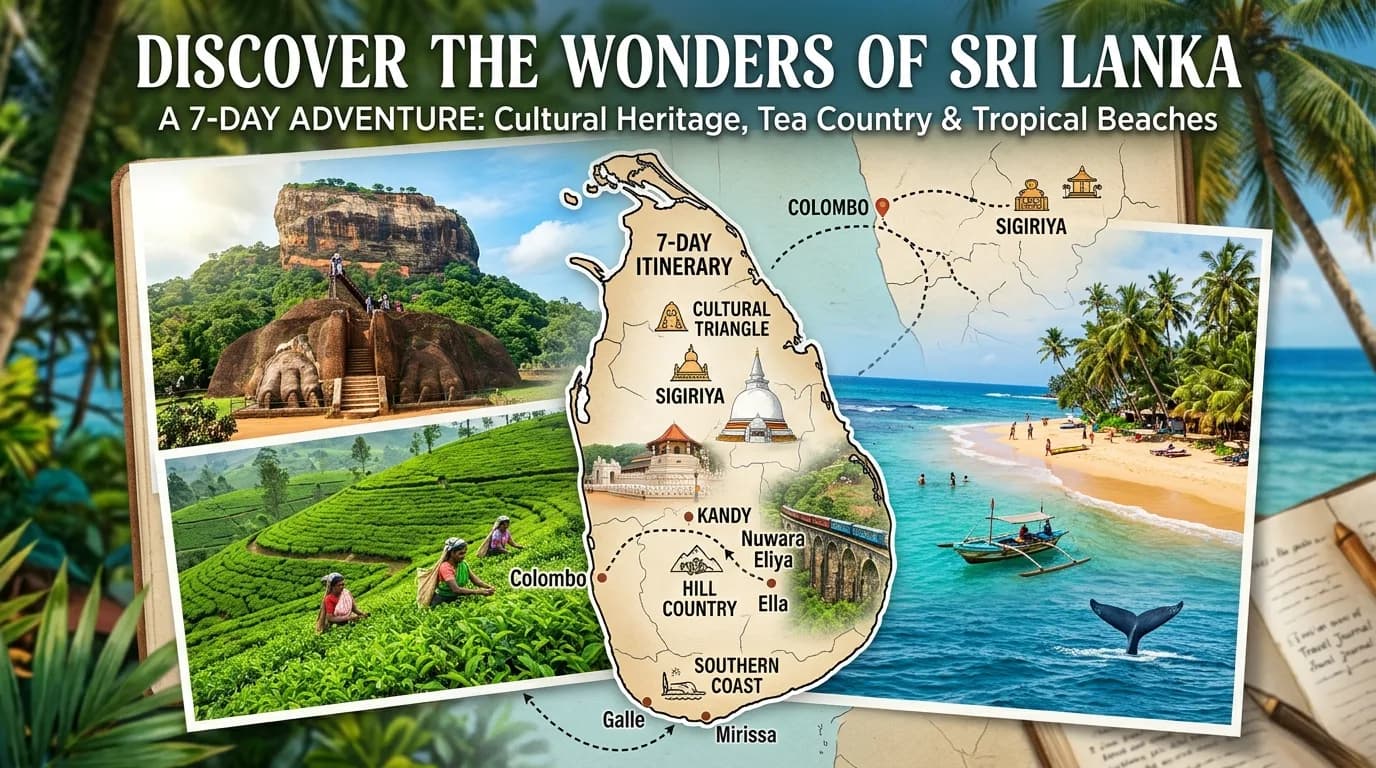
Sri Lanka is an island country in the Indian Ocean with four distinct travel zones: the west and south coast for beaches, the Cultural Triangle for heritage sites, the central highlands for tea country, and national parks for wildlife. A trip that touches two or three of these zones typically needs 7–10 nights to feel unhurried.
Two monsoons split the island's coast between them. The southwest monsoon runs from May to September and brings heavy rain to the west, south and central regions. The northeast monsoon, from December to February, affects the north and east. That split works in your favour: when one coast is rough, the other is usually calm.
Bandaranaike International Airport (CMB) is the main gateway, roughly 30–35 km from Colombo city centre and about 45 minutes by taxi. From Colombo, road and rail connections reach every major beach and heritage area on the island.
Beaches and Stretches of Coast: Which Suits Whom
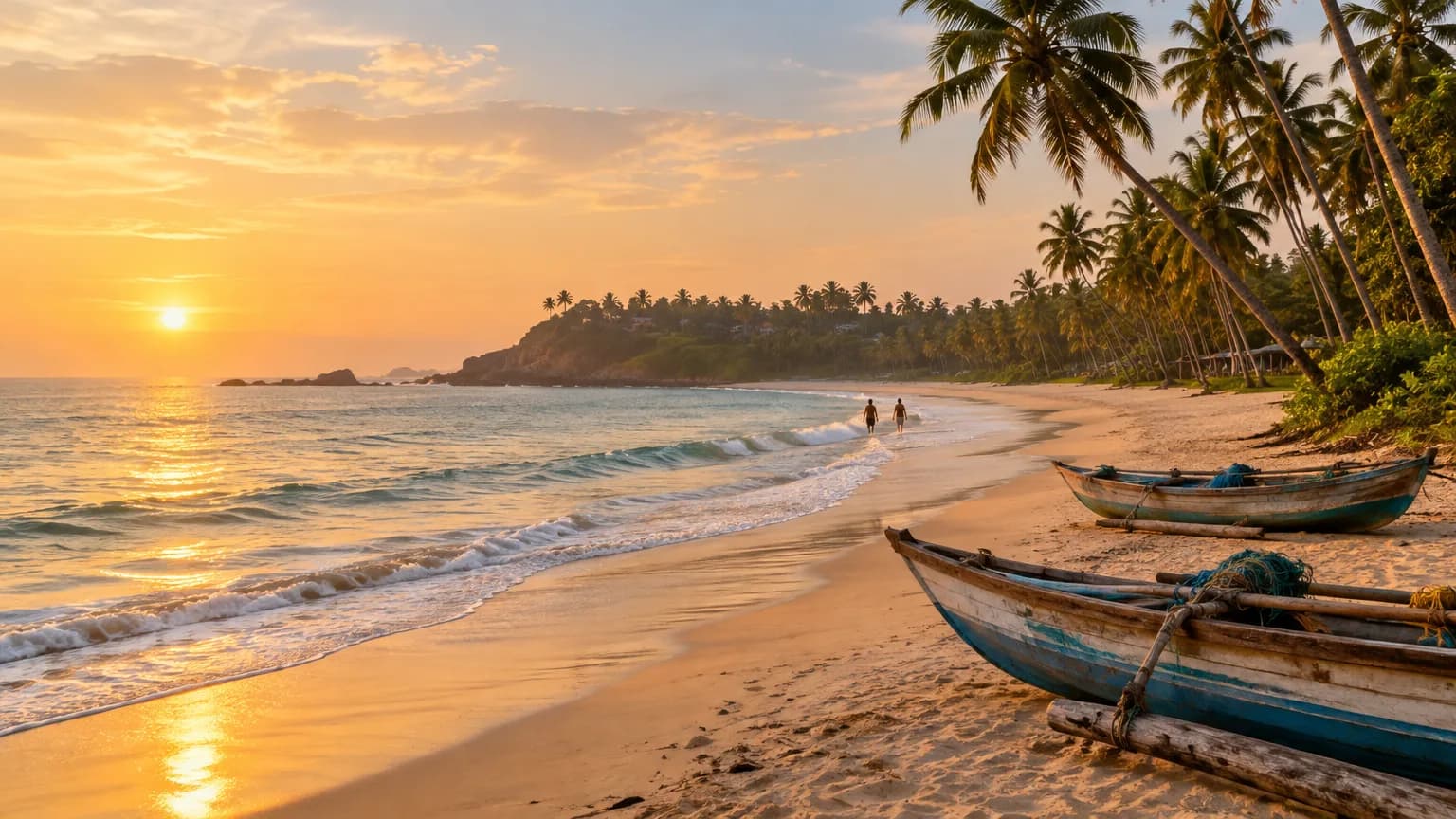
The south and west coasts are the most accessible for first-timers, while the east coast rewards travellers who time their visit between May and September. Each stretch has a different pace and a different kind of visitor.
- Mirissa — A lively but manageable bay with a working harbour. It is the main departure point for early-morning whale and dolphin watching. Crowds peak in December and January. Visit the harbour at dawn for the best marine-life chances and calmer water.
- Unawatuna — A curved, family-friendly bay with a good spread of guesthouses and easy access to Galle Fort. It gets busy in peak season but stays practical. A good choice if you want to combine beach days with a heritage afternoon.
- Hikkaduwa — Water-sports oriented, with snorkelling and shore diving available. Crowds are moderate year-round. Check equipment condition and ask about safety briefings before committing to any activity.
- Bentota — Quiet and resort-style, popular with couples and families who want a settled base. A river and lagoon sit alongside the beach, adding options for calmer-water activities. Suits travellers who prefer one base over constant movement.
- Trincomalee — A relaxed east-coast town best visited from May to September. Crowds are low outside that window. Pair a stay here with snorkelling or a boat trip when sea conditions allow.
- Arugam Bay — A low-key surf town on the southeast coast, busiest between May and September. It suits solo travellers, surfers and anyone wanting a slower routine. Confirm board rental and lesson availability locally before you arrive.
Sea Conditions and Water Activities by Season
The sea is calmest on the south and west coasts from December to March, and on the east coast from May to September. Outside those windows, rough water and restricted swimming affect the relevant coast.
From May to September, the southwest monsoon makes the south and west coasts rough and swimming is generally restricted. From October to January, the northeast monsoon brings heavy rain and rough seas to the east and north. The inter-monsoon periods in March–April and October–November bring frequent showers and thunderstorms that can cancel boat trips at short notice.
Water activities follow the same seasonal logic. Snorkelling, diving and boat trips operate mainly during the calm months on whichever coast is in season. Whale watching from Mirissa runs in the early morning, typically in the December-to-March window. Surfing is strongest on the east coast from May to September. During the monsoon, many boat operators suspend trips, and some beach sections are unpatrolled — strong currents and drownings have been recorded at unpatrolled south and west coast beaches. Always swim at a patrolled section and follow local warnings.
Best Months for the Beach
December to March is the strongest window for the south and west coasts: rainfall is low, seas are calm and the beach experience is reliable, though prices are at their peak and popular spots fill up fast.
Shoulder months — March, April, August and September — offer a cheaper, quieter trip with a higher chance of a washed-out afternoon. November is the wettest month overall and is best avoided for a beach-focused trip on either coast.
Where to Base Yourself on the Coast
The south coast around Galle, Unawatuna and Mirissa is the most practical base for a first beach trip, combining beaches with Galle Fort and a short transfer from Colombo. The east coast around Trincomalee and Arugam Bay suits travellers visiting between May and September.
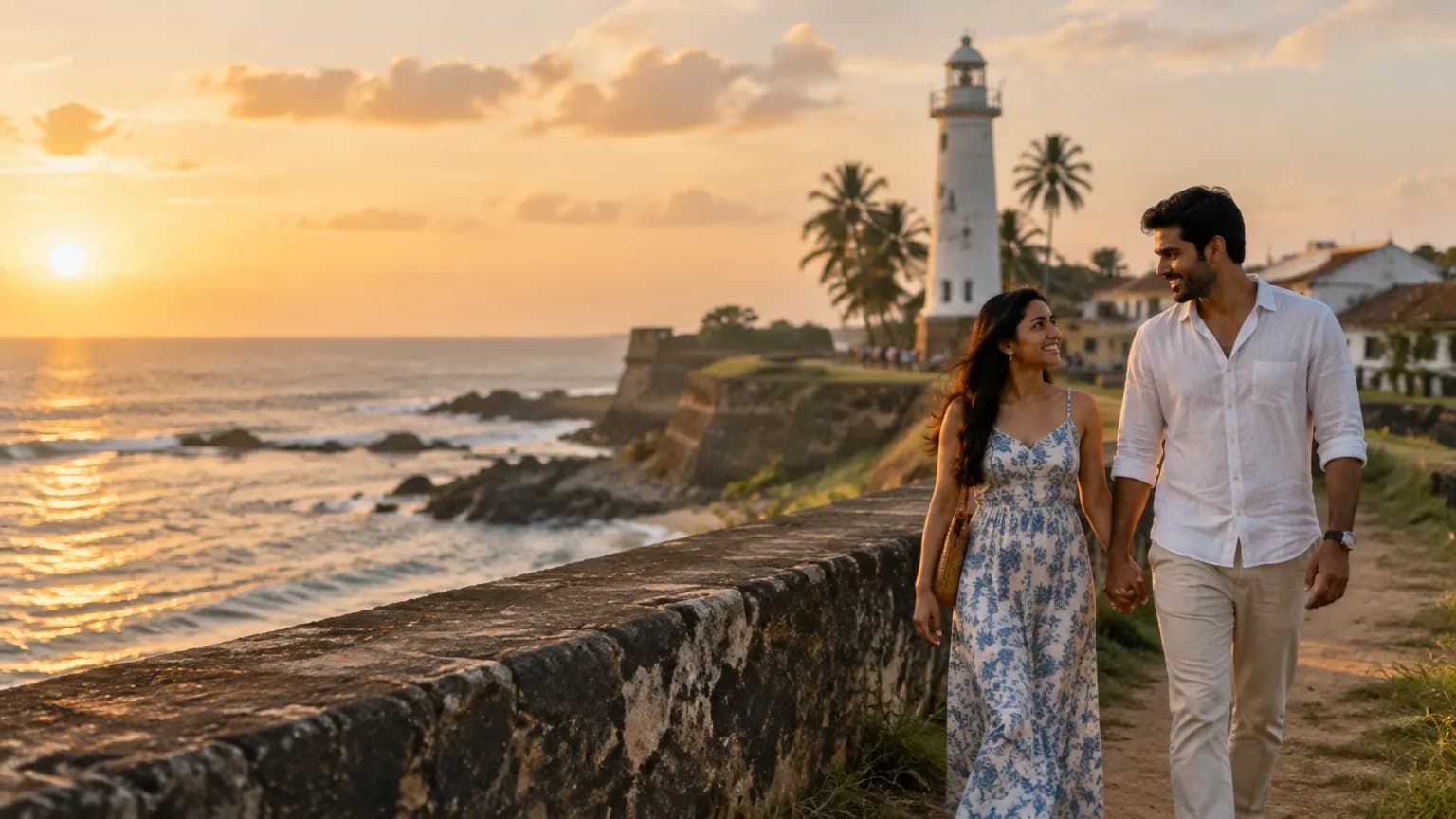
- Galle and the south coast — Couples and families. Mid-range resorts, boutique villas and guesthouses. Good for a mixed beach-and-heritage stay, with Galle Fort a short walk or tuk-tuk ride away.
- Mirissa — Couples and small groups. Mid-range guesthouses and beachfront stays. Best for whale watching and a livelier evening scene.
- Bentota — Families and couples. Resort-style properties and villas. Best for a settled, low-effort beach base with river and lagoon access.
- Hikkaduwa — Water-sports fans and younger travellers. Budget to mid-range guesthouses. Best for snorkelling and diving access from the shore.
- Trincomalee — Quiet-seekers and families. Mid-range resorts and guesthouses. Best for a calm east-coast stay from May to September.
- Arugam Bay — Solo travellers and surfers. Budget guesthouses and small villas. Best for a slow, low-key beach routine with surf access.
Getting There and Getting Around the Coast
Indian travellers fly into Bandaranaike International Airport (CMB) near Colombo, then transfer by road or rail to the coast. Direct flights operate from several Indian cities; connecting options are also available. Confirm schedules and flight durations at booking, as these change by season and route.
Between beaches, public buses and trains connect towns and cities across the island. Private shuttles, taxis and tuk-tuks cover the last stretch to beach towns and rural areas. Scooter rental is common in beach towns — check insurance cover, licence requirements and helmet rules before renting, and confirm return terms in writing.
For national-park safaris, arrangements are typically made through tour operators and should be booked in advance, particularly in peak season. Before travel, check current entry rules on the official Sri Lanka government source — requirements can change, and visa details are covered separately.
A Coast Route That Works
A practical 8-night route uses two coastal bases and one inland or wildlife stop, keeping transfers short and avoiding unnecessary backtracking across the island.
- Galle or Unawatuna — 3 nights: Settle in, visit Galle Fort, and use the beach as your base. Day trips to Hikkaduwa or Bentota are easy from here. Transfer from Colombo airport is straightforward by road.
- Mirissa — 2 nights: Move along the south coast for whale watching and a livelier beach scene. The transfer from Galle is short. Book the whale-watching boat in advance during peak months.
- Yala or Tissamaharama — 2 nights: Your wildlife base for Yala National Park, with elephants, leopards and bird species. Jeep safaris are arranged through operators and should be booked ahead. The drive from Mirissa is manageable in a half-day.
- Colombo — 1 night: A final night near the airport keeps the departure transfer simple and gives time for a city walk or market visit.
Travelling between May and September, swap the south coast for Trincomalee and Arugam Bay on the east. The drive from Colombo to the east coast is longer, so allow a full travel day. For a shorter trip of 5–6 nights, drop one base and focus on a single coastal area.
Is Sri Lanka the Right Beach Trip for You?
Sri Lanka suits travellers who want beaches alongside culture, wildlife and hill country, and it works well for honeymooners, families and first-time visitors to the region. It is less suited to travellers who want a very short trip covering several regions, since a balanced itinerary commonly takes 7–10 nights.
Honeymooners get quiet bays, scenic rail journeys through tea country and early-morning whale watching. Families get shallow bays, water parks, elephant safaris and easy road transfers. Water-sports fans get snorkelling, shore diving and seasonal surfing. Quiet-seekers should choose the east coast in season or a resort-style base such as Bentota, and avoid the busiest weeks around December and January when south-coast towns fill up.
Travellers who want only a beach with no driving or sightseeing may find the multi-region format more than they need. A single-base stay of 5–6 nights on the south coast is a workable alternative for that group.
Ways to Travel to Sri Lanka
Trip styles range from slow single-base beach stays to active multi-region circuits. The right style depends on how much ground you want to cover and how much time you have.
- Beach — For travellers who want one coast, one base and very little driving.
- Beach & Leisure — For couples and families wanting beach time with light sightseeing built in.
- Honeymoon — For couples prioritising quiet bays, scenic rail travel and whale watching.
- Family — For parents wanting shallow water, wildlife safaris and straightforward transfers.
- Adventure — For travellers keen on Sigiriya Rock, hill-country hiking and national-park jeep safaris.
- Cultural & Heritage — For those focused on Sigiriya, Anuradhapura, Dambulla Cave Temple and Kandy.
- — For slower trips centred on cooking, local food, temple visits and everyday Sri Lankan life.
- Budget — For travellers using public buses, guesthouses and local food such as hoppers, kottu roti and rice and curry.
- Wellness & Relaxation — For travellers wanting a calm coastal routine with minimal movement between bases.
Land-only packages start from ₹33,000 per person on twin sharing. The final figure depends on season, room category and how many regions you cover; confirm at booking.
Beach-Trip Tips That Save the Day
A few practical habits make a coastal trip in Sri Lanka smoother, especially in peak weeks. Plan around the sea rather than against it.
- Sun and sea safety: Swim at patrolled sections only and follow local current warnings. Avoid the south and west coasts for swimming between May and September, and the east coast from October to January. Strong currents have caused drownings at unpatrolled beaches.
- Dress and etiquette at religious sites: Cover shoulders and knees at the Temple of the Tooth in Kandy and Dambulla Cave Temple. Remove shoes where required and keep voices low. Carry a light scarf or sarong for temple visits.
- What to carry: Reef-safe sunblock, a light rain layer, insect repellent and a reusable water bottle. Tap water is not recommended for drinking — buy sealed water or use a filter. Dengue and other mosquito-borne illnesses are a real risk; use repellent from dusk.
- Book peak weeks early: December, January and February fill up fast on the south coast. Yala safari slots and whale-watching boats also book out. Secure beach stays and activity bookings well ahead if you are travelling in those months.
- Entry rules and money: Check current entry requirements on the official Sri Lanka government source before booking, as rules can change. UPI acceptance is growing at selected tourist establishments as of 2026, but carry a card and some cash as backup for smaller towns and beach areas.
Once the plan feels right, compare the current Sri Lanka packages and pick the one that fits.