
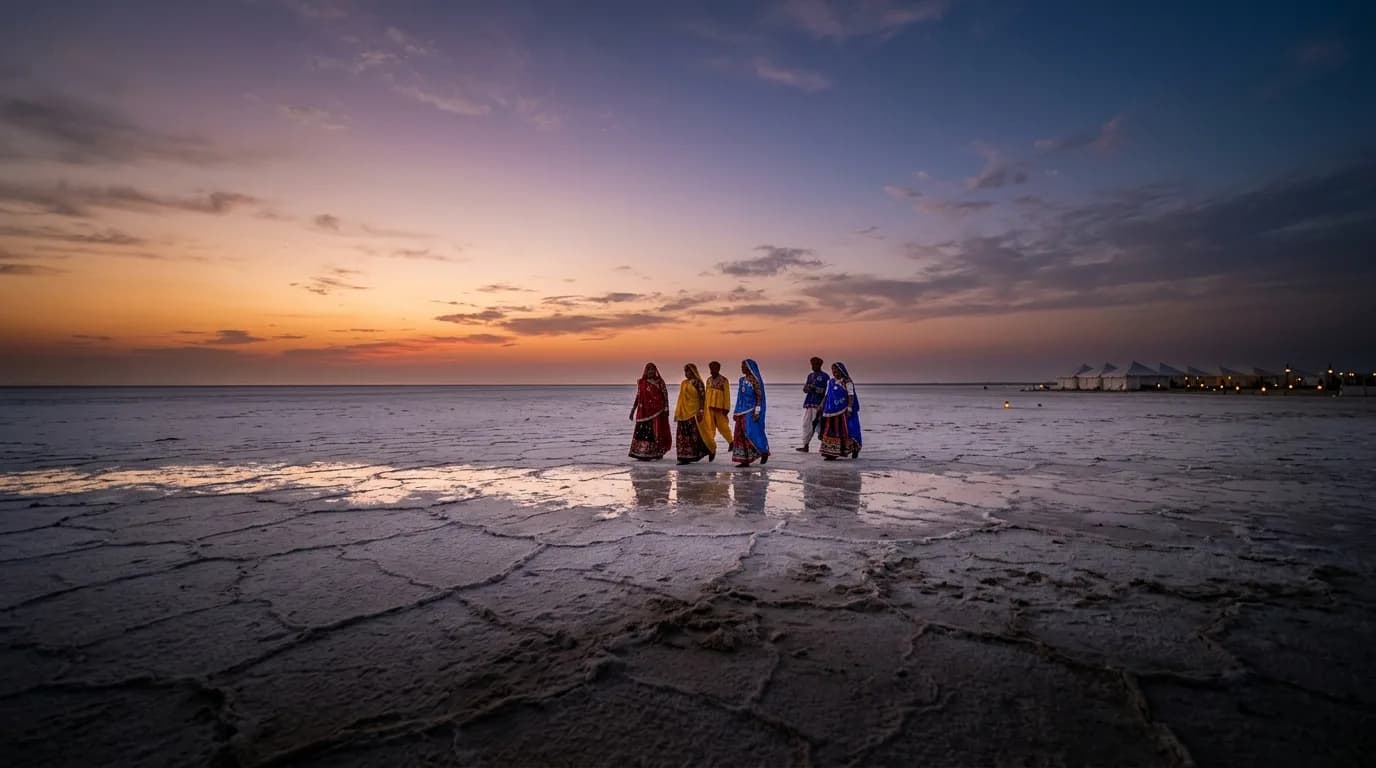
Curated starting points
Find a Rann of Kutch journey that feels like yours.
Begin with a thoughtfully paced itinerary, then change the stays, experiences, route, and budget with a Tripstor specialist.
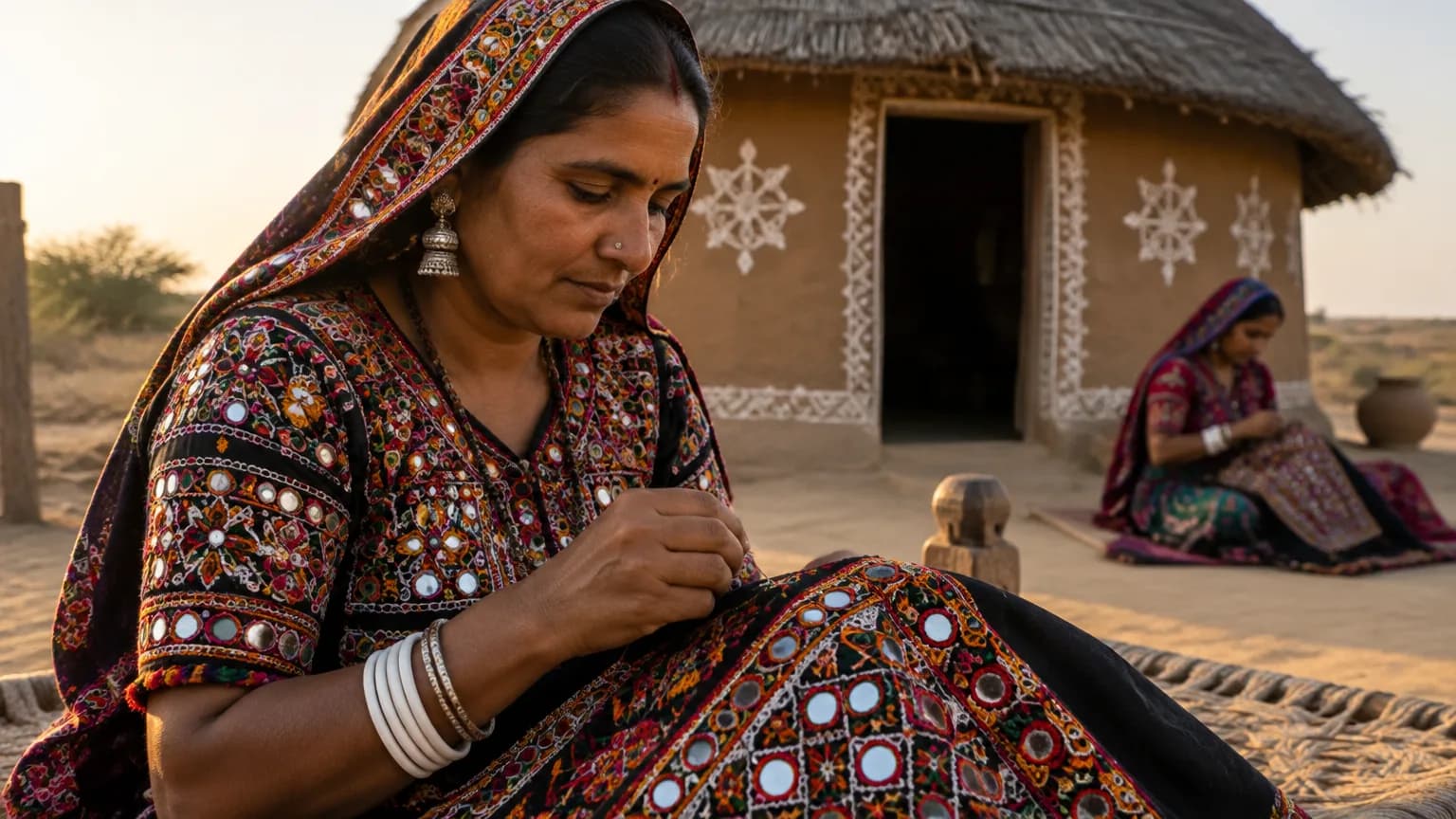
Rann of Kutch · Flexible itinerary
Rann of Kutch Craft Villages & Dholavira Heritage Journey 5N 6D
Starting from
₹15,000/ person
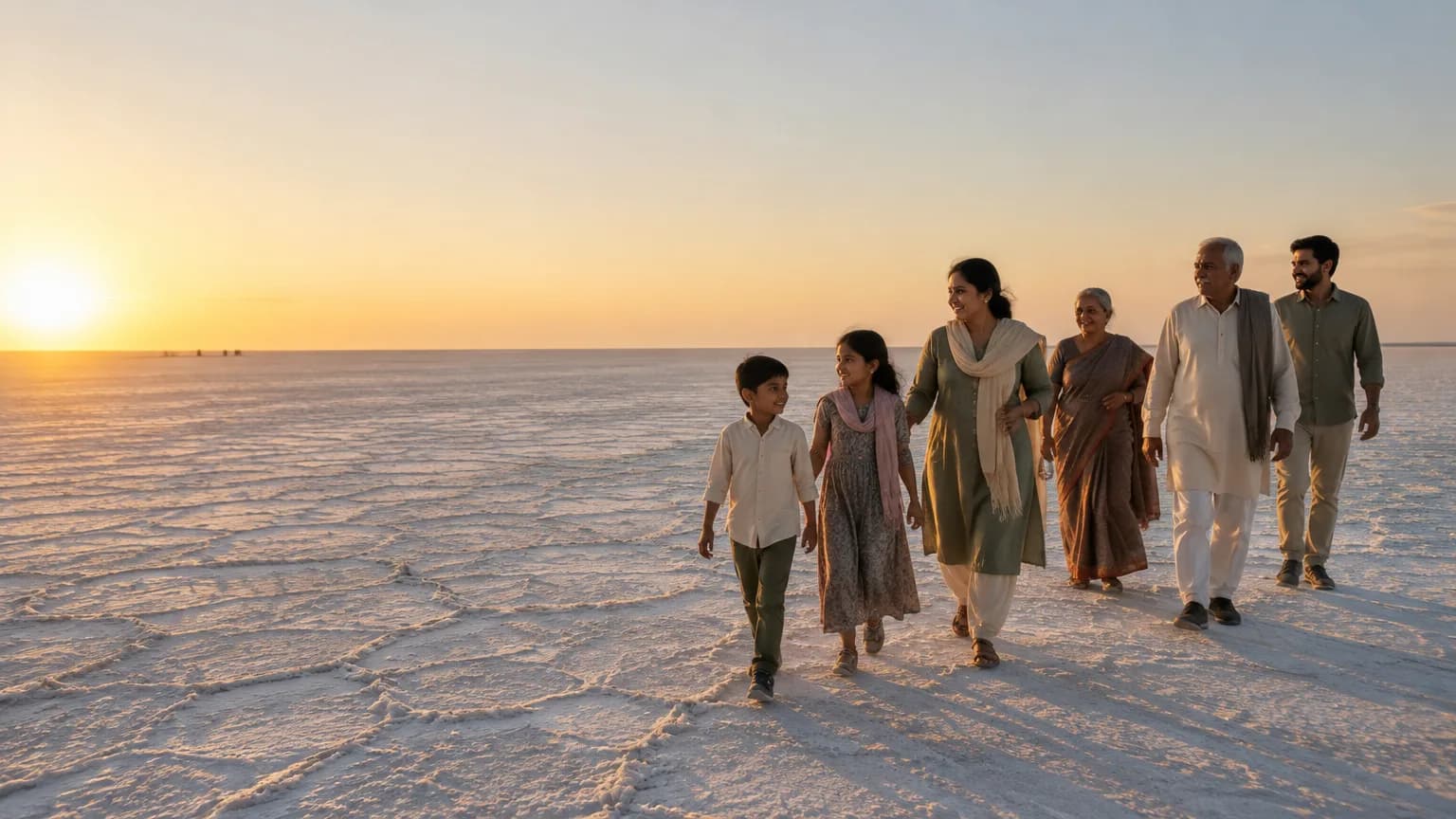
Rann of Kutch · Flexible itinerary
Rann of Kutch Bhuj Palaces Family Holiday 5N 6D
Starting from
₹16,000/ person
Destination guide
Know Rann of Kutch before you go.
Practical context, local highlights, and honest planning advice — written for travellers from India.
Field notes
A considered guide to Rann of Kutch
Rann of Kutch at a Glance
The Rann of Kutch is a vast salt-marsh region in Gujarat, divided into the Great Rann in the north and the Little Rann in the southeast. It is a landscape and culture trip, built around the White Rann, craft villages and wildlife areas rather than city sights.
Winter is the best season, from November to February, when the salt flats are dry and the Rann Utsav tent city operates at Dhordo. A first trip usually runs three nights and four days. Bhuj is the gateway, with an airport and railway station connecting the region to the rest of India. Packages for Rann of Kutch start from Rs. 8,500 per person on land only, twin sharing.
| Detail | Value |
|---|---|
| Region | Gujarat, West India |
| Gateway city | Bhuj (airport code BHJ; railway station) |
| Ideal trip length | 3 nights / 4 days; 4 nights for Little Rann extension |
| Best season | November to February |
| Rann Utsav 2026–27 | 1 November 2026 to 7 March 2027, Dhordo |
| Starting price | Rs. 8,500 per person (land only, twin sharing) |
| White Rann entry | Online permit required; check the official Gujarat Tourism portal |
Why Travellers Choose Rann of Kutch
Three things draw people here: a salt desert that looks unlike anywhere else in India, living craft traditions in the Banni villages, and straightforward domestic access from most Indian cities.
- The White Rann itself. The salt flats near Dhordo are walked at sunset and used for moonlit viewing after dark. The same ground changes completely between afternoon light and a full-moon night — that contrast is what most visitors remember.
- Kutchi craft and food. Villages such as Nirona and Hodka are known for embroidery, pottery, block printing and bell-making. Meals lean vegetarian, with bajra rotla, kadhi, sev tameta and Kutchi dabeli on most local menus.
- Easy domestic access. Bhuj is reachable by air and rail from Delhi, Mumbai, Ahmedabad, Pune, Kolkata and Bengaluru. From Bhuj, the road to Dhordo takes roughly one hour twenty minutes to two hours — no complicated logistics once you land.
Top Places and Areas in Rann of Kutch
These are the places most first-time visitors build into a Rann of Kutch holiday, with a practical note for each.
- Great Rann of Kutch, Dhordo. The main salt-flat viewpoint and the site of the Rann Utsav tent city. Go for sunset and stay for the evening cultural performances. The desert cools sharply after dark, so carry a light jacket.
- Kala Dungar. The highest point in Kutch, with wide desert views across the salt flats. It works well as a morning stop on the way back from Dhordo.
- India Bridge. A border tourism point near the Rann. Access is regulated, so carry identity documents and follow local instructions at all times.
- Nirona Village. A craft village known for traditional handicrafts and artisan communities. Buy directly from workshops rather than roadside stalls for better quality and fair prices.
- Hodka. A Banni village with community stays, bhungas and craft activities. A good overnight stop if you want a slower pace and direct interaction with local artisans.
- Bhujodi. A craft-village area with community-run stays and weaving traditions. Convenient if you want to combine craft shopping with a Bhuj base.
- Mandvi Beach. A coastal stop in Kutch, useful for breaking up the desert sections with a half-day near the sea.
- Wild Ass Sanctuary, Little Rann. Explored by open jeep across salt flats, seasonal wetlands and reed patches to see Indian wild asses, flamingos, pelicans and other winter birds. Morning safaris are the norm, with an optional evening slot around 15:00–18:00.
- Kutch Desert Wildlife Sanctuary. Designated eco-tourism zones with wetland observation points and birdwatching. Early morning is best for bird activity; visitors are advised to return before dark unless on an authorised tour.
- Bhuj heritage sights. Aina Mahal, Prag Mahal and the Kutch Museum sit in town and fit into a half-day before or after the desert. Good for senior travellers and anyone who wants a break from long road transfers.
Best Time to Visit Rann of Kutch
November to February is the best window: days stay around 24–29°C, the salt flats are dry, and the Rann Utsav tent city season runs from 1 November 2026 to 7 March 2027 at Dhordo.
March and October are shoulder months. Crowds and prices drop to medium levels, and the weather is workable. October can still carry residual floodwater in parts of the marsh, so check conditions before booking. April to June brings scorching heat that makes the Rann difficult to explore — not recommended for a first trip. July to September is monsoon season; rain and floodwater can affect access to the salt flats entirely, so this period is best avoided unless you have a specific reason to visit the Little Rann for wildlife research.
| Season | Months | Conditions | Verdict |
|---|---|---|---|
| Peak / Festival | November – February | Mild, dry, Rann Utsav active | Best time; book early |
| Shoulder | March, October | Warm, fewer crowds | Good value; check access in October |
| Summer | April – June | Extreme heat | Avoid for salt-flat visits |
| Monsoon | July – September | Rain, possible flooding | Salt flats inaccessible; skip for first trips |
How to Reach Rann of Kutch
Bhuj is the nearest airport and railhead for the Rann; most travellers fly or take a train into Bhuj, then continue by road to Dhordo or another base.
Bhuj Airport (BHJ) handles the air route from major Indian cities. Bhuj railway station has train connections from Mumbai, Ahmedabad, Pune, Kolkata and Delhi. By road, Ahmedabad is about 335 kilometres from Bhuj — roughly a seven-hour drive. From Bhuj, Dhordo is about 80–85 kilometres away, taking around one hour twenty minutes to two hours by taxi or bus.
Shared cabs and buses are available from Bhuj railway station to the Rann area. A private taxi or rented car is the usual choice for moving between attractions once you are in the region. Taxi fares for a Bhuj-to-White-Rann round trip are in the range of Rs. 3,000–6,000 as of September 2026; confirm current rates at booking. A full-day sightseeing package from Bhuj typically runs Rs. 4,000–8,000 as of September 2026. Shared cabs cost roughly Rs. 500–1,200 per person, and bus plus local transport can be as low as Rs. 200–500, both as of October 2026.
Where to Base Yourself
Most trips use two bases: Bhuj for arrival, heritage sights and craft markets, and Dhordo or a Banni village for the salt flats and festival evenings.
- Bhuj. A town base with mid-range stays, close to the airport, railhead and historic sights. Best for families and budget-conscious travellers who want easy access to transport.
- Dhordo. The main base beside the White Rann and the Rann Utsav tent city. Luxury-tier stays dominate here; best for couples and families who want to be close to the evening cultural programmes.
- Hodka. Banni village area with community stays and bhungas at mid-range prices. A good choice for couples and families who want craft activities on the doorstep and a quieter atmosphere.
- Bhujodi. Craft-village area with community-run stays, also mid-range. A practical option for budget travellers and families who want to combine weaving and craft visits with proximity to Bhuj.
A Route Worth Following
A three-night route works well for a first visit: one night in Bhuj, two nights near the White Rann, with a Little Rann extension if wildlife is a priority.
Start with a night in Bhuj to cover Aina Mahal, Prag Mahal and the Kutch Museum, and to settle in after the journey. Move to Dhordo or Hodka for two nights — use the first afternoon for the White Rann at sunset and the next morning for Kala Dungar or a craft village such as Nirona. If you have a fourth night, add the Little Rann for a Wild Ass Sanctuary jeep safari before heading home. The order matters because Bhuj is the transport hub; starting there keeps logistics simple and lets you adjust plans if a transfer runs late.
Is Rann of Kutch Right for You?
This destination suits travellers who enjoy open landscapes, craft traditions and wildlife, and who are comfortable with long road transfers and simple desert accommodation.
It is a strong fit for families with older children, couples, senior travellers who can manage a few hours of driving, photographers and anyone curious about Kutchi textile and craft traditions. Solo travellers on a budget can use shared cabs and community stays to keep costs down. The trip is less suited to travellers who want a city break, nightlife or a monsoon-season escape — the landscape is remote, and the salt flats become a wetland during the rains. If you prefer a conventional beach or hill holiday, this is not the right trip to pick.
Ways to Travel: Trip Styles for Rann of Kutch
Tripstor offers several styles for this destination, so you can match the trip to your group size, pace and interests.
- Best of Rann of Kutch: Covers Bhuj, the White Rann and a craft village in one route — ideal for first-timers who want a rounded introduction.
- Budget: Uses shared transport and simpler stays; suited to students, solo travellers and small groups watching costs.
- Cultural and Heritage: Focuses on Bhuj palaces, museums and craft traditions; good for history-minded visitors and those interested in Kutchi architecture.
- : Spends more time in Banni villages with artisan interaction and local meals; best for slow travellers who want depth over distance.
- Family: Keeps driving hours shorter and adds child-friendly activities such as craft demonstrations and short safaris; suited to parents with young children.
- Group Tour: Fixed departures with shared costs; good for groups of friends or colleagues travelling together.
- Offbeat Explorer: Adds the Little Rann and lesser-visited villages; designed for repeat visitors to Gujarat who have already seen the main sights.
- Senior-Friendly: Slower pace with seated sightseeing and shorter walks; designed for older travellers who want comfort without missing the key experiences.
- Short Getaway: A two-night break centred on Dhordo; practical for weekend planners from Ahmedabad or other nearby cities.
Traveller Tips for Rann of Kutch
Five practical points make the trip smoother, especially on a first visit to this destination.
- Carry the right kit. Sunscreen, a wide-brimmed hat, sunglasses, a refillable water bottle and a light jacket for the evening are all essential. Desert temperatures drop sharply after sunset, and the salt flat reflects heat strongly during the day.
- Respect local etiquette. Ask before photographing artisans or their work, and buy crafts directly from cooperatives where possible. Dress modestly in villages and remove footwear when entering homes or community spaces.
- Plan around permits and border rules. An online permit is required for entry to the White Rann at Dhordo; check the official Gujarat Tourism portal for the current process. The area is near the international border, so carry a valid government-issued identity document at all times.
- Keep cash handy. Card acceptance is limited outside Bhuj. Small vendors, shared cabs and craft cooperatives work on cash. Withdraw in Bhuj before heading to the desert, as ATMs are scarce beyond the town.
- Expect patchy phone signal. Coverage is reliable in Bhuj but weak around Dhordo and the Little Rann. Download offline maps before you leave Bhuj, and share your itinerary with someone at home.
Once the plan feels right, compare the current Rann of Kutch packages and pick the one that fits.
Personalise your trip
Shape Rann of Kutch around the way you travel.
Choose a travel style as your starting point. We'll refine the pace, stays, experiences, and budget until the journey feels entirely yours.
Not sure which fits? Use our trip builder — it takes under two minutes.
Got questions?
The questions travellers ask about Rann of Kutch.
Straight answers on visas, pricing, best time to visit, and how our packages work for Indian travellers.
7 answered below
Social proof
What Tripstor travellers say
Feedback from Indian holidaymakers who travelled with Tripstor.
4.8
from 432+ reviews
FriendsThree friends and I did a 9-night Australia package with stops in Melbourne and Sydney. We spent an afternoon at the Melbourne Cricket Ground and caught a local match. Tripstor sorted our group visa applications together which saved a lot of back and forth. Good experience overall.
FamilyBooked a family package for 7 nights covering Port Blair, Havelock, and Neil. The Cellular Jail light and sound show on Day 1 set a good tone for the trip. Kids were engaged throughout and the itinerary was not too rushed.
HoneymoonHoneymooned in Kashmir for 7 nights in May. Gulmarg had light snow still and we got a gondola ride on Day 4. The tulip garden in Srinagar was in full bloom. Tripstor arranged a candlelit dinner on the houseboat which was a nice touch.