
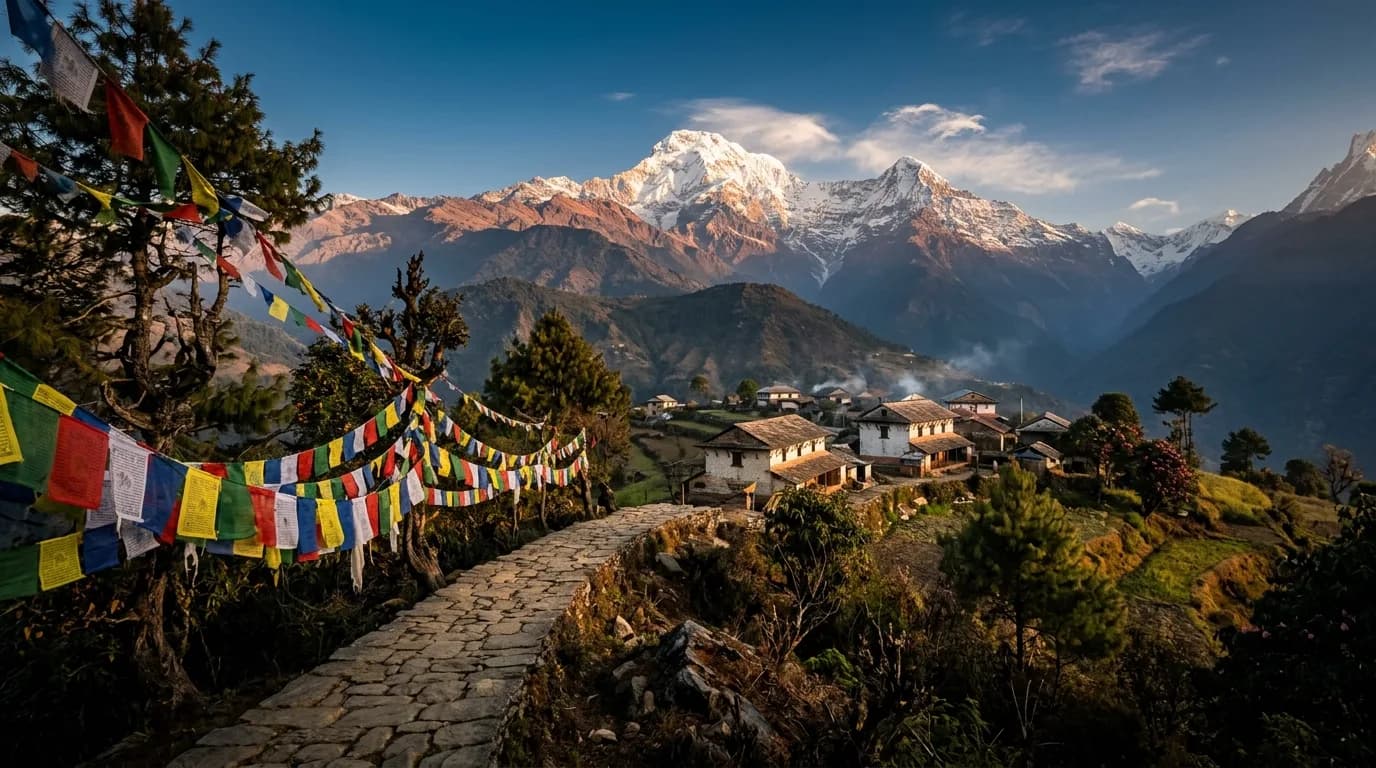
Curated starting points
Find a Nepal journey that feels like yours.
Begin with a thoughtfully paced itinerary, then change the stays, experiences, route, and budget with a Tripstor specialist.
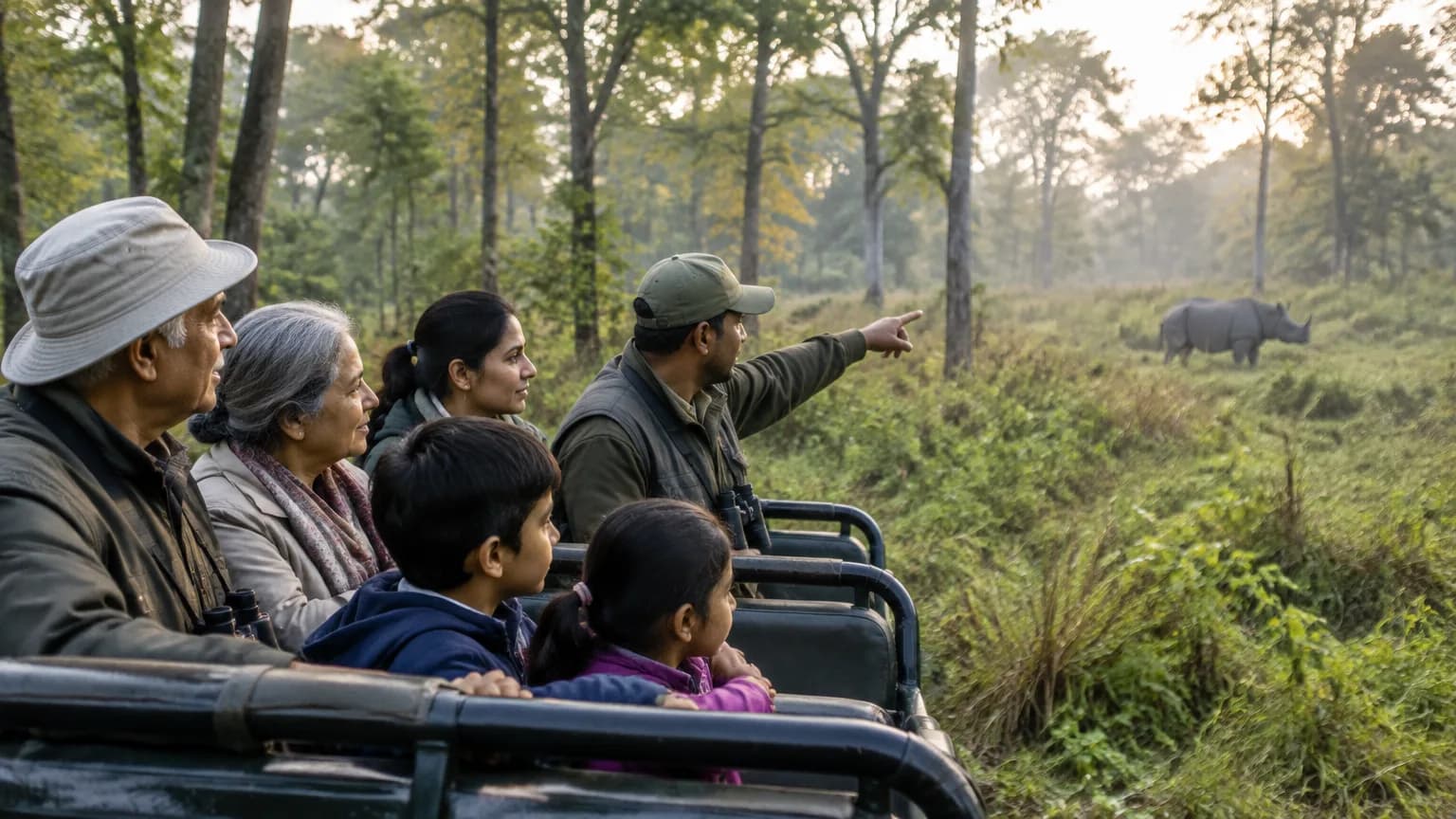
Nepal · Flexible itinerary
Nepal Chitwan & Kathmandu Family Holiday 7N 8D
Starting from
₹28,000/ person
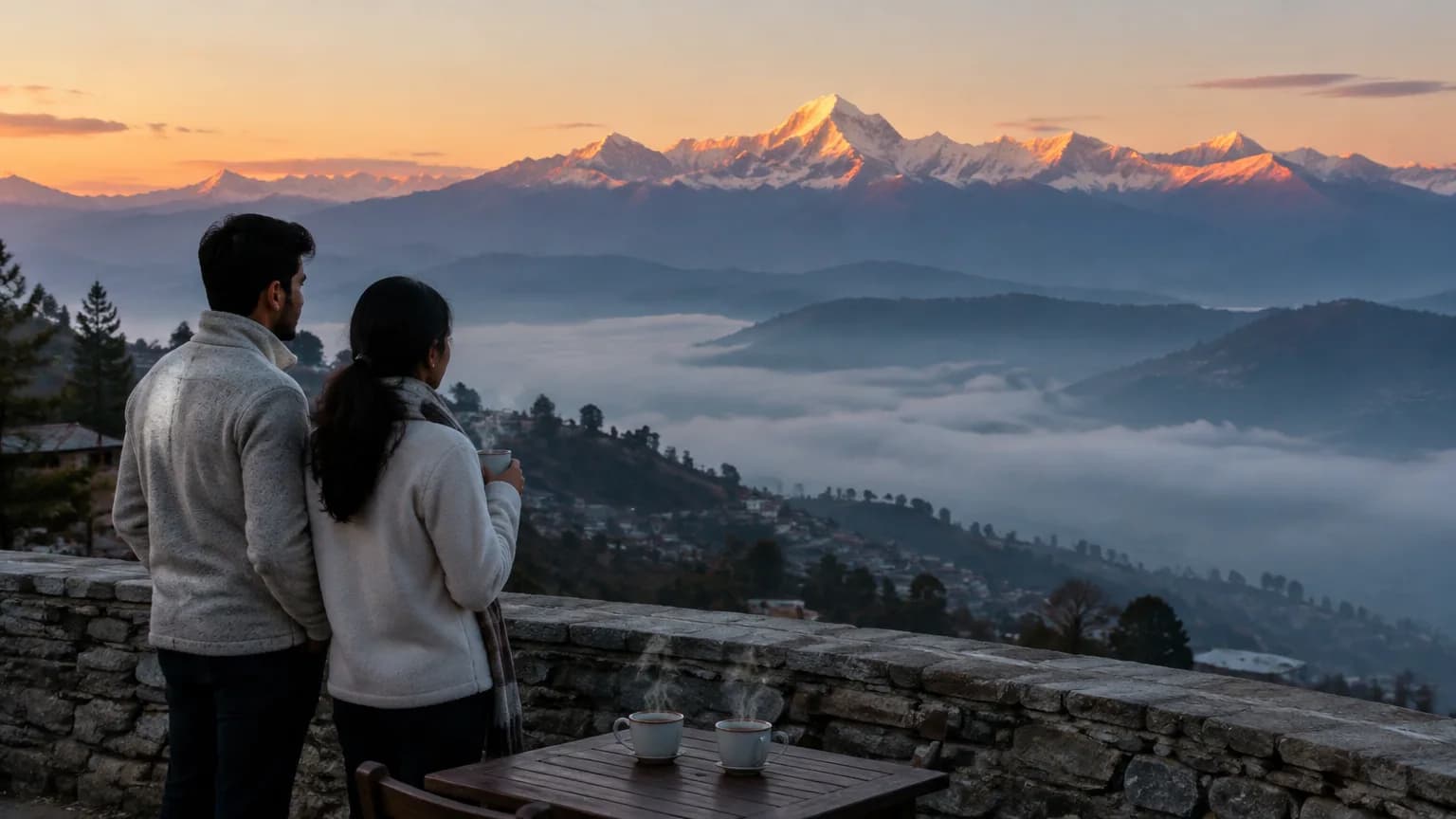
Nepal · Flexible itinerary
Nepal Pokhara & Nagarkot Honeymoon 6N 7D
Starting from
₹27,500/ person
Destination guide
Know Nepal before you go.
Practical context, local highlights, and honest planning advice — written for travellers from India.
Field notes
A considered guide to Nepal
Altitude, Access and Season at a Glance
Nepal stretches from the high Himalaya through hill country to the Terai plains that border India, and altitude shapes every decision on this trip. Kathmandu Valley and Chitwan sit low, Pokhara sits mid, and trekking routes climb high. The main gateway is Tribhuvan International Airport in Kathmandu; Bhairahawa airport serves Lumbini.
Spring (March–May) brings dry to mild trekking conditions and rhododendron bloom. Autumn (September–November) offers generally dry weather, clearer skies and stable trails — both are peak periods, so prices rise and crowds build. Winter (December–February) is cold, with snow and ice at higher elevations and shorter trekking days. The monsoon (June–August) means heavy rain, muddy trails, leeches, swollen rivers and landslide risk.
Ten to twelve days is the right length to cover the Kathmandu Valley, Pokhara and Chitwan without feeling rushed. Fitting all three into a single week is not realistic. Everest Base Camp needs roughly two weeks plus spare days for weather and acclimatisation.
Valleys, Viewpoints and Places Worth the Climb
Eight areas shape most Nepal itineraries, each earning its place for a different reason — heritage, wildlife, mountain access or cultural depth.
Kathmandu Valley and Around
- Kathmandu Valley — the cultural core, with heritage sites across Kathmandu, Patan and Bhaktapur, plus transport connections to every other part of the country.
- Shivapuri Nagarjun National Park — reached from Budhanilkantha near Kathmandu, with trekking routes and wildlife including leopard, Himalayan black bear and several monkey species.
Pokhara and the Lake Country
- Pokhara — known for its lakes, mountain viewpoints and adventure activities; the natural base for paragliding, short hikes and mountain flights.
Terai and the Southern Plains
- Chitwan National Park — the main jungle safari and wildlife-viewing destination, with canoe and dugout-canoe trips on the park waterways.
- Parsa National Park — offers elephant-back jungle safaris, jungle walks and jeep drives in a quieter setting than Chitwan.
- Lumbini — the birthplace of Buddha, with Buddhist heritage sites, monasteries and archaeological areas; reached by a short flight to Bhairahawa followed by about one hour by road.
High Mountain Regions
- Sagarmatha National Park — in the Khumbu region of northeast Nepal, containing Everest, glaciers, valleys and trails, and supporting trekking, mountaineering and Sherpa-culture experiences. Lukla is the air gateway; Jiri provides an overland starting point.
- Langtang National Park — supports trekking, mountaineering and Tamang-culture experiences, with Dhunche as the road access point from Kathmandu.
Snow, Monsoon and Clear-Sky Months
Autumn and spring are the two windows most travellers target; winter and monsoon each change what is possible on the ground and in the air.
| Period | Conditions | Crowds and Prices |
|---|---|---|
| January–February | Cold; snow and ice at higher elevations; shorter trekking days | Low crowds |
| March | Dry to mild; rhododendron bloom begins; Holi festival | High crowds |
| April | Low rain; improving access to higher trails | High crowds, peak prices |
| May | Mild; pre-monsoon build-up begins | Medium crowds |
| June–August | Heavy rain; muddy trails; leeches; swollen rivers; landslide risk | Low crowds |
| September | Trails stabilising after monsoon; Mani Rimdu festival period | High crowds |
| October–November | Generally dry; clearer skies; stable trekking; Dashain and Tihar festivals | High crowds, peak prices |
| December | Cold; clear on many days; snow at altitude | Low crowds |
High-altitude trekking above 4,000 metres can be closed or severely restricted from late December through mid-February. Monsoon landslides and floods can close trails and roads between June and September, and low clouds during that period often delay domestic flights. For Nepal snow, January and February are the months to plan around. For clear views and reliable trails, October and November are the strongest bet, with March and April close behind.
Roads, Rail and Altitude: Reaching Nepal
Most Indian travellers fly into Tribhuvan International Airport in Kathmandu; from Delhi the direct flight averages about 1 hour 45 minutes. Bhairahawa airport is the second useful entry point, mainly for Lumbini, which sits about one hour from the airport by road.
Within Nepal, Kathmandu to Pokhara takes 25–30 minutes by plane or most of a day by bus — the tourist bus runs about 6–7 hours. Tourist buses also connect Kathmandu and Pokhara to Chitwan, taking around 5 hours from either city. Local buses cost less but take longer and stop more frequently. Private cars and jeeps give door-to-door flexibility and are worth considering for families or anyone with heavy luggage.
Nepal road access is the main variable on any itinerary. Domestic flights are weather-prone, and low monsoon clouds frequently delay them. Landslides and floods can close roads and trails between June and September. A buffer day at the start or end of the trip absorbs most of this disruption without derailing the whole plan.
Acclimatisation is not optional on high routes. Limit daily altitude gain to 300–500 metres and take a rest day after each 600–900 metres of elevation gain. Altitude sickness can be fatal without proper acclimatisation, so build the schedule around it from the start rather than trying to fit rest days in later.
Entry rules, permits and documentation requirements change from time to time. Check the current rules on the official Government of Nepal or Indian government source before you book, and confirm requirements with your travel planner at booking.
Base Towns and Where to Stay
The base you choose determines how much of the trip you spend in transit. Kathmandu, Pokhara and Chitwan are the three towns most itineraries build around, with Lumbini as a fourth for pilgrimage-focused trips.
- Thamel, Kathmandu — central location with hotels, restaurants and shopping streets; convenient for heritage sightseeing and onward connections; suits couples and budget travellers.
- Pokhara Lakeside — relaxed lakeside area used for evening walks and easy access to Pokhara activities; suits couples and families.
- Chitwan — the base for Chitwan National Park safaris and Tharu cultural activities; suits families and couples who want wildlife days.
- Kathmandu Valley (broader area) — covers valley heritage sightseeing at a slower pace; works well for families and couples.
Stay types split into three broad tiers. Homestays and guesthouses suit budget travellers and those who want a local household feel. Mid-range lodges and hotels suit most families and couples. Resorts — particularly around Chitwan and Pokhara — suit travellers who want space, quiet and on-site facilities. On trekking routes, teahouse lodges are the standard option; private guided trekking uses more comfortable lodges, and luxury lodge treks sit at the top end. Nightly rates vary by season, so confirm at booking.
Pacing the Route
A sensible first route runs Kathmandu Valley, then Pokhara, then Chitwan, with rest built in from the start rather than added as an afterthought.
Three or four nights in the Kathmandu Valley covers the heritage sites across Kathmandu, Patan and Bhaktapur without rushing. Two nights in Pokhara gives one full day for viewpoints and one for a short hike, paragliding or a mountain flight. Two or three nights in Chitwan covers a jungle safari and a canoe trip on the waterways. A final night back in Kathmandu protects against a delayed domestic flight home.
Trekking routes need a different approach. Langtang is accessed by road via Dhunche; Sagarmatha via a flight to Lukla or an overland start from Jiri. Both need acclimatisation days written into the plan, not squeezed in. During the monsoon, add buffer days for road closures. In winter, expect shorter trekking days and possible restrictions on high passes.
With only a week available, pick two bases rather than three. Kathmandu Valley plus Pokhara is a comfortable short trip. Kathmandu Valley plus Chitwan works well for families. Adding a third stop on a seven-day trip usually means spending the holiday on a bus.
Who Nepal Suits, and Who May Prefer Another Hill Trip
Nepal works well for travellers who accept that distance, weather and altitude set the pace — not the other way around.
Families with elders or young children can manage Kathmandu Valley, Pokhara and Chitwan comfortably, provided the itinerary avoids long road days and stays below high altitude. Couples find Pokhara Lakeside and the Chitwan resorts easy to build a relaxed trip around. Adventure seekers have trekking, paragliding, bungee jumping and rock climbing to choose from. First-timers do best with the classic three-base route rather than committing to a trek on a first visit.
The honest limits are road length, cold and altitude. Medical access is limited outside Kathmandu and Pokhara, and evacuation from high routes takes time. Anyone with heart or lung conditions should get medical advice before committing to altitude. Travellers who want warm weather, short transfers and no altitude exposure may find a hill trip within India more manageable, with shorter travel days and easier medical access throughout.
Ways to Travel to Nepal
Tripstor offers several trip styles for this destination, and the right one depends on how much walking you want and how much comfort you need.
- Best of — the classic Kathmandu, Pokhara and Chitwan route for first-timers who want the highlights in one trip.
- Cultural & Heritage — built around the Kathmandu Valley sites and Lumbini, for travellers more interested in history and heritage than trails.
- Pilgrimage & Spiritual — centred on Lumbini and Buddhist heritage; suited to families and groups travelling for religious reasons.
- Family — slower pacing, fewer road hours and wildlife-focused days; suited to parents travelling with children or elders.
- Honeymoon — Pokhara lakeside stays and mountain flights; suited to couples who want quiet and scenery rather than trekking.
- Adventure — paragliding, bungee jumping, rock climbing and white-water activities; suited to travellers who want activity every day.
- Trekking & Camping — Langtang and Sagarmatha routes with acclimatisation days; suited to fit travellers with two weeks or more.
- Budget — local buses, guesthouses and shared guides; suited to travellers who prioritise cost over comfort.
- Short Getaway — a compact Kathmandu Valley break; suited to long weekends and first visits.
- Summer — monsoon-season travel with lower crowds; suited to travellers who accept rain and plan around it.
Nepal holiday packages from Tripstor start from Rs. 12,000 per person on a land-only, twin-sharing basis. The final cost depends on season, route and stay tier, so confirm at booking.
Cold, Health and Gear: Five Things to Sort Before You Go
- Layer properly. A base layer, fleece and windproof shell handle most conditions. Add a down jacket for winter and high-altitude routes, along with gloves, a warm hat and thick socks. Quick-dry trousers and a rain cover for your pack are worth carrying during the monsoon.
- Respect altitude. Limit daily altitude gain to 300–500 metres and take a rest day after each 600–900 metres of elevation gain. Know the early symptoms of altitude sickness — headache, nausea, dizziness — and descend if they worsen rather than pushing on.
- Carry medicines. Bring a basic kit with rehydration salts, pain relief, stomach medicine and any prescription drugs. Discuss altitude medication with your doctor before travel; do not rely on finding it in smaller towns.
- Time your road travel. Start long drives early in the morning, avoid night travel on hill roads, and keep a buffer day for monsoon landslides or winter snow closures on high passes.
- Plan for signal and cash. Phone signal is patchy on trekking routes and in remote areas, so download offline maps before you leave the city. Card acceptance is limited outside Kathmandu and Pokhara, so carry enough cash for smaller towns. As of July 2026, Nepal Rastra Bank allows Indian and Nepali nationals to carry Indian INR 200 and INR 500 notes up to INR 25,000 per person in total, subject to stated conditions — confirm the current rules on the official source before departure.
To see this turned into a complete trip, have a look at the Nepal holiday packages.
Personalise your trip
Shape Nepal around the way you travel.
Choose a travel style as your starting point. We'll refine the pace, stays, experiences, and budget until the journey feels entirely yours.
Not sure which fits? Use our trip builder — it takes under two minutes.
Got questions?
The questions travellers ask about Nepal.
Straight answers on visas, pricing, best time to visit, and how our packages work for Indian travellers.
8 answered below
Social proof
What Tripstor travellers say
Feedback from Indian holidaymakers who travelled with Tripstor.
4.8
from 432+ reviews
HoneymoonHoneymooned in Kashmir for 7 nights in May. Gulmarg had light snow still and we got a gondola ride on Day 4. The tulip garden in Srinagar was in full bloom. Tripstor arranged a candlelit dinner on the houseboat which was a nice touch.
FamilyTravelled with my parents who are in their late 50s. Tripstor recommended two full acclimatization days in Leh before any high-altitude drives and that made a real difference. Tso Moriri was quieter than Pangong and honestly more worth the drive.
FamilyBooked a family package for 7 nights covering Port Blair, Havelock, and Neil. The Cellular Jail light and sound show on Day 1 set a good tone for the trip. Kids were engaged throughout and the itinerary was not too rushed.