Curated starting points
Find a Madhya Pradesh journey that feels like yours.
Begin with a thoughtfully paced itinerary, then change the stays, experiences, route, and budget with a Tripstor specialist.
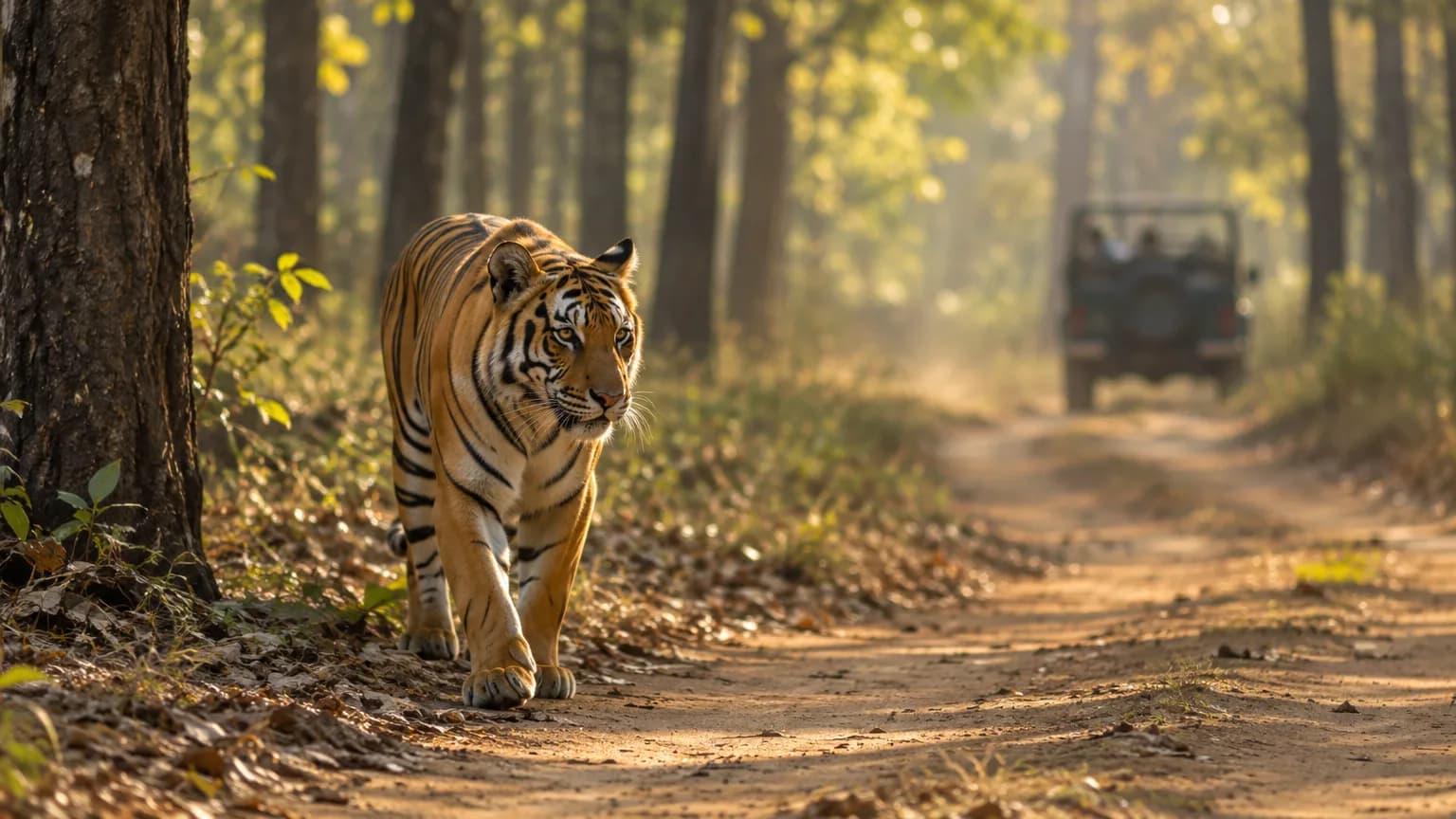
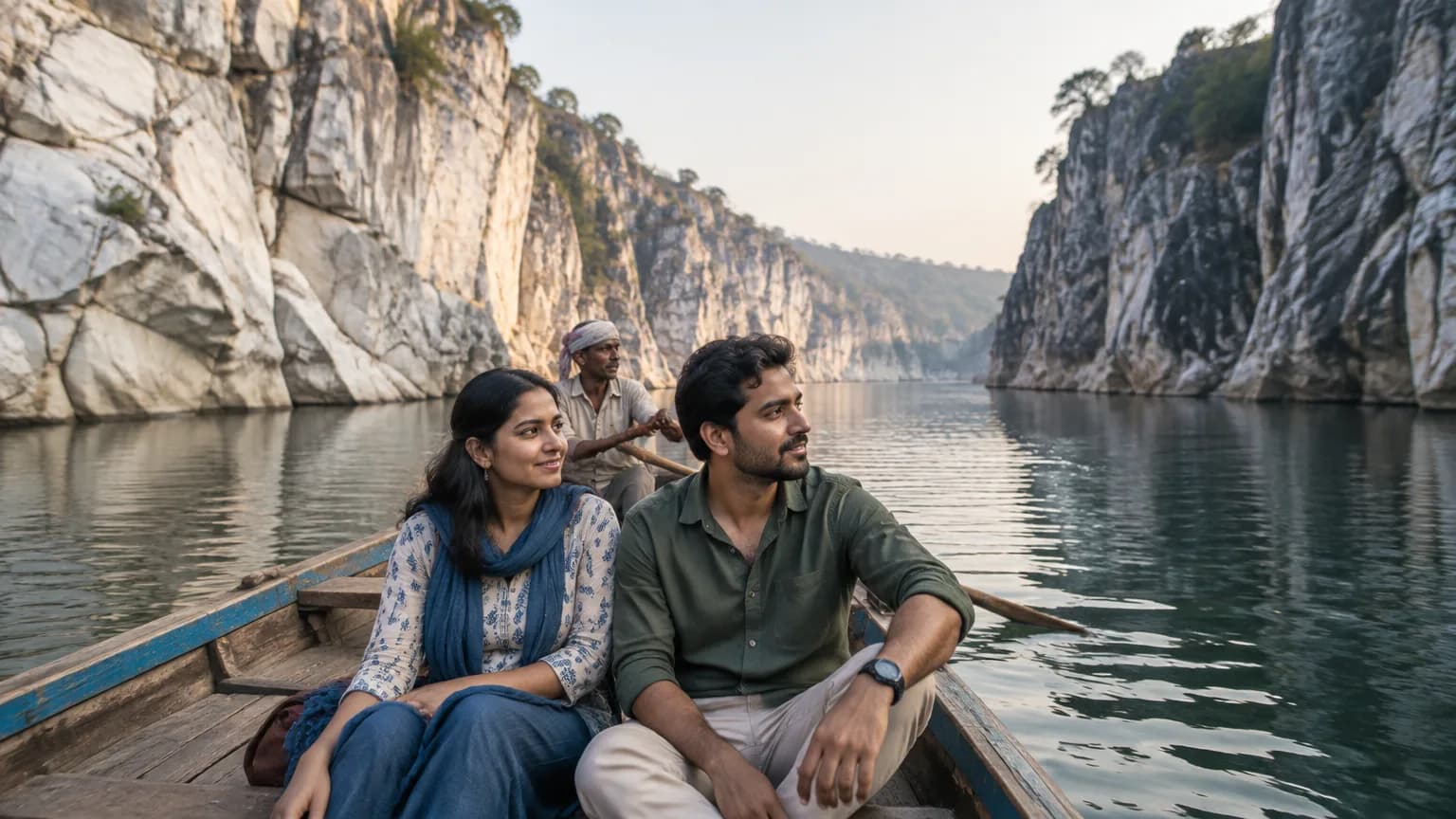
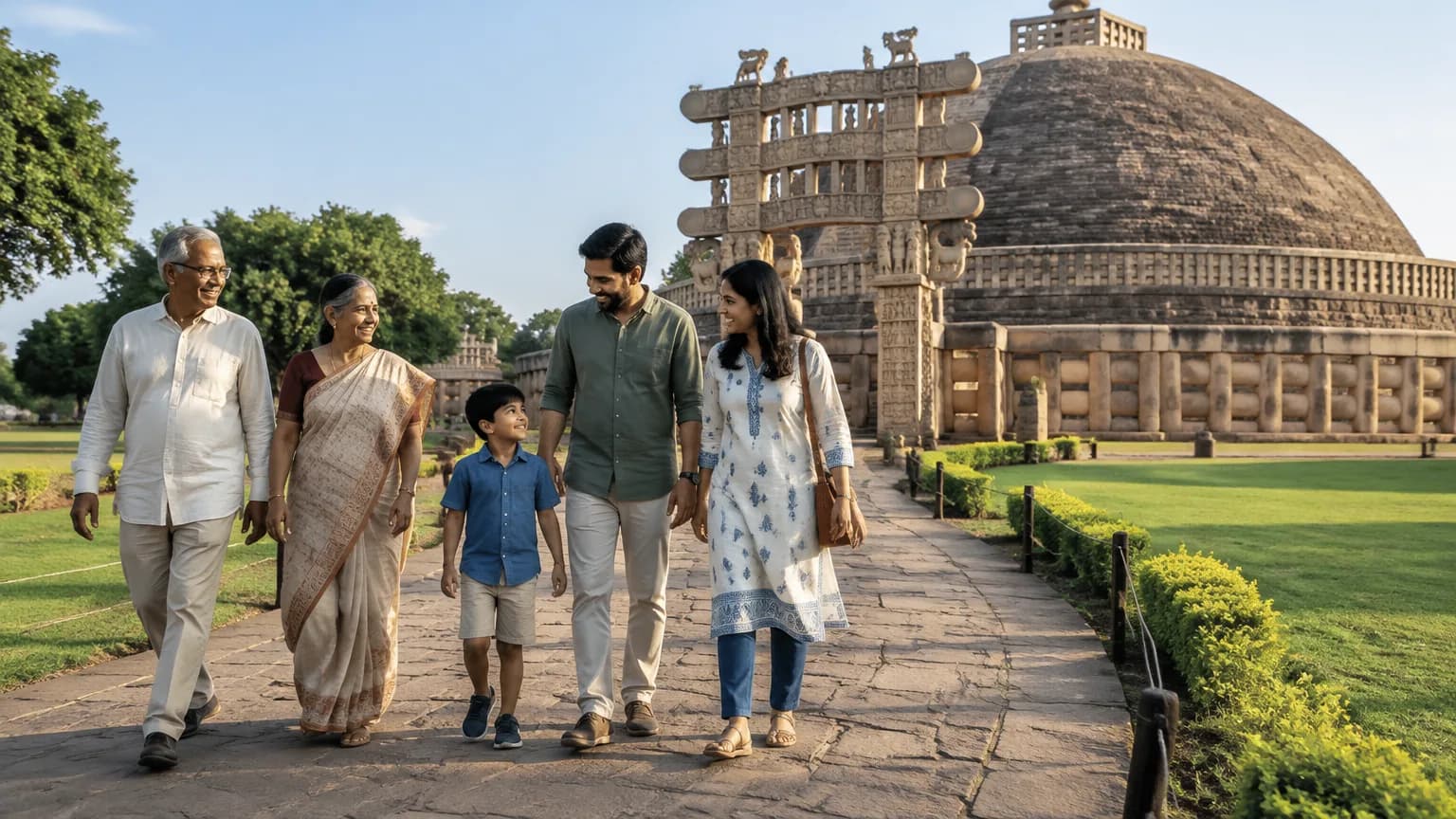
Madhya Pradesh tour packages cover a central Indian state built around UNESCO heritage sites, tiger reserves and historic cities. This destination suits first-time planners who want Sanchi, Khajuraho, Kanha and Bandhavgarh in one connected loop. October to March is the best window, and a practical first trip runs seven to nine days.
Curated starting points
Begin with a thoughtfully paced itinerary, then change the stays, experiences, route, and budget with a Tripstor specialist.
Starting from
₹24,500/ person
Destination guide
Practical context, local highlights, and honest planning advice — written for travellers from India.
Field notes
A considered guide to Madhya Pradesh
Madhya Pradesh sits at the centre of India, spanning four distinct areas: Malwa in the west, Bundelkhand in the north-east, the Narmada and Satpura belt in the south, and the eastern wildlife corridor. A trip here is rarely a single-city break — most itineraries combine heritage sightseeing with at least one national park.
The peak season runs October to February, with cool, dry weather across the state. A practical first trip takes seven to nine days; covering the major heritage sites and two parks properly needs closer to ten. Indore is the main air gateway, with Bhopal, Jabalpur, Gwalior and Khajuraho also served by scheduled flights.
Three things consistently bring travellers to this destination: the concentration of UNESCO heritage, the number of functioning tiger reserves, and the ease of moving between them on existing rail and road networks.
Most first trips are built around a short list of heritage towns and wildlife parks. The ten places below cover the state's main draws and give a practical sense of where each fits in a route.
| Place | Type | Why it appeals | Visiting tip |
|---|---|---|---|
| Khajuraho | UNESCO temple town | The Khajuraho Group of Monuments is one of India's most visited heritage sites, known for its carved temples | Khajuraho Airport is about 2 km from the town centre, so it works as a convenient first or last stop |
| Sanchi | UNESCO Buddhist site | Ancient Buddhist monuments including the Great Stupa, dating to the Mauryan period | Bhopal is the closest practical base; pair the two in the same leg of your trip |
| Bhimbetka | UNESCO rock shelters | Prehistoric rock art in Raisen district, among the oldest evidence of human habitation in the subcontinent | Visit in the cooler morning hours; the site involves walking on uneven ground |
| Kanha National Park | Tiger reserve | Covers about 940 sq km across Mandla and Balaghat districts; known for Bengal tigers and barasingha | Book jeep safaris through the Madhya Pradesh Forest Department portal well in advance |
| Bandhavgarh National Park | Tiger reserve | Umaria district park with three safari zones: Tala, Magadhi and Khitauli | Umaria is the usual railhead; Jabalpur and Khajuraho also work depending on your route |
| Pench National Park | Tiger reserve | Spans Seoni and Chhindwara districts; morning safaris run roughly 6:30 AM to 10:30 AM, varying by season | A good first-park choice for families because the terrain is relatively open |
| Panna National Park | Tiger reserve | Located in Panna and Chhatarpur districts, close to Khajuraho | Combine with Khajuraho since the two are geographically close |
| Orchha | Heritage town | Bundelkhand fort and temple complex on the Betwa river | Accommodation clusters along Bypass Road, within easy reach of the monuments |
| Mandu | Historic Malwa site | Ruined city with Afghan-era palaces including Jahaz Mahal; local market worth a browse | Jahaz Mahal is a good sunset stop |
| Ujjain | Pilgrimage city | One of the seven sacred cities in Hinduism, on the Shipra river; home to the Mahakaleshwar Jyotirlinga | Accommodation clusters near Mahakal Marg and the city centre; budget stays are easy to find |
October to March is the best window for most travellers, with cool, dry conditions and all parks and heritage sites open. Each part of that window has a different character.
Peak season (October to February): Temperatures range from about 5°C at night in December to 27°C in the day. October, November and December see the highest crowds and peak prices. January is cooler at night — around 10°C to 25°C — but still excellent for safaris. This is when tiger sightings are most reliable because the undergrowth is thin and animals come to waterholes.
Shoulder months (February and March): Mild and dry, with slightly lower prices and thinner crowds than peak. Daytime heat starts building in March, but mornings and evenings are still comfortable. A good option for travellers who want the full circuit without the peak-season rush.
Months to avoid (April to June): Plains temperatures can reach 45°C, particularly in April and May. Wildlife sightings can actually be good in summer because animals concentrate near water, but the heat makes long drives uncomfortable. Not recommended for families with young children or elders.
Monsoon (July to September): Moderate rain closes many core national-park areas. Exact dates vary by park — Kanha, for example, is listed as open from October 15 to June 30, with core-zone safaris shut during the monsoon. Bandhavgarh's buffer zones operate year-round, but core safari zones follow seasonal dates. Check the official Madhya Pradesh Forest Department portal for current park schedules before booking.
Flying into Indore is the most common approach. Devi Ahilyabai Holkar Airport (IDR) is about 8 km west of the city, and the air journey from Delhi takes roughly 3.5 hours.
Other airports in the state are Gwalior (GWL), Jabalpur (JLR) and Khajuraho (HJR). Regular services connect these with Delhi, Mumbai, Varanasi and Nagpur. Travellers heading directly to the eastern parks often fly into Jabalpur and transfer to Kanha or Bandhavgarh by road.
By rail, the key junctions are Bhopal, Bina, Gwalior, Indore, Jabalpur, Katni, Ratlam and Ujjain. For Bandhavgarh, Umaria is the nearest railhead. Most travellers arriving by train at Bhopal or Indore then transfer to a city hotel before heading to the parks the next day.
Road access is also practical. Buses connect Pachmarhi with Bhopal, Nagpur, Jabalpur, Chhindwara and Pipariya. Within cities, auto-rickshaws, taxis and local buses cover short distances. As of January 2026, typical local fares were: bus ₹10–₹50, auto-rickshaw ₹50–₹150, short taxi ride ₹150–₹300, and intercity train ₹200–₹1,200. Confirm current fares at booking.
Pick two or three bases rather than one. The state is large, and a single base means long daily drives that eat into sightseeing time.
A sensible first route uses three bases and runs about nine nights, moving from the heritage belt in the west to the wildlife parks in the east. This order keeps travel logical and saves backtracking.
With only seven days, drop one park and keep two bases. With ten days, add Orchha between Bhopal and Khajuraho — it sits naturally on the route and adds a half-day of fort and temple sightseeing.
This destination suits travellers who want heritage and wildlife in the same trip and are comfortable with some road and rail movement between bases. It is not a single-resort holiday.
Families do well here. Van Vihar in Bhopal is an easy introduction to wildlife for children, and Pench is one of the more accessible parks. Mid-range hotels are available in most cities. Couples tend to gravitate towards Khajuraho, Orchha and the Kanha lodges, where the pace is slower and the setting more atmospheric. Elders are comfortable on the heritage circuit — walking at Sanchi, Bhimbetka and Khajuraho is mostly flat and short — but safari days involve early starts, open jeep rides and uneven tracks.
It is not the right choice if you want a single-location beach holiday with no transfers, or if you are travelling in April and May and cannot manage 45°C heat in the plains. Travellers short on time should choose either the heritage belt or the wildlife belt, not both — trying to do everything in under six days usually means rushing every stop.
Tripstor offers this destination across several trip styles, so you can match the pace and focus to your group. Packages start from Rs.24,999 per person on land only, twin sharing — confirm at booking what your dates, hotel category and inclusions add to that base figure.
A few specific points make the difference between a smooth trip and a rushed one.
When your dates are settled, the Madhya Pradesh package page is a good place to see what a full trip includes.
Personalise your trip
Choose a travel style as your starting point. We'll refine the pace, stays, experiences, and budget until the journey feels entirely yours.
Not sure which fits? Use our trip builder — it takes under two minutes.
Got questions?
Straight answers on visas, pricing, best time to visit, and how our packages work for Indian travellers.
8 answered below
Social proof
Feedback from Indian holidaymakers who travelled with Tripstor.
4.8
from 432+ reviews
FamilyBooked a family package for 7 nights covering Port Blair, Havelock, and Neil. The Cellular Jail light and sound show on Day 1 set a good tone for the trip. Kids were engaged throughout and the itinerary was not too rushed.
CoupleNorway is expensive but the experience is worth planning for. We did the Flam Railway and the Sognefjord on Day 5. Tripstor gave us a realistic budget breakdown before we booked, which I appreciated. No surprises on the ground.
HoneymoonHoneymooned in Kashmir for 7 nights in May. Gulmarg had light snow still and we got a gondola ride on Day 4. The tulip garden in Srinagar was in full bloom. Tripstor arranged a candlelit dinner on the houseboat which was a nice touch.