
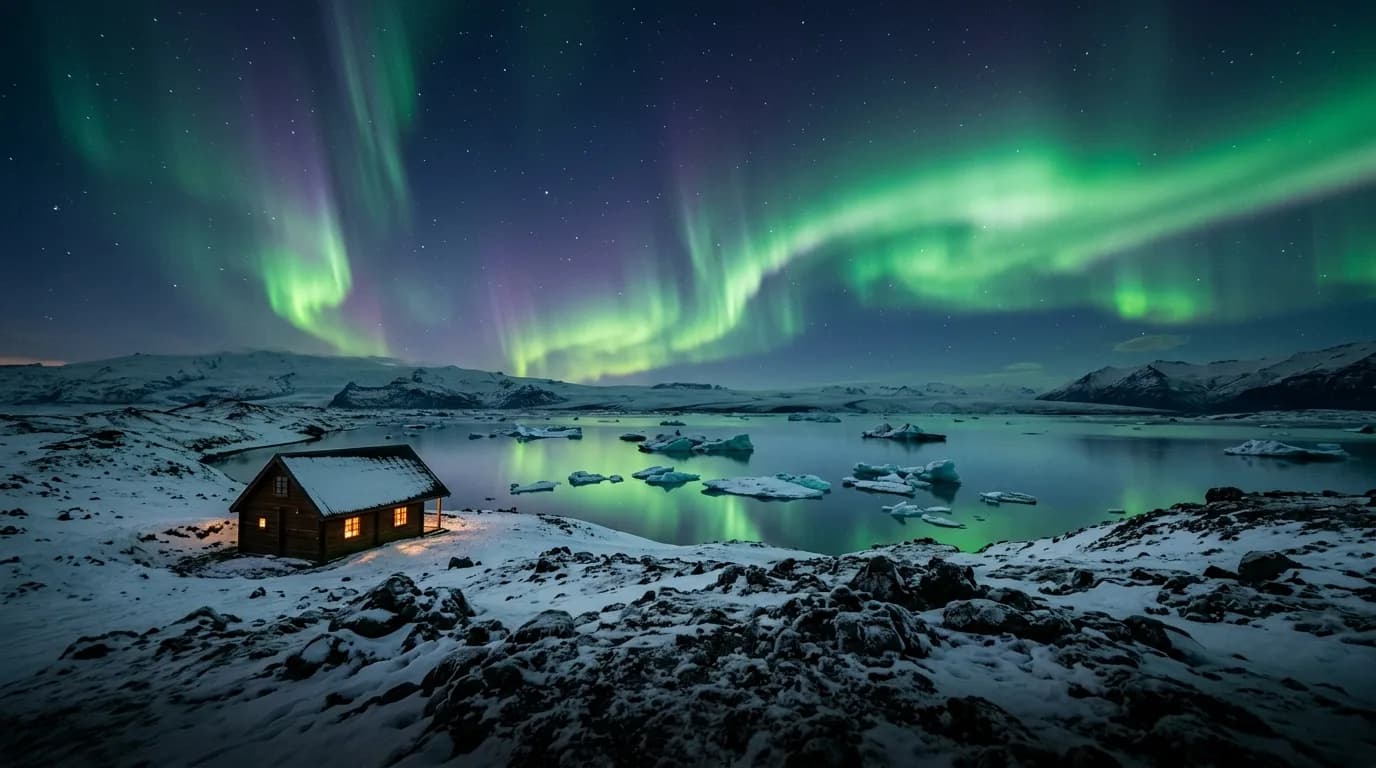
Curated starting points
Find a Iceland journey that feels like yours.
Begin with a thoughtfully paced itinerary, then change the stays, experiences, route, and budget with a Tripstor specialist.
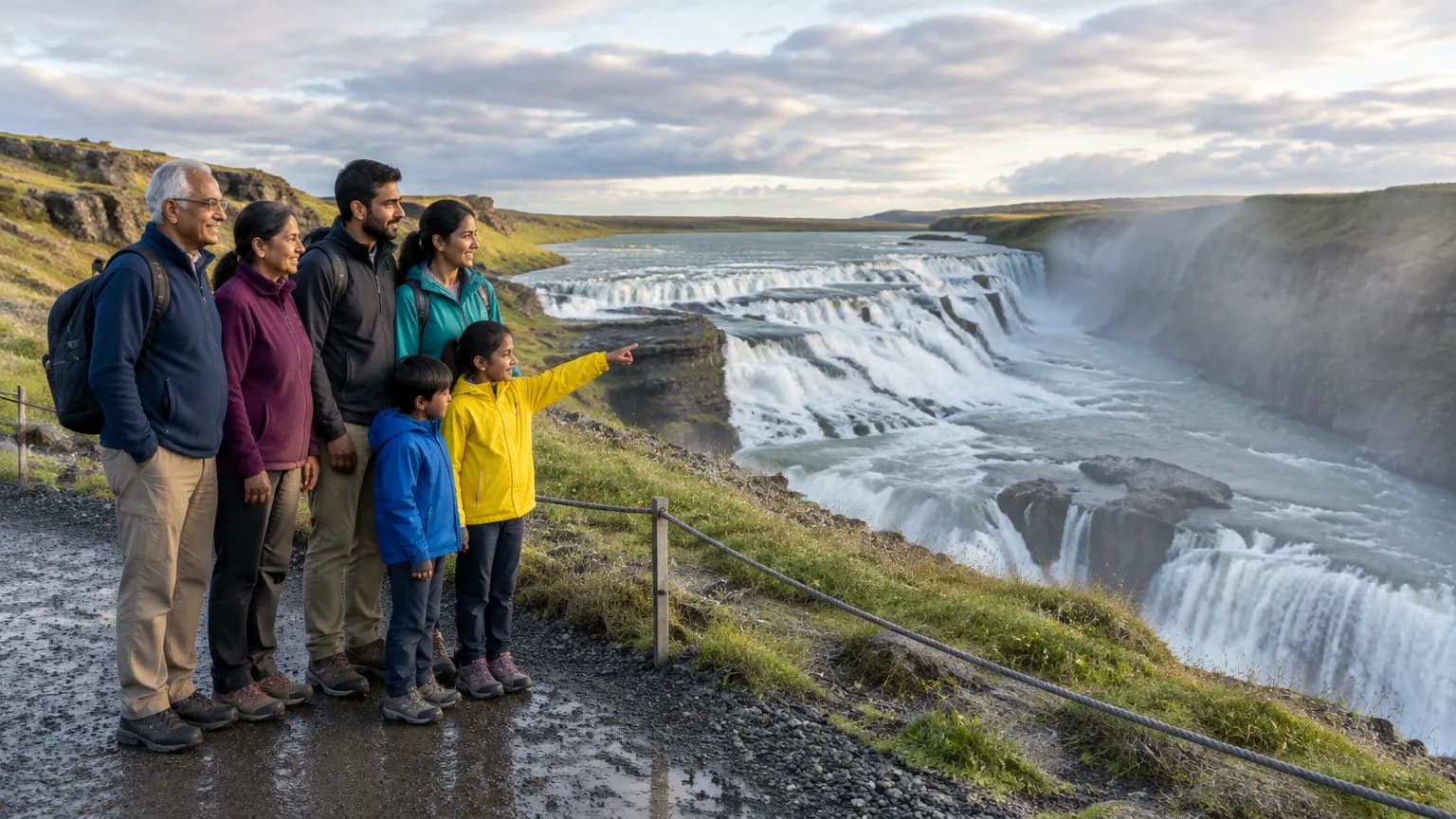
Iceland · Flexible itinerary
Iceland Golden Circle Family Holiday 7N 8D
Starting from
₹97,000/ person
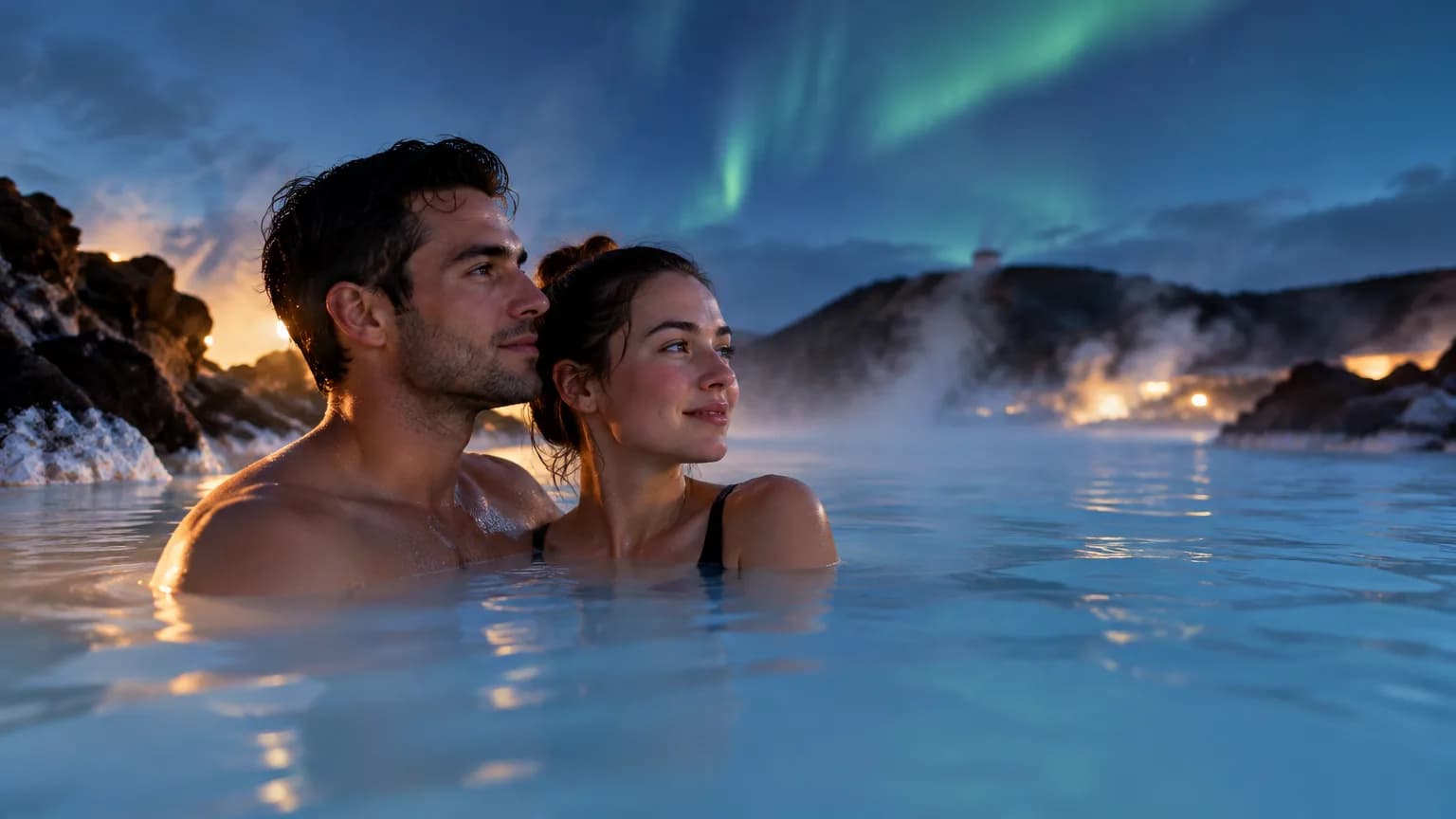
Iceland · Flexible itinerary
Iceland Blue Lagoon & Aurora Honeymoon 6N 7D
Starting from
₹94,500/ person
Destination guide
Know Iceland before you go.
Practical context, local highlights, and honest planning advice — written for travellers from India.
Field notes
A considered guide to Iceland
Altitude, access and season at a glance
Iceland is a Nordic island where nearly all the classic sights sit at low altitude, so thin air is not the planning issue. Roads, wind and daylight are. Keflavík International Airport (KEF) is the gateway, about 45 minutes from Reykjavík.
| Planning point | What to know |
|---|---|
| Region | Nordic Europe, an island in the North Atlantic |
| Altitude | Low for the Golden Circle, South Coast and Reykjavík; the highlands are higher and open only in summer |
| Gateway | Keflavík International Airport (KEF), around 45 minutes from Reykjavík |
| Best seasons | June to August for mild weather and long daylight; September to March for northern lights and lower prices |
| Ideal trip length | Around 5 days for Reykjavík and the Golden Circle; around 10 days for the full Ring Road |
| Road access | Highland F-roads generally open from mid-June and close in winter |
The Westfjords need at least three nights on their own, so they suit longer trips. In winter, weather can affect roads and access, which is why a spare day in the plan is worth more than one extra sight.
Valleys, viewpoints and places worth the climb
Most famous places in Iceland are roadside stops or short walks, so the effort goes into the driving rather than the climbing. Grouping stops by area keeps the days from turning into long loops.
Golden Circle and South Iceland
- Þingvellir National Park is a UNESCO World Heritage Site and part of the Golden Circle. The paths are gentle and suit most ages.
- Geysir geothermal area has erupting geysers in a compact site. Stay behind the ropes, as the ground is hot.
- Gullfoss Waterfall is one of the Golden Circle's main sights. Wind and spray make a waterproof shell essential.
South Coast
- Seljalandsfoss and Skógafoss are two waterfalls reachable from the roadside. Expect to get wet near the base.
- Reynisfjara is a black-sand beach. Keep well back from the waves, which can surge without warning.
- Sólheimajökull and Vatnajökull are glaciers visible from the South Coast. Take a guide for any walk on the ice.
Reykjavík and hot springs
- Hallgrímskirkja Church and Harpa Concert Hall are Reykjavík landmarks in the compact city centre, easy on foot.
- Reykjadalur Valley is a hike to natural hot springs where you can bathe. The warm water feels better than the walk back in the wind.
For longer trips, the Westfjords offer kayaking, hiking and wildlife watching. The Laugavegur route runs from Landmannalaugar through Þórsmörk towards Skógar and is a serious multi-day trek for fit walkers with proper gear.
Snow, rain and clear-sky months
Iceland has no monsoon. Rain falls through the year, and October is the wettest month at around 85.6 mm. What changes with the season is daylight, snow cover and which roads are open.
| Season | Temperatures and daylight | Roads and access | Best for |
|---|---|---|---|
| Winter (Oct-Apr) | Cold and dark; January runs from -3.0 to 1.9 C | Some roads close seasonally; highland F-roads shut | Northern lights, lower prices, fewer crowds |
| Spring (Apr-May) | Improving daylight; May runs from 3.6 to 9.4 C | Main roads usually open; highlands still closed | Quieter sights, shoulder-season value |
| Summer (Jun-Aug) | Mild with long daylight; July runs from 8.3 to 13.3 C | Highland F-roads generally open from mid-June | Ring Road trips, families, long sightseeing days |
| Autumn (Sep-Oct) | Fewer visitors; September runs from 5.0 to 10.1 C | Main roads open; watch for early winter restrictions | Couples, photography, aurora from September |
For snow, January and February are the most dependable months. For clear views and the easiest driving, June and July give the longest days. Families and first-timers usually do best in summer, couples chasing the northern lights in September or the winter months, and budget travellers in the low-price months from November to March. Prices and crowds peak from June to August and rise again around New Year week.
Roads and altitude: reaching Iceland
Indian travellers usually fly to Keflavík International Airport (KEF), often with a stop in Europe, and then drive or transfer about 45 minutes to Reykjavík. Weather can delay that last stretch, so a buffer day at the start, and another before the flight home, keeps the plan intact.
Altitude is rarely an issue on the standard routes, so there is no real acclimatisation to plan for. Cold and wind tire people faster than expected, so keep the first day light.
There are no trains in Iceland. Strætó buses connect Reykjavík with nearly every town and village along the Ring Road and in the Westfjords, and buses, ferries and domestic flights link other parts of the country. Self-drive tours are common. Journeys longer than two hours should typically be booked in advance, because departures may be cancelled without reservations.
Check road and weather conditions before driving, and use a four-wheel-drive vehicle where conditions call for one. Check current entry rules for Indian passport holders on the official government source before you book.
Base towns and where to stay
Choose bases by route rather than by property, and expect stay types to range from guesthouses and homestays to farm stays, lodges and larger hotels. Each area suits a different pace.
- Reykjavík is the capital-city base for Golden Circle day trips and city activities. It suits couples and families.
- Golden Circle area bases include Selfoss, Laugarvatn, Flúðir and Hella, useful for breaking up the southward drive.
- South Coast bases include Hvolsvöllur, Vík and Kirkjubæjarklaustur, with access to waterfalls, black-sand beaches and glacier trips.
- Southeast Iceland bases include Höfn and Djúpivogur, with access to glacier lagoons. Accommodation is limited, so book early.
- East Iceland bases include Egilsstaðir and Seyðisfjörður, with quiet fjords and fewer crowds.
- North Iceland bases include Akureyri, Mývatn and Húsavík, known for whale watching and northern lights activities.
- West Iceland and Snæfellsnes bases include Stykkishólmur, Grundarfjörður and Borgarnes, good for photography and a calmer pace.
Budget travellers tend to use guesthouses and public buses, mid-range trips pair comfortable hotels with guided day tours, and luxury trips add private guides and premium lodges. Land-only packages start from Rs.69,000 per person on twin sharing; confirm at booking what each tier includes.
Pacing the route
A sensible Iceland route uses two or three bases and leaves room for weather. Over-scheduling is the commonest mistake, because wind and rain slow every drive.
- Stop 1, Reykjavík: two nights for the city and a Golden Circle day, with a light first day after the flight.
- Stop 2, South Coast around Vík: two nights for Seljalandsfoss, Skógafoss, Reynisfjara and a glacier viewing or guided walk.
- Stop 3, for ten-day trips: continue east to Höfn for the glacier lagoons, then north towards Akureyri and Mývatn before returning to Reykjavík.
Add a rest day after any long driving stretch. In winter, hold one spare day in case a road closes, and shift outdoor sights to the middle of the day. In summer, long daylight lets you spread sightseeing into the evening, but sleep still matters.
Who Iceland suits, and who may prefer another hill trip
Iceland suits couples, families with older children, photographers and first-timers who want dramatic scenery without high-altitude trekking. It is less comfortable for travellers who dislike cold, long drives or changeable weather.
- Families with elders or children: the Golden Circle and South Coast have accessible stops. Paths can be uneven and windy, and medical access thins out beyond Reykjavík.
- Couples: hot springs, quiet fjords and northern lights suit honeymoons and anniversaries.
- Adventure seekers: glacier viewing, Laugavegur hiking and Westfjords kayaking.
- First-timers and solo travellers: Reykjavík is compact and walkable, and Strætó buses help with budgets.
Travellers who want warm weather, high mountain passes or festival-style crowds may prefer a Himalayan hill trip instead.
Ways to travel to Iceland
Tripstor groups Iceland trips into these styles. Pick the one that matches your pace and group.
- Short Getaway: a compact Reykjavík and Golden Circle break for first-timers.
- Best of: a balanced loop of the headline sights.
- Extended / Grand Tour: a longer Ring Road circuit for those with around ten days.
- Adventure: glacier viewing, hiking and rugged drives for active travellers.
- Trekking & Camping: multi-day routes such as Laugavegur, for fit walkers.
- Family: slower pacing with easy South Coast stops.
- Honeymoon: hot springs, quiet fjords and northern lights for couples.
- Luxury: private guides, helicopter tours and premium stays.
- Wellness & Relaxation: hot-spring time and a slower rhythm.
- Summer: long daylight and open highland access, suited to road trips.
Cold, health and gear tips
Iceland rewards preparation more than most European trips, and the weather can change within an hour. Five points matter most.
- Layers: thermal base layer, fleece and a waterproof windproof shell, plus gloves, a hat and waterproof shoes with grip.
- Altitude and fatigue: altitude sickness is unlikely on standard routes, but cold and wind cause tiredness. Rest between drives and carry water and snacks.
- Medicines: carry personal prescriptions and a basic first-aid kit, as pharmacies thin out beyond Reykjavík.
- Road timing: drive in daylight where possible, check road and weather conditions before setting out, and keep a spare day in winter.
- Signal, cash and entry: download offline maps before long drives, as signal can drop outside towns. Strætó fares can be paid by app, bus card or contactless credit card. Check current entry rules on the official government source before travel.
If you are ready to plan it, the Iceland packages page shows current options you can compare.
Personalise your trip
Shape Iceland around the way you travel.
Choose a travel style as your starting point. We'll refine the pace, stays, experiences, and budget until the journey feels entirely yours.
Not sure which fits? Use our trip builder — it takes under two minutes.
Got questions?
The questions travellers ask about Iceland.
Straight answers on visas, pricing, best time to visit, and how our packages work for Indian travellers.
8 answered below
Social proof
What Tripstor travellers say
Feedback from Indian holidaymakers who travelled with Tripstor.
4.8
from 432+ reviews
CoupleNorway is expensive but the experience is worth planning for. We did the Flam Railway and the Sognefjord on Day 5. Tripstor gave us a realistic budget breakdown before we booked, which I appreciated. No surprises on the ground.
HoneymoonHoneymooned in Kashmir for 7 nights in May. Gulmarg had light snow still and we got a gondola ride on Day 4. The tulip garden in Srinagar was in full bloom. Tripstor arranged a candlelit dinner on the houseboat which was a nice touch.
FamilyTravelled with my parents who are in their late 50s. Tripstor recommended two full acclimatization days in Leh before any high-altitude drives and that made a real difference. Tso Moriri was quieter than Pangong and honestly more worth the drive.