
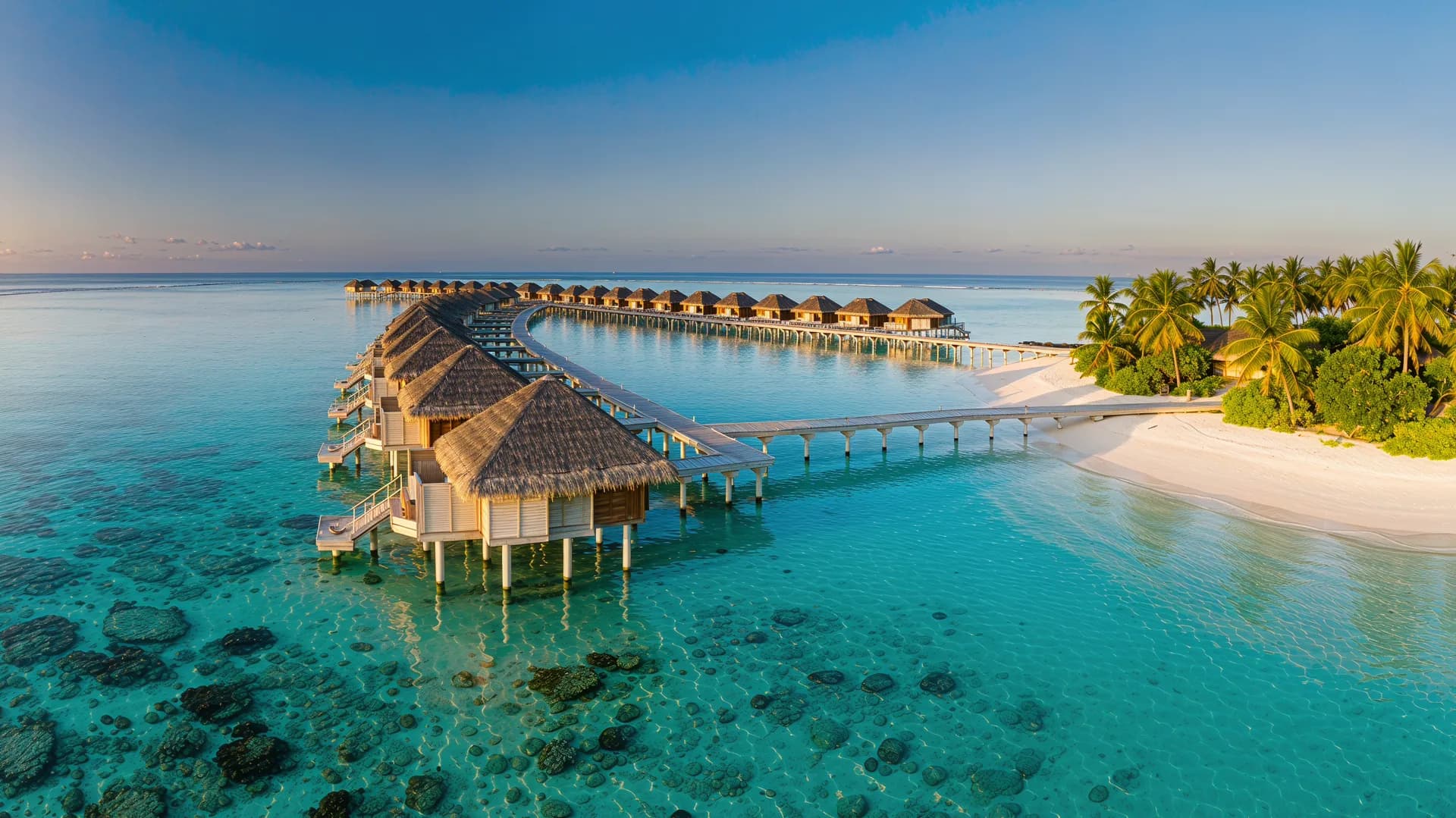
Curated starting points
Find a Seychelles journey that feels like yours.
Begin with a thoughtfully paced itinerary, then change the stays, experiences, route, and budget with a Tripstor specialist.
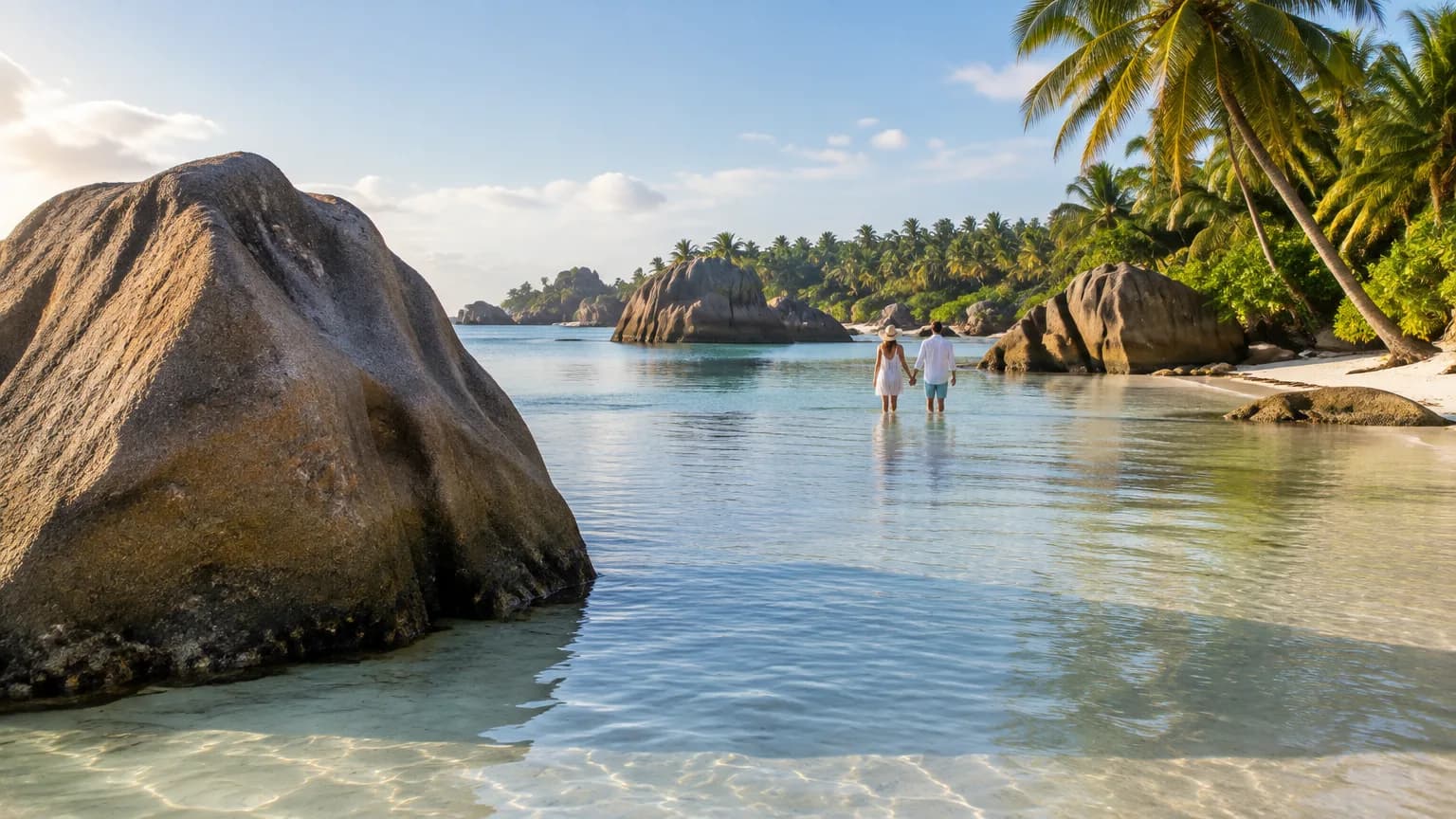
Seychelles · Flexible itinerary
Seychelles La Digue & Anse Source d'Argent Honeymoon 5N 6D
Starting from
₹93,500/ person
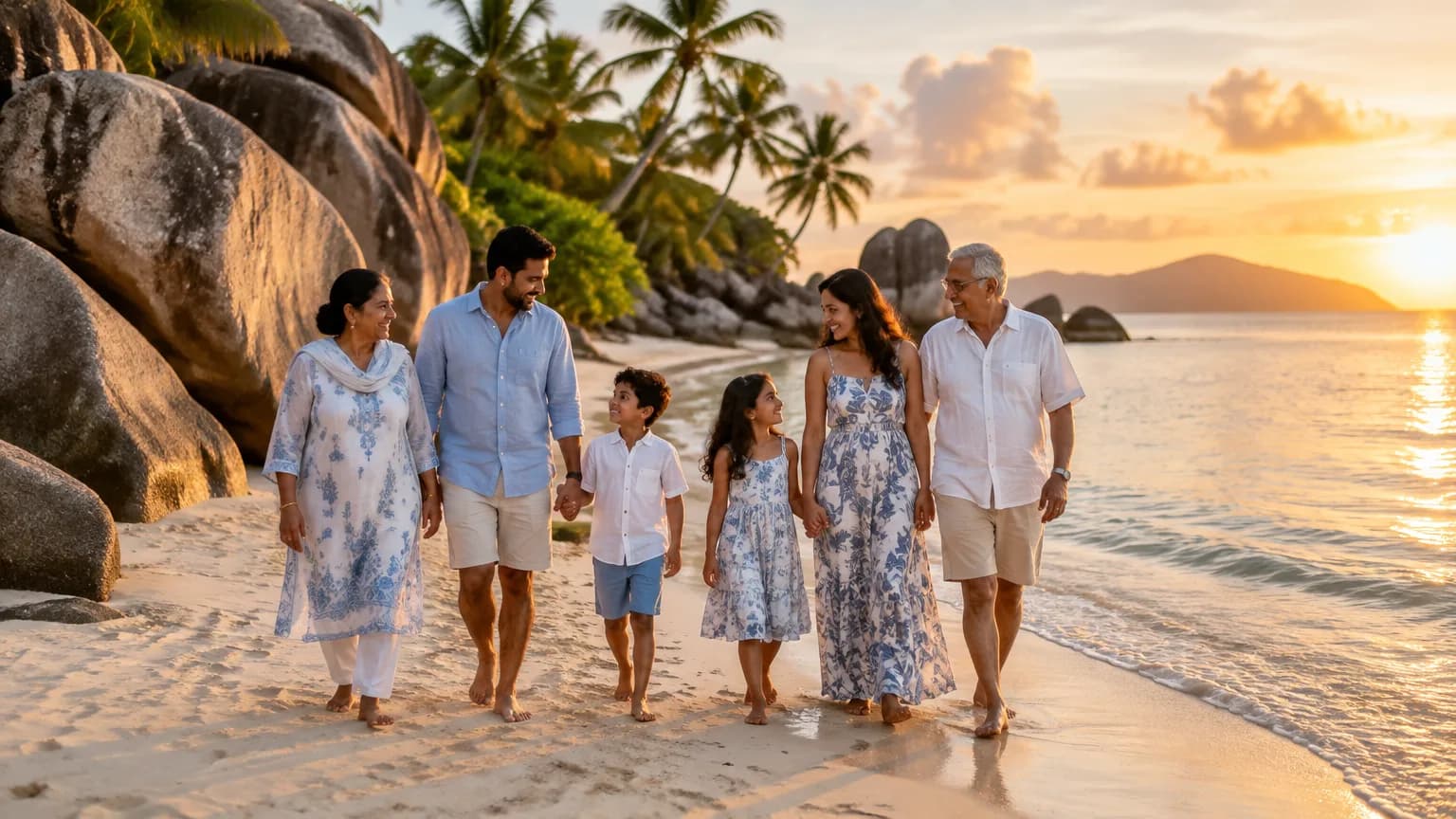
Seychelles · Flexible itinerary
Seychelles Mahé & Vallée de Mai Family Holiday 6N 7D
Starting from
₹98,000/ person
Destination guide
Know Seychelles before you go.
Practical context, local highlights, and honest planning advice — written for travellers from India.
Field notes
A considered guide to Seychelles
Seychelles Snapshot: Coast, Season and Trip Length
Seychelles is a group of 115 islands in the western Indian Ocean, with tourism concentrated on three main islands — Mahé, Praslin and La Digue. The coastline ranges from sheltered lagoons with granite boulders to open sandy stretches facing the Indian Ocean. Seven nights is a practical trip length; anything shorter means rushing the inter-island transfers.
The gateway is Seychelles International Airport (SEZ) on Mahé. Most Indian travellers fly in via a connecting hub; confirm current routing options with your travel consultant at booking. The best season for calm seas and dry weather runs from April through September, with April being particularly calm and windless. The northwest monsoon (November to March) brings heavier rain and more humidity, though the sea is generally calmer during this period.
Beaches and Stretches of Coast: Which Suits Whom
Each of the three main islands has a distinct coastal character, and choosing the right beach base shapes the whole trip.
- Anse Source d'Argent, La Digue: Accessed through L'Union Estate, this beach is known for its large granite boulders and shallow lagoons. The water is calm and shallow, making it suitable for families and non-swimmers. Go early in the morning to avoid the midday crowd.
- Anse Lazio, Praslin: A wide, open beach on the northwest tip of Praslin, used for swimming and relaxed beach days. It faces northwest, so it stays sheltered during the southeast trade-wind season. Quieter on weekday mornings.
- Beau Vallon, Mahé: The most accessible beach on Mahé, with a range of paddle sports, beach restaurants and evening activity. It suits travellers who want convenience alongside the beach. Crowds pick up on weekends and during peak season.
- Côte d'Or / Anse Volbert, Praslin: A long, calm stretch on the northeast coast of Praslin. Good for families and couples who want a quieter base with easy access to excursions. The water is generally calm from November to April.
- Grand Anse, Praslin: A less-visited beach on the south side of Praslin. The sea here can be rough during the southeast trade-wind period (May to October), so it is better suited to dry-season visits. Good for couples wanting fewer people around.
- Beau Vallon Bay area, Mahé: Beyond the main beach, the wider bay offers snorkelling spots and water-sports hire. Suitable for active travellers and those on a mid-range budget who want to stay close to Victoria and its market.
Sea Conditions and Water Activities by Season
The sea around Seychelles shifts significantly between the northwest monsoon (November to March) and the southeast trade-wind period (May to October), and the activity you plan should match the season.
From November to March, the sea is generally calm and warm, with lighter winds. Swimming is safe on most beaches during this period, and snorkelling conditions around sheltered reefs are good. However, heavy rainfall is concentrated in December and January, and occasional cyclones are possible during the wet season.
From May to October, the southeast trade winds create livelier and sometimes choppy seas, particularly on south- and east-facing coasts. Swimming on exposed beaches is restricted during this period. North- and northwest-facing beaches such as Anse Lazio and Beau Vallon remain more sheltered and usable.
April and the October–November transition are the calmest periods overall, with low wind and generally safe swimming across most beaches.
Water activities by season:
- Snorkelling and reef safaris: Best from November to April around St. Anne Marine National Park and sheltered reefs. Possible year-round on sheltered north-facing coasts.
- Diving: Coral reefs around the main islands support diving throughout the year; visibility and conditions are generally better from April to May and October to November.
- Paddle sports at Beau Vallon: Available during calmer months; check conditions locally during the trade-wind season.
- Island-hopping by ferry: High-speed ferries run year-round, but rough seas during the trade-wind season can affect comfort on the Mahé–Praslin crossing (approximately 60 minutes).
Best Months for the Beach
April, May and June are the most balanced months for a Seychelles beach holiday — low rainfall, calm seas and manageable crowds before the peak July–August rush.
| Period | Sea State | Rainfall | Crowds | Verdict |
|---|---|---|---|---|
| April | Calm | Moderate | High | Best overall balance; warm, windless, good swimming |
| May–June | Mostly calm (N-facing) | Low | High | Dry and clear; trade winds begin, avoid S-facing beaches |
| July–August | Choppy on S/E coasts | Low | Peak | Driest months but busiest; book well ahead |
| September–October | Easing | Moderate | Medium | Shoulder season; good value, fewer crowds |
| November | Calm | Moderate–heavy | Medium | Transition; calmer seas but rain increases |
| December–February | Calm | Heavy | Peak (Dec) / Medium | Wet season; calm water but expect rain; peak prices in Dec |
| March | Calm | Moderate | Medium | Late wet season; reasonable prices, calmer than Jan–Feb |
Where to Base Yourself on the Coast
The right base depends on which island you prioritise, your travel style and your budget tier. Each area has a distinct feel.
- Beau Vallon, Mahé: The most convenient base for first-time visitors. Close to the airport, Victoria and a range of activities. Mid-range guesthouses and self-catering apartments are available alongside larger resort-style properties. Suits couples and families.
- Côte d'Or / Anse Volbert, Praslin: A calm, beach-facing strip with dining options and easy access to Vallée de Mai and La Digue day trips. Mid-range to upscale stays. Good for couples and families spending most of their time on Praslin.
- Anse Kerlan, Praslin: The northwest corner of Praslin, quieter and more upscale. Suits couples looking for a more private stay with fewer crowds. Upscale resort category.
- La Passe, La Digue: The main village on La Digue, convenient for the ferry jetty, bicycle hire and local restaurants. Budget to mid-range guesthouses. Suits budget travellers and those who want a slower pace.
- Baie Sainte Anne, Praslin: The ferry arrival point on Praslin, with accommodation options close to the jetty. Practical for families managing luggage and transfers. Mid-range category.
- Grand Anse, Praslin: A quieter area on the south side of Praslin, better suited to couples visiting in the dry season when the sea is calmer on this coast. Mid-range stays.
Getting There and Getting Around the Coast
Indian travellers fly into Seychelles International Airport (SEZ) on Mahé, typically via a connecting hub in the Middle East or another Indian Ocean city. Confirm current routing and flight duration with your consultant at booking, as connections vary.
Once on Mahé, getting around is straightforward. SPTC buses connect most districts on Mahé and Praslin at a flat fare (confirm current fare at booking). Taxis and car rentals are widely available on both islands; arrange car hire in advance, particularly during peak season. Roads on Mahé can be narrow and steep, and driving is on the left.
La Digue runs at a different pace entirely — bicycles are the standard way to get around, and most visitors hire one on arrival. Scooter hire is also available on some islands; confirm current rates locally.
Between islands, high-speed ferries are the main option. The Mahé–Praslin crossing takes approximately 60 minutes; Praslin to La Digue is around 15 minutes. A short domestic flight also connects Mahé and Praslin for those who prefer to avoid the sea crossing during the trade-wind season.
For current entry requirements, visa rules and any travel advisories, check the official Seychelles government portal and the Indian government's travel advisory page before booking.
A Coast Route That Works
A seven-night split across the three main islands gives a good range without feeling rushed. This is an outline, not a fixed schedule — adjust the nights based on your pace.
- Mahé (2–3 nights): Start here, since the international airport is on Mahé. Use this time to visit Victoria's market and botanical gardens, do a reef safari at St. Anne Marine National Park, and settle into the trip. Beau Vallon is the most practical base for this leg.
- Praslin (2–3 nights): Take the ferry from Mahé (approximately 60 minutes) to Praslin. The main draw is Vallée de Mai — the UNESCO palm forest with coco de mer palms and Seychelles black parrots. Anse Lazio is the beach to spend a morning at. Base yourself at Côte d'Or for easy access to both.
- La Digue (1–2 nights): A short 15-minute ferry from Praslin. Hire a bicycle on arrival and ride to Anse Source d'Argent via L'Union Estate, where you can also see giant tortoises. La Digue has a noticeably slower pace than the other two islands, which suits the end of a trip.
The transfer effort between islands is low — ferries are frequent and the crossings are short. The main thing to plan is luggage: pack light for La Digue, as bicycles are the only practical transport.
Is Seychelles the Right Beach Trip for You?
Seychelles suits certain kinds of travellers well and is genuinely not the right fit for others.
Honeymooners are well served here. The combination of private beaches, calm lagoons, upscale villa-style stays and island transfers makes it one of the more complete honeymoon destinations in the Indian Ocean. The pace is relaxed, and the islands are small enough to feel private without being remote.
Families with children can have a good trip, particularly on La Digue (shallow lagoons, giant tortoises, bicycle rides) and Praslin (Vallée de Mai, reef safaris). The inter-island ferry transfers with young children and luggage need some planning, but they are manageable.
Water-sports and adventure travellers will find snorkelling, diving, paddle sports and hiking in Morne Seychelles National Park. The 905-metre peak in the national park is the main hiking draw on Mahé. That said, the range of adventure activity is narrower than destinations built around diving or surfing.
Quiet-seekers and slow travellers will find La Digue particularly well-suited — no cars, bicycle transport, and a pace that is genuinely unhurried. Praslin is also quieter than Mahé outside peak season.
Budget-conscious travellers can manage costs by using SPTC buses on Mahé and Praslin, cycling on La Digue and choosing guesthouse-style stays in La Passe or Beau Vallon. Seychelles is not a cheap destination overall, but budget options exist. Tripstor's Seychelles packages start from Rs.47,000 per person (land only, twin sharing).
Travellers who dislike ferry transfers, want a single-resort stay without moving around, or are looking for a short three- or four-night trip may find the logistics frustrating. The three-island format works best when you have at least seven nights.
Ways to Travel to Seychelles
Tripstor offers several trip styles for this destination, each suited to a different kind of traveller.
- Honeymoon: Designed for couples wanting private beach time, island transfers and upscale stays. The most popular style for this destination.
- Beach and Leisure: A relaxed format focused on beach days, snorkelling and slow island exploration. Suits couples and families who want a low-activity holiday.
- Beach: A straightforward beach-focused trip, typically based on one or two islands. Good for travellers who want simplicity over island-hopping.
- Luxury: Upscale resort or villa stays, private excursions and premium ferry or flight transfers between islands. Suits travellers who want a higher level of comfort throughout.
- Family: Itineraries built around family-friendly activities — giant tortoise visits, reef safaris with beach barbecue lunches, Vallée de Mai and bicycle days on La Digue.
- Adventure: Combines hiking in Morne Seychelles National Park, snorkelling and diving with the standard island transfers. Suits active travellers.
- Wellness and Relaxation: Slower-paced trips with spa inclusions and beach time. Suits travellers recovering from a busy year who want genuine rest.
- Budget: Uses public buses on Mahé and Praslin, guesthouse-style accommodation and bicycle transport on La Digue to keep costs manageable.
Beach-Trip Tips That Save the Day
- Sun protection is non-negotiable. Seychelles sits close to the equator and the UV index is high year-round. Carry reef-safe sunscreen, a rash vest for snorkelling and a wide-brimmed hat. The midday sun between 11am and 3pm is intense even on overcast days.
- Respect local dress codes away from the beach. Swimwear is for the beach and pool only. Cover up when visiting Victoria's market, Vallée de Mai or any village. A light sarong or shirt is enough and is expected.
- Carry cash and a card. Smaller guesthouses, bicycle hire shops and ferry terminals on La Digue may not accept cards. Check current card acceptance and currency exchange options with your bank before travel; confirm the current situation on the ground at booking.
- Book peak-season travel well ahead. July, August and December see peak prices and high demand for ferry slots, accommodation and excursions. If your dates fall in these months, confirm all bookings early — last-minute availability is limited and prices are at their highest.
- Check current entry rules before you travel. Entry requirements, visa rules and any health or travel advisories for Indian passport holders can change. Verify the current rules on the official Seychelles government portal and the Indian government's travel advisory page well before your departure date.
Once the plan feels right, compare the current Seychelles packages and pick the one that fits.
Personalise your trip
Shape Seychelles around the way you travel.
Choose a travel style as your starting point. We'll refine the pace, stays, experiences, and budget until the journey feels entirely yours.
Not sure which fits? Use our trip builder — it takes under two minutes.
Got questions?
The questions travellers ask about Seychelles.
Straight answers on visas, pricing, best time to visit, and how our packages work for Indian travellers.
8 answered below
Social proof
What Tripstor travellers say
Feedback from Indian holidaymakers who travelled with Tripstor.
4.8
from 432+ reviews
FriendsThree friends and I did a 9-night Australia package with stops in Melbourne and Sydney. We spent an afternoon at the Melbourne Cricket Ground and caught a local match. Tripstor sorted our group visa applications together which saved a lot of back and forth. Good experience overall.
FamilyBooked a family package for 7 nights covering Port Blair, Havelock, and Neil. The Cellular Jail light and sound show on Day 1 set a good tone for the trip. Kids were engaged throughout and the itinerary was not too rushed.
FamilyTravelled with my parents who are in their late 50s. Tripstor recommended two full acclimatization days in Leh before any high-altitude drives and that made a real difference. Tso Moriri was quieter than Pangong and honestly more worth the drive.