
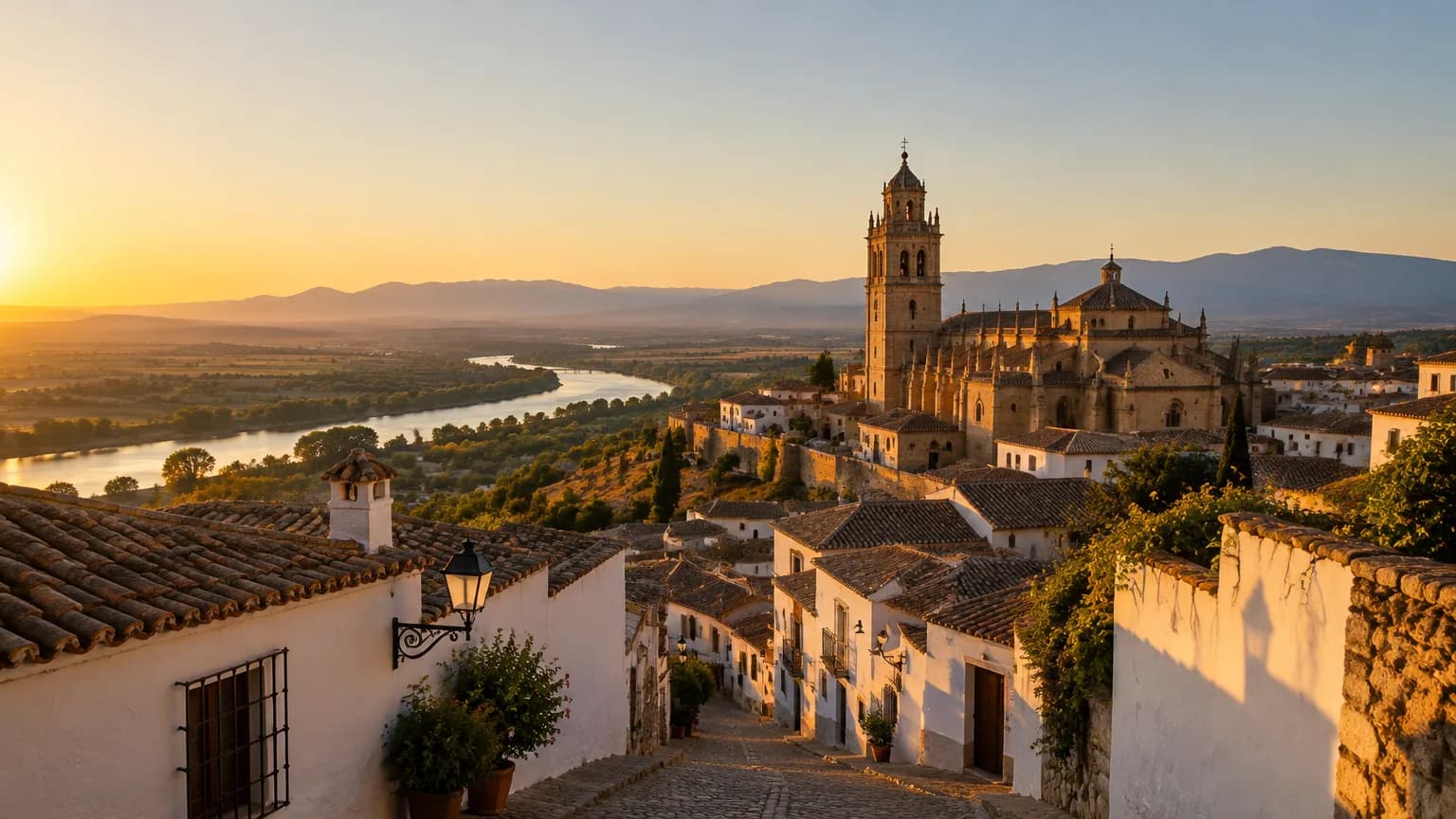
Curated starting points
Find a Spain journey that feels like yours.
Begin with a thoughtfully paced itinerary, then change the stays, experiences, route, and budget with a Tripstor specialist.
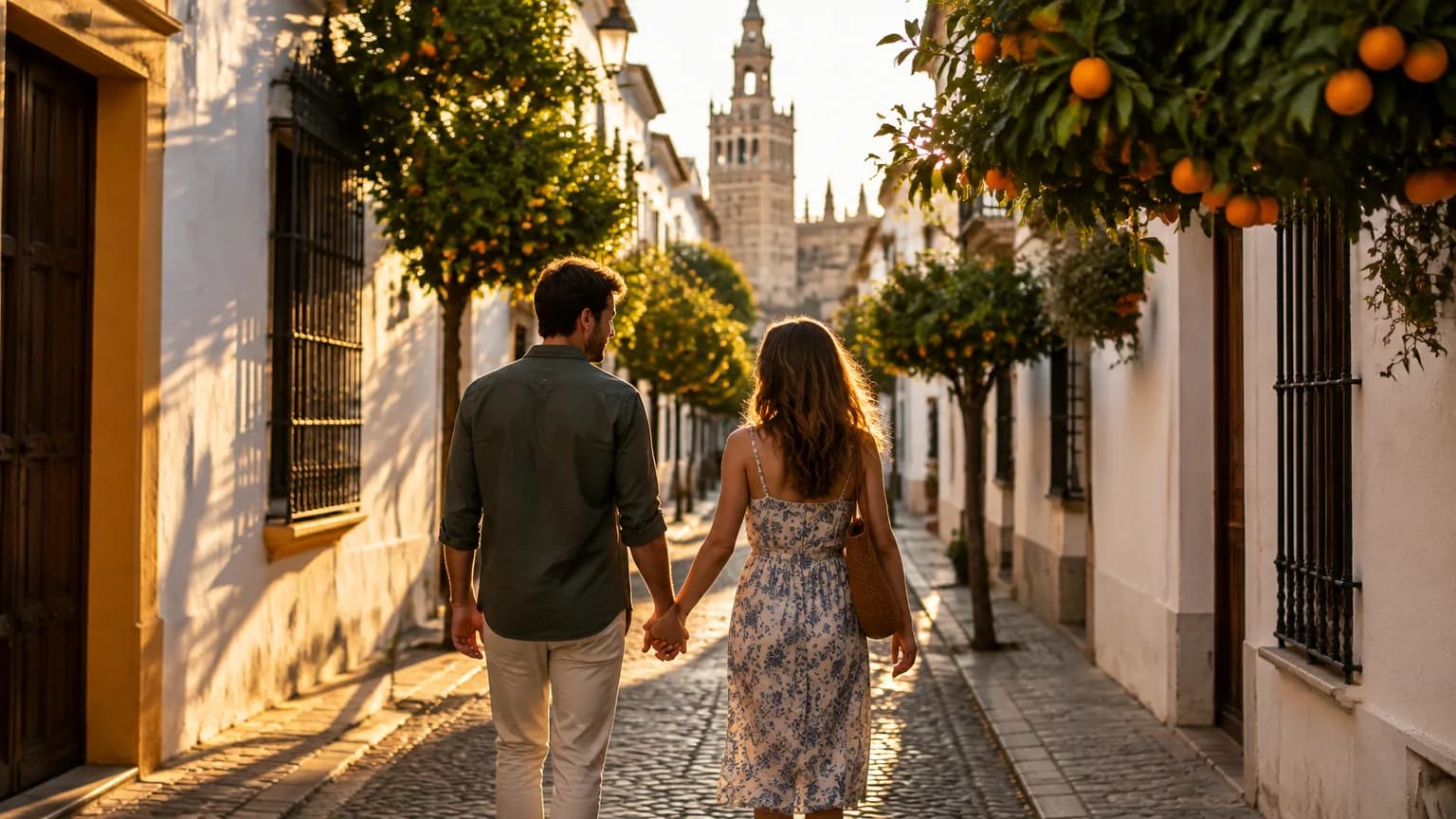
Spain · Flexible itinerary
Spain Barcelona & Seville Honeymoon 7N 8D
Starting from
₹72,000/ person
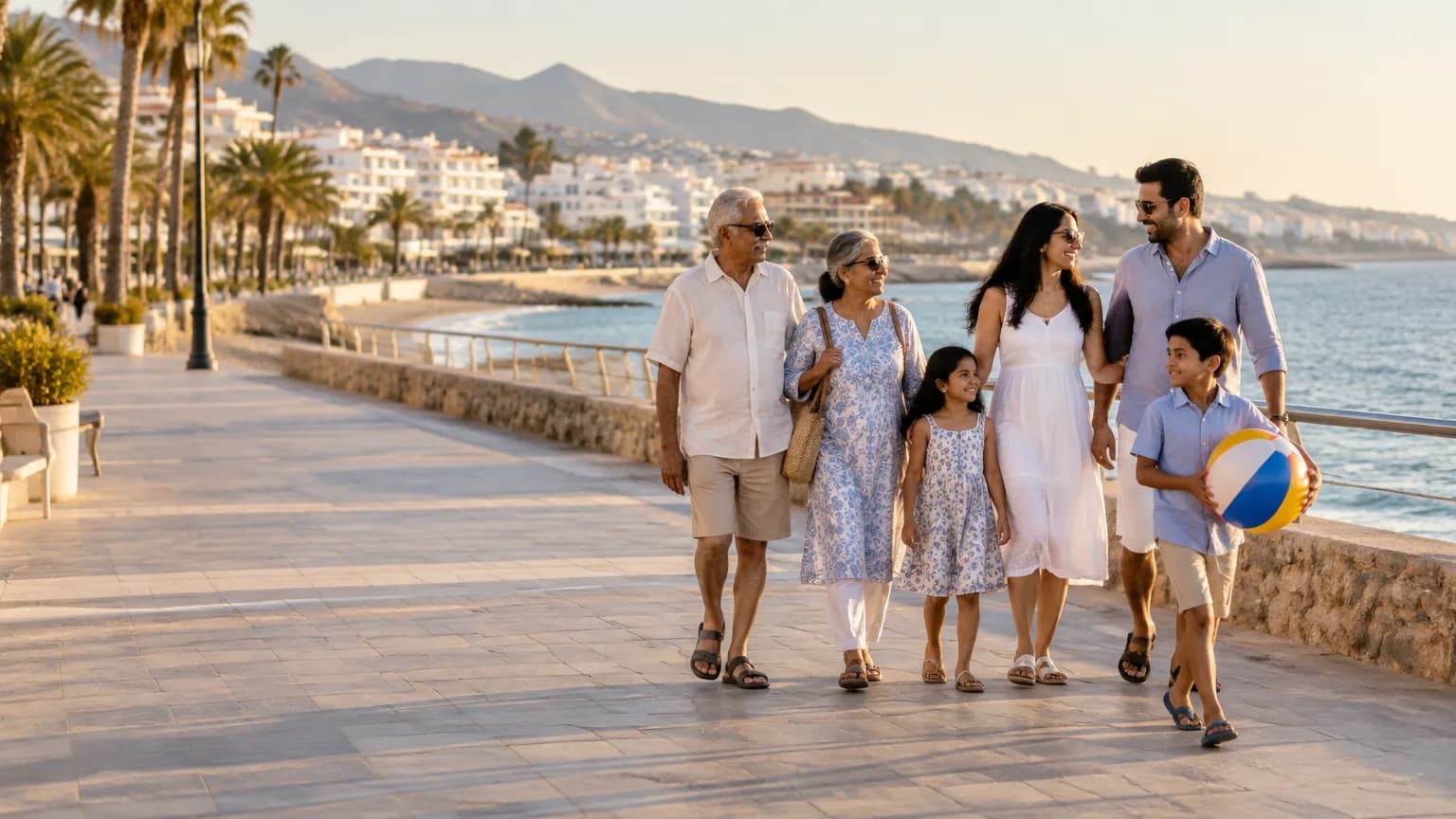
Spain · Flexible itinerary
Spain Costa del Sol Family Holiday 8N 9D
Starting from
₹73,500/ person
Destination guide
Know Spain before you go.
Practical context, local highlights, and honest planning advice — written for travellers from India.
Field notes
A considered guide to Spain
Spain at a Glance
Spain is an international European destination built around mainland cities, Mediterranean and Atlantic coastlines, the Balearic Islands and mountain national parks. Most Indian travellers take 6 to 7 nights for a first visit, covering two or three bases rather than attempting the whole country in one go.
Season shapes the trip significantly. Spring (March to May) and autumn (September to November) bring milder temperatures and moderate demand. Summer (June to August) is dry and hot, with peak crowds and peak prices; inland heat regularly crosses 40°C. Winter (December to February) is cool on the mainland and milder along the Mediterranean coast, with lower prices and fewer visitors.
Barcelona–El Prat (BCN) and Adolfo Suárez Madrid–Barajas (MAD) are the two main gateways. A standard 6-night outline works well: fly into Barcelona, take the train to Seville, and finish in Madrid for the return leg.
Why Travellers Choose Spain
Spain offers genuine regional variety within a single country, a strong events calendar and a travel structure that works well for Indian visitors who prefer organised city time with optional beach days.
The range within one country is the first draw. Atlantic Galicia has seafood and the endpoint of the Camino de Santiago. Asturias and Cantabria offer green mountains close to the sea. Mediterranean Valencia, Murcia, Andalusia and the Balearics cover beaches and festivals. Central Madrid anchors museum visits and day trips to nearby historic cities, while Castile and León carries important heritage sites and Castilla-La Mancha holds the plains associated with Don Quixote.
The events calendar is the second reason. Carnival of Cádiz and Carnival of Santa Cruz de Tenerife both run around mid-February 2026. Semana Santa takes over spring, Feria de Abril lands in April or early May, San Isidro in Madrid falls around 15 May, and the Bonfires of San Juan happen on 23–24 June. September brings the San Sebastián International Film Festival and La Mercè in Barcelona around 24 September.
Third, the practical structure suits Indian travellers. Walkable old quarters, tapas evenings and flamenco shows in Seville fill evenings without late-night stress. National parks are largely open year-round and free to enter, and high-speed rail connects the main cities cleanly.
Top Places and Areas in Spain
A first trip works best with four to six areas; the rest can wait for a return visit. Each place below is a well-documented region or park.
- Barcelona – Modernista architecture, the Gothic Quarter and the waterfront. Stay near a metro line and use it between sights to save time and energy.
- Madrid – Museum-heavy city life with easy day trips to nearby historic towns. A central base keeps evenings walkable, including a tapas walk through La Latina.
- Seville – The Santa Cruz quarter, the cathedral and Alcázar, orange-tree lanes and flamenco shows. Mornings are cooler for walking; book flamenco in advance.
- Doñana National Park, Andalusia – Guadalquivir estuary wetlands with guided routes for Iberian lynx, imperial eagle and flamingos. Book guided access ahead of arrival.
- Monfragüe National Park, Extremadura – Mediterranean mountain and dehesa landscape, one of Europe's leading birdwatching areas. Carry binoculars and start early for the best sightings.
- Picos de Europa National Park, Cantabrian Mountains – Mountain hiking, climbing at Naranjo de Bulnes and the Fuente Dé cable car for elevated countryside views. Check weather before heading up.
- Teide National Park, Canary Islands – Scheduled tours, footpaths and visitor centres. Permits may be needed for certain activities; confirm before you go.
- Garajonay National Park, Canary Islands – UNESCO World Heritage park with tours and footpaths. Visitor centres help plan shorter routes for those with limited time.
- Ordesa and Monte Perdido National Park, Aragon – UNESCO World Heritage park with tours and footpaths. Confirm access arrangements locally, as some activities require advance booking.
- Valencia and the Balearic Islands – Mediterranean beaches and festivals. Note that many Balearic beach venues, restaurants and ferries may close from November through March.
Best Time to Visit Spain
May, June and September offer the best balance of comfortable weather, manageable crowds and moderate prices for Indian travellers.
| Season | Months | Temperature range | Crowds and prices | Best for |
|---|---|---|---|---|
| Spring | March–May | 8–27°C | Low to medium; prices medium | City sightseeing, festivals, hiking |
| Summer | June–August | 25–42°C | High; prices peak | Beaches; avoid inland heat |
| Autumn | September–November | 5–28°C | Medium to low; prices medium to low | Warm early autumn, quieter later |
| Winter | December–February | 0–18°C | Low; prices low | City and culture trips, lower costs |
April and October are reliable shoulder months. April is mild with some rain; October stays warm early and cools toward the end. July and August suit beach trips but inland cities can reach 40°C or higher, and heat-related illness is a genuine risk. December to February works well for city and culture travel, with cool mainland conditions and lower demand.
Northern Spain is wetter than the south and Mediterranean areas, particularly in cooler months. If Picos de Europa or Galicia is on the plan, pack a light rain jacket regardless of season.
How to Reach Spain from India
Barcelona–El Prat (BCN) is the usual arrival point for Indian travellers, with Madrid–Barajas (MAD) as the other main gateway. Flights from Delhi, Mumbai, Bengaluru, Chennai, Hyderabad, Kolkata, Ahmedabad and Kochi typically connect via Singapore with one stopover; scheduled journey times run roughly 17.5 to 19 hours depending on the departure city.
From the airport, most trips transfer by metro, train or pre-booked car to the first city base. Internal movement between Barcelona, Seville and Madrid is usually by high-speed or regional rail. A monthly Single Pass covering commuter and regional trains and state-run buses costs €60 general or €30 for young persons (as of 2026); Renfe Avant also offers 10–30 journey and Pase Vía passes with a 50% discount for travel starting 1 January 2026. Confirm current pass availability and eligibility at booking.
Check the current entry rules on the official government source before booking. Keep all travel documents in order for airline and border checks.
Where to Base Yourself
Two or three city bases work better than a single fixed point for most Spain trips. The right area within each city depends on travel style and budget.
Barcelona
- Eixample – Central district with metro connections; suits couples and families. Good mid-range and higher-end options.
- El Born – Medieval district near the waterfront; suits couples. Sources note nighttime noise.
- Gothic Quarter – Medieval quarter near the waterfront; suits couples. Also noted for nighttime noise.
Seville
- Santa Cruz – Old Jewish quarter near the cathedral and Alcázar, with narrow lanes and orange trees. Good for couples and families across mid-range and higher tiers.
Madrid
- Puerta del Sol – Central area with access to major museums; suits families and couples.
- Malasaña – Young, creative atmosphere; suits couples. Mid-range and boutique options.
- Chueca – Boutique hotel district; suits couples.
- La Latina – Good base for an evening tapas walk; suits couples.
Rates move with season and location. Check current prices for your specific dates rather than assuming a fixed band; summer and central-city stays cost more.
A Route Worth Following
For a first visit, three bases across 6 nights covers the essentials without rushing. Start with 2 nights in Barcelona: Modernista architecture, the Gothic Quarter and La Boqueria market fill the days, and the city is walkable enough to ease jet lag. Then take the train to Seville for 2 nights, covering Santa Cruz, the cathedral, the Alcázar and a flamenco evening. Finish with 2 nights in Madrid for museums, a tapas walk in La Latina and a day trip to a nearby historic town.
The order makes practical sense. Barcelona first gives you a walkable arrival city. Seville's heat is easier to handle earlier in the trip before fatigue sets in. Madrid last keeps the airport transfer short for the return leg. If you have 8 to 10 nights, add Valencia or a Balearic beach stop between Seville and Madrid, or build in a national park day if wildlife or hiking is the draw.
Is Spain Right for You?
Spain suits travellers who want museums, historic city quarters, Mediterranean beaches and regional variety in one trip, and who are comfortable moving between bases by train.
Families find walkable old quarters, national-park footpaths and visitor centres easy to manage. Couples and honeymooners have flamenco evenings, cable-car rides in Picos de Europa and quieter coastal stays. Senior travellers do well with scheduled national-park tours and city sightseeing, though peak inland summer heat is worth avoiding. Solo travellers benefit from Spain's well-marked national-park trails and reliable rail connections.
This destination is less suited if you want one fixed resort base with no travel between areas, or if long-distance movement between coastal, inland and island areas is a concern. Summer heat inland and November-to-March closures of many Balearic beach venues, restaurants and ferries are two things to plan around carefully.
Ways to Travel to Spain
Tripstor's Spain holiday options cover a range of travel styles, so the trip can be shaped around what matters most.
- Beach / Beach & Leisure – For travellers who want coast time as the main event, with light sightseeing on the side.
- Beach & Culture – Combines Mediterranean beach days with city monuments and old quarters.
- Cultural & Heritage / – Focuses on historic cities, museums, festivals and regional traditions.
- Best of Spain – A loop of the main cities; well suited to first-timers who want the highlights in one trip.
- Extended / Grand Tour – Covers more ground across regions; suits travellers with 10 or more nights.
- Family – Builds in shorter travel days, national-park visits and family-friendly city areas.
- Honeymoon – Quieter stays, private transfers and a slower pace through coastal and city highlights.
- Luxury – Higher-end accommodation in central districts with private arrangements throughout.
- Wellness & Relaxation – Keeps the pace slow, with fewer bases and more time in each location.
Land-only packages start from Rs.47,000 per person on twin sharing. Confirm what each style includes at booking, as inclusions vary by theme and duration.
Five Practical Tips for Travellers
- Pack for the climate you will actually face. Inland summer days need a hat, sunscreen and extra water; heat-related illness is a documented risk above 40°C. Northern areas need a light rain jacket year-round.
- Learn a few Spanish phrases. Regional languages are used in parts of Catalonia, the Basque Country and Galicia, so English is not always enough outside major city centres.
- Guard your bags in tourist areas. Pickpocketing is reported around La Rambla in Barcelona and Madrid's Sol and Atocha areas. Any approach involving a request for money on behalf of Spanish authorities should be treated as a scam and reported to local police with location, time and details.
- Know the basics on health and safety. Tap water is reported safe to drink. Emergency services are on 112; Policía Nacional is 091 and Guardia Civil is 062. Travel insurance is advised for non-EU visitors. Obey beach warning flags and avoid coastal areas during severe weather warnings.
- Check entry rules before you fly. Confirm the current requirements on the official government source closest to your departure date. Requirements can change, so rely on the official source rather than older advice.
Browse the Spain holiday packages to see how these choices turn into a bookable trip.
Personalise your trip
Shape Spain around the way you travel.
Choose a travel style as your starting point. We'll refine the pace, stays, experiences, and budget until the journey feels entirely yours.
Not sure which fits? Use our trip builder — it takes under two minutes.
Got questions?
The questions travellers ask about Spain.
Straight answers on visas, pricing, best time to visit, and how our packages work for Indian travellers.
8 answered below
Social proof
What Tripstor travellers say
Feedback from Indian holidaymakers who travelled with Tripstor.
4.8
from 432+ reviews
CoupleNorway is expensive but the experience is worth planning for. We did the Flam Railway and the Sognefjord on Day 5. Tripstor gave us a realistic budget breakdown before we booked, which I appreciated. No surprises on the ground.
HoneymoonHoneymooned in Kashmir for 7 nights in May. Gulmarg had light snow still and we got a gondola ride on Day 4. The tulip garden in Srinagar was in full bloom. Tripstor arranged a candlelit dinner on the houseboat which was a nice touch.
FriendsThree friends and I did a 9-night Australia package with stops in Melbourne and Sydney. We spent an afternoon at the Melbourne Cricket Ground and caught a local match. Tripstor sorted our group visa applications together which saved a lot of back and forth. Good experience overall.