Curated starting points
Find a Rajasthan journey that feels like yours.
Begin with a thoughtfully paced itinerary, then change the stays, experiences, route, and budget with a Tripstor specialist.
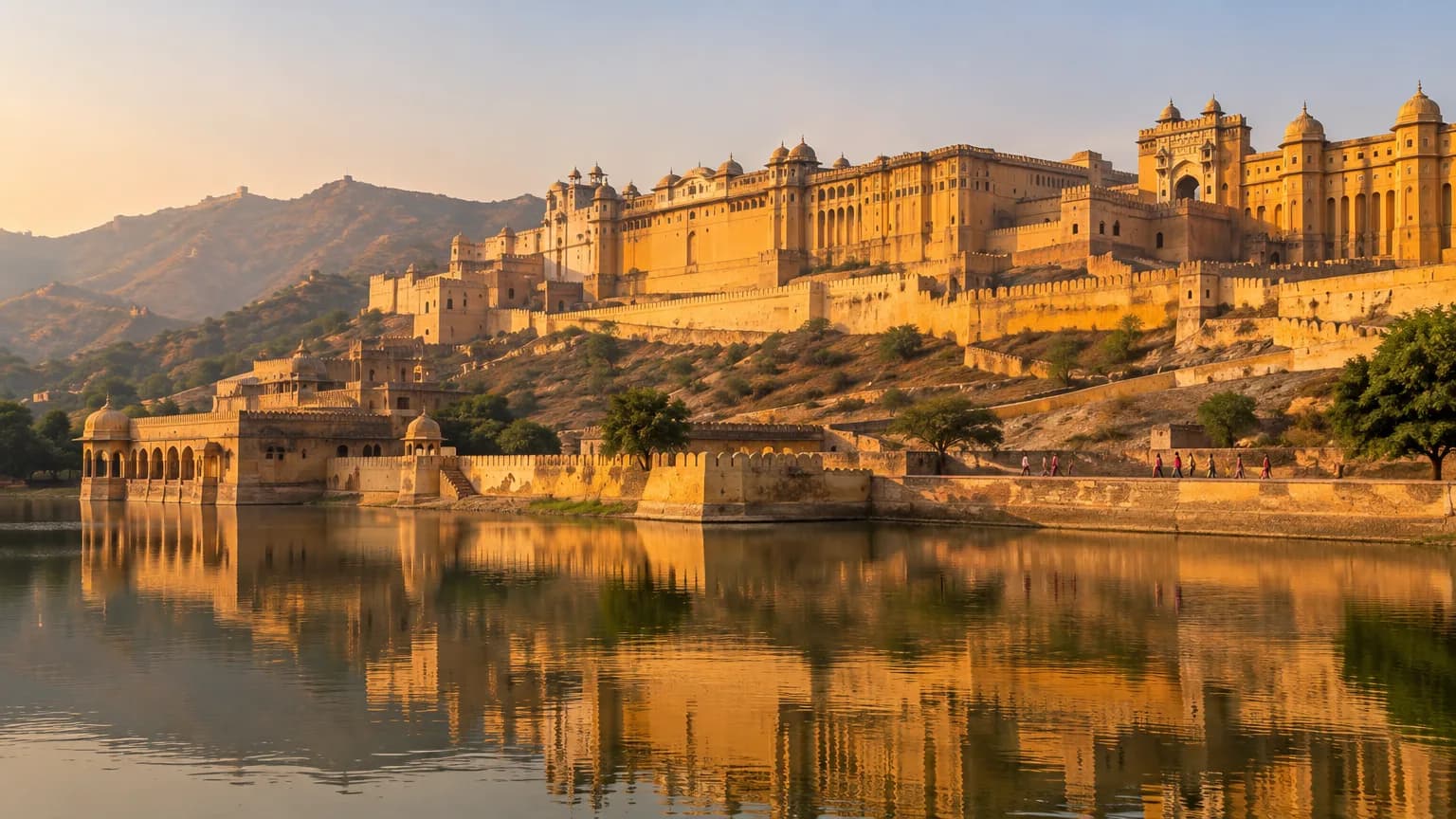
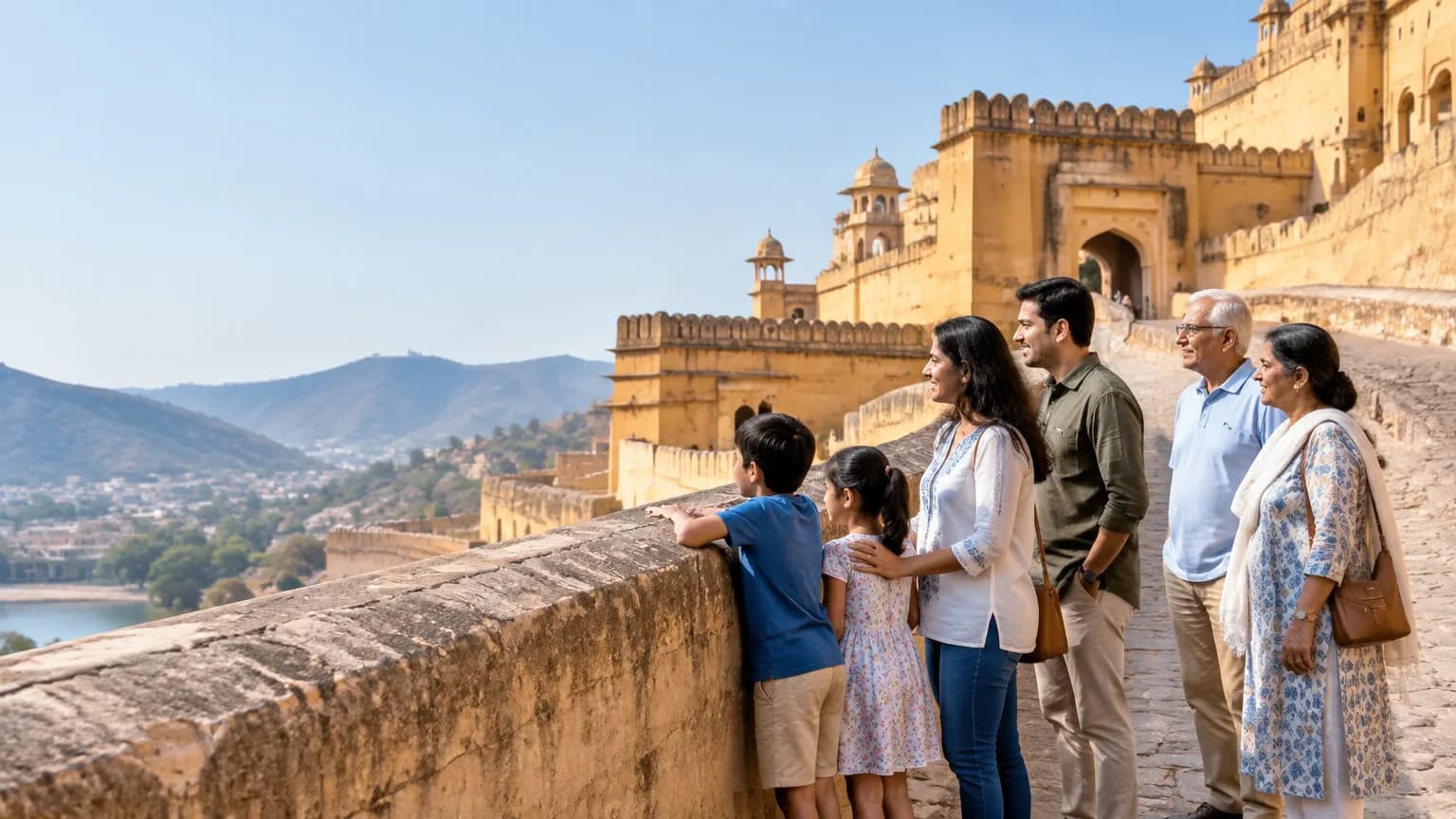
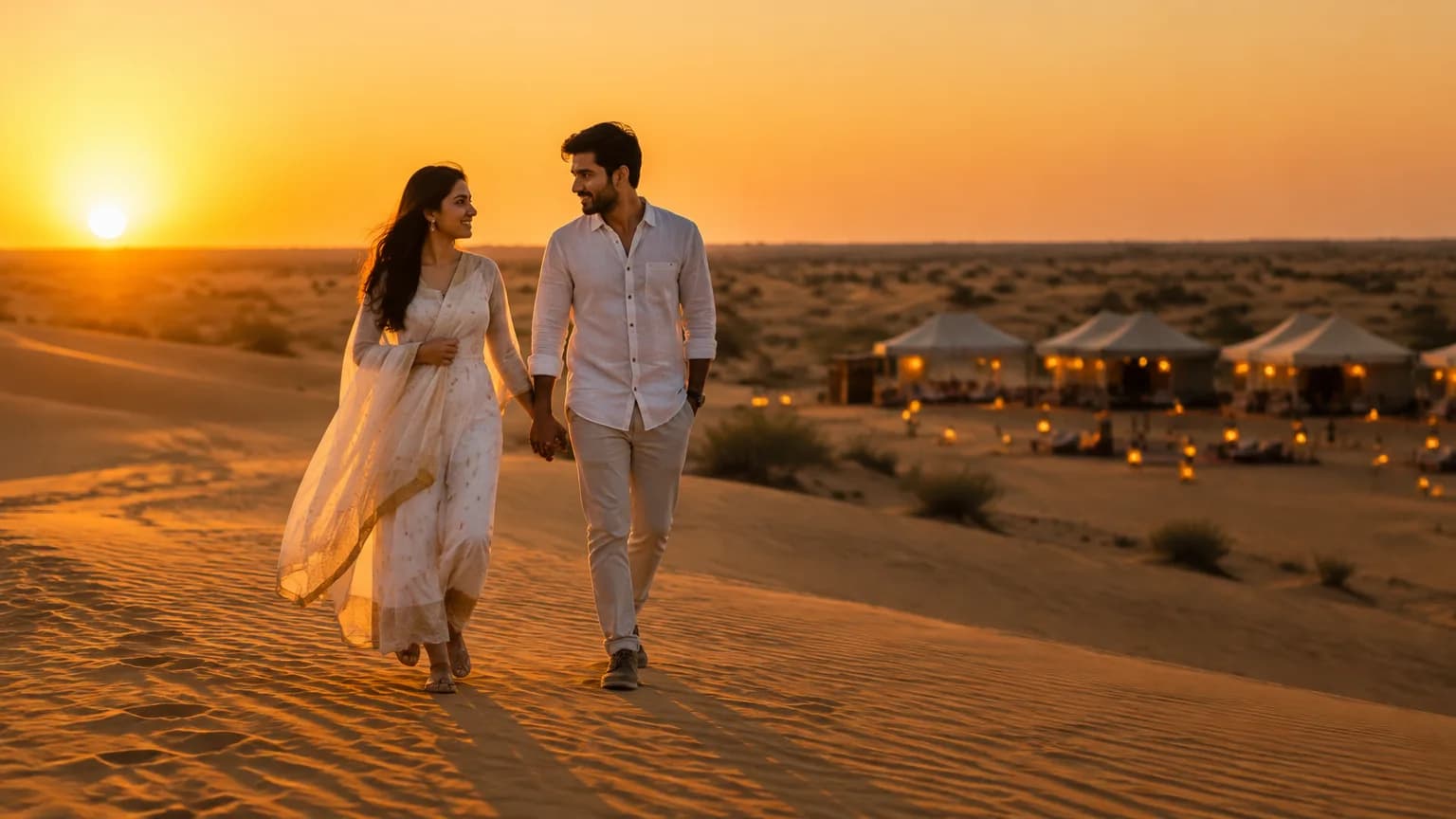
Rajasthan tour packages suit travellers who want forts, palaces, desert camps and pilgrimage towns across one north-western circuit. The state rewards 7 to 10 nights, ideally between October and March, and works well for families, couples, elders and first-timers comfortable with longer road or rail hops between cities.
Curated starting points
Begin with a thoughtfully paced itinerary, then change the stays, experiences, route, and budget with a Tripstor specialist.
Starting from
₹20,500/ person
Destination guide
Practical context, local highlights, and honest planning advice — written for travellers from India.
Field notes
A considered guide to Rajasthan
Rajasthan covers north-western India, with the Thar Desert across its western districts and the Aravalli hills running through the south. The main circuit links Jaipur, Pushkar, Jodhpur, Jaisalmer and Udaipur, with Shekhawati and Bikaner as worthwhile add-ons for a longer trip. October to March is the comfortable sightseeing window; April to June is hot and generally less suited to fort visits. A first circuit needs 7 nights at a minimum, and Jaipur is the usual gateway by air, rail or road.
| Detail | What to know |
|---|---|
| Region | North-western India |
| Main cities | Jaipur, Jodhpur, Udaipur, Jaisalmer, Pushkar, Bikaner |
| Ideal trip length | 7 nights (core circuit); 9–10 nights with Jaisalmer and Pushkar |
| Best season | October to March |
| Peak months | October, November, December, January, February |
| Hottest months | April, May, June (24–45°C; avoid for sightseeing) |
| Main gateway | Jaipur (air, rail and road) |
| Other airports | Jodhpur (JDH), Udaipur (UDR), Jaisalmer (JSA) |
These are the places most Rajasthan itineraries are built around, each with a clear reason to be on the list and a distinct character that sets it apart from the others.
At the busier forts and temples, crowds build steadily through the morning and stay heavy until early afternoon, so arriving at the first slot after opening gives the calmest experience. Weekends and festival weeks are noticeably busier than weekdays across all the main sites.
Dress modestly at temples, gurudwaras and palace shrines: covered shoulders and knees are expected, and footwear must be removed before entering any shrine. Carry a pair of socks for hot stone floors in summer and for sites where shoe storage is far from the entrance. Some forts and palaces allow photography in courtyards but restrict it inside galleries and inner sanctums, so follow the signage or ask at the gate rather than assuming. Leather items are best left outside at some temples. Confirm current rules and any permit requirements locally or at booking, as they can change between seasons.
October to March is the most comfortable stretch for sightseeing, with post-monsoon temperatures of 13–30°C and winter temperatures of 10–27°C. January and February are the coolest months and also the busiest, with peak hotel pricing across the state.
The festival calendar is dense and worth planning around. In January, the Bikaner Camel Festival (10–11 January 2026) and the Nagaur Fair (24–27 January 2026) draw large crowds to those towns. The Desert Festival in Jaisalmer runs around late January to early February (30 January–1 February 2026). Gangaur, celebrated statewide, and the Mewar Festival in Udaipur both fall in March (21–23 March 2026). Teej in Jaipur runs in July–August (14–15 August 2026). The Pushkar Fair (17–24 November 2026) is one of the largest cattle and pilgrimage fairs in the country, and the Kota Dussehra Fair runs from late October into early November (20 October–6 November 2026).
If comfort matters more than festival atmosphere, travel in early December or the first half of March, when crowds are lighter and prices ease slightly. Book stays and any safari slots well ahead if your dates overlap a major fair.
Jaipur is the main gateway, served by domestic flights from Delhi (about 2.5 hours), Mumbai (about 2 hours), Bengaluru (about 2.5 hours), Hyderabad (about 1.9 hours), Kolkata (about 2.25 hours), Ahmedabad (about 1.6 hours) and Pune (about 2 hours). Chennai usually requires a connecting flight. Jodhpur, Udaipur and Jaisalmer also have domestic airports; Jaisalmer is connected by direct flights from Jaipur, Delhi, Mumbai, Bengaluru and Surat.
By rail, the state is connected through Jaipur Junction, Jodhpur Junction, Udaipur City, Ajmer Junction and Bikaner Junction. Rajasthan State Road Transport Corporation buses cover intercity routes, and highways link the state with Delhi and Ahmedabad. Road and air connectivity along the Delhi–Jaipur Expressway and the Bikaner–Jodhpur section has been improving, as reported in 2025.
For stays, the choice depends on area and budget rather than any single property type.
Confirm current prices at booking, as rates vary significantly between peak and off-peak months.
The most practical order starts in Jaipur and ends in Udaipur, which has a domestic airport for the return leg and avoids doubling back.
That gives 9 nights and avoids backtracking. For elders or anyone with limited stamina, drop Jaisalmer and keep Jaipur, Jodhpur and Udaipur at 7 nights, with a rest afternoon built in after each long drive. Intercity distances are substantial, so plan road travel in the morning and sightseeing after check-in rather than the other way around.
Rajasthan is one of the easier states for vegetarian eating, with pure-veg kitchens the norm across most towns and temple areas. Dal baati, kachodi and ghevar are the local dishes to try, along with simple thalis served in old-city dhabas and guesthouse dining rooms.
Jain food is available on request in many places, though it is worth confirming that no root vegetables are used, particularly in smaller towns. Masala Chowk in Jaipur is a street-food court with 21 stalls and an entry fee of Rs 10, useful for trying several dishes in one stop. For sattvic meals, temple towns like Pushkar are the safest bets, where most eateries near the ghats serve simple, oil-light food without onion or garlic. Johari Bazaar and Nehru Bazaar in Jaipur have snack stalls alongside the shopping lanes for a quick bite between sights.
Packages for Rajasthan are built around a few broad styles, and the right one depends on who is travelling and what pace suits the group.
A few practical habits make the trip more comfortable for older travellers and considerate for everyone at the sites.
If you are ready to plan it, the Rajasthan packages page shows current options you can compare.
Personalise your trip
Choose a travel style as your starting point. We'll refine the pace, stays, experiences, and budget until the journey feels entirely yours.
Not sure which fits? Use our trip builder — it takes under two minutes.
Got questions?
Straight answers on visas, pricing, best time to visit, and how our packages work for Indian travellers.
8 answered below
Social proof
Feedback from Indian holidaymakers who travelled with Tripstor.
4.8
from 432+ reviews
FriendsThree friends and I did a 9-night Australia package with stops in Melbourne and Sydney. We spent an afternoon at the Melbourne Cricket Ground and caught a local match. Tripstor sorted our group visa applications together which saved a lot of back and forth. Good experience overall.
FamilyTravelled with my parents who are in their late 50s. Tripstor recommended two full acclimatization days in Leh before any high-altitude drives and that made a real difference. Tso Moriri was quieter than Pangong and honestly more worth the drive.
FamilyBooked a family package for 7 nights covering Port Blair, Havelock, and Neil. The Cellular Jail light and sound show on Day 1 set a good tone for the trip. Kids were engaged throughout and the itinerary was not too rushed.
Travel guides
Useful local context, seasonal advice, and practical planning notes for a more considered journey.
Planning a Jaisalmer trip? This guide covers everything about desert safaris – camel vs jeep, costs (₹800 - ₹4000), overnight camps, and what to expect. Find the perfect safari for your style and budget.
Read guidePlanning a trip to Rajasthan? Discover why luxury heritage hotels offer an unmatched experience. These former royal residences blend history with modern comfort. This guide covers key destinations like Udaipur, Jaipur, Jodhpur, and Jaisalmer.
Read guide