
Sacred Sites, Season and Basics at a Glance
Peru sits in western South America and brings together the Pacific coast, the Andean highlands and the Amazon rainforest within a single country. The classic visitor circuit runs from Lima to Cusco, then through the Sacred Valley to Machu Picchu, with Arequipa, Colca Canyon, Lake Titicaca and the Amazon available as extensions.
The Andean dry season from May to September brings clearer skies and drier trails, though nights at altitude can be freezing. The coastal summer from December to March is warmer and sunnier in Lima, while the highlands see heavy rain from January through March. Most first-time visitors plan 4–6 nights for the core route. Lima's Jorge Chávez International Airport is the main international gateway, and Cusco is reached by a domestic connection from Lima.
| Area | Key Sites | Best Season | Suggested Nights |
|---|---|---|---|
| Lima and the coast | City, Ballestas Islands, Nazca Lines | Dec–Mar (coast); any time | 1–2 |
| Cusco and surrounds | Inca sites, Plaza de Armas | May–Sep | 2 |
| Sacred Valley | Inca sites, Ollantaytambo | May–Sep | 1–2 |
| Machu Picchu | Inca citadel, Machu Picchu town | May–Sep | 1 |
| Lake Titicaca | Island communities, lake cruise | May–Sep | 2 |
| Amazon (Puerto Maldonado) | Lake Sandoval, jungle lodge | May–Oct | 2–3 |
The Main Sites and Why They Matter
Machu Picchu draws most visitors to Peru, but the Cusco region holds several Inca sites that are easier to reach and help with altitude adjustment before the citadel visit. Each site carries its own significance within the Inca world.
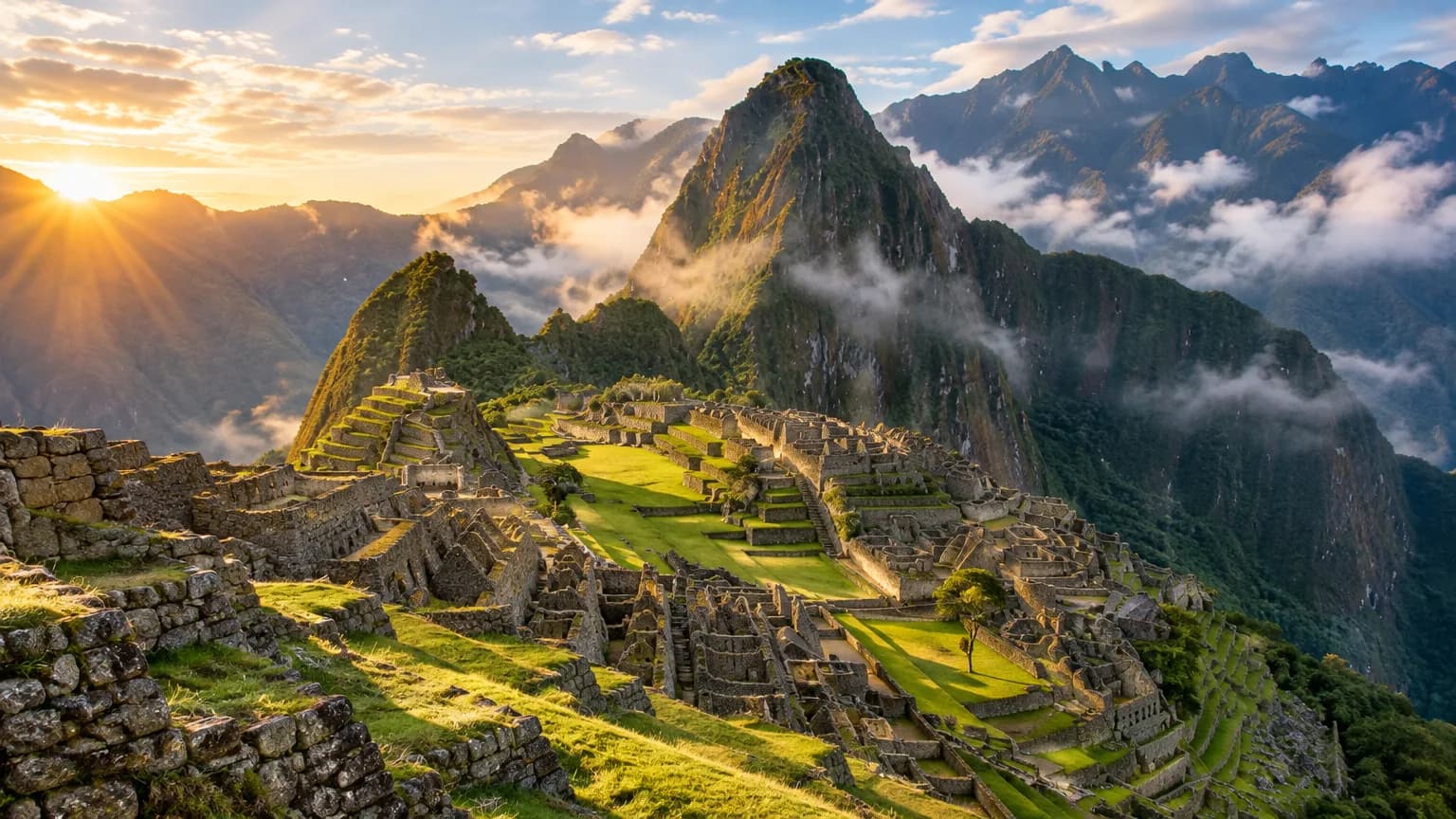
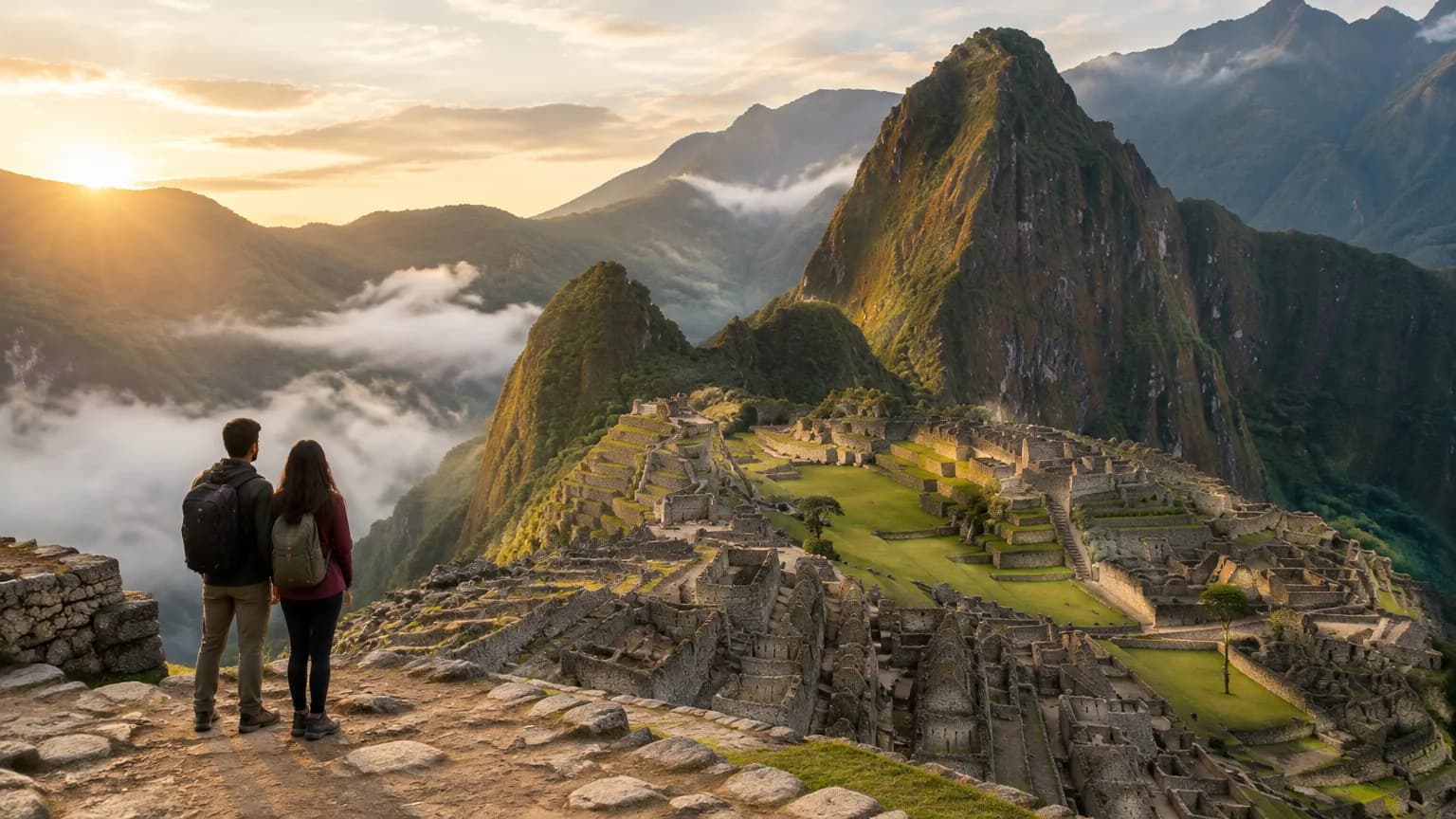
- Machu Picchu (Cusco region): An Inca sacred city reached by train through Andean mountain scenery, then a short bus ride from Machu Picchu town to the citadel entrance. The stonework, agricultural terraces and temple alignments reflect Inca engineering and astronomical knowledge. As of 2026, daily visitor capacity on specified peak dates is set at 5,600, so entry slots fill quickly.
- The Sacred Valley (Cusco region): A cultural landscape of Inca sites, traditional markets and terraced hillsides that can be explored by van with minimal walking. It is the gentlest introduction to Inca heritage and a practical base for the Machu Picchu train.
- Cusco's Inca sites: The city and its surroundings contain major Inca remains and served as the ceremonial centre of the Inca empire. The historic centre is also the main acclimatisation base for highland travel.
- Nazca Lines (Ica region): Large desert geoglyphs on Peru's southern coast, best seen from the air or from a viewing tower. Their purpose remains debated, which is part of what draws visitors.
- Colca Canyon (Arequipa region): A deep gorge with viewpoints for watching Andean condors in flight. Visitors can observe the birds from a lookout without any trekking, making it accessible for all ages.
- Lake Titicaca (Puno region): A major Andean lake explored by cruise, with island communities and traditional reed-boat building. The altitude here is significant, so pace yourself and allow a rest day.
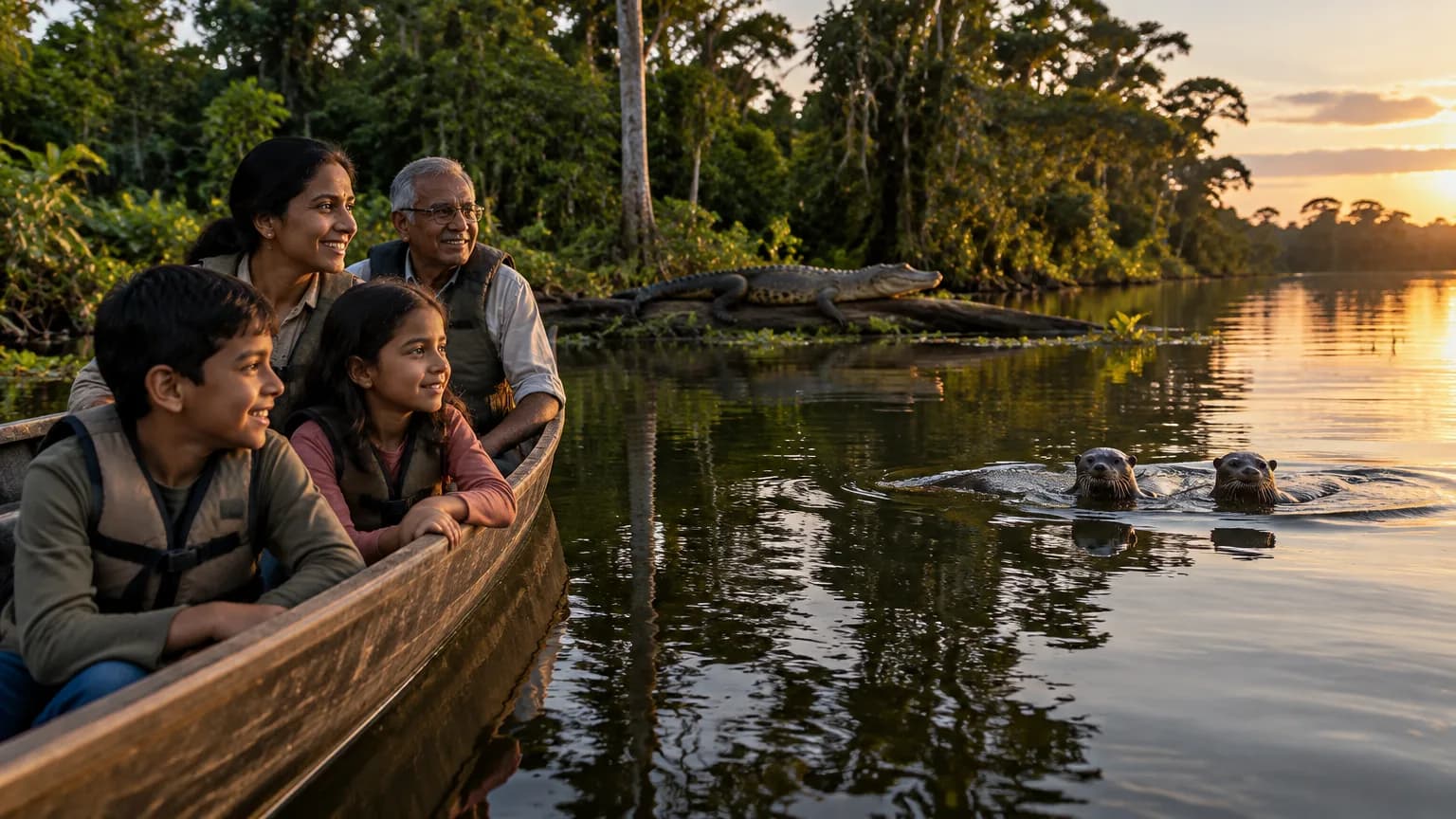
- Amazon rainforest (Puerto Maldonado or Iquitos): Jungle lodges, river trips and wildlife viewing, including macaws, monkeys, caimans and giant river otters. Lake Sandoval in the Tambopata area is a natural sanctuary reachable by boat from Puerto Maldonado.
- Huascarán National Park (Ancash region): A high-altitude national park with glaciers and trekking routes for those who want to go beyond the main circuit.
Darshan, Queues and Entry Practicalities
At Machu Picchu, crowds build steadily through the morning and thin after midday, so an early entry slot gives a calmer, less crowded visit. Weekdays outside Peruvian holiday periods are noticeably quieter than weekends and festival weeks.
Dress in layers at all highland sites. Mornings are cold, afternoons can warm up quickly, and a light rain shell is useful even in the dry season. Comfortable walking shoes with a firm grip are essential on uneven stone paths and terraces; sandals are not suitable. As a mark of respect at Inca sites and churches, keep shoulders and knees covered.
Photography is generally permitted at outdoor sites. Tripods and drones are restricted in many areas, so confirm the current rules at the site entrance or with your guide. Entry procedures at Machu Picchu have changed in recent years — as of September 2026, tickets became available for direct purchase through the Ministry of Culture platform — so check the official government source before you travel for the most current position.
Festivals and the Best Season to Visit Peru
May to September is the most comfortable window for highland travel, with drier trails, clearer skies and good conditions for the Inca Trail and other trekking routes. The trade-off is peak crowds and higher prices, particularly in June, July and August.
Inti Raymi, held on 24 June in Cusco, is a major Andean sun festival that draws large crowds and fills accommodation early. Fiestas Patrias around 28–29 July marks Peru's national independence and sees increased domestic travel across the country. The Christmas and New Year period is busy on the coast and in Cusco. For a quieter trip with reasonable weather, April, May, September and October offer a good balance — rain is moderate and crowds are smaller.
The Inca Trail closes every February for maintenance. Heavy Andean rain from January through March can cause muddy trails, landslides and occasional train or tour interruptions. If you travel in the wet season, build at least one buffer day into your plan.