
Curated starting points
Find a Munnar journey that feels like yours.
Begin with a thoughtfully paced itinerary, then change the stays, experiences, route, and budget with a Tripstor specialist.
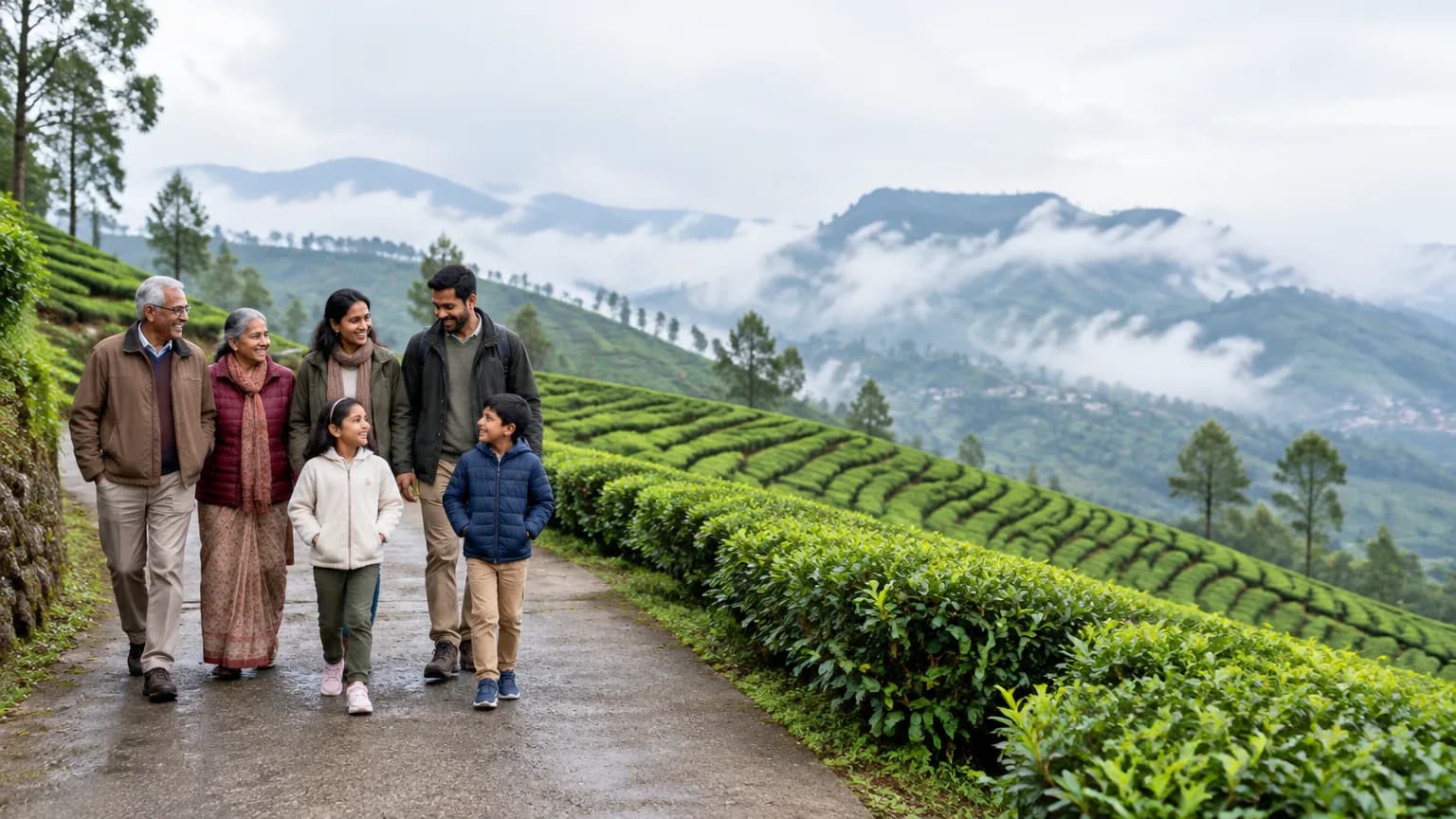
Munnar · Flexible itinerary
Munnar Eravikulam Family Holiday 7N 8D
Starting from
₹29,000/ person
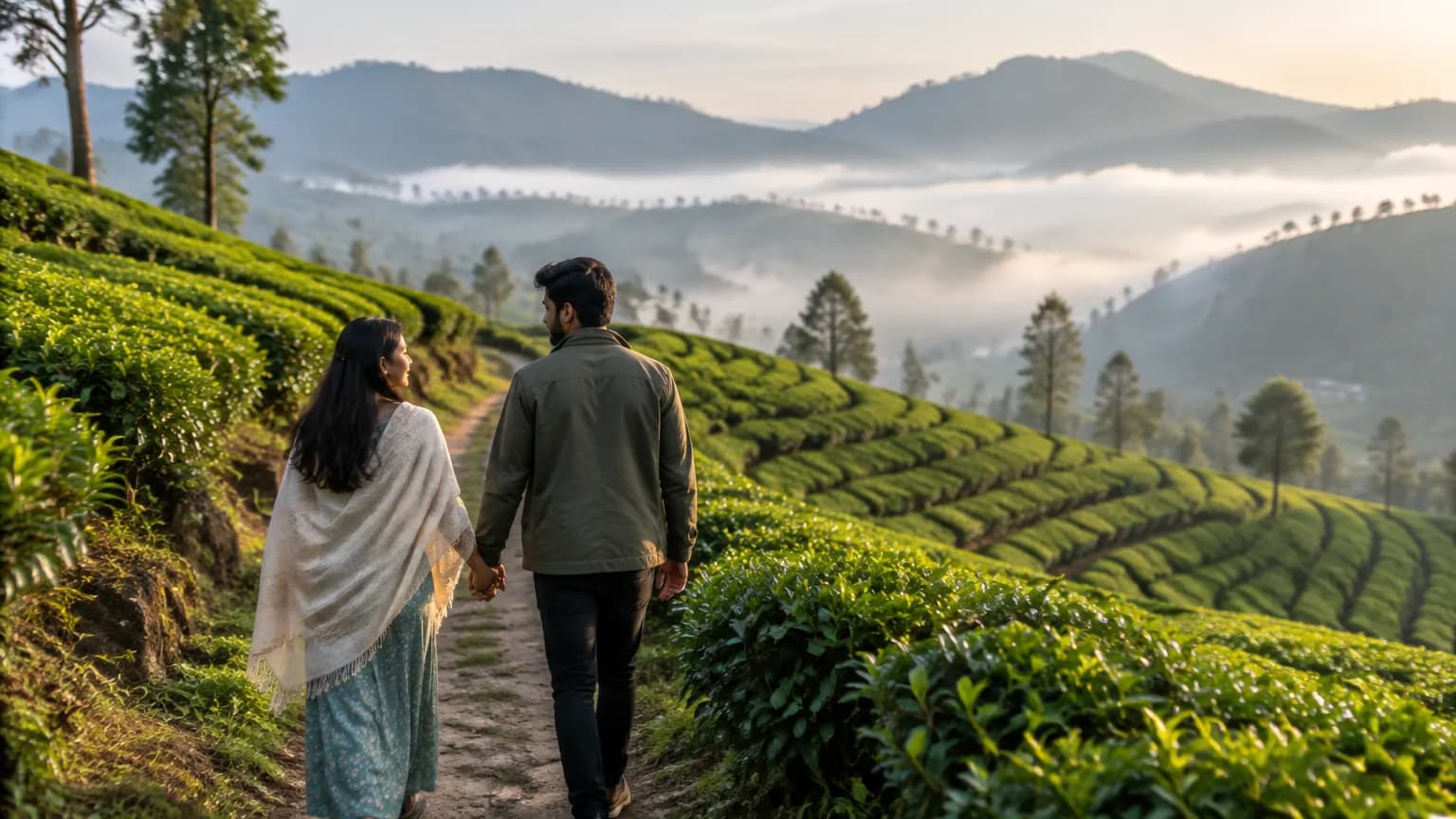
Munnar · Flexible itinerary
Munnar Tea Plantation Honeymoon 5N 6D
Starting from
₹24,500/ person
Destination guide
Know Munnar before you go.
Practical context, local highlights, and honest planning advice — written for travellers from India.
Field notes
A considered guide to Munnar
Altitude, Access and Season at a Glance
Munnar is a mid-to-high altitude hill station in Kerala's Western Ghats, reached by road from Kochi. The area covers tea gardens, forested ridges and the Eravikulam region, where Anamudi — identified by Kerala Tourism as the highest peak in South India — sits above the surrounding hills.
Three seasons shape the trip. October to February is cool, misty and comparatively dry, with the clearest views and the highest demand. March to May turns warmer, with rain building steadily from around 44 mm in March to 160 mm by May. The southwest monsoon runs June to September; July averages around 398 mm of rain, and the Kochi–Munnar road can close after landslides.
An ideal trip is three to four nights. That gives you one full day for Eravikulam National Park, one for the tea belt and Mattupetty, and at least one buffer for road delays or a rest day. The gateway is Kochi, about four hours away by road via Adimali. Munnar has no airport or railway station, so every trip ends with a road transfer.
Valleys, Viewpoints and Places Worth the Climb
Most of what you will want to see sits within a short drive of Munnar town or along the road towards Marayoor. Group your days by direction so you are not doubling back on the same hill road.
Around Munnar town and the tea belt
- Tea plantations: Guided walks and factory tours explain how leaf becomes tea. This is the easiest half-day and works in almost any weather, including overcast monsoon mornings.
- Mattupetty Dam and Lake: A masonry dam with a lake and boating. Good for families and a relaxed afternoon; the drive out is pleasant even in light rain.
- Echo Point: A viewpoint associated with sunrise and sunset views. Pair it with Mattupetty on the same afternoon rather than making a separate trip.
- Top Station: A viewpoint known for sunrise and sunset over the hills. Go early — mist rolls in quickly and the light changes fast.
Eravikulam and the high country
- Eravikulam National Park: Protects the Nilgiri Tahr and offers a walking safari of about two to three hours. Entry runs from 8:00 am to 2:00 pm; book online in advance, especially in peak season. The park typically closes during the monsoon and for roughly two months in early spring during the calving period, usually February to March.
- Anamudi Peak: South India's highest peak, in the Eravikulam region, and a trekking destination. Arrange permits and trekking facilities well in advance through the park.
- Meesapulimala: A trek through misty hills with Western Ghats views. Best suited to fit travellers on clear mornings; trail conditions vary significantly by season.
Towards Marayoor and Chinnakanal
- Lakkom Waterfalls: Originates inside Eravikulam National Park and is accessible from the roadside — one of the easier stops for elders or anyone who prefers not to trek.
- Chinnakanal Waterfalls: A waterfall attraction near Munnar, usually paired with a drive further out along the same road.
- Chinnar Wildlife Sanctuary: Near Marayoor, listed among the wildlife spots around Munnar. Worth adding if you have a fourth night and want to see a different landscape.
Munnar Weather by Season: What Each Month Is Really Like
Munnar does not receive snowfall. What travellers sometimes call snow is frost on the tea slopes during the coldest mornings of January and February, when temperatures can drop to around 14°C at night. The table below summarises the key seasonal patterns.
| Season | Months | Temperature range | Rainfall (approx.) | Crowds and rates | Best for |
|---|---|---|---|---|---|
| Peak winter | October–February | 14–25°C | 22–254 mm | High; rates peak Dec–Feb | Clear views, tea walks, wildlife |
| Shoulder / pre-monsoon | March–May | 15–27°C | 44–160 mm | Medium | Treks, moderate budget |
| Southwest monsoon | June–September | 15–23°C | 210–398 mm | Low; rates lowest | Budget travel; road risk is real |
December to February gives the clearest skies and the most reliable views from Top Station and Echo Point. Book accommodation early — this is the busiest window and rates reflect it. October and November are showery but green, with moderate rates and fewer crowds than the peak months.
The southwest monsoon brings heavy rain and genuine disruption. Landslides can close the Kochi–Munnar road in June and July. Eravikulam National Park closes for the monsoon period. If you travel then, accept that some sights will be inaccessible and plan factory tours and town walks as your core activities.
For treks, September to November and January to March offer better trail conditions. Pre-monsoon thunderstorms are common in April and May, so check forecasts before heading out on a long walk.
Roads, Rail and Altitude: Reaching Munnar
Fly to Kochi and drive, or take a train to Aluva or Ernakulam and continue by road — those are the two practical routes. Munnar has no airport or railway station, so the last stretch is always a road transfer by taxi or bus.
From Kochi, the drive via Adimali takes about four hours in good conditions. Travellers from Delhi, Bengaluru and Kolkata typically fly to Kochi, with flights taking around 3.5 hours, then continue by road. Aluva Railway Station is about 110 km from Munnar; Ernakulam Junction and Ernakulam Town are the other nearby railheads. Coimbatore is a further option at roughly 160 km away, useful if you are coming from Tamil Nadu.
As of June 2026, a tourist entry fee and green checkposts at major entry roads were reported as planned, with a Fastag-style payment and e-pass system. Check the current status before you travel, as this may affect your arrival process.
Weather can stretch the drive considerably. Heavy monsoon rain causes landslides and can close the Kochi–Munnar road, particularly in June and July. Build in a buffer day at the start or end of your trip — it protects against a missed flight or a delayed transfer and costs far less than rebooking.
Altitude here is moderate but the climb from the plains is steady. Drink water on the drive up, avoid a heavy meal on the first evening, and give children and elders a slow first day. If anyone feels persistently breathless or dizzy, rest and descend if it does not settle quickly.
Base Towns and Where to Stay
Pick your base by what you want within reach. Munnar town is the most practical starting point, with the widest spread of stay types and straightforward access to the tea belt and main sights.
For budget travellers, Chithirapuram and Anachal are identified as budget-friendly areas a short drive from town. Couples often prefer quieter spots: Attukad Waterfalls, Pothamedu and Chinnakanal each offer a more secluded setting with scenic views. Devikolam is hilly and forested, with waterfalls and adventure activities nearby, and works well for families who want space. Kannan Devan Hills is known for its scenic surroundings and suits couples looking for a plantation atmosphere.
Across all areas you will find homestays, lodges and resorts. Homestays give you home-style Kerala food and local knowledge — useful for first-timers who want practical tips. Lodges keep costs down for solo and budget travellers. Resorts add heating, larger rooms and better views, which matter in the cold months when the temperature drops sharply after dark. Check current prices and confirm what is included at booking, since rates vary significantly between peak and off-peak periods.
Pacing the Route
Three nights is the minimum that feels unhurried; four nights lets you add a trek or a Marayoor day without rushing. A practical outline is two nights in or near Munnar town, then one or two nights further out in Devikolam or Chinnakanal.
Keep your first afternoon light — the drive from Kochi is long and winding, and arriving tired before a full day of sightseeing is a common mistake. The tea plantation and factory tour works well on day one: it is close, weather-flexible and a good introduction to the area. Give Eravikulam a full morning, since entry runs only from 8:00 am to 2:00 pm and the walking safari takes two to three hours. Mattupetty and Echo Point can follow on the same afternoon if the weather holds.
If Meesapulimala or Anamudi is on your list, keep a spare morning and check trail conditions the evening before. Treks depend on clear skies and dry ground. In monsoon, swap trekking for factory tours, town walks and shorter drives to roadside waterfalls like Lakkom. If the Kochi road is blocked on departure day, your buffer absorbs the change without panic.
Who Munnar Suits, and Who Should Think It Through
Families with elders or young children do well here if the pace is kept slow. The tea belt, Mattupetty and the roadside Lakkom Waterfalls need little walking and are accessible for most fitness levels. Couples get cool weather, plantation stays and sunrise viewpoints. Adventure seekers have Meesapulimala, Anamudi and a network of hiking and mountain-biking trails.
First-timers should go in with clear expectations. The road from Kochi is long and winding — motion sickness is common, especially for children. Nights can be genuinely cold in winter. Medical access is basic compared with a city, so carry your prescriptions and a first-aid kit. Anyone with serious heart or breathing conditions should speak to a doctor before booking a trip to this altitude.
If you want warmer weather, gentler roads and easier access to medical facilities, a lower-altitude hill destination in Kerala or Karnataka may suit you better. Munnar rewards travellers who plan around the season rather than against it — those who do tend to find it one of the more satisfying hill trips in South India.
Cold, Health and Gear: Five Things That Make a Difference
Pack for cold mornings and wet afternoons, even in the dry season. The temperature gap between noon and midnight is larger than most city travellers expect.
- Layers: A fleece or light jacket for mornings and evenings, plus a waterproof rain shell. Peak winter nights can drop to around 14°C, and the wind on viewpoints makes it feel colder.
- Altitude basics: Take the first day slow, drink water steadily, and skip alcohol on arrival night. Rest immediately if you feel dizzy or short of breath; descend if it does not settle.
- Medicines: Carry your regular prescriptions, motion-sickness tablets for the winding drive, and a basic first-aid kit. Emergency numbers are 112 (general), 100 (police) and 101 (fire).
- Road timing: Start drives early. Mist and rain reduce visibility on hill roads, and monsoon landslides can close the Kochi–Munnar route with little warning. Avoid driving after dark on unfamiliar stretches.
- Signal and cash: Mobile coverage is patchy outside Munnar town, and some smaller homestays prefer cash. Carry enough for a day or two and keep a power bank charged — power cuts are not unusual during heavy rain.
Browse the Munnar holiday packages to see how these choices turn into a bookable trip.
Personalise your trip
Shape Munnar around the way you travel.
Choose a travel style as your starting point. We'll refine the pace, stays, experiences, and budget until the journey feels entirely yours.
Not sure which fits? Use our trip builder — it takes under two minutes.
Got questions?
The questions travellers ask about Munnar.
Straight answers on visas, pricing, best time to visit, and how our packages work for Indian travellers.
8 answered below
Social proof
What Tripstor travellers say
Feedback from Indian holidaymakers who travelled with Tripstor.
4.8
from 432+ reviews
FamilyTravelled with my parents who are in their late 50s. Tripstor recommended two full acclimatization days in Leh before any high-altitude drives and that made a real difference. Tso Moriri was quieter than Pangong and honestly more worth the drive.
FriendsThree friends and I did a 9-night Australia package with stops in Melbourne and Sydney. We spent an afternoon at the Melbourne Cricket Ground and caught a local match. Tripstor sorted our group visa applications together which saved a lot of back and forth. Good experience overall.
FamilyBooked a family package for 7 nights covering Port Blair, Havelock, and Neil. The Cellular Jail light and sound show on Day 1 set a good tone for the trip. Kids were engaged throughout and the itinerary was not too rushed.