Curated starting points
Find a Himachal journey that feels like yours.
Begin with a thoughtfully paced itinerary, then change the stays, experiences, route, and budget with a Tripstor specialist.
Himachal · Flexible itinerary
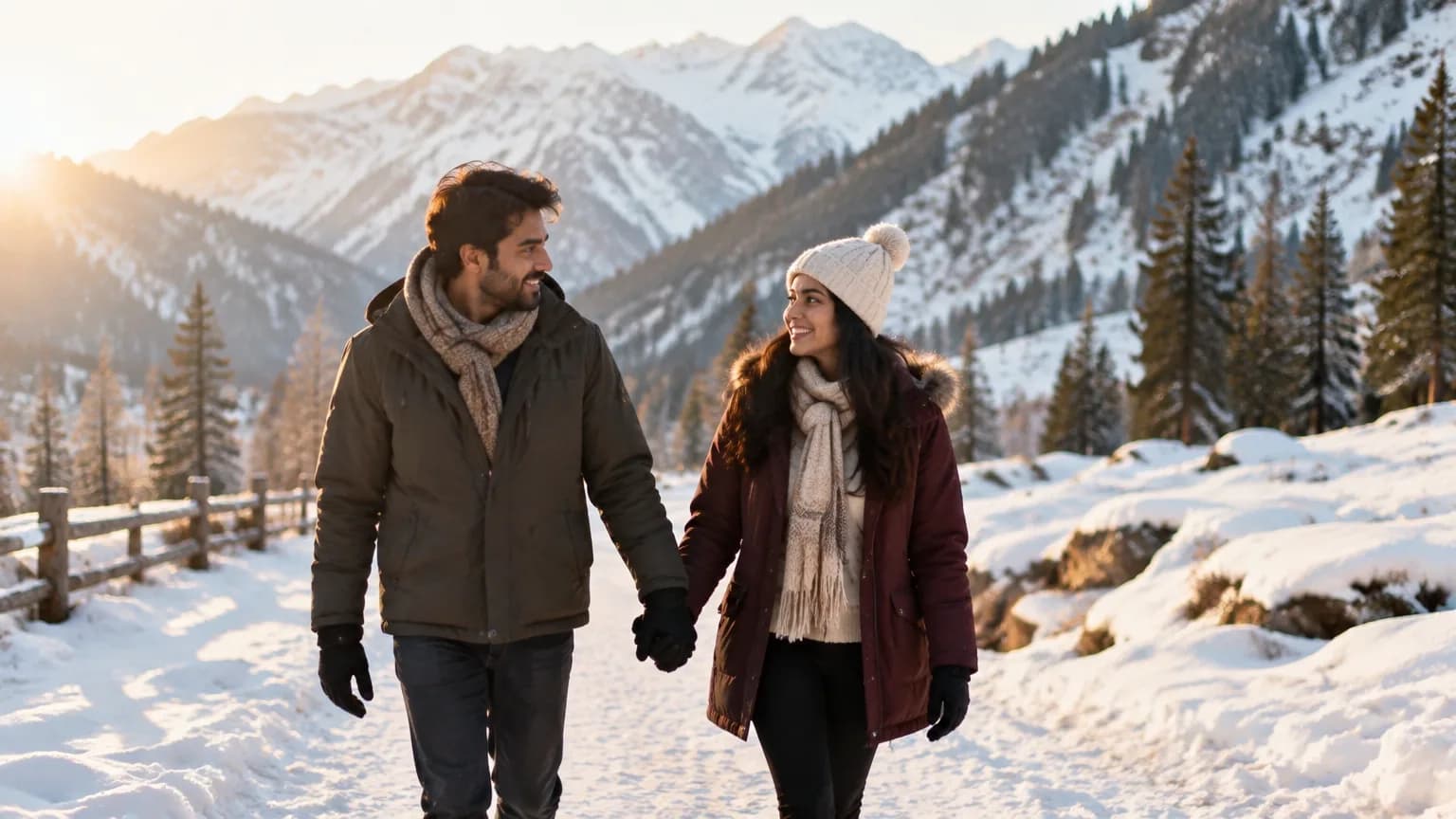
Himachal Shimla & Manali Honeymoon 5N 6D
Starting from
₹21,500/ person
Himachal · Flexible itinerary
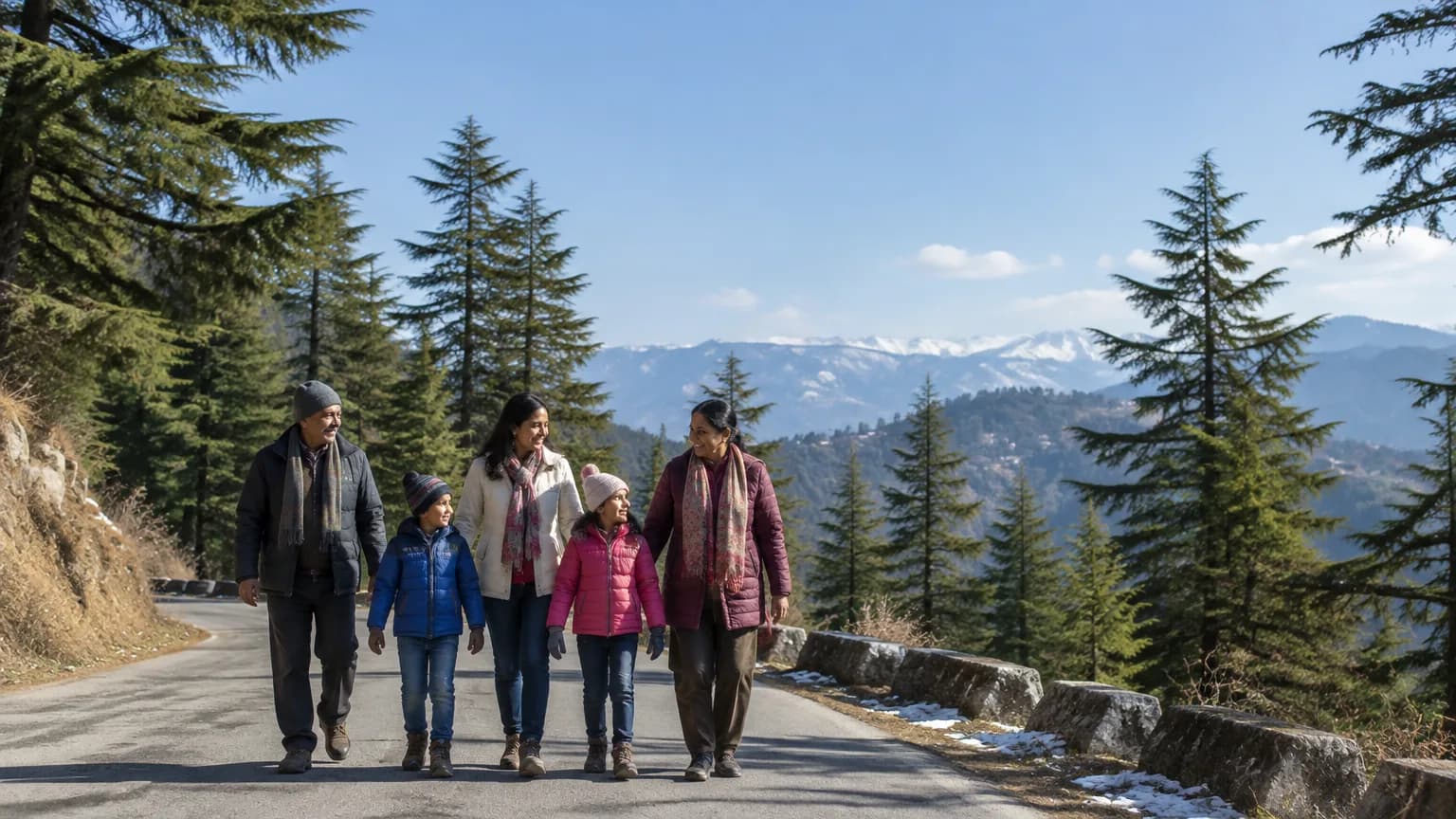
Himachal Kufri & Dharamshala Family Holiday 6N 7D
Starting from
₹22,500/ person
Destination guide
Know Himachal before you go.
Practical context, local highlights, and honest planning advice — written for travellers from India.
Field notes
A considered guide to Himachal
Altitude, access and season at a glance
Himachal is a Himalayan state in north-western India where the feel of a trip changes with height. Most travellers enter through Chandigarh by road, Pathankot or Kalka by rail, or one of three state airports. The easiest seasons are March to June and September to November.
Low-altitude towns sit in green valleys, mid-altitude areas carry pine and cedar, and high zones above the tree line stay cold for most of the year. Winter from December to February brings snow at higher elevations. That is the main draw for some travellers and the main road risk for others.
| Trip type | Typical length | Gateway | Altitude character |
|---|---|---|---|
| Shimla and Manali | 5-6 nights | Chandigarh or Kalka | Low to mid |
| Dharamshala and Dalhousie | 5-6 nights | Pathankot | Low to mid |
| Spiti loop | 7-9 nights | Shimla or Manali side | High |
| Slow Parvati or Tirthan stay | 5-7 nights | Bhuntar-Kullu side | Mid |
The state borders Tibet-China to the east, Jammu and Kashmir to the north-west, Uttarakhand to the south-east, and Punjab and Haryana to the west. Himachal holiday packages usually build around one of the four routes above, so the real planning question is how much altitude and road time your group is comfortable with.
Valleys, viewpoints and places worth the climb
Himachal rewards travellers who go a little further for the view. The places below are grouped by area, so you can see what sits close to what and plan a base around them.
Kullu and Manali area
- Solang Valley near Manali: a mountain area associated with paragliding and, in winter, skiing. It works as a half-day outing from Manali town.
- Rohtang Pass above Manali: a high pass used for scenic drives and seasonal snow activities. Access depends on snow clearance, so check the day before you go.
- Great Himalayan National Park in Kullu: a protected Himalayan park offering day hikes, longer treks and wildlife experiences. Multi-day treks need advance permits from the relevant field office.
Kangra and Dharamshala area
- McLeod Ganj: a Dharamshala-area base known for Tibetan Buddhist culture, markets and mountain views. It suits travellers who want a walkable base with momos and thukpa close by.
- Triund near Dharamshala: a recognised trekking route that gives a first taste of high ground without a long expedition.
- Bir-Billing in Kangra: a site associated with paragliding and one of the main reasons adventure travellers head to this side of the state.
Shimla and Chamba side
- Viceregal Lodge and Christ Church in Shimla: colonial-era buildings that anchor a heritage walk in an established hill station.
- Khajjiar Lake and Khajji Nag Temple in Khajjiar: a high-altitude lake surrounded by cedar forest, with a 12th-century temple dedicated to a serpent god nearby. It pairs well with a Dalhousie stay.
Snow, monsoon and clear-sky months
Himachal weather by season decides which roads are open and what the landscape looks like. Snow peaks from December to February, monsoon runs through July and August, and clear conditions return from September to November. March to June is the warm window.
| Month | Temperature range | Rain | Crowds | Prices |
|---|---|---|---|---|
| January | -1 to 10 °C | Low | High | Peak |
| February | 0 to 12 °C | Low | Medium | High |
| March | 8 to 18 °C | Low | Low | Medium |
| April | 12 to 22 °C | Low | Medium | Medium |
| May | 15 to 30 °C | Low | High | Peak |
| June | 18 to 32 °C | Moderate | High | Peak |
| July | 15 to 25 °C | Heavy | Low | Low |
| August | 15 to 24 °C | Heavy | Low | Low |
| September | 14 to 24 °C | Moderate | Medium | Medium |
| October | 8 to 20 °C | Low | Medium | Medium |
| November | 8 to 20 °C | Low | Medium | Low |
| December | 0 to 15 °C | Low | High | Peak |
Winter (December to February) is cold and dry, with snow at higher elevations. Snow chains or closures are possible on mountain roads, and high passes can stay shut until snow clears in late spring. High-altitude Kinnaur, Spiti and Lahaul can fall far below freezing.
Spring (March to April) brings moderate crowds and improving roads. It suits families and first-timers who want clear views without the summer rush.
Summer (May to June) is the peak season, with warmer days and clearer roads. Prices and crowds are both high, so book early for this window.
Monsoon (July to August) turns the valleys green and keeps crowds and prices low. Roads become landslide-prone and can be disrupted for hours or days, so keep plans flexible.
Autumn (September to November) is the most stable stretch. Rain retreats, roads are generally clear and crowds stay moderate. November is a good value month, with low prices and medium crowds.
In short, choose March to April or October to November for balanced weather, May to June for the clearest roads, and January to February only if snow is the point of the trip.
Roads, rail and altitude: reaching Himachal
Most travellers reach Himachal by road from Chandigarh, by rail through Kalka or Pathankot, or by domestic air to one of three state airports. The last road stretch is where weather and altitude matter most, so plan a buffer day.
- By air: Jubbarhatti Airport (SLV) serves Shimla, Gaggal Airport (DHM) serves Dharamshala and Kangra, and Bhuntar Airport (KUU) serves Kullu and Manali. Chandigarh and Pathankot are also used as air gateways.
- By rail: Kalka and Pathankot are the broad-gauge railheads. The narrow-gauge Kalka-Shimla toy train connects Kalka to Shimla, and a narrow-gauge line runs from Pathankot towards the Kangra Valley.
- By road: Chandigarh has bus connections to Manali and Shimla. Pathankot connects with the Dharamshala area by road and rail services.
Last-mile distances are short on paper. Jubbarhatti Airport is 22 km from Shimla, Bhuntar-Kullu Airport is 50 km from Manali, and Kangra-Gaggal Airport is 15 km from Dharamshala. Mountain roads are winding, so travel times run longer than straight-line distances suggest.
Weather decides how reliable the final stretch is. Snow and black ice can cause closures from December to February. Roads are landslide-prone in July and August. September to November is generally clear. A buffer day at the start or end of the trip absorbs most delays, and it matters most if you have a flight home the next morning.
HRTC resumed the Kullu-Kaza bus service in June 2026 after an eight-month winter suspension, once the Gramphu-Kaza road via Kunzum Pass was restored. That is a reminder that high routes open late and close early.
Acclimatisation is simple in principle: go up gradually. Kaza in Spiti is a high-altitude base, and two nights there are advised before the Komic and Hikkim drives. On arrival at height, walk slowly, drink water and avoid heavy exertion on day one. Ask your doctor before booking high-altitude legs if anyone has a heart, lung or blood-pressure condition.
Base towns and where to stay
Pick a base by what you plan to do each day, not by the name on the map. Each town below suits a different pace and group, and stay types follow your budget tier.
- Shimla: a hill-station base used in the classic Shimla-Manali itinerary. Good for couples and families.
- Manali: the base for local sightseeing, Solang Valley and nearby mountain areas. Good for couples and families.
- McLeod Ganj: a Dharamshala-area base with Tibetan markets and Buddhist cultural attractions. Good for couples and families.
- Dalhousie: a hill-station base paired with Khajjiar. Good for families and couples.
- Kaza: the Spiti base for monastery day trips. Suits couples comfortable with high altitude.
- Parvati Valley and Tirthan: single-base areas for walks and meals over a slower 5-7 day trip. Good for couples and budget travellers.
Budget travellers can use homestays and simple guesthouses, which keep costs down and put you close to local life. Mid-range lodges give more reliable heating and hot water, which matters from November to March. Resort-style stays in the larger hill stations add comfort, parking and in-house dining. In Spiti, Kinnaur and Tirthan, expect simpler rooms and limited heating whatever the tier. Confirm heating, hot water and meal inclusions at booking, especially in peak months.
Pacing the route
A sensible Himachal route uses two or three bases and keeps travel days short. Plan one rest day for every four to five nights, and add a spare day if you are crossing high passes. Weather decides how tight the plan can be.
- Shimla to Manali (5-6 nights): two nights in Shimla, three in Manali, and a day for Solang Valley or Rohtang Pass if the road is open.
- Dharamshala to Dalhousie (5-6 nights): two to three nights in McLeod Ganj for Triund and the Tibetan quarter, then two in Dalhousie with a Khajjiar day.
- Spiti loop (7-9 nights): build height gradually, with two nights in Kaza before the Komic and Hikkim drives, and a buffer day for pass closures.
- Parvati or Tirthan (5-7 nights): one base, short walks and long meals, with no rush between stops.
Weather reshapes the outline. Monsoon can add hours to road legs, so drop a stop rather than rush. Winter can close high passes entirely, which turns a Spiti loop into a Kullu-side trip. Keep one flexible day in any mountain plan.
Who Himachal suits, and who may prefer another hill trip
Himachal suits most Indian travellers who accept mountain roads and a cold season. Pick bases that match the group, because the same state can be gentle in Shimla and demanding in Spiti.
- Families with elders or children: lower towns such as Shimla, Dalhousie and Dharamshala are the easier choice. Avoid long high-altitude drives and keep road days short.
- Couples: Manali and McLeod Ganj are easy to pace, and Parvati Valley or Tirthan suit a slower trip.
- Adventure seekers: paragliding at Bir-Billing and Solang Valley, trekking at Triund and the national park, river rafting and winter skiing.
- First-timers: the Shimla-Manali route is the simplest, because transport and stays are well established.
Honest limits apply. Road legs are long and winding, and cold is real from December to February. High-altitude areas such as Spiti and Kinnaur can affect travellers with heart or breathing conditions. Medical help is easier to reach in larger towns than in remote valleys, though Himachal Tourism lists 108 for ambulance service. If your group wants short drives and warm weather throughout, a lower-elevation hill trip may suit better. For everyone else, Himachal delivers when the season and altitude are respected.
Ways to travel to Himachal
Himachal tour packages come in several styles, and the right one depends on who is travelling and how much road time you want. Packages for Himachal start from Rs.24,999 per person, land only, twin sharing. Confirm the final price at booking, since season and stay category change it.
- Best of: a main-circuit route across the popular hill stations. Suits first-timers who want the highlights.
- Family: slower pacing and lower towns. Suits groups with children or elders.
- Honeymoon: mountain stays built around Manali and quieter bases. Suits couples.
- Adventure: paragliding, rafting and high-pass drives. Suits active travellers.
- Trekking and Camping: routes such as Triund, Kheerganga, Hampta Pass and the national park. Suits fit walkers.
- Offbeat Explorer: Spiti, Kinnaur and quieter valleys. Suits repeat visitors who have done the main circuit.
- Budget: simple stays and bus-friendly routes. Suits cost-conscious travellers.
- Short Getaway: a compact trip around one base. Suits travellers with limited leave.
- Summer: May and June departures for clearer roads and warmer days. Suits families on school holidays.
Cold, health and gear tips
A few habits make the biggest difference on a Himachal trip. These five cover most of what goes wrong.
- Layers beat one heavy jacket. A base layer, a fleece and a windproof shell handle swings from valley to pass better than a single coat. Add warm socks, gloves and shoes with grip.
- Know altitude sickness basics. Headache, nausea and breathlessness at height mean you should slow down, drink water and rest. Descend if symptoms worsen, and speak to a doctor before travel if you have a heart or lung condition.
- Carry medicines and a small kit. Pack regular prescriptions, ORS, a painkiller, motion-sickness tablets and a copy of prescriptions in hand luggage. Himachal Tourism advises using government hospitals, dispensaries or accredited medical facilities.
- Time your road travel. Start early and avoid night driving on mountain roads. Check pass status before each leg, especially in winter and monsoon.
- Plan for phone signal and cash. Signal can drop in Spiti, Kinnaur and remote valleys. Carry enough cash for small towns, since card and UPI access can be patchy outside main towns.
Emergency numbers are 100 for police and 102 or 108 for ambulance and medical help.
Once the plan feels right, compare the current Himachal packages and pick the one that fits.
Personalise your trip
Shape Himachal around the way you travel.
Choose a travel style as your starting point. We'll refine the pace, stays, experiences, and budget until the journey feels entirely yours.
Not sure which fits? Use our trip builder — it takes under two minutes.
Got questions?
The questions travellers ask about Himachal.
Straight answers on visas, pricing, best time to visit, and how our packages work for Indian travellers.
8 answered below
Social proof
What Tripstor travellers say
Feedback from Indian holidaymakers who travelled with Tripstor.
4.8
from 432+ reviews
CoupleNorway is expensive but the experience is worth planning for. We did the Flam Railway and the Sognefjord on Day 5. Tripstor gave us a realistic budget breakdown before we booked, which I appreciated. No surprises on the ground.
HoneymoonHoneymooned in Kashmir for 7 nights in May. Gulmarg had light snow still and we got a gondola ride on Day 4. The tulip garden in Srinagar was in full bloom. Tripstor arranged a candlelit dinner on the houseboat which was a nice touch.
FamilyBooked a family package for 7 nights covering Port Blair, Havelock, and Neil. The Cellular Jail light and sound show on Day 1 set a good tone for the trip. Kids were engaged throughout and the itinerary was not too rushed.
Travel guides
Read deeper into Himachal.
Useful local context, seasonal advice, and practical planning notes for a more considered journey.