
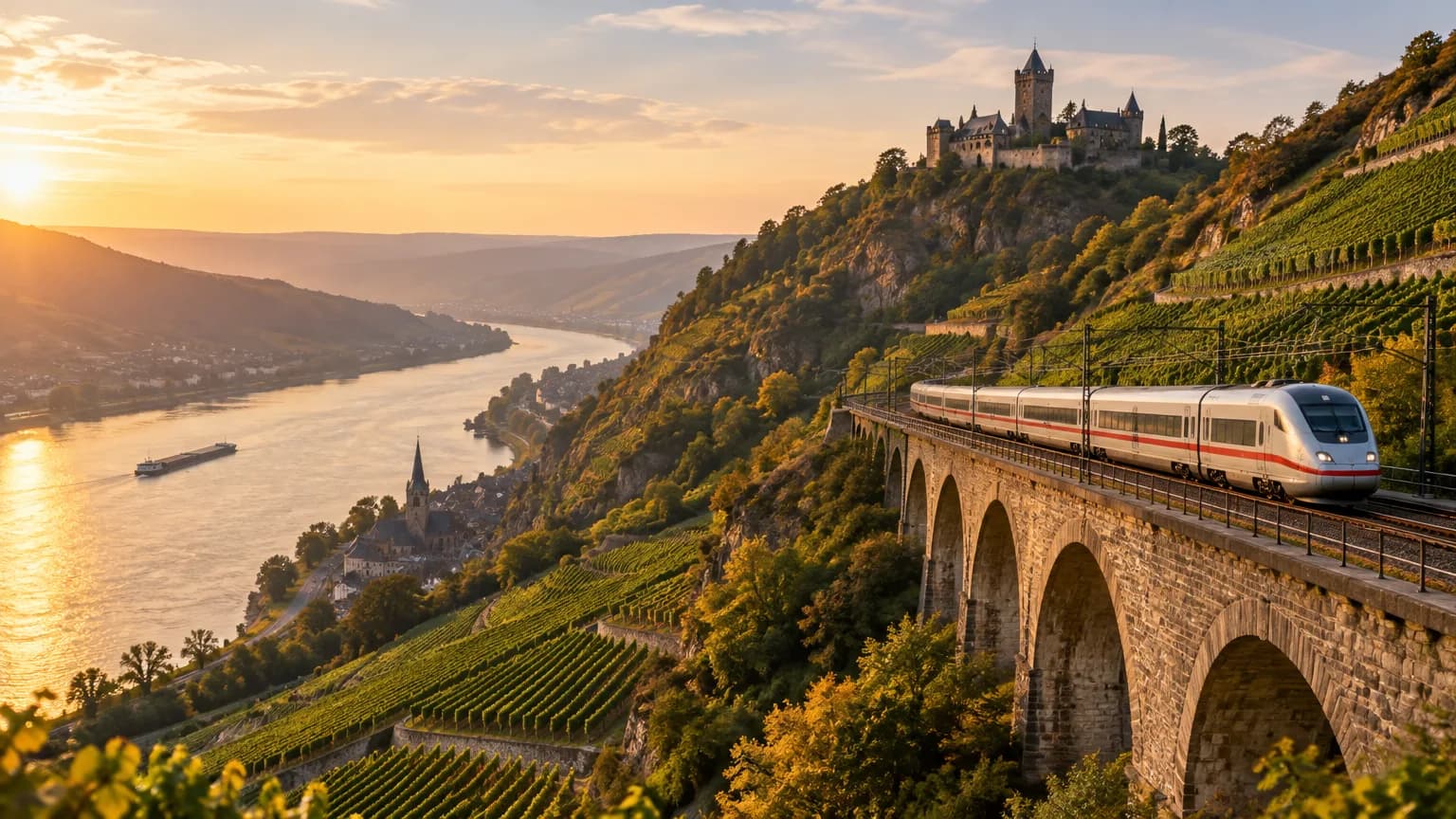
Curated starting points
Find a Germany journey that feels like yours.
Begin with a thoughtfully paced itinerary, then change the stays, experiences, route, and budget with a Tripstor specialist.
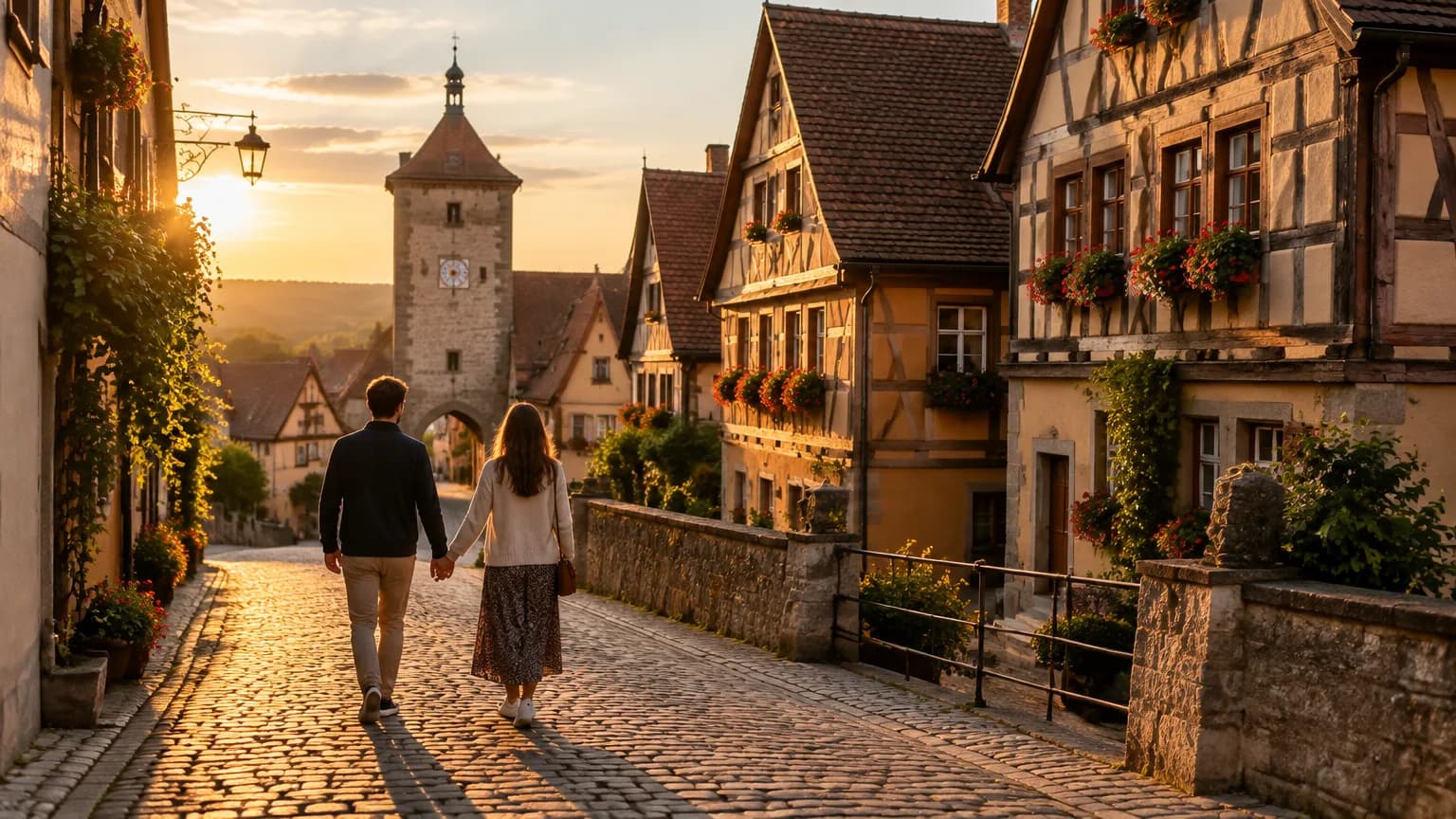
Germany · Flexible itinerary
Germany Romantic Road Honeymoon 7N 8D
Starting from
₹72,000/ person
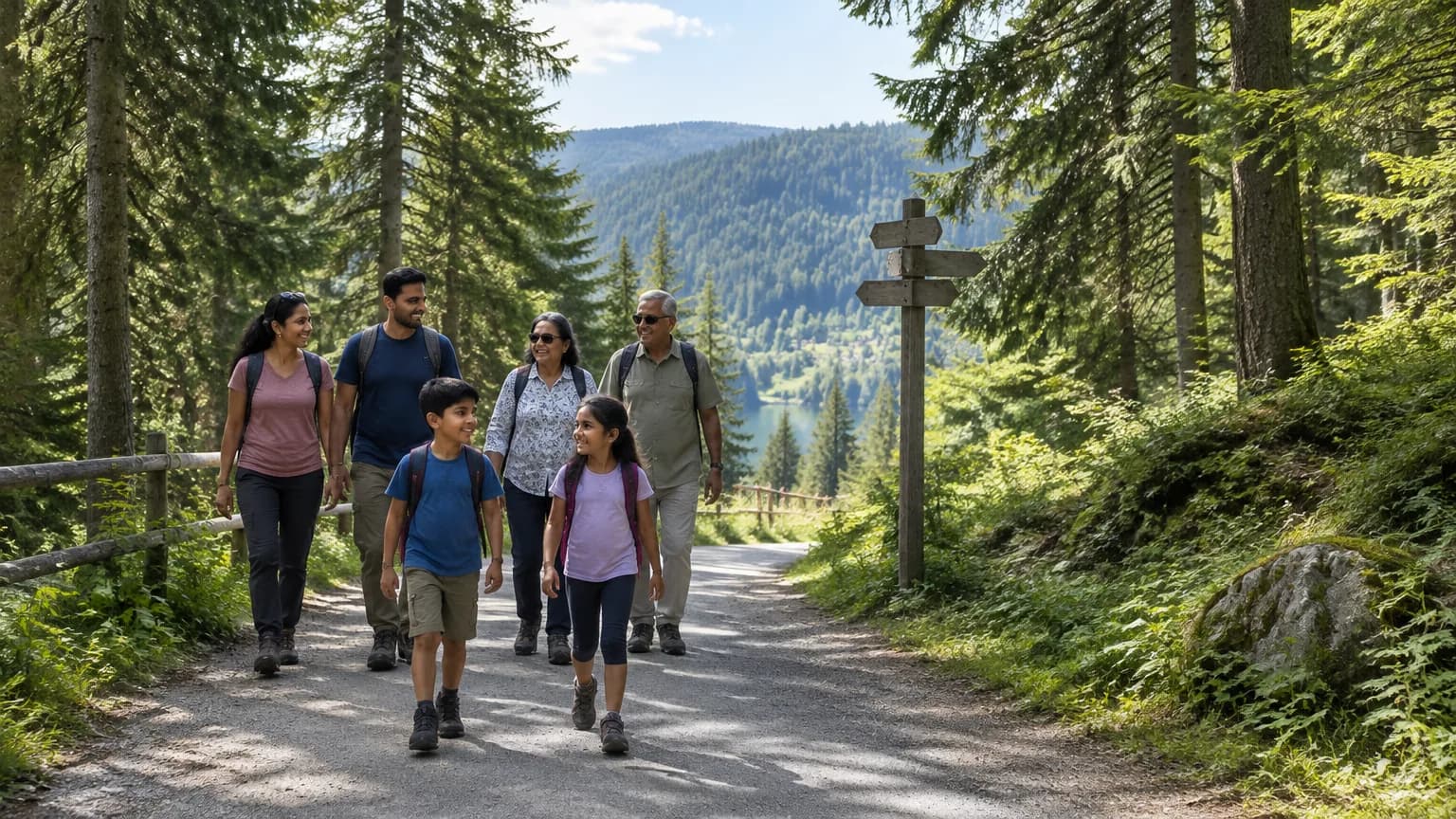
Germany · Flexible itinerary
Germany Europa-Park & Black Forest Family Holiday 8N 9D
Starting from
₹73,500/ person
Destination guide
Know Germany before you go.
Practical context, local highlights, and honest planning advice — written for travellers from India.
Field notes
A considered guide to Germany
Germany at a glance
Germany is a central European country that borders nine others, and this trip is urban and cultural rather than a beach holiday. A first visit works best over 7 to 10 nights, with Frankfurt or Munich as the gateway.
| Detail | What to know |
|---|---|
| Region | Europe, central; borders nine countries |
| Trip style | Cities, castle towns, museums, regional food and rail travel |
| Best season | May to September for warm days; December for Christmas markets |
| Ideal trip length | 7 to 10 nights for a first visit; a 5-night, 6-day version also works |
| Gateway airports | Frankfurt Airport (FRA) and Munich Airport (MUC) |
| Starting price | From Rs.47,000 per person, land only, twin sharing |
Because the cities are close and well linked, you can base in two or three places and still cover a lot. Spring and autumn give smaller crowds and lower prices, with more changeable weather. Winter is cold and the Alps can be snowbound.
Why travellers choose Germany
Three things draw Indian travellers here: rail that links most cities, a mix of castles, old towns and major museums, and a trip that is easy to plan. Each makes a first Europe holiday simpler to run.
- Rail that connects the main cities. Berlin, Munich, Frankfurt and Cologne are joined by long-distance ICE trains, so you move between bases in a few hours and unpack only two or three times.
- Castles, old towns and museums. Munich is a base for a castle day trip, Rothenburg is a historic town worth an overnight, and Berlin carries the capital's museums and modern history.
- Easy for first-timers from India. English is used in many tourist settings, 230 V Type C and F sockets are standard, and emergency numbers are simple: 112 for ambulance and fire, 110 for police.
Add the Rhine and Mosel wine regions and Germany's national parks and the Wadden Sea coast, and you can tilt the trip towards cities, countryside or a mix of both.
Top places and areas
The places below are the ones most first routes are built around. Each has a reason to go and one practical note.
- Berlin. The national capital and the main urban draw in the east. Give it at least two full days and use public transport between sights.
- Munich. The southern gateway and a base for a castle day trip. Book castle slots ahead in summer, when demand is higher.
- Frankfurt. A major international gateway and a central rail city. It works well for an arrival or departure night rather than a long stay.
- Hamburg. A northern city that appears on 5-night itineraries. It suits a shorter route that stays in the north.
- Cologne. The cathedral stands close to the central railway station. That makes it an easy half-day stop between rail legs.
- Nuremberg or Bamberg. Regional historic towns that sit between Berlin and Rothenburg on a first-timer route. A quieter night here breaks up the longer rail day.
- Rothenburg. A historic town where an overnight stay is recommended. Evenings are calmer once day visitors leave.
- The Rhine and Mosel valleys. Wine regions that host harvest festivals in September. Autumn is the best time to time a visit.
- The Bavarian Alps. Mountain country south of Munich. Winter snow can affect Alpine travel and hiking conditions.
- National parks and the Wadden Sea. Germany has 16 national parks, and the Wadden Sea is a coastal wildlife area. Treat this as an add-on rather than part of a city route.
Best time to go
May to September is the best window for a first Germany trip, with June to August the warmest and busiest. Summer days run roughly 15 to 25 C, and prices peak in June, July and August.
The shoulder months are April, May, September and October. Crowds are lower to medium, prices are medium, and weather swings between mild afternoons and rain showers. September adds wine-harvest events and the start of Oktoberfest.
The months to think twice about are November to March. Lowland temperatures sit around -1 to 4 C in midwinter, and daylight is short. January and February are the cheapest, though December is peak because of the Christmas markets.
- Best: May to September. Trade-off: higher prices and more visitors from June to August.
- Shoulder: April, May, September and October. Trade-off: rain and cooler spells in exchange for smaller crowds.
- Avoid for mountains: December to February. Trade-off: snow can disrupt Alpine plans, though city sightseeing and Christmas markets still work.
Watch public holidays too. Good Friday through Easter Monday, German Unity Day on 3 October and Reformation Day can close museums and shops in several states.
How to reach Germany
Frankfurt Airport and Munich Airport are the two usual gateways for Indian travellers. Flights from Indian cities generally connect through a hub rather than running non-stop, and total journey time is roughly 17 to 19 hours as of October 2026.
| Departure city | Typical routing | Approx. journey time |
|---|---|---|
| Delhi | Via Frankfurt or Munich | About 18.55 hours |
| Mumbai | Via Frankfurt or Munich | About 18.4 hours |
| Bengaluru | Via Frankfurt or Munich | About 17.75 hours |
| Chennai | Via Frankfurt or Munich | About 17.58 hours |
| Hyderabad | Via Frankfurt or Munich | About 18.08 hours |
| Kolkata | Via Frankfurt or Munich | About 17.25 hours |
| Ahmedabad | Via Frankfurt or Munich | About 18.75 hours |
| Kochi | Via Frankfurt or Munich | About 17.75 hours |
Durations come from a cited itinerary that routes via Singapore, so your own timing will vary with the connection you book. From the airport, the usual onward transfer is by train into the city centre, since both airports link to the national rail network.
Entry rules change from time to time. Check the current requirements for Indian passport holders on the official government source before you book flights.
Where to base yourself
Base in two or three cities and use rail for the rest, which keeps hotel changes low. The right base depends on what you want from the trip and your budget tier.
- Berlin. The capital and a northern base linked to other major cities by ICE trains. It suits couples and families who want museums and history.
- Munich. The southern major city and the base for a castle day trip. It suits couples and families.
- Frankfurt. An intercontinental aviation hub and a central rail city. It suits business travellers and couples, usually for one or two nights.
- Hamburg and Cologne. Both fit a shorter, 5-night route and suit couples and families.
- Nuremberg, Bamberg or Rothenburg. Historic-town bases between the big cities. They suit couples who want a quieter night.
On stay types, budget travellers usually choose simple city hotels or guesthouses a short ride from the centre. Mid-range travellers look for hotels near stations or tram lines. Premium travellers pick central or spa-style properties. Exact categories, room sizes and breakfast inclusions vary, so confirm them at booking.
A route worth following
A sensible first route uses three bases and moves from north to south, so the longest rail leg happens once. It fits within 7 to 10 nights.
- Berlin, 3 nights. Start in the capital after flying into Frankfurt or Munich and connecting by train. It front-loads the big museums and history while energy is high.
- Nuremberg or Bamberg, 1 to 2 nights. A regional stop between Berlin and the south. It breaks up the long rail day and adds an old town with local food.
- Munich, 3 to 4 nights. End here with the castle day trip and an easy airport transfer for the flight home.
With a few extra nights, add Rothenburg as an overnight, Hamburg at the start, or the Rhine and Mosel wine towns in September. Keep the order north to south so you do not double back on the same rail corridor.
Is Germany right for you?
Germany suits travellers who like cities, museums, castles and train travel, and who do not mind walking and using public transport daily. It works well for couples, families with older children and first-time Europe travellers who want a well-connected route.
It is a weaker fit if you want a beach resort holiday, long stays in one place, or warm weather in winter. Elders can manage it comfortably when the route keeps hotel changes low and balances walking days with rest.
The pace also matters. A rail-based route involves station transfers and some stairs with luggage, so travellers with mobility concerns should keep bases to two and ask for step-free options when booking.
Ways to travel to Germany
This destination is sold in several trip styles, so you can match the route to how you like to travel. Each style below is one of the themes offered.
- Best of. Suits first-timers who want the main cities and a castle day trip.
- City Explorer. Suits travellers who prefer two or three cities with more free time and fewer transfers.
- Cultural & Heritage. Suits those who want museums, historic towns and architecture at the centre.
- . Suits slower travellers who want local food, markets and regional towns over a checklist.
- Extended / Grand Tour. Suits those with extra nights to add the Rhine, Hamburg or the Alps.
- Family. Suits households that need shorter rail legs and well-placed hotels.
- Honeymoon. Suits couples who want quieter towns and relaxed evenings.
- Luxury. Suits travellers who prefer premium stays and private transfers where useful.
- Wellness & Relaxation. Suits those who want slower days between city stops.
Traveller tips
Five habits make a first Germany trip smoother, covering what to pack, local manners, safety, money and entry checks.
- Pack for the season. A warm coat, hat, gloves and scarf help at Christmas markets, and rain protection with waterproof footwear helps in spring and autumn. The CDC also suggests carrying alcohol-based hand sanitiser with at least 60% alcohol.
- Etiquette basics. Greet staff when you enter a shop, keep noise down in residential areas at night, and expect some museums and shops to close on public holidays.
- Safety. Dial 112 for ambulance and fire and 110 for police. Financial scams are reported as common, so be wary of unsolicited requests for money or card details.
- Money and phone. Cards are widely accepted, but carry a little cash for small vendors. Sort a data plan or eSIM before you land, and download your transport app in advance.
- Transport pass. The Deutschland-Ticket costs €63 per month as of 2026 and covers local and regional public transport, but generally not ICE, IC or EC long-distance trains. It is a monthly-cancellable subscription bought through an app or chip card.
Also check the current entry requirements for Indian passport holders on the official government source before booking. When your dates are settled, the Germany package page is a good place to see what a full trip includes.
Personalise your trip
Shape Germany around the way you travel.
Choose a travel style as your starting point. We'll refine the pace, stays, experiences, and budget until the journey feels entirely yours.
Not sure which fits? Use our trip builder — it takes under two minutes.
Got questions?
The questions travellers ask about Germany.
Straight answers on visas, pricing, best time to visit, and how our packages work for Indian travellers.
8 answered below
Social proof
What Tripstor travellers say
Feedback from Indian holidaymakers who travelled with Tripstor.
4.8
from 432+ reviews
FamilyBooked a family package for 7 nights covering Port Blair, Havelock, and Neil. The Cellular Jail light and sound show on Day 1 set a good tone for the trip. Kids were engaged throughout and the itinerary was not too rushed.
HoneymoonHoneymooned in Kashmir for 7 nights in May. Gulmarg had light snow still and we got a gondola ride on Day 4. The tulip garden in Srinagar was in full bloom. Tripstor arranged a candlelit dinner on the houseboat which was a nice touch.
FriendsThree friends and I did a 9-night Australia package with stops in Melbourne and Sydney. We spent an afternoon at the Melbourne Cricket Ground and caught a local match. Tripstor sorted our group visa applications together which saved a lot of back and forth. Good experience overall.