Curated starting points
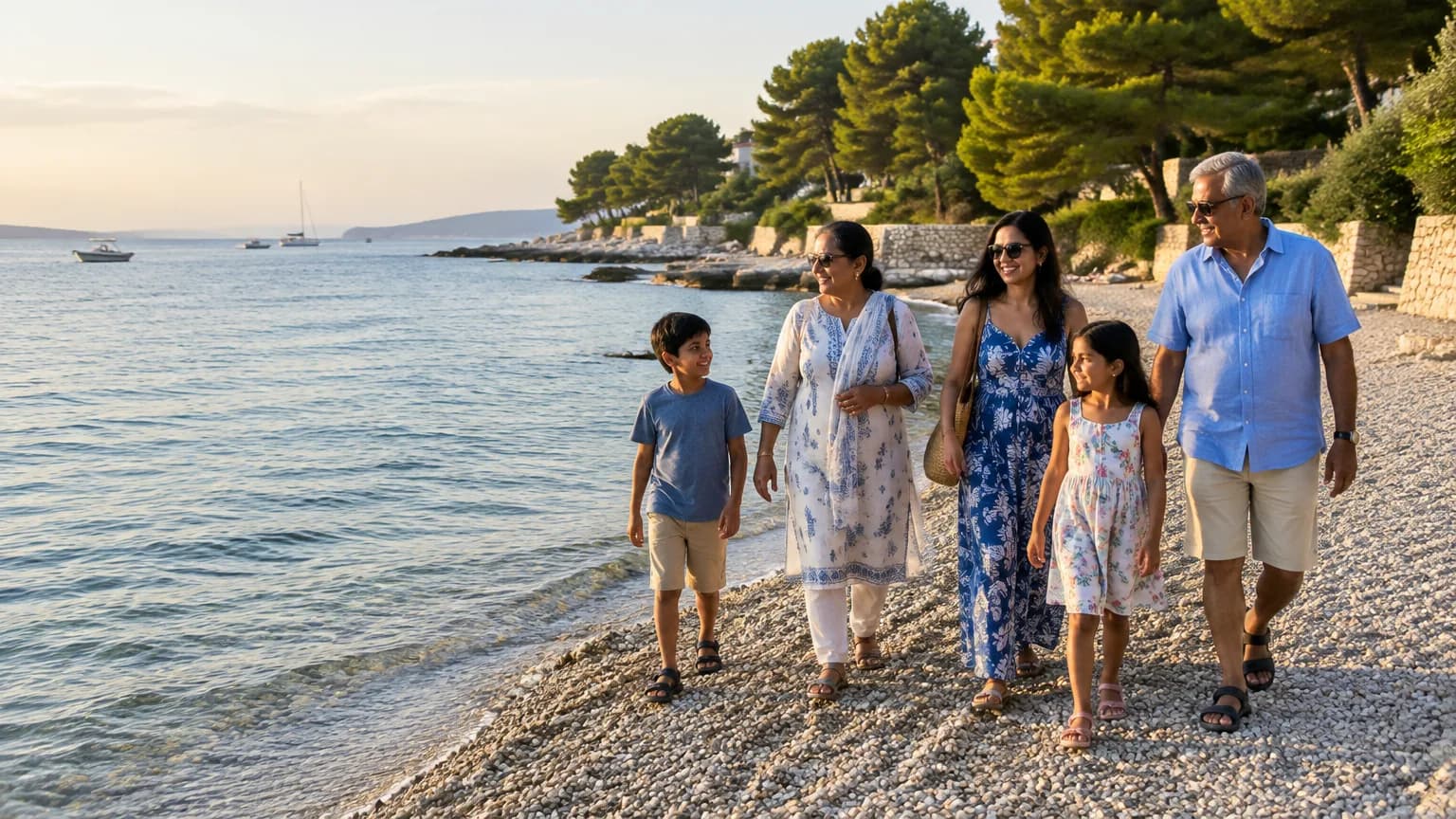
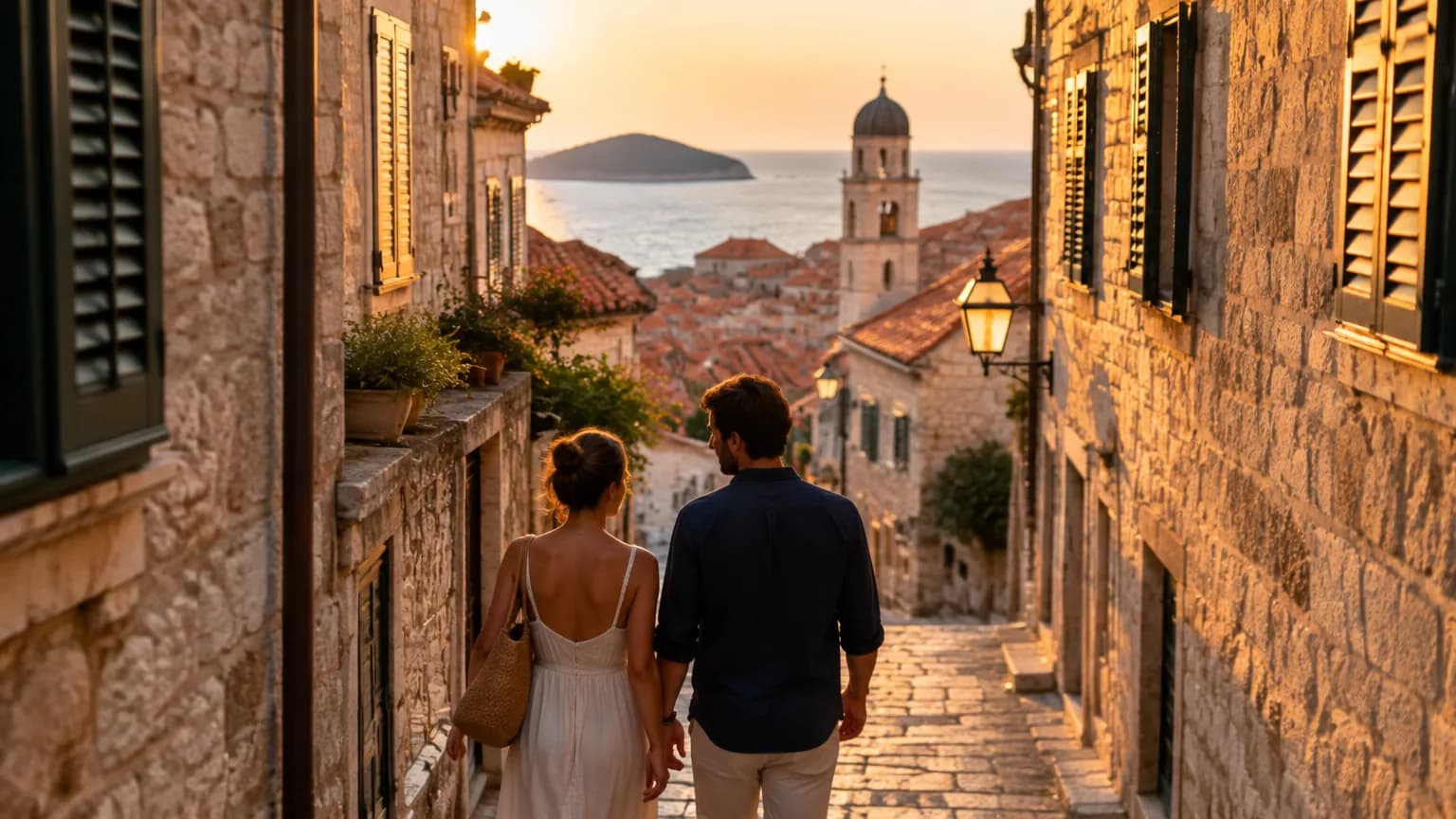
Find a Croatia journey that feels like yours.
Begin with a thoughtfully paced itinerary, then change the stays, experiences, route, and budget with a Tripstor specialist.
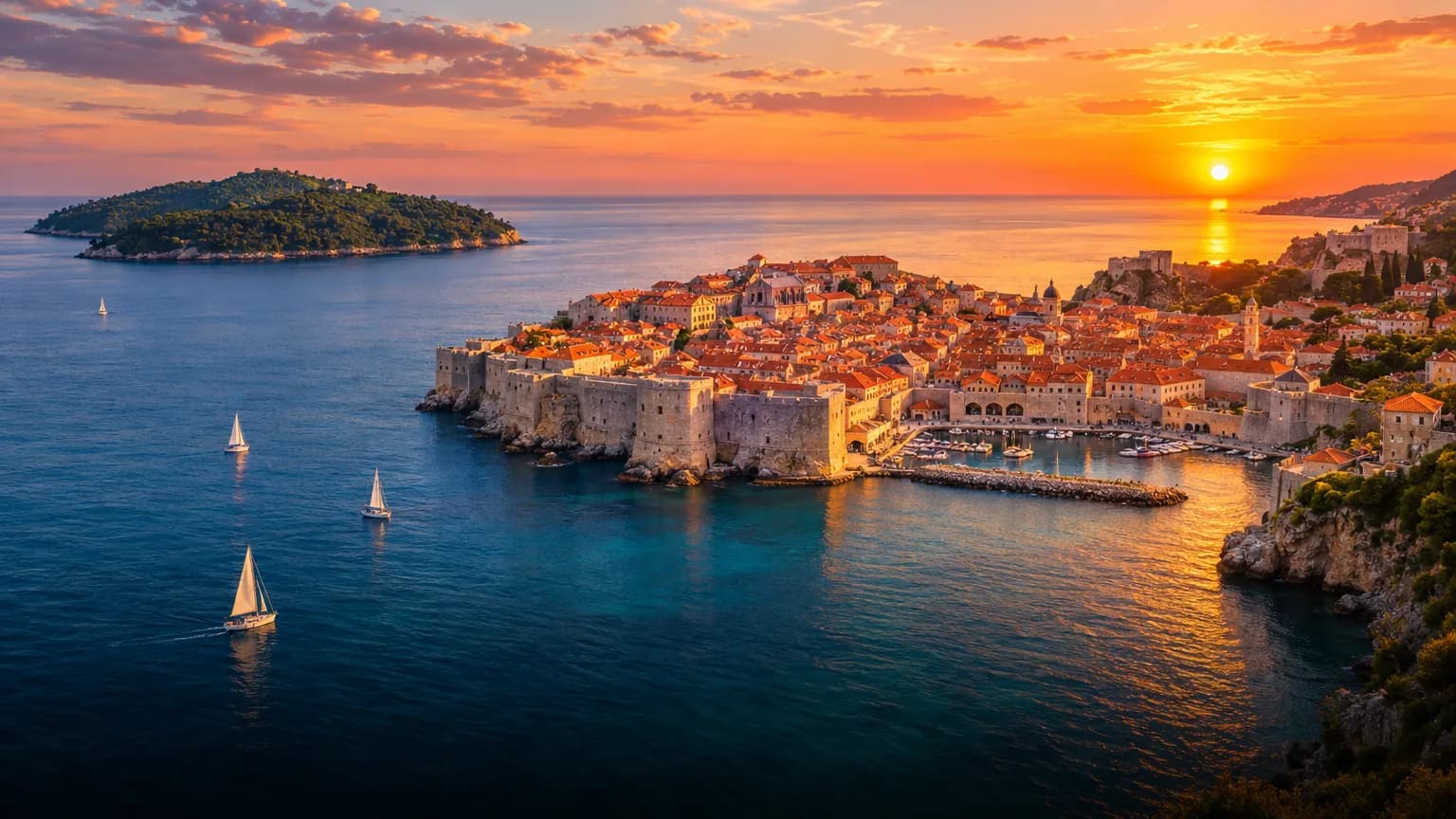
Croatia tour packages suit Indian travellers who want a European trip combining a historic capital, an Adriatic coastline and island ferry hops in one itinerary. The country works best between May and September, when the sea is warm and ferries run full schedules. Plan 8 to 12 nights to cover Zagreb, Split and Dubrovnik without rushing.
Curated starting points
Begin with a thoughtfully paced itinerary, then change the stays, experiences, route, and budget with a Tripstor specialist.
Starting from
₹1,21,000/ person
Destination guide
Practical context, local highlights, and honest planning advice — written for travellers from India.
Field notes
A considered guide to Croatia
Croatia is a European country with Zagreb as its capital and a long Adriatic coastline running through Dalmatia. This is a multi-base trip rather than a single-resort holiday: most travellers combine a city, a coastal town and at least one island ferry hop.
| Detail | What to Know |
|---|---|
| Region | Europe, Adriatic coast |
| Trip type | Multi-base: city, coast and islands |
| Ideal trip length | 8–12 nights |
| Best season | May, June and September |
| Peak season | July and August (warmest, busiest, highest prices) |
| Main gateways | Zagreb Franjo Tuđman Airport (ZAG), Split Airport (SPU) |
| Currency | Euro |
| Power | 230 V, 50 Hz (European two-pin plug) |
July and August are the warmest months along the coast, with temperatures reaching 28°C, but they also bring peak crowds and peak prices. June and September offer warm sea temperatures with medium crowds and medium prices, which suits most travellers from India who prefer a balance of good weather and manageable costs.
Three things draw Indian travellers here: a coastline you can move around by ferry without a car, a compact historic core in every major town, and a transport network that links cities, coast and islands on well-marked bus and ferry routes.
The Dalmatian coast places Split and Dubrovnik within a few hours of each other by bus or catamaran. Between them sit islands such as Hvar and Brač, reachable on foot-passenger ferries and catamarans from Split. That combination of old walled towns and island hops in one country is genuinely rare in Europe at this scale.
For travellers from India, the practical appeal is that Croatia uses the euro, English is widely spoken in tourist areas, and the main stops connect without driving. A car helps in Istria and at the national parks, but the coast-and-island circuit works entirely on public transport and ferries.
These are the areas most first-time visitors build their Croatia trip planning around. Each works as a stop of two to three nights and has a distinct character.
May, June and September are the best months for most Indian travellers, offering warm sea temperatures, medium crowds and mid-range prices. July and August are the warmest but also the busiest and most expensive, with heatwaves possible inland.
Spring, from March to May, is mild and well suited to walking and cycling. Evenings can turn cool, so pack a light layer. Sea temperatures in this period range from about 12°C to 19°C, which is too cold for most swimmers, but the landscape and the old towns are at their quietest and most accessible.
September remains warm, with sea temperatures around 23–24°C, and crowds thin noticeably after the August peak. October and November turn cooler and wetter, with fewer visitors and lower prices, but many island hotels, smaller seafront restaurants and some island services close or run reduced schedules. Ferry timetables thin out from October onward.
Winter, from December to February, is cold and quiet, with temperatures dropping below zero in Zagreb. Coastal activity is limited, and this period suits only travellers focused on Zagreb or the Rijeka Carnival in February. For a coast-and-island trip, avoid late autumn and winter.
Indian travellers fly into Zagreb (ZAG) or Split (SPU), connecting through a European or Gulf hub with one stop, as there are no direct flights from India. Confirm the current routing and total travel time at booking, as schedules and connections change seasonally.
From Zagreb airport, the city centre is accessible by public transport, with the network moving toward contactless bank-card payments on ZET vehicles. From Split airport, a planned rail link through Kopilica, Solin and Kaštela would eventually connect the airport to the Eastern Coast area, but confirm the current status at booking. For now, taxis and buses serve the transfer.
The Zagreb–Split rail corridor takes around eight hours, though Croatian Railways planned six new trains for 2026 that could cut this by up to 90 minutes — confirm the current timetable before travel. Most travellers use an intercity bus or a short domestic flight between Zagreb and Split instead.
Check the current entry rules for Indian passport holders on the official government source before booking. This page does not cover visa types, fees or processing times, as these details are covered separately and can change.
Pick two or three bases rather than one. Dubrovnik Old Town and Split historic centre suit couples who want to walk to the sights and have the sea close by. Zadar and Babin Kuk in Dubrovnik work well for families who need more space and quieter surroundings.
Zagreb is the right pick for a city break away from the coast, with urban transport and a different pace from the Dalmatian towns. Rovinj in Istria suits couples looking for an upscale coastal stay with a food focus.
For budget stays, guesthouses and private rooms in the old towns and near bus stations are the most common option. Mid-range travellers will find small hotels and serviced apartments in the same areas. Upscale stays cluster in Rovinj, Babin Kuk and the Dubrovnik area. Check current prices for your specific dates, as coastal rates shift sharply between the shoulder and peak seasons.
A sensible first route uses three bases over 8 to 12 nights: Zagreb, Split and Dubrovnik, with an optional island night if time allows.
Start with 2 nights in Zagreb to settle in after the flight and see the capital. Then move to Split for 3 nights, using it as the base for a day trip or overnight to Hvar or Brač by ferry or catamaran — foot-passenger fares on these routes are among the most affordable ways to add an island to the trip. Finish with 3 nights in Dubrovnik for the Old Town and the coast before flying out.
With 12 nights, add a night on an island and a stop at Plitvice Lakes between Zagreb and Split. The order works because Zagreb is the main air gateway, Split sits mid-coast with the best ferry connections, and Dubrovnik is the natural end point. Travelling south to north in reverse is equally valid if you fly into Split and out of Zagreb.
Croatia suits travellers who are comfortable moving between two or three bases and using buses and ferries as the main transport. It fits couples, families and older travellers who can manage old-town walking and ferry boarding, as some routes involve steps, cobblestones and moderate crowds.
It is a good choice if you want a European coastal trip with historic towns, island day trips and a city start or finish, rather than a single beach resort. The trip also works for first-timers to Europe who want a compact, well-connected destination where English is widely spoken.
Croatia is less suited to travellers who want short domestic rail journeys — the Zagreb–Split rail trip remains long even with planned improvements. It does not suit a winter beach holiday, since coastal activity drops from autumn into winter and many island businesses close. If you want one fixed base with no transfers, a single-resort destination may be a better fit.
Browse the Croatia holiday packages to see how these choices turn into a bookable trip.
Personalise your trip
Choose a travel style as your starting point. We'll refine the pace, stays, experiences, and budget until the journey feels entirely yours.
Not sure which fits? Use our trip builder — it takes under two minutes.
Got questions?
Straight answers on visas, pricing, best time to visit, and how our packages work for Indian travellers.
8 answered below
Social proof
Feedback from Indian holidaymakers who travelled with Tripstor.
4.8
from 432+ reviews
FriendsThree friends and I did a 9-night Australia package with stops in Melbourne and Sydney. We spent an afternoon at the Melbourne Cricket Ground and caught a local match. Tripstor sorted our group visa applications together which saved a lot of back and forth. Good experience overall.
FamilyTravelled with my parents who are in their late 50s. Tripstor recommended two full acclimatization days in Leh before any high-altitude drives and that made a real difference. Tso Moriri was quieter than Pangong and honestly more worth the drive.
FamilyBooked a family package for 7 nights covering Port Blair, Havelock, and Neil. The Cellular Jail light and sound show on Day 1 set a good tone for the trip. Kids were engaged throughout and the itinerary was not too rushed.