Package overview
The thinking behind this journey.
A closer look at this 6-night journey through Japan— who it's built for, what you'll experience, and why the pace works.
Journey notes
Why this route works
What This Japan Holiday Covers
This 6N/7D Japan family tour package spans Tokyo, Kyoto and Osaka across seven days, with two theme-park days, one guided temple day and short rail transfers between cities. The route is compact by design — no day has more than three hours of travel between bases, and each day has one anchor activity and one flexible block.
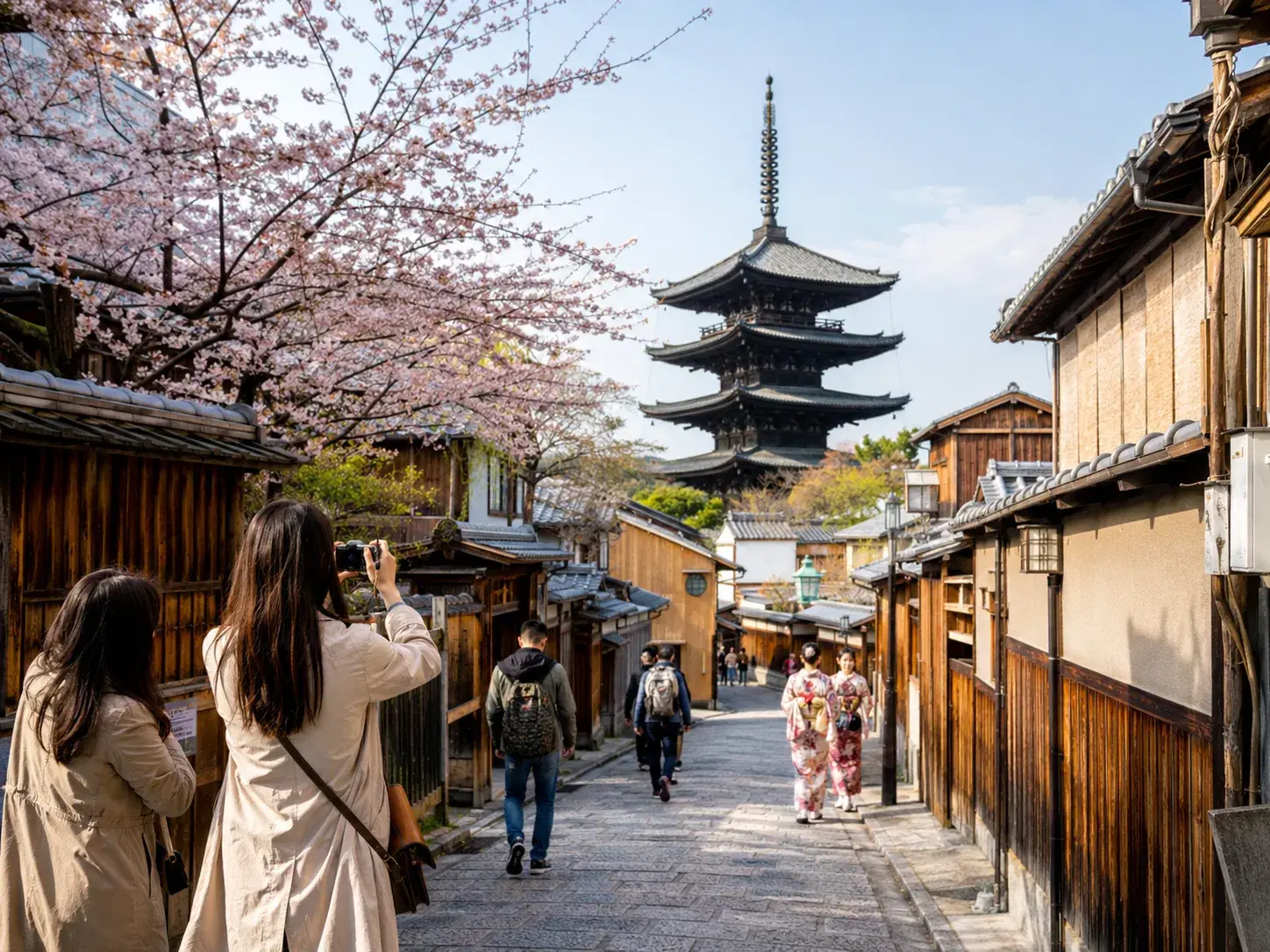
Tokyo gives you a city orientation day and a full day at Tokyo Disney. Kyoto gives you one guided day covering Kinkaku-ji, Arashiyama and Gion. Osaka gives you Universal Studios Japan and a free morning before departure. The sightseeing list is deliberately short so families with young children and older adults are not rushed.
Why This Family Route Is Paced Differently
Most week-long Japan itineraries try to fit in four or five cities. This one stays with three, linked by frequent trains, keeping total travel time manageable for families. The Tokyo to Kyoto shinkansen takes roughly two and a half hours; Kyoto to Osaka is under thirty minutes by train. No single day requires an early-morning departure and a late-night arrival.
Each day ends with dinner near the hotel by around 8 pm. That rhythm matters when you have young children who tire by mid-afternoon or grandparents who need an early rest. Free afternoon blocks on Days 2 and 7 give the family time to move at their own pace.
Best Time to Visit Japan from India for a Family Trip
October and November are the most practical months for this Japan holiday — mild temperatures (12–22°C), low rainfall in October and comfortable walking weather across all three cities. March to May is spring, but late March to early May is peak cherry-blossom season with higher hotel rates and crowded transport. June to mid-July is the rainy season across most of mainland Japan. Mid-July to August is hot and humid (28–34°C), which makes outdoor days tiring for children and elders. September carries typhoon risk. December to February is cold but dry and quieter outside the New Year period.
Avoid Golden Week (late April to early May), Obon (mid-August) and the New Year period. Transport and accommodation are crowded and expensive during these windows, which is hard on young children and older travellers.
What the Trip Cost Covers at This Price Band
| Stay Category | Indicative Price Per Person | Hotel Type |
|---|---|---|
| Budget | Approx Rs.1,07,500 | 3-star city hotels, twin sharing |
| Standard (default) | Rs.1,43,000 | 4-star city hotels, twin sharing |
| Premium | Approx Rs.2,29,000 | 5-star city hotels, twin sharing |
The standard price of Rs.1,43,000 per person (twin sharing, land only) covers six nights in 4-star hotels, daily breakfast, airport and inter-city transfers, the shinkansen from Tokyo to Kyoto, and entry tickets to Tokyo Disney and Universal Studios Japan. Flights, Japan visa fees, travel insurance, lunches, dinners outside the plan and personal expenses are not included. Final inclusions are confirmed at booking.
Kid and Elder Logistics on This Route
Strollers are practical in Japan — pavements are flat and well maintained in Tokyo, Kyoto and Osaka, and most train stations have lifts. Bring a compact, foldable stroller for children under five. Wheelchairs and mobility aids are well accommodated at major stations and theme parks; confirm specific access needs at booking so the ground team can plan accordingly.
Seat arrangements on private transfers can be set up with a child seat or booster on request — confirm this at booking. On the shinkansen, reserved seats keep the family together. Theme-park days include bench and stroller-parking areas at regular intervals. Snack stops are built into the morning and afternoon blocks on every day.
Why This Works for Families
- Short transfers: the longest single journey is the Tokyo–Kyoto shinkansen at roughly 2.5 hours, manageable for children with snacks and a window seat.
- Two dedicated theme-park days mean children have clear highlights to look forward to, not just temple visits.
- Kyoto's Fushimi Inari lower gates and Arashiyama bamboo grove are flat, short walks suitable for grandparents.
- Hotels in the 4-star category in Japan typically offer connecting rooms or larger family rooms on request — confirm at booking.
- Japan's convenience stores (konbini) are on almost every block and stock familiar snacks, warm food and basic medicines, useful when travelling with children.
- Early dinner times are easy to arrange in Japan, where restaurants open from around 5:30 pm.
Highlights by Age Group
Younger Children (Under 10)
- Tokyo Disney — rides, character meet-and-greets and the evening parade
- Ueno Zoo in Tokyo — one of Japan's oldest zoos, walkable from Ueno Park
- Universal Studios Japan — age-appropriate family zones alongside the main attractions
- Nakamise shopping street in Asakusa — street snacks and small souvenirs
Teenagers
- Universal Studios Japan Harry Potter area and thrill rides
- Shibuya Crossing and the surrounding shopping streets
- Nishiki Market in Kyoto for street food and local produce
- Dotonbori in Osaka for neon signs, food stalls and the evening atmosphere
Grandparents
- Senso-ji temple in Asakusa — flat ground, short walk, plenty of seating
- Kinkaku-ji (Golden Pavilion) in Kyoto — a short, mostly flat circuit
- Arashiyama bamboo grove — rickshaw option available for those who prefer not to walk
- Gion evening walk — slow pace, well-lit lanes, early finish
Pace, Rest and Daily Rhythm
A typical day on this trip runs from 9 am to 7:30 pm, with a mid-afternoon rest window of about an hour built into the plan. Theme-park days are the exception — families can leave when they are ready, and the itinerary does not require staying until closing time.
Driving times between sightseeing stops within a city are generally under 30 minutes. The shinkansen on Day 4 is the longest single journey. Children who need a nap can rest in the hotel after lunch on Days 2 and 5 without missing the main activity. No day starts before 8:30 am.
Rooms, Meals and Comfort in Japan
Four-star hotels in Tokyo, Kyoto and Osaka generally offer family rooms or connecting rooms on request. Connecting rooms are the more practical option for families with grandparents, as they allow separate sleeping space while staying close. Request this at booking — availability varies by property and season.
Breakfast at Japanese 4-star hotels typically includes both a Western and a Japanese set, so children can choose familiar options. Vegetarian breakfasts are available at most hotels if requested in advance. For lunches and dinners, Indian and vegetarian restaurants exist in all three cities on this route. Strict Jain food without onion and garlic is harder to guarantee outside Indian restaurants — share dietary requirements at booking so the guide can plan meal stops accordingly.
Travelling with Kids and Elders in Japan: Five Practical Tips
- Carry printed prescriptions with generic drug names. Japanese pharmacies stock many common medicines, but brand names differ. A generic-name prescription helps the pharmacist match the right product.
- Pack layers for October–November travel. Temperatures in Kyoto and Tokyo can drop to 12°C in November evenings. Light jackets for children and a warm layer for grandparents are practical.
- Get a pocket Wi-Fi or SIM at the airport on arrival. Navigation apps and translation tools are essential in Japan, especially at train stations. Rent or buy at the airport counter on Day 1.
- Carry copies of all passports and the visa. Japan requires a valid visa for Indian passport holders. Keep photocopies separate from the originals in case of loss.
- Theme parks have age and height restrictions on some rides. Tokyo Disney and Universal Studios Japan both have minimum height requirements for certain attractions. Check the official park websites before the trip so children are not disappointed on the day.
Where Families Stay on This Japan Trip
The default 4-star option at Rs.1,43,000 per person places families in centrally located city hotels in Tokyo, near Kyoto Station and in central Osaka. Kyoto Station-area hotels are practical for families because the shinkansen, local buses and taxis are all within walking distance, reducing the need for extra transfers.
The budget 3-star option (indicative Rs.1,07,500 per person) covers clean, well-located hotels with smaller rooms — connecting rooms may be limited. The premium 5-star option (indicative Rs.2,29,000 per person) gives larger rooms, in-hotel dining and concierge support, which can be useful when travelling with grandparents or very young children. All prices are indicative; confirm the exact category and room configuration at booking.
Entry, Visa, Currency and Flights for Indian Travellers Visiting Japan
Indian passport holders require a visa to enter Japan. Applications are submitted through the Embassy of Japan or an authorised visa application centre in India. Check the official portal for the current fee and processing time, as these figures change. Japan does not offer a visa on arrival for Indian citizens.
The local currency is the Japanese Yen (JPY). Japan is still largely cash-dependent outside major hotels and tourist areas, so carry sufficient yen for meals, transport top-ups and small purchases. Do not rely solely on cards. Exchange rates vary — check with your bank or a licensed forex provider before travel.
Flight duration from major Indian cities to Tokyo varies: approximately 11.6 hours from Chennai, 11.8 hours from Kochi, 11.8 hours from Bengaluru, 12.6 hours from Mumbai and 12.8 hours from Delhi, typically via a connecting hub. Most itineraries fly into Tokyo Haneda (HND) or Narita (NRT) and depart from Kansai International Airport (KIX) in Osaka. Confirm current fares and airline options at booking.