Package overview
The thinking behind this journey.
A closer look at this 7-night journey through Italy— who it's built for, what you'll experience, and why the pace works.
Journey notes
Why this route works
What does this Italy family holiday cover?
This 7-night itinerary runs across three bases — Rome, the Sorrento peninsula and a return night in Rome — with the Colosseum, Pompeii and the Amalfi Coast as the three anchor experiences. Each day is built around two activity blocks, not four, so there is always a rest window in the afternoon.
Rome gets three nights, covering the Colosseum, Palatine Hill, Roman Forum, Vatican Museums and Sistine Chapel across separate mornings. Pompeii is done as a guided half-day on the way south, keeping the walk to about two hours with shade breaks. The Sorrento coast adds beach time and a free day before the family returns to Rome for departure.
Why this route works for Indian families
The Rome to Naples Frecciarossa takes roughly 1 hour 10 minutes, which is the longest single transfer on the trip and well within what children and grandparents can manage comfortably. No day requires more than one long journey.
Villa Borghese in Rome gives children space to run and bicycles to rent, with no entry fee for the park itself. The Sorrento coast has beach clubs and shallow water suited to younger children. Pompeii is visited with a guide so the family understands what they are looking at, and the session is timed to avoid the worst midday heat. This route is planned for families who prefer fewer, calmer stops — three hotel bases across eight days means minimal packing and unpacking.
Best time to visit Italy from India
April, May, June and September give the most reliable conditions for this route, with temperatures between 12°C and 28°C and moderate crowds outside peak summer. July and August push inland city temperatures past 30–35°C, which is hard on young children and seniors walking open archaeological sites like the Roman Forum and Pompeii.
October is still workable in the first half, but rain becomes heavier later in the month. Winter months bring low prices and low crowds, but some coastal hotels on the Sorrento side close between seasons — confirm availability at booking if you are considering November to February travel.
What drives the Italy trip cost
The Rs.1,30,000 per person figure covers land arrangements only, on twin sharing, with international flights excluded. Room category is the biggest variable, followed by travel season, private versus group transfers, and the number of guided entries included.
| Stay Category | Indicative Price Per Person | Room Type |
|---|---|---|
| Budget (3-star) | Approx Rs.97,500 | Standard double or twin |
| Standard (4-star) | Rs.1,30,000 (default) | Family or connecting rooms where available |
| Premium (5-star) | Approx Rs.2,08,000 | Superior family rooms, sea-view options on the coast |
Peak June to August dates cost more for the same hotels. Colosseum and Vatican Museums entries should be booked several weeks ahead in summer. Frecciarossa seats fill quickly for family groups, so advance reservation through Trenitalia is recommended.
Kid and elder logistics on this trip
Strollers are manageable on Rome's wider pavements but can be difficult on uneven stone surfaces near the Roman Forum and inside Pompeii. A compact, foldable stroller is easier than a full-frame pram. Wheelchairs and mobility aids are accommodated at most 4-star hotels; confirm lift access and room floor at booking.
- Frecciarossa trains have dedicated family seating areas; book seats together when reserving tickets on Trenitalia.
- Private air-conditioned vehicles are used for all road transfers, with luggage loaded by the driver.
- Pompeii has limited shade; carry hats, sunscreen and water, especially for children and seniors.
- Rest stops are built into the Amalfi Coast drive — each viewpoint stop is 15 to 20 minutes, not a long walk.
- Hotel rooms are confirmed as family or connecting configurations where available; request this at booking.
Why this works for families — specific reasons
Short transfers, pre-booked skip-the-line entries and one free afternoon every few days are the three structural decisions that make this route manageable for mixed-age groups.
- No back-to-back full days: Day 3 ends at Villa Borghese, not another museum. Day 6 is entirely free.
- Guided entries at the big sites: Colosseum and Pompeii are done with a guide so children get context and adults are not navigating maps.
- Dinners at 7:30 pm: Italian restaurants open for dinner around 7:30 pm, which suits families with children better than a 9 pm sitting.
- Coast time built in: The Sorrento peninsula has beach clubs and shallow water, giving children a break from sightseeing.
- Realistic pacing for seniors: The Pompeii visit is capped at two hours. Villa Borghese and the Sorrento free day are low-effort options for grandparents who want to sit and watch rather than walk.
Highlights by age group
Younger children (ages 5–10)
- Walking inside the Colosseum and seeing the arena floor
- Bicycle rental at Villa Borghese park
- Shallow-water beach time on the Sorrento coast
- Gelato stops after afternoon sightseeing
Teenagers
- Pompeii — the preserved streets and buildings hold attention well
- Trevi Fountain coin-toss and the walk through central Rome at night
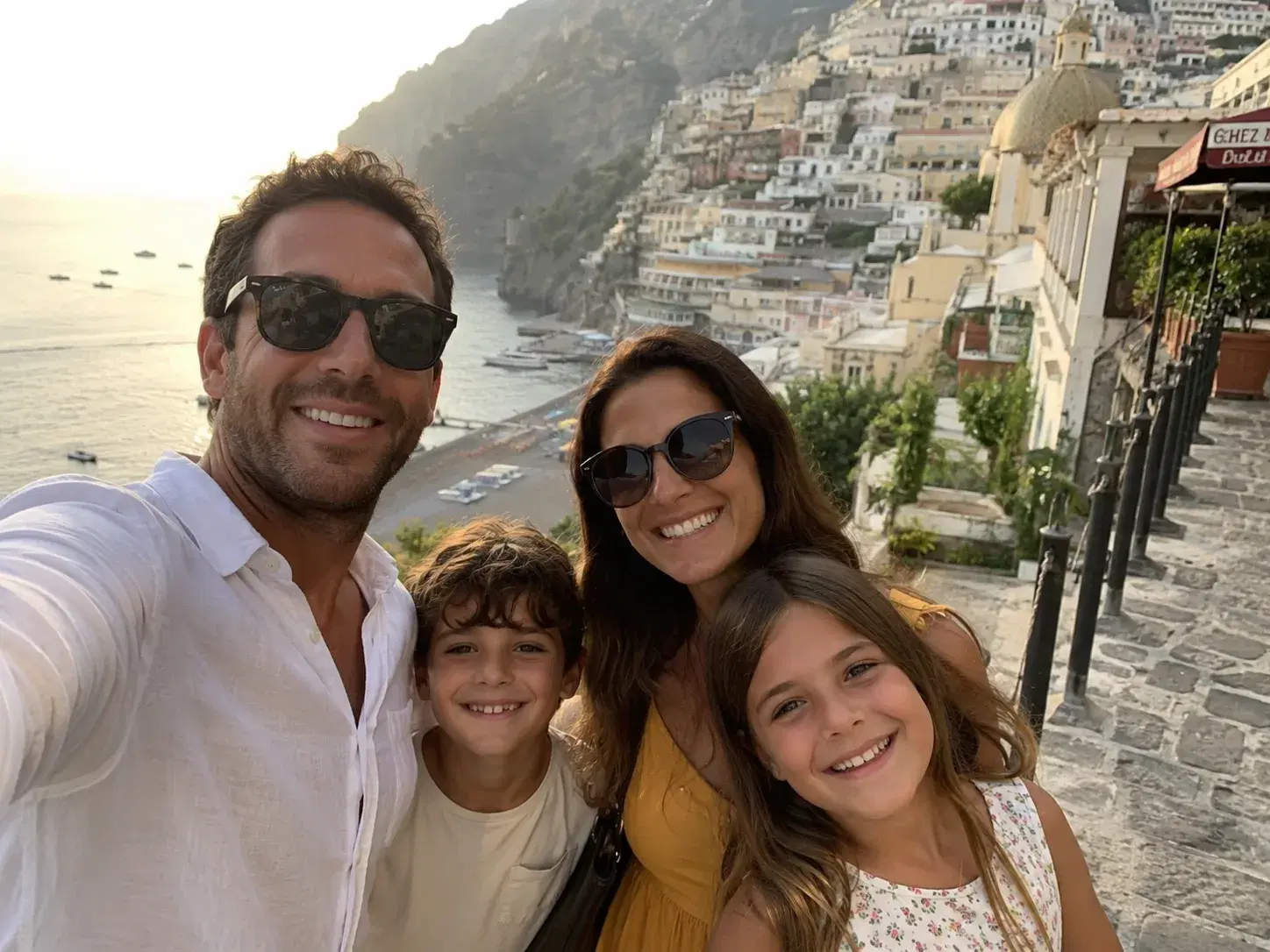
- Amalfi Coast viewpoints and optional Capri boat trip on Day 6
- Vatican Museums and Sistine Chapel ceiling — the scale registers differently in person
Grandparents
- Guided Colosseum visit at a steady pace with skip-the-line entry
- Villa Borghese park — benches, shade and space to sit while children play
- Sorrento free day — sea views, a slow lunch and no fixed schedule
- Frecciarossa train travel — comfortable seats, short journey, no airport-style security
Pace, rest and daily rhythm
Each day runs one ticketed morning activity and one lighter afternoon activity, with the hotel available for a midday break. No day starts before 8:30 am and no evening activity runs past 9:30 pm.
The Amalfi Coast drive on Day 5 is the longest day in terms of time in the vehicle, but stops are frequent and the scenery keeps children occupied. Day 6 is a free day with no fixed schedule, which gives the family a buffer if anyone needs extra rest. Luggage packing is suggested for the evening of Day 7 so the final morning is relaxed.
Rooms, meals and comfort
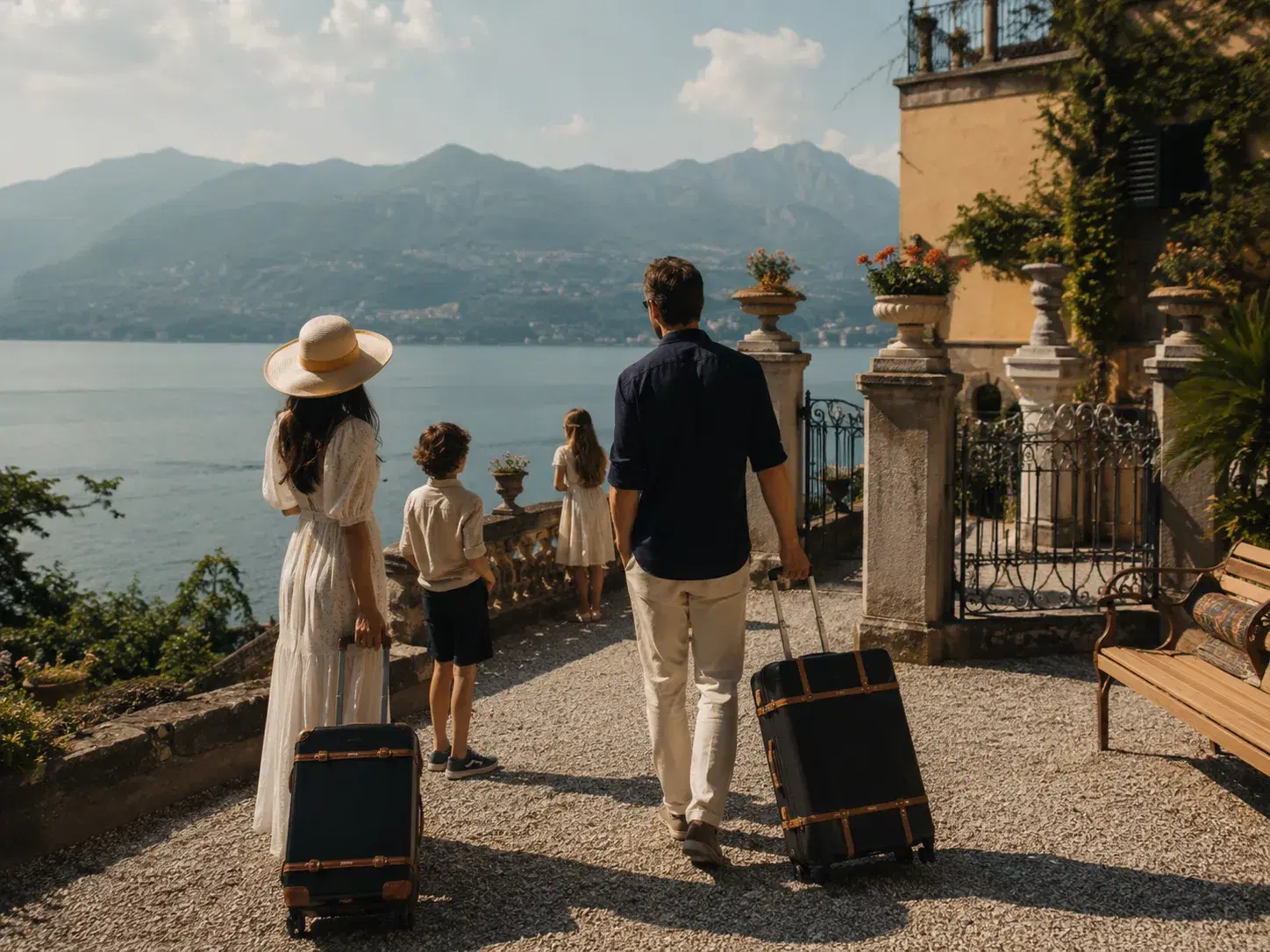
All hotels on this route are 4-star properties in central or well-connected locations. Family rooms or connecting rooms are requested at booking; availability depends on the property and season, so confirm early.
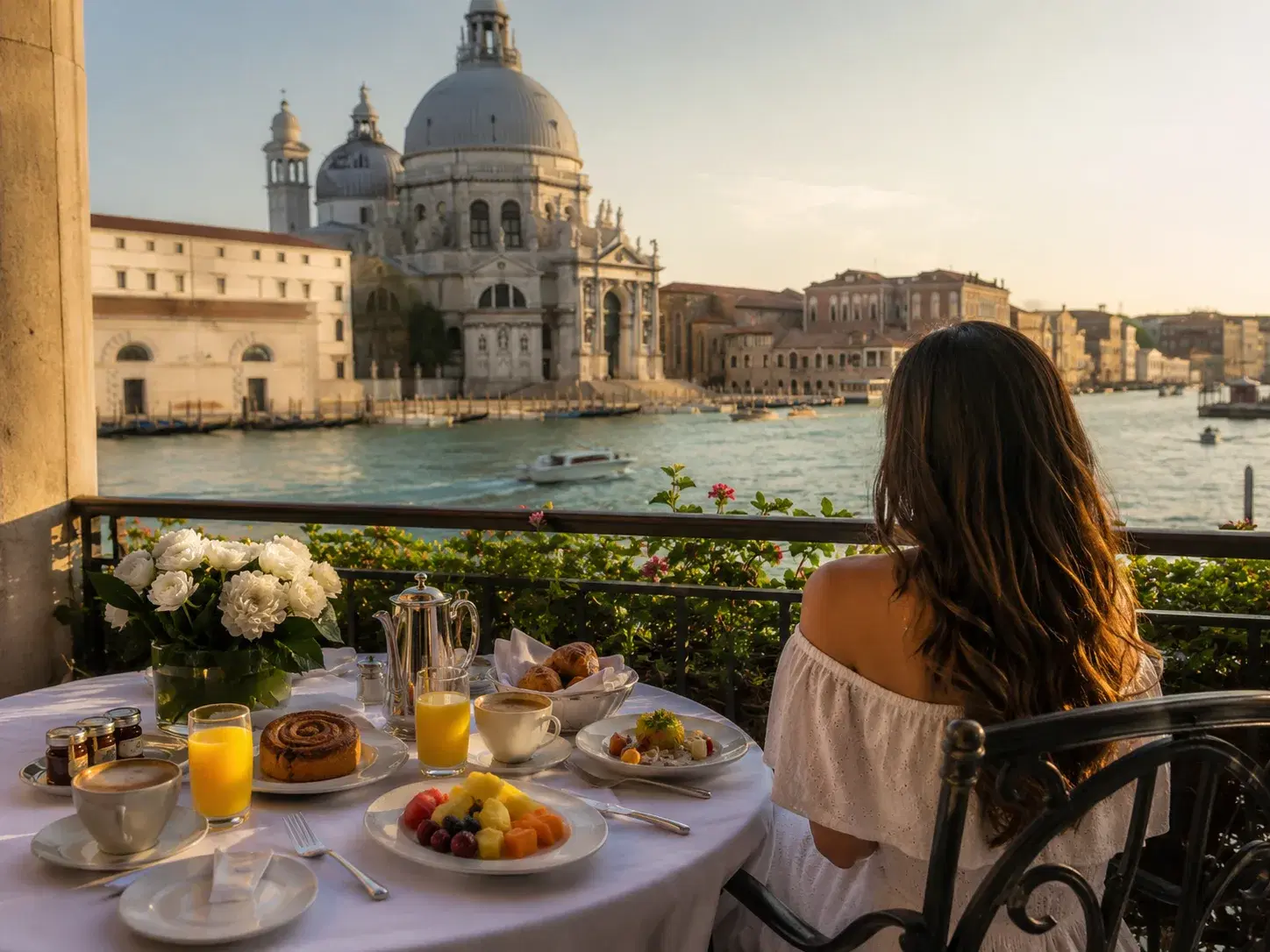
Daily breakfast is included. Vegetarian options are available across Italy, including bruschetta, soups, seafood-free pasta and pastries. Jain-specific kitchens are not confirmed on this route — families with Jain dietary requirements should request a custom meal plan at booking and carry some staples. Restaurants open for lunch around 12:30 pm and for dinner around 7:30 pm.
Travelling with kids and seniors in Italy — five practical tips
- Carry euro cash: UPI is not accepted in Italy. Most restaurants and shops take cards, but smaller vendors and some transport options prefer cash. Draw euros on arrival or carry a forex card.
- Book entries weeks ahead in summer: The Colosseum and Vatican Museums sell out during June to August. This package includes pre-booked entries, but if you add any optional sites, book them before you travel.
- Pack for heat and sun: July and August temperatures exceed 30°C at the Roman Forum and Pompeii. Even in April and September, midday sun at open sites is strong. Hats, sunscreen and a refillable water bottle are essential for children and seniors.
- Check Venice access fees if extending: Venice operated a day-visitor access fee on 60 non-consecutive days from 3 April to 26 July 2026 — €5 in advance, €10 on the day. Families extending their trip beyond this itinerary should check the current programme at the official Venice portal.
- Carry prescriptions and a basic medical kit: Pharmacies, marked by a green cross, are common in Rome, Naples and Sorrento. For anything beyond a pharmacy, hotel reception can direct you to the nearest clinic or hospital. Bring a copy of any regular prescriptions and enough medication for the full trip.
Where you stay on this Italy family trip
Three hotel bases cover the full route: Rome historic centre for the first three nights, the Sorrento peninsula for three nights, and a final night near Rome Fiumicino for an easy departure. All properties are 4-star at the standard price of Rs.1,30,000 per person.
The Rome historic centre location puts the Colosseum, Vatican and Villa Borghese within short transfer distance. Sorrento is the standard base for the Amalfi Coast area and is well connected to Naples for the Pompeii visit. The final Rome night is chosen for proximity to the airport rather than sightseeing. Specific properties are confirmed at booking based on availability and room configuration.
Entry, money and flights for Indian travellers going to Italy
Indian passport holders need a Schengen visa to enter Italy. Apply through the Italian consulate or an authorised visa application centre in India; check the official Italian consulate portal for the current fee and processing time, as these figures are not fixed. Italy uses the euro. Do not rely on UPI — carry a forex card or draw cash on arrival.
Flight time from major Indian cities to Rome Fiumicino (FCO) varies: roughly 17 hours from Kolkata, 17 to 18 hours from Chennai, Bengaluru and Hyderabad, and around 18 hours from Delhi, Mumbai and Ahmedabad, all via a stopover. Milan Malpensa (MXP) and Naples (NAP) are alternative entry airports. Check fares and airline options at booking; this package is land only and flights are not included.