
Field notes
Tanzania Offbeat Experiences for Indians 2026
Tanzania offbeat experiences for Indians centre on chimpanzee trekking at Gombe Stream and Mahale Mountains, plus Zanzibar's Forodhani Night Market in Stone Town. These places are worth the detour for travellers who have already done a northern safari or a beach week and want something quieter. They need extra days, a domestic connection and patience with basic logistics.
At a Glance: Who Offbeat Tanzania Suits
Offbeat Tanzania suits repeat visitors, primate enthusiasts and travellers who value quiet over a full checklist. It is not a replacement for the Serengeti or Ngorongoro if this is your first trip to the country. Most Indian travellers who enjoy these places have already seen the main circuit and want a slower second act.
Plan three to five extra days beyond a standard 10-14 day Tanzania trip. The best base depends on the route: Kigoma for Gombe Stream and Mahale Mountains, and Stone Town for Forodhani Night Market. The dry months from June to October are the most reliable for trekking and road access, while July to September is the best window for the night market.
Budget for a domestic flight or a long overland leg, and expect the western parks to cost more per day than the beach stops because of transfers and permits. Confirm park and permit rules at booking, because chimpanzee trekking may require an additional permit. Ask your planner to show the full cost of the western leg, not just the lodge rate.
A useful test before you commit: ask yourself whether you are happy spending a whole day in transit for two or three hours of wildlife time. If the answer is yes, the offbeat leg will feel rewarding. If you expect constant scenery and short hops, the northern circuit will suit you better, and you can add one western stop later.
Offbeat Places Worth the Detour
Four places come up again and again when travellers ask about lesser-known Tanzania. Each one trades convenience for a specific payoff. The list below is ordered by effort, from the most demanding to the easiest.
Gombe Stream National Park
Gombe Stream sits on the eastern shore of Lake Tanganyika, reached from Kigoma in western Tanzania. The draw is chimpanzee trekking on foot through lakeside forest, not vehicle game drives. Effort is high: a long transfer to Kigoma, a boat ride to the park, then steep forest trails. Trekking may require an additional permit, so confirm at booking.
Most visitors spend a full day on the trail, so pack water, sun protection and sturdy shoes with grip. The forest is humid and the slopes are steep, which tires people quickly in the first hours. A rest day after the trek helps your body recover before the onward journey.
Gombe is also the place where the chimpanzee research story began, which gives the visit a context that many first-time primate visitors find moving. Guides can explain how the groups are followed and why the forest is protected. Ask your planner to confirm whether a briefing is included before the trek starts.
Mahale Mountains National Park
Mahale Mountains lies further south along Lake Tanganyika, also in western Tanzania. It is a chimpanzee-trekking destination with even fewer visitors than Gombe. Access usually means a charter flight or a long road-and-boat combination. The payoff is forest trekking and lake views with very few other people around. Effort is high, and chimpanzee trekking may require an additional permit.
Because Mahale is so remote, weather can delay charters, so keep a buffer day in your schedule. Travellers who arrive expecting Gombe-style crowds are often surprised by how quiet the park feels. That quiet is the main reason to choose it over Gombe.
Packing light matters here. Charter baggage allowances are usually tighter than airline limits, so carry soft bags and a daypack for the trek. Check the allowance with your operator before you pack, and keep essential medicines in your hand luggage.
Forodhani Night Market
Forodhani Night Market is on the Stone Town waterfront in Zanzibar. It is an evening street-food market rather than a wildlife or beach stop. Expect Zanzibar pizza, octopus skewers, sugarcane juice and urojo. Effort is low: the market is open daily from 6pm to 10pm and is a short walk from central Stone Town. July to September is the best time to visit.
Vegetarian travellers should look for the vegetable skewers and sugarcane stalls, and check ingredients with vendors before ordering seafood. Arrive before 8pm if you want a seat, because the waterfront fills quickly once the sun sets. Carry small notes for stalls, as change can be hard to find.
Stone Town itself is worth an extra half day before or after the market. The narrow lanes, carved doors and old waterfront buildings reflect the Swahili coast's trading past, and the walk back from the market is the easiest way to see them after dark.
Lake Tanganyika Shoreline
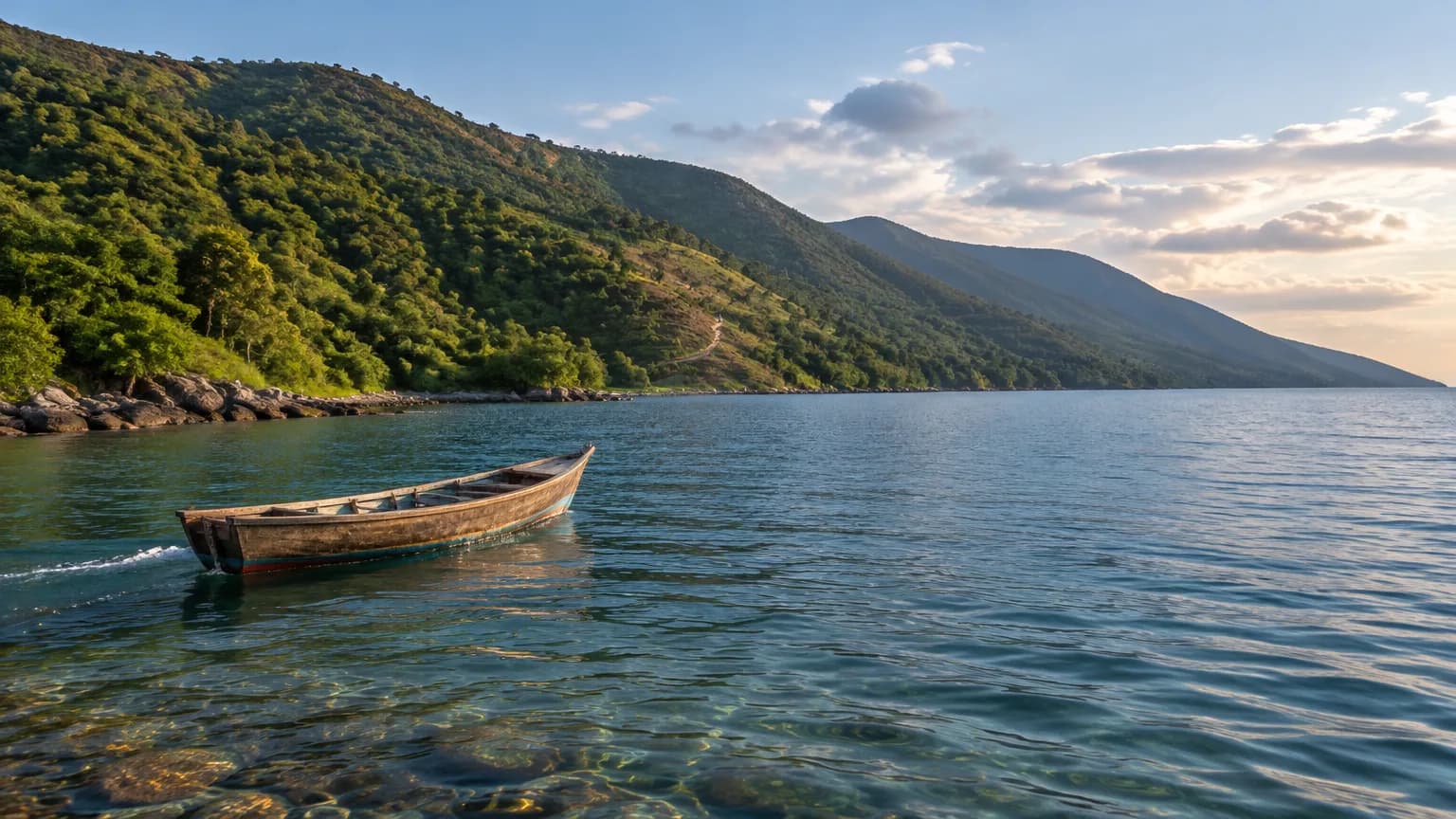
The shoreline around Kigoma is a lesser-known stop in its own right. Its pace is set by fishing villages, sunsets over the water and local boats rather than game drives. Effort is moderate. You will already be in Kigoma for Gombe or Mahale, so the shoreline works best as an add-on, not a separate trip.
A short evening walk along the water is the easiest way to see daily life. Fishing boats often head out at dusk and return before dawn, so mornings are the best time to watch them unload. Dress modestly in villages and ask before taking photographs of people.
Expect the shoreline to feel slow and unhurried. Few shops are open late, and the pace of the day is set by the lake. Bring a book and a light layer for the evenings, when the breeze off the water can feel cool even in the dry season.
Western Forest and Mountain Fringes
The forested fringes linking the western parks to the interior are not one named attraction. They are where you feel how far you are from the northern circuit. Access is by road or light aircraft, and facilities are basic. Treat this as a transit experience rather than a destination, and confirm road conditions locally.
Long road stretches here can take far longer than the map suggests, especially in the wet season. Plan fuel stops in advance, because services are sparse. Travellers who see this leg as part of the experience, rather than an obstacle, tend to enjoy the trip most.
Getting to the Offbeat Places in Tanzania
Most offbeat routes start with a domestic flight or a long road leg from a main hub. Schedules, road conditions and boat timings change with season and demand, so confirm them at booking. Indian travellers usually fly into Dar es Salaam or Zanzibar first, then connect onward.
| Place | Nearest hub | Mode | Rough duration | Condition | Best month |
|---|---|---|---|---|---|
| Gombe Stream National Park | Kigoma | Road to Kigoma, then boat | Long transfer plus a short boat ride | Road can be rough in rain; forest trails are steep | June to October |
| Mahale Mountains National Park | Kigoma or a charter airstrip | Charter flight or road and boat | Half a day or more | Remote; trail conditions vary | June to October |
| Forodhani Night Market | Stone Town, Zanzibar | Road or walk | Minutes from central Stone Town | Paved and easy | July to September |
| Lake Tanganyika shoreline | Kigoma | Road | Short local drives | Mixed; some tracks | June to October |
For a typical sequence, fly from Dar es Salaam to Kigoma, spend time at the shoreline, then continue to Gombe or Mahale. Return the same way, or plan a charter back if the road is poor. Build in at least one flexible day, because domestic flights can be rescheduled at short notice.
Before booking any leg, check three things with your planner: the baggage allowance on the domestic sector, whether boat transfers run on the day you need them, and what happens if a charter is cancelled because of weather. Ask for the answer in writing. A clear fallback plan is more useful than a low headline price.
For the wider country, the Tanzania tour packages hub shows how these add-ons fit with main-circuit routes. Indian passport holders should also review the Tanzania visa for Indians guide before locking in dates.
Places by Traveller Type
Match the place to the traveller, because effort and payoff differ sharply between these stops. Families, couples, adventure seekers and culture travellers will each get a different trip from the same region.
- Families: best for Forodhani Night Market and Stone Town. Pros: easy walking, food variety, no trekking. Cons: late evening timing may not suit young children, and the market is crowded.
- Couples: best for Mahale Mountains and the Lake Tanganyika shoreline. Pros: quiet, few other visitors, lake sunsets. Cons: long transfers, limited dining, basic stays.
- Adventure travellers: best for chimpanzee trekking at Gombe Stream and Mahale Mountains. Pros: forest trails, close primate viewing, real physical challenge. Cons: steep terrain, permits may be needed, schedules depend on boats and charters.
- Culture travellers: best for Stone Town and the Kigoma shoreline villages. Pros: Swahili coast history, local food, fishing communities. Cons: fewer guided interpretations, so read up before you go.
Mixed groups often work best by splitting the trip: a few nights in Stone Town for food and history, then the western leg for those who want trekking. Confirm that every member can manage the trail before committing to Gombe or Mahale.
Older travellers and those with knee or heart conditions should discuss the trekking pace with their doctor first. Guides usually set the speed, and rest stops are part of the walk, but the terrain is still steep. Choosing the shoreline or Stone Town instead still gives a strong sense of the region.
Visiting Tips for Remote Stops
Remote Tanzania rewards preparation more than spontaneity. Sort connectivity, cash and permits before you leave the main hubs.
- Mobile signal: expect patchy coverage around Gombe, Mahale and the lake shoreline. Stone Town is well connected. Buy a local SIM in Dar es Salaam or Zanzibar, and treat western Tanzania as offline.
- Cash and ATMs: ATMs are reliable in Stone Town and Dar es Salaam but scarce near Kigoma and the western parks. Carry enough local currency for the whole offbeat leg, and keep a card as backup.
- Opening times: Forodhani Night Market runs daily from 6pm to 10pm. Park gates and trekking slots follow fixed daily windows, so confirm at booking.
- Etiquette: dress modestly in Stone Town and villages, ask before photographing people, and keep voices low in forest trekking areas.
- Permits and rules: chimpanzee trekking may require an additional permit, and group sizes and trekking times are controlled. Confirm current rules at booking.
- Health and pace: western Tanzania is humid and the trails are steep. Build in a rest day after long transfers.
Common mistakes include underestimating travel time, skipping the buffer day for flights and arriving at trekking gates without a confirmed permit. Keep copies of your passport, visa and permit documents together, and save offline maps before you leave the hub.
Pack a basic health kit with oral rehydration salts, insect repellent, antiseptic cream and any personal medicines in their original packaging. Pharmacies are limited once you leave the main towns. Check vaccination and malaria advice with your doctor well ahead of travel.
If you are ready to plan it, the Tanzania packages page shows current options you can compare.