Field notes
Thailand in February: Weather, Things to Do & Travel Tips
Quick answer: February is one of the best months to visit Thailand. The weather stays dry and sunny across most of the country, humidity is lower than in the hot season, and the northern provinces are still cool enough for comfortable sightseeing. It's peak tourist season, so expect higher prices and busier beaches, but the conditions make it worth planning around. Tripstor recommends booking accommodations and transport early, since February overlaps with Chinese New Year and school holidays in several countries.
Thailand's weather shifts noticeably by region, and February sits right at the transition point between the cool season and the start of the hot season. If you're deciding when to book flights, this guide breaks down what to expect in Bangkok, the islands, and the north, plus the festivals, activities, and practical details that matter for a February trip.
Tripstor put this guide together using general climate patterns and seasonal travel knowledge for Thailand. Conditions can shift year to year, so always check a live forecast before you lock in your itinerary.
What Is the Weather Like in Thailand in February?
Thailand in February is dry, warm, and mostly free of rain. This month falls within the country's cool season in the north and the dry season everywhere else, making it one of the most comfortable times of year to travel.
How hot does it get in Bangkok and central Thailand in February?
Bangkok typically sees daytime temperatures in the low-to-mid 90s°F (around 32-34°C), with nighttime lows around 73-75°F (23-24°C). Humidity is lower than during the hot season (March-May), but the city still feels warm and sticky by midday. Rain is rare in February, so sightseeing plans rarely get disrupted by weather.
What's the weather like on the islands (Phuket, Koh Samui, Krabi) in February?
The Gulf of Thailand islands (Koh Samui, Koh Phangan, Koh Tao) and the Andaman Coast (Phuket, Krabi, Koh Lanta) both fall within the dry season in February. Expect:
Sunny days with minimal rainfall
Daytime temperatures around 86-90°F (30-32°C)
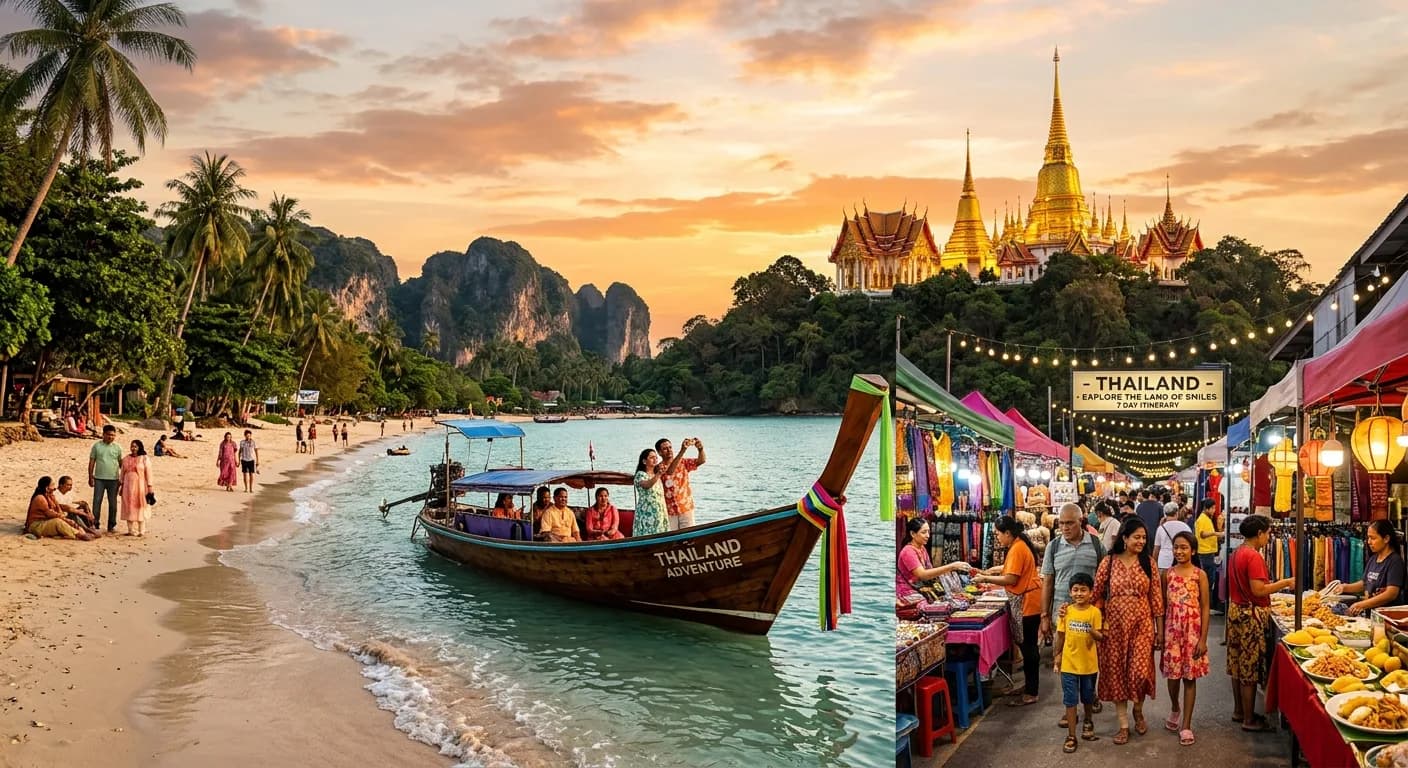
Calm seas, which is ideal for diving, snorkeling, and island-hopping
February sits firmly within high season for Thai beach destinations, so popular islands get crowded and prices climb compared to the off-season months.
Is northern Thailand (Chiang Mai, Chiang Rai) cold in February?
Northern Thailand is cooler than the rest of the country in February, though "cold" is relative. Daytime temperatures in Chiang Mai and Chiang Rai typically range from 86-90°F (30-32°C), while mornings and evenings can dip to 60-65°F (15-18°C), especially in the mountains. Pack a light jacket or sweater if you're planning early morning temple visits or hikes near Doi Inthanon, Thailand's highest peak.
Should you worry about rain or haze in February?
Rain is unlikely in most of Thailand during February. However, northern Thailand sometimes experiences seasonal haze from agricultural burning, which tends to intensify from late February through April. If air quality is a concern, check conditions before traveling to Chiang Mai or Chiang Rai, and consider a face mask for sensitive travelers.
What Are the Best Things to Do in Thailand in February?
February's dry, sunny conditions make it a strong month for outdoor activities, island trips, and cultural festivals across the country.
Which festivals happen in Thailand in February?
Chinese New Year often falls in late January or February (the date changes each year based on the lunar calendar), and Thailand's large Thai-Chinese population celebrates with parades, lion dances, and food markets, particularly in Bangkok's Chinatown (Yaowarat) and Phuket Town.
Makha Bucha Day, a significant Buddhist holiday, usually falls in February or early March. Devotees gather at temples for candlelit processions (wian tian) and merit-making ceremonies. According to Buddhist tradition, the day commemorates a spontaneous gathering of 1,250 enlightened monks who came to hear the Buddha preach without prior arrangement. Visitors are welcome to observe temple ceremonies respectfully, though that alcohol sales are restricted nationwide on this holiday.
Flower Festival in Chiang Mai typically takes place in early February, featuring floral floats, parades, and displays in Buak Hat Park. Exact dates vary by year, so confirm before planning around it.
What outdoor activities are best suited to February's weather?
Island hopping: Calm seas and clear skies make February ideal for boat trips around Phi Phi, Koh Lanta, or the Similan Islands.
Diving and snorkeling: Visibility tends to be strong during the dry season, particularly around the Andaman Coast.
Trekking in the north: Cooler mornings in Chiang Mai and Pai make hiking more comfortable than in the hotter months ahead.
Beach time: With minimal rain, February is a reliable month for sunbathing and swimming on both coasts.
Is February a good time to visit temples and cultural sites?
Yes. Dry weather and comfortable temperatures make temple visits more pleasant in February than during the hot season. Sites like Wat Arun, Wat Phra Kaew, and Ayutthaya's ancient ruins are easier to explore without the intense heat of March through May. Expect larger crowds at major landmarks, since February overlaps with peak tourist season.
What Are the Best Travel Tips for Visiting Thailand in February?
Because February is high season, planning ahead matters more than it would during quieter months.
Do I need to book accommodation and flights in advance for February?
Yes. February is peak season in Thailand, driven by dry weather, winter travelers escaping colder climates, and the Chinese New Year holiday. Popular islands and Bangkok hotels can sell out or raise prices weeks in advance. Tripstor recommends booking flights and accommodations at least six to eight weeks ahead, especially for travel around Chinese New Year or school holiday periods.
What should I pack for Thailand in February?
Lightweight, breathable clothing for daytime heat
A light jacket or sweater for cooler evenings in the north
Modest clothing (shoulders and knees covered) for temple visits
Sunscreen and a hat, since UV exposure is high even on cooler days
A reusable water bottle to stay hydrated
Are there any health or safety considerations for February travel?
Air quality in northern Thailand can decline toward the end of February due to seasonal burning season, which typically worsens through March and April. Travelers with respiratory sensitivities should check air quality indexes for Chiang Mai and Chiang Rai before booking. Otherwise, standard travel precautions apply: use reputable transport, stay hydrated in the heat, and confirm any entry requirements before departure, since visa and health policies can change.
Is February cheaper or more expensive than other months in Thailand?
February tends to be more expensive than Thailand's shoulder or low season months (May through October), since it falls within peak season. Choose February if dry weather and festival timing matter more to you than cost savings. Choose the shoulder season (November or April) if you want similar weather with somewhat lower prices and smaller crowds.
Planning Your February Trip to Thailand
February offers a reliable combination: dry weather nationwide, cooler temperatures in the north, and a packed festival calendar. The tradeoff is crowds and higher prices, since this month sits at the peak of Thailand's tourist season.
If you're weighing specific regions or building out a full itinerary, Tripstor's destination guides cover city-by-city details for Bangkok, Chiang Mai, and the southern islands to help you plan around February's weather and festival schedule. Confirm specific festival dates, air quality conditions, and entry requirements closer to your travel date, since these details can shift from year to year.