Package overview
The thinking behind this journey.
A closer look at this 5-night journey through Thailand— who it's built for, what you'll experience, and why the pace works.
Journey notes
Why this route works
What does this Thailand wellness tour package include?
This package covers five nights across Phuket and Krabi, a Phi Phi Islands day trip by shared speedboat, two included wellness sessions, daily breakfast and all airport and inter-city transfers on the land package. Flights, visa fees and most meals are not included.
The itinerary is not a group departure. You travel on your own dates, and the daily structure is loose enough that you can skip any activity without disrupting the rest of the stay. Two wellness sessions — one 60-minute spa treatment and one yoga class — are pre-booked as part of the package; additional sessions can be added at the resort and paid locally.
Why does a wellness route work well in southern Thailand?
Phuket and Krabi both have an established network of resort spas, yoga studios and herbal treatment centres that operate year-round. The Andaman coast setting means you get marine scenery alongside the treatment schedule, without needing to travel far between the two.
This route replaces the long multi-excursion days common in standard beach packages with treatment time and free afternoons. You still visit Phi Phi and Railay Beach, but the pace is slower and the evenings are yours. Klong Root in Krabi adds a light kayaking option on Day 5 for travellers who want one active session without it dominating the day.
When is the best time to visit Thailand from India for a wellness trip?
Mid-October to February is the cool season in Thailand, with mild conditions and generally lower rainfall across most of the country. The Andaman coast — where Phuket and Krabi sit — is at its driest and calmest during this window, making it the preferred period for this itinerary.
March to mid-May is the hot season; April is Thailand's hottest month and is less comfortable for outdoor activities. The southwest monsoon runs from mid-May to mid-October, with August and September among the wettest months. Heavy rain during the monsoon can cause rough seas and temporary closures of marine sites. Peak-season surcharges of 20% to 40% apply in December, January and around Songkran in mid-April (as of 2026).
Where the budget goes on this trip
The land price of Rs.80,000 per person (as of 2026) covers four-star resort stays on twin sharing, daily breakfast, private airport and inter-city transfers, the Phi Phi speedboat excursion and two wellness sessions. It does not cover flights, visa fees, lunches, dinners or extra treatments.
The table below shows indicative price tiers for this route, per person, based on stay category. All figures are indicative and subject to seasonal loading; confirm at booking.
| Stay Category | Approx. Price Per Person (Land Only) | What Changes |
|---|---|---|
| 3-star (budget) | Approx. Rs.60,000 | Smaller rooms, shared-facility spas, fewer inclusions |
| 4-star (standard) | Rs.80,000 | Resort pool, in-house spa, private transfers, two wellness sessions |
| 5-star (premium) | Approx. Rs.1,28,000 | Larger rooms, dedicated wellness concierge, private speedboat option |
Costs rise with room category, private-only transfers, additional spa sessions and peak-season travel. The biggest single driver after accommodation is the Phi Phi speedboat trip, which is included here on a shared basis; a private charter costs more and can be arranged at booking.
What a typical wellness day looks like on this trip
A standard day on this itinerary starts with a 60-minute yoga session or a spa treatment in the morning, followed by breakfast. The afternoon holds one light activity — a beach walk, a short cultural visit or a kayaking session — and the evening is free. There are no back-to-back excursions.
The two included wellness sessions are a 60-minute spa treatment (typically a Thai herbal compress massage or a traditional oil massage) and one yoga class. Both are booked at the resort after check-in, usually a day in advance. Travellers who want additional sessions can arrange them directly with the resort spa and pay locally. Anyone with a medical condition, injury or specific dietary requirement should inform us at booking so the resort can adjust the treatment plan accordingly.
What the premium tier adds on this route
Upgrading from the standard 4-star tier to the 5-star option changes three things: room size and quality, the spa infrastructure and the transfer arrangement. Five-star resorts on this route typically have a dedicated wellness wing, a wider treatment menu and a wellness concierge who can schedule sessions around your preferences.
Pacing is the same across tiers — one base change, one full-day excursion, generous free time. The difference is in the physical comfort of the stay and the depth of the spa offering. Private transfers throughout, rather than shared speedboats, are available at the premium tier on request.
Signature experiences on this itinerary
- Phi Phi Islands speedboat day trip: Shared speedboat from Phuket to Phi Phi Leh for Maya Bay and a snorkelling stop, returning by late afternoon.
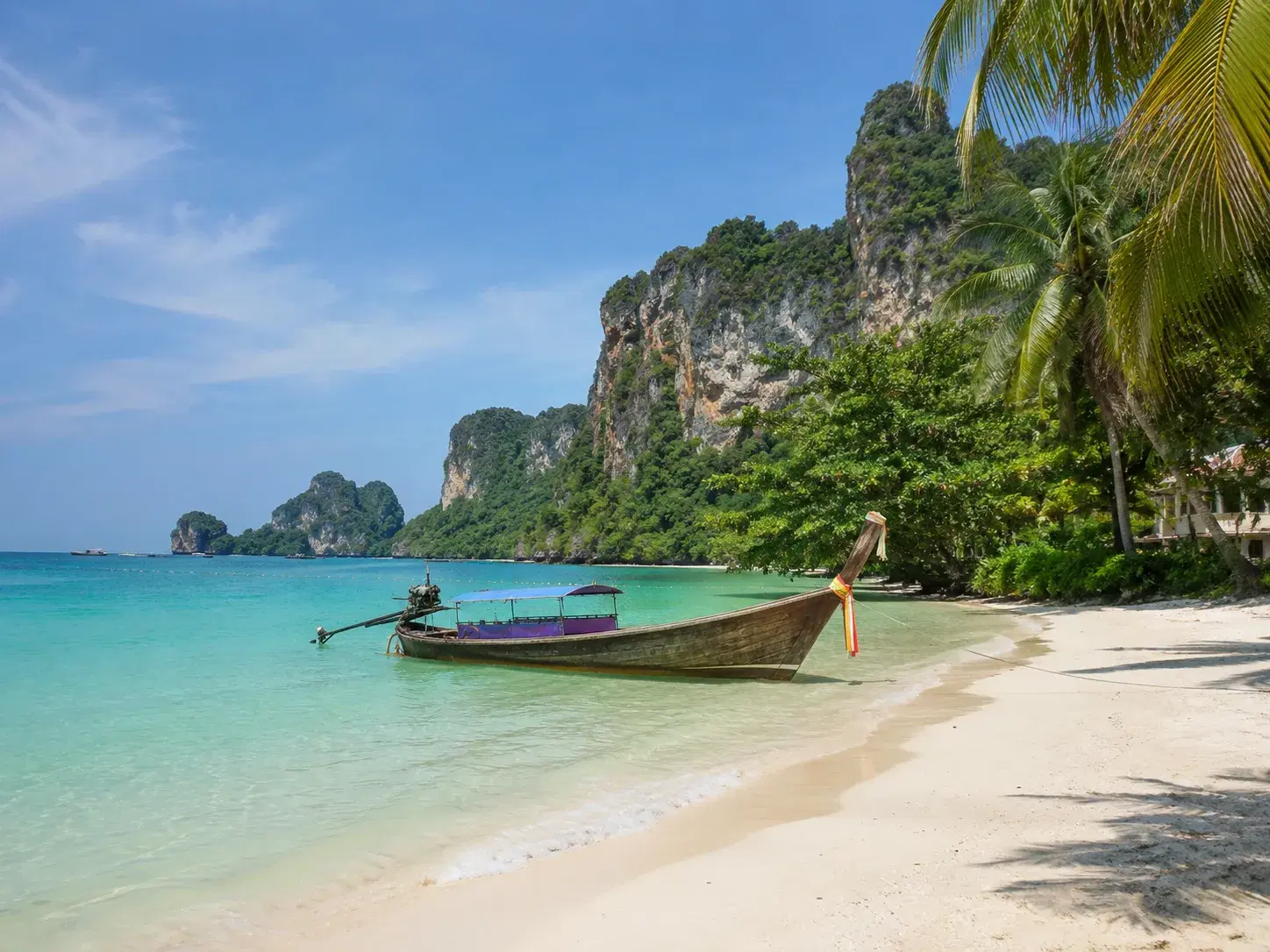
- Railay Beach by longtail: A 15-minute longtail boat ride from Ao Nang in Krabi reaches Railay, a beach accessible only by water, with a short viewpoint trail behind it.
- Klong Root kayaking in Krabi: A nature kayaking route through mangrove channels and calm water, highlighted as a natural attraction in Krabi.
- Thai herbal compress or oil massage: A 60-minute session at the resort spa, using traditional Thai techniques; one session is included in the package price.
- Morning yoga at the resort: A structured class at the resort studio, included once; additional classes can be booked locally.
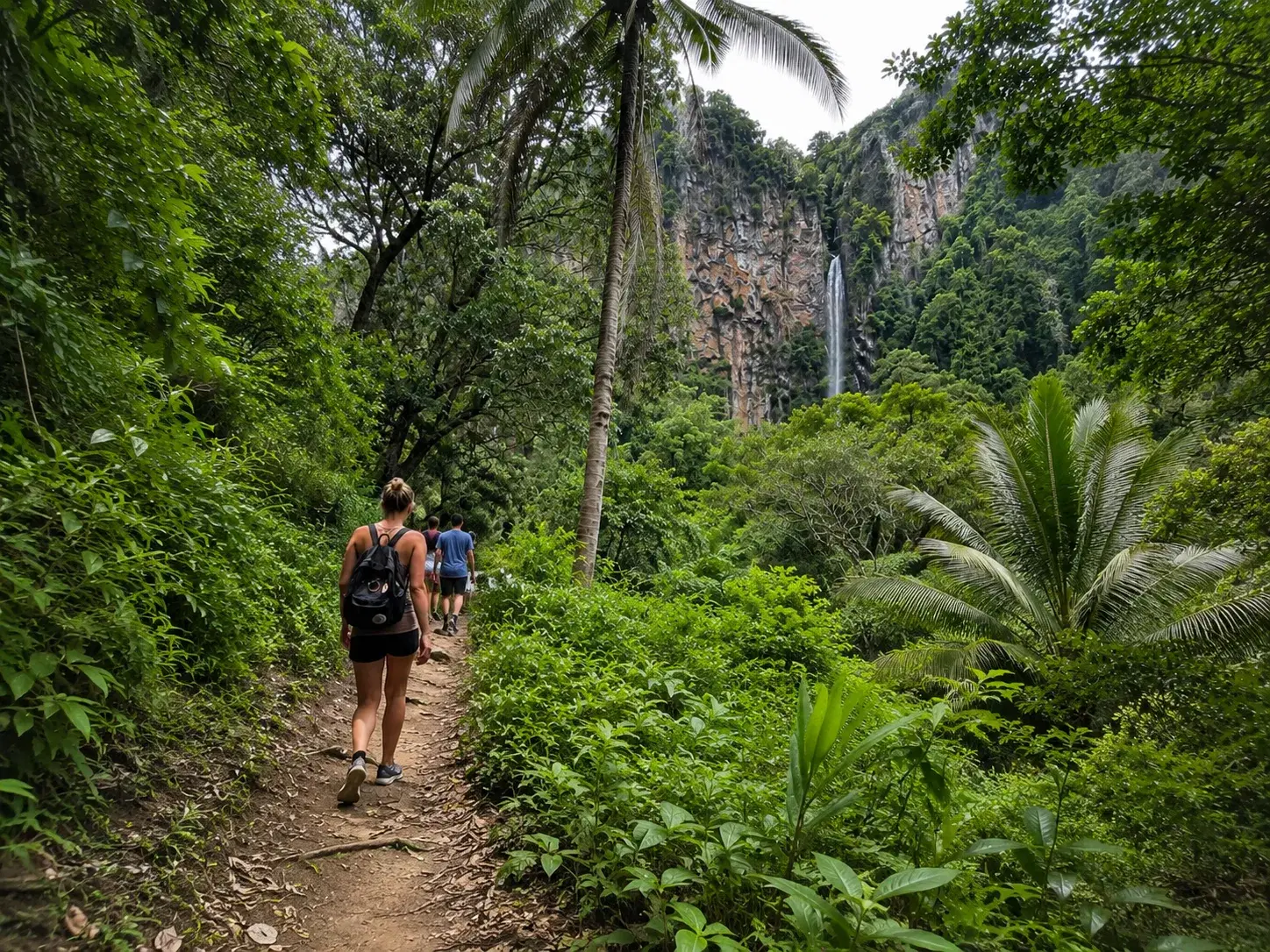
- Khao Phanom Bencha National Park trails (optional): Rainforest trails in Krabi for travellers who want a short nature walk; not included, payable locally.
Stay standards across Phuket and Krabi
The standard package uses four-star beach resorts in both Phuket and Krabi. In Phuket, the stay is in the Kata or Karon area, which is quieter than Patong and closer to the resort spas and yoga studios that suit this itinerary. In Krabi, the base is in the Ao Nang area, within reach of the Railay longtail pier and the Klong Root kayaking site.
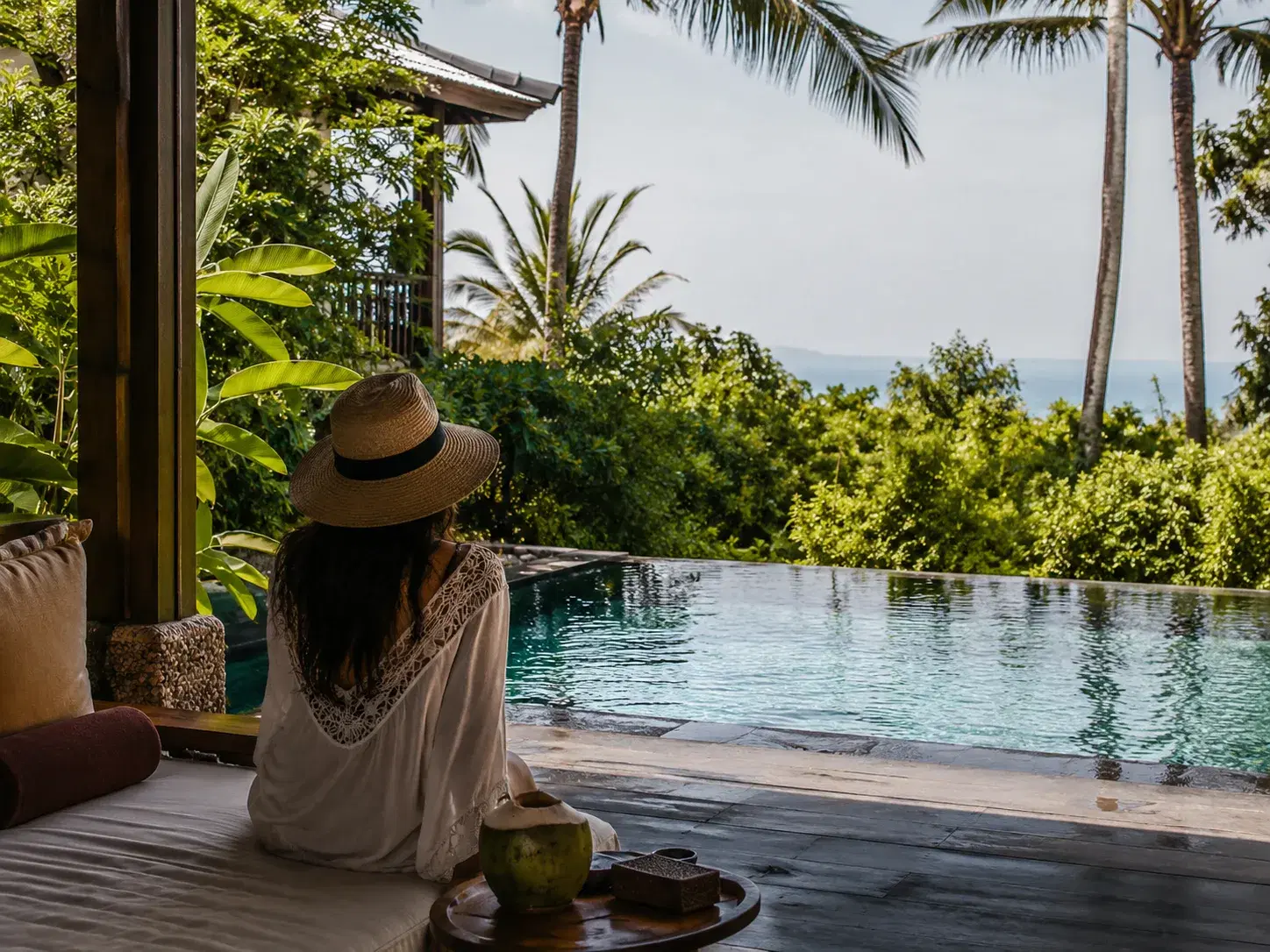
Four-star properties on this route typically include a pool, an in-house spa with a full treatment menu, a restaurant serving breakfast and a 24-hour front desk. English is spoken at the resort level. Hotel names are not confirmed in advance; the category and location are fixed, and the specific property is confirmed at booking.
Spa, yoga and free time: how the wellness programme is structured
Two sessions are included in the package: one 60-minute spa treatment and one yoga class. Both are scheduled at the resort and can be moved to any free slot during the stay. The spa treatment is typically a Thai herbal compress massage or a traditional oil massage; the exact menu varies by resort and should be confirmed at booking.
Free time is built into every afternoon and evening. There is no scheduled activity after 4 pm on most days, which gives you time for an additional treatment, a pool session or an early dinner. Travellers who want a more intensive wellness schedule — daily treatments, guided meditation or a structured detox programme — should consider a dedicated wellness resort, which can be arranged at a higher price tier. Confirm at booking.
Thailand entry, money and flights for Indian travellers
Indian passport holders need a visa to enter Thailand. The standard route is a tourist visa applied for at the Royal Thai Embassy or Consulate in India, or a visa-on-arrival at designated entry points. Check the official Royal Thai Embassy portal for the current fee and processing time, as these change periodically. A Thailand wellness tour package from India does not include the visa fee; it is payable separately.
The local currency is the Thai Baht (THB). Do not quote or rely on an exchange rate at booking; check a live rate closer to travel. Flights from major Indian cities to Phuket International Airport (HKT) typically route via Bangkok (Suvarnabhumi Airport, BKK). Approximate nonstop flight times to Bangkok from India: Delhi about 4.5 hours, Mumbai about 4.75 hours, Bengaluru about 4.25 hours, Chennai about 3.5 hours, Kolkata about 2.5 hours. Onward connections to Phuket add roughly an hour. Fares are not included in the land price; book flights separately and confirm at booking.
Thailand travel tips for solo travellers
- Book spa sessions at least a day ahead; late-afternoon slots fill quickly at resort spas.
- Carry modest clothing for any temple visits — shoulders and knees must be covered, and shoes are removed before entering some sacred areas.
- Thai is the national language; English is used at resorts, spas and in tourist areas.
- If you add a Bangkok stopover, the BTS Skytrain and MRT metro are the most reliable way to get around; fares run ฿16–52 per trip (as of February 2026).
- Metered taxis in Bangkok cost roughly ฿80–150 across the city (as of July 2026); always insist on the meter.
- Ferries between the mainland and islands cost ฿300–800 per person (as of February 2026); combined bus-and-ferry tickets bundle the pier transfer with the crossing.
Tell us your dates and the experiences you value most and we will shape the stays and transfers.