
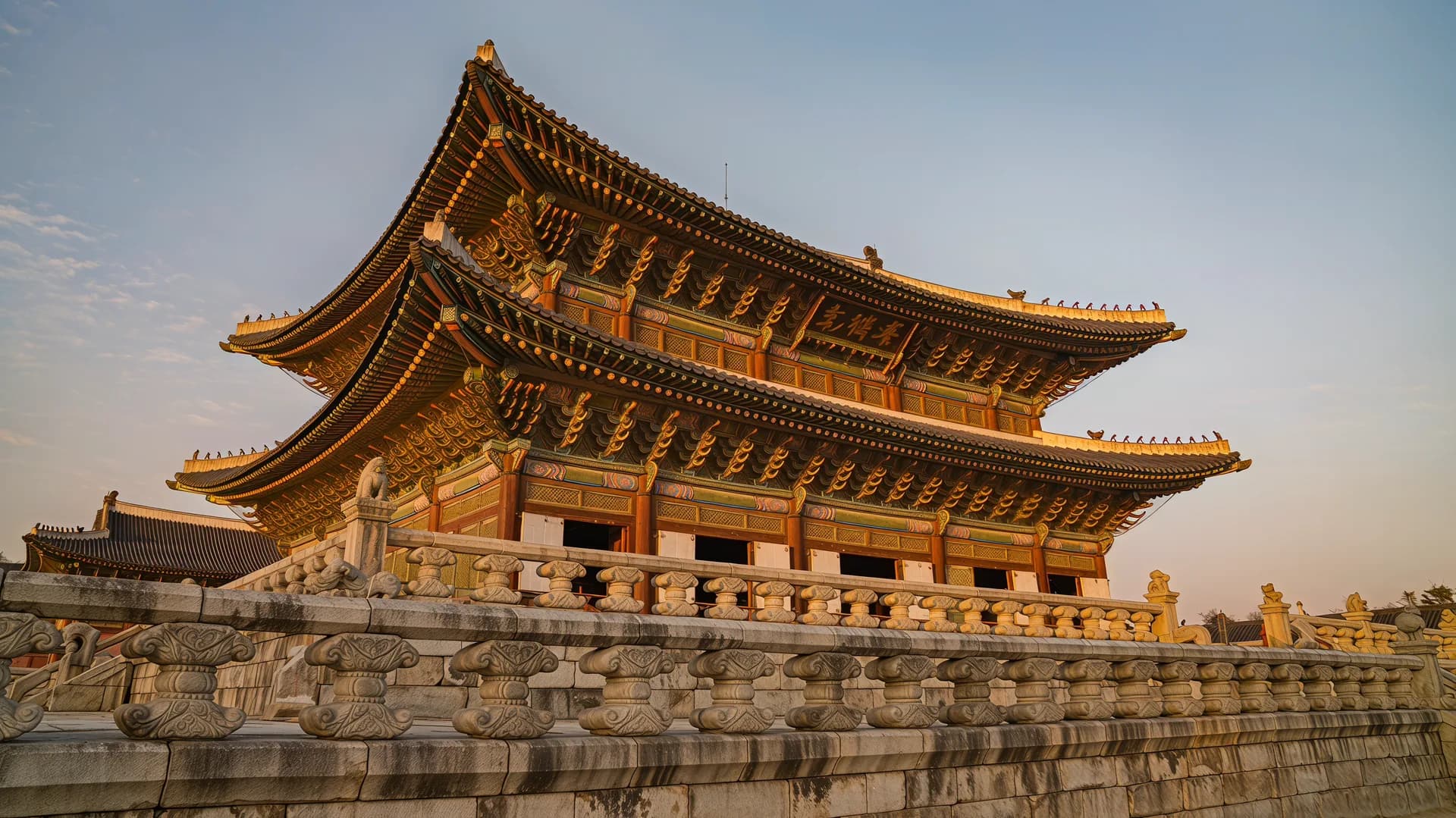
Curated starting points
Find a South Korea journey that feels like yours.
Begin with a thoughtfully paced itinerary, then change the stays, experiences, route, and budget with a Tripstor specialist.
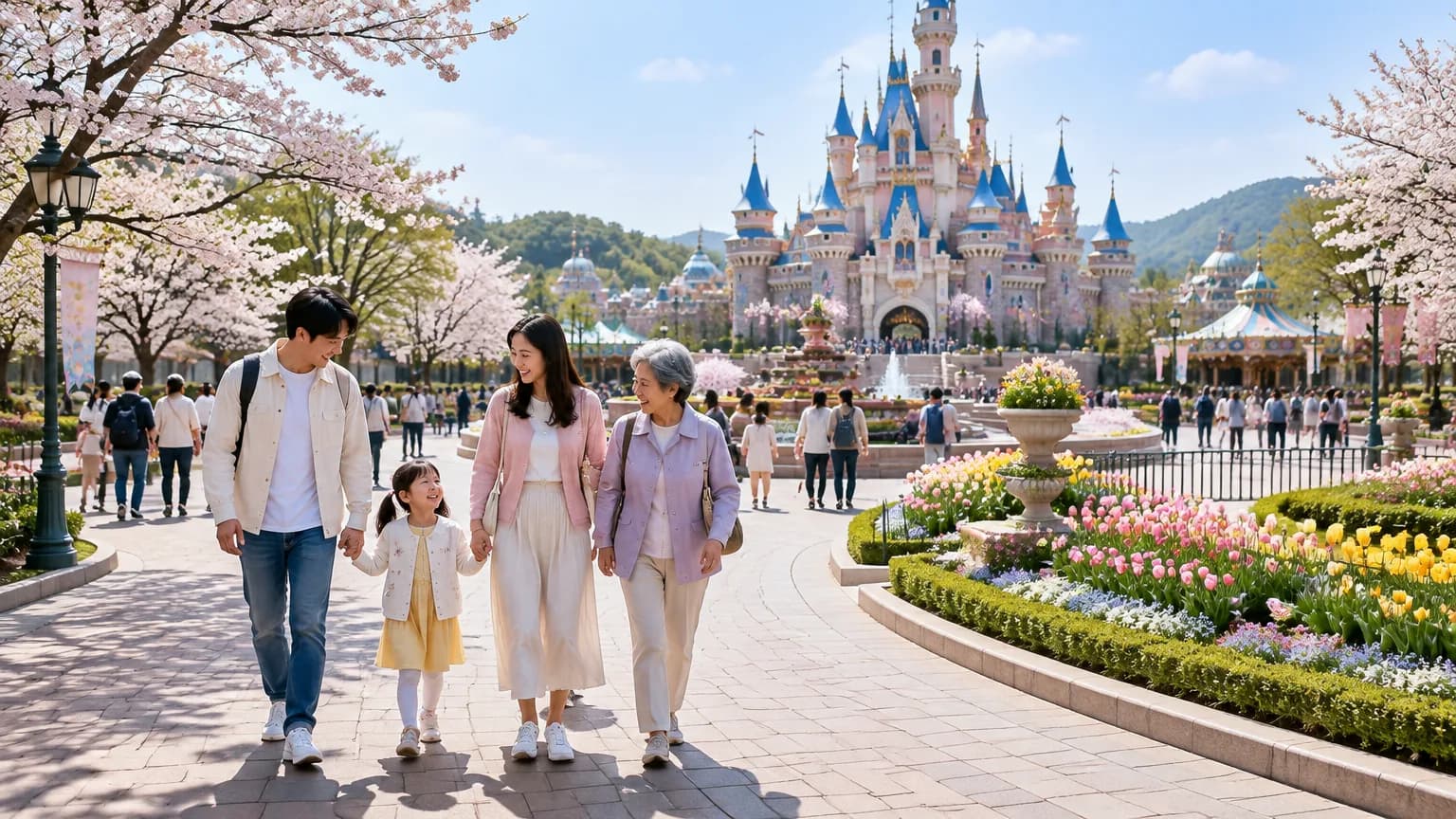
South Korea · Flexible itinerary
South Korea Everland & Lotte World Family Holiday 7N 8D
Starting from
₹81,500/ person

South Korea · Flexible itinerary
South Korea Seoul & Jeju Honeymoon 6N 7D
Starting from
₹79,500/ person
Destination guide
Know South Korea before you go.
Practical context, local highlights, and honest planning advice — written for travellers from India.
Field notes
A considered guide to South Korea
South Korea at a Glance
South Korea occupies the southern half of the Korean Peninsula in East Asia, with a mountainous mainland and offshore islands, the largest being Jeju. This is an intercity trip: the main attractions are spread across Seoul in the north-west, Busan and Gyeongju in the south-east, and Jeju offshore, so plan on moving between bases.
Spring (March to May) and autumn (mid-September to November) are the two favourable seasons. A first trip typically runs five to eight nights; seven to ten days if you add Jeju. Incheon International Airport (ICN) is the main gateway, about one hour from central Seoul by the AREX airport rail.
| Detail | What to know |
|---|---|
| Region | East Asia, Korean Peninsula |
| Trip type | Intercity; multiple bases |
| Ideal trip length | 5–8 nights (7–10 with Jeju) |
| Best seasons | Spring (Mar–May), Autumn (Sep–Nov) |
| Main gateway | Incheon International Airport (ICN) |
| Starting price | From Rs. 35,000 per person (land only, twin sharing) |
Why Travellers Choose South Korea
Three things consistently bring Indian travellers here: a concentration of royal heritage in Seoul, a public transport network that makes intercity travel straightforward, and a food scene that accommodates vegetarian and halal requirements with some planning.
Seoul holds four major royal palaces — Gyeongbokgung, Changdeokgung, Deoksugung and Changgyeonggung — plus Jongmyo Shrine, a royal ancestral site of the Joseon dynasty. That density means a short trip still feels substantive. Outside the capital, Busan adds a working coastline and Jagalchi fish market, while Gyeongju holds Bulguksa Temple, Seokguram Grotto and Anapji Pond. The KTX high-speed rail connects these cities, and a Tmoney or EZL card covers subways, buses, taxis and intercity buses in one tap.
For Indian Muslim travellers, Seoul has self-certified, Muslim-friendly and officially certified halal restaurants, which removes one layer of planning stress that some other East Asian destinations require.
Top Places and Areas to Visit
Ten places cover most first itineraries, each earning its stop for a different reason.
- Seoul (capital region) — the natural first base and the city where most international flights land. The four royal palaces, Jongmyo Shrine and the hanok cultural area are all here. Group the palaces by neighbourhood to avoid crossing the city twice.
- Gyeongbokgung Palace — the largest of Seoul's royal palaces and the one most visitors prioritise. Go on a weekday morning to avoid the thickest crowds.
- Jongmyo Shrine — a UNESCO-listed royal ancestral shrine of the Joseon dynasty, quieter than the palaces and worth an hour of your time.
- Namsan walking trail — a long walking route on Namsan in central Seoul, known for autumn colour. It suits couples and older travellers who want a relaxed half-day.
- Hangang River — the riverside area is used for theme parks and picnics, making it a practical family half-day when you need a break from sightseeing.
- Insadong — a quieter Seoul neighbourhood with craft shops, cultural programs and a traditional performance venue nearby. Good for a slower afternoon.
- Myeongdong — central Seoul's main shopping district, well connected by subway and surrounded by mid-range accommodation.
- Busan — the south-east coastal city with Haeundae Beach and Gwangalli Beach for evenings, and Jagalchi Market for seafood. Base near Haeundae if you want the waterfront close.
- Gyeongju — the ancient capital area with Bulguksa Temple, Seokguram Grotto and Anapji Pond. Anapji is worth visiting after dark when the pond reflects the lit ruins.
- Jeju — a volcanic island reached by domestic flight or ferry. Add it only if you have spare nights, since it needs its own transfer day and works best as a standalone base.
Best Time to Go
April, May, October and early November are the strongest months for a first trip, with mild temperatures, lower rainfall and clear skies across most of the mainland.
October is also the busiest festival month: the Seoul Autumn Festa runs from 18 September to 29 November in 2026, and the Andong Maskdance Festival falls in the September–October window. Crowds and accommodation prices rise around these events, so book early if you plan to travel then.
March and November work as shoulder months — fewer crowds, cooler air, and slightly more rain or wind than the peak weeks, but still comfortable for sightseeing.
June to September is the period to think carefully about. Summer is hot and humid, the rainy season runs from late June to late July, and June to October is typhoon season. September records the heaviest monthly rainfall of the year at around 370 mm. December to February is cold and dry, with January the coldest month and snow or freezing conditions common at higher elevations. Lunar New Year (Seollal) falls on 17 February in 2026 and drives domestic travel and peak pricing; Christmas and New Year push December rates up similarly. Some attractions close during Seollal and Chuseok, so check operating status before you finalise dates.
How to Reach South Korea
Incheon International Airport (ICN) is the standard gateway for travellers from India, with connections from Delhi, Mumbai, Bengaluru, Chennai, Hyderabad, Kolkata and Kochi. Total flying time runs roughly 10.5 to 12 hours depending on the departure city and routing.
From Incheon, the AREX airport rail reaches central Seoul in about one hour, which is the simplest onward transfer to your first base. Gimpo International Airport (GMP) handles some regional traffic within Asia, and Gimhae International Airport (PUS) serves the Busan area if you plan to start your trip in the south-east rather than Seoul.
Entry rules for Indian passport holders can change. Check the current requirements on the official government source before you book flights or accommodation.
Where to Base Yourself
Seoul is the default first base, and the neighbourhood you choose inside it shapes your daily routine more than the hotel category does.
Myeongdong suits couples and families who want shopping, mid-range stays and quick subway access to the main sights. Insadong is quieter and also mid-range, with cultural attractions within walking distance — a good fit for couples who prefer a slower pace. Hongdae is the budget pick, with hostels and guesthouses rather than full-service hotels, and a younger crowd.
In Busan, Haeundae Beach is the mid-range choice for couples and families who want the waterfront on their doorstep. Gwangalli is an alternative for evening walks and a slightly more local feel. On Jeju, Jeju City keeps you close to the airport, which matters on a short island stay. Gyeongju works as a mid-range base for couples and families focused on the temple and pond sights. Room rates move with season and festival weeks, so confirm at booking.
A Route Worth Following
A three-base route covering Seoul, Gyeongju and Busan handles the main highlights without excessive packing and unpacking, and the geography means you travel in one direction rather than doubling back.
Start with four nights in Seoul. That gives you enough time for the palaces, Jongmyo Shrine, Namsan and the Hangang riverside without rushing any of them. Then move to Gyeongju for two nights. It sits between Seoul and Busan on the rail line, so the order is logical, and it puts Bulguksa Temple, Seokguram Grotto and Anapji Pond in easy reach. Finish with two nights in Busan for Haeundae and Gwangalli beaches and Jagalchi Market, then fly home from Gimhae or return to Incheon.
If you have three extra nights, add Jeju at the end using a domestic flight from Busan or Seoul. Keep the island as its own base rather than a day trip — the transfer time makes a day trip impractical.
Is South Korea Right for You?
This destination suits travellers who enjoy cities, public transport and cultural sightseeing, and who are comfortable moving between two or three bases over a week.
Couples find it works well for a mix of palace visits, evening walks along Namsan and quieter time in areas like Insadong. Families do well with the Hangang River theme parks, traditional craft programs in hanok areas and the ease of the subway network. Older travellers manage the main sights comfortably because the rail and subway infrastructure is reliable and well-signed in English in tourist areas.
It is less suited to anyone who wants a single resort base for the whole holiday, or who prefers beach-focused travel without city sightseeing. The main attractions are genuinely spread across the mainland and islands, so if you want to unpack once and stay put, a single-island destination will fit better. If variety within a week appeals, South Korea delivers it without requiring a car or complex logistics.
Ways to Travel South Korea
Tripstor offers several trip styles for this destination, and the right one depends on your pace, group size and what you want to prioritise.
- Best of South Korea — covers the headline sights across two or three bases; the natural choice for first-timers who want a structured overview.
- City Explorer — focuses on Seoul with day trips; suits short breaks of four to five nights.
- Cultural & Heritage — built around the royal palaces, Jongmyo Shrine, hanok experiences and Gyeongju's temple sites; good for travellers who want depth over breadth.
- — adds hands-on craft programs and traditional performances in hanok areas alongside the main heritage sites.
- Family — paced around theme parks, Hangang River picnics and shorter travel days between bases.
- Honeymoon — slower days, evening walks on Namsan, quieter areas like Insadong and Haeundae Beach evenings.
- Budget — uses hostels and guesthouses in areas like Hongdae, with public transport throughout and Tmoney card logistics built in.
- Adventure and Offbeat Explorer — add hiking, rural inland areas and less-visited regions; the government's 2026 rural travel incentive programme makes some of these routes more accessible.
- Short Getaway — a compact Seoul-focused trip for travellers with limited leave, typically four to five nights.
Land-only arrangements start from Rs. 35,000 per person on twin sharing; flights, season and hotel class affect the final figure, so check current prices at booking.
Five Practical Tips for Travellers
- Pack for the season. Summer needs a light rain layer and breathable clothing; winter needs a proper coat, hat and gloves, especially if you plan to visit higher elevations or Jeju in the cold months.
- Use both hands. Giving or receiving items, paying at a counter or handing over a card with both hands is standard courtesy. Remove shoes where you see the sign at hanok stays and some traditional restaurants.
- Get a Tmoney or EZL card early. Buy one at a convenience store or subway station on arrival. It works on subways, city buses, express buses, intercity buses, taxis and trains, and gives a small discount over cash fares. Keep it topped up before intercity journeys.
- Book KTX and SRT seats in advance. Use the Korail website or the Korail+ app. Seats sell out around Seollal, Chuseok and October festival weeks. Check attraction operating status during those holiday periods, as some sites close.
- Sort money and entry rules before you fly. Carry a mix of card and cash in Korean won, and arrange a local data plan or eSIM before departure. Check the current entry requirements for Indian passport holders on the official government source well before your travel date.
Once the plan feels right, compare the current South Korea packages and pick the one that fits.
Personalise your trip
Shape South Korea around the way you travel.
Choose a travel style as your starting point. We'll refine the pace, stays, experiences, and budget until the journey feels entirely yours.
Not sure which fits? Use our trip builder — it takes under two minutes.
Got questions?
The questions travellers ask about South Korea.
Straight answers on visas, pricing, best time to visit, and how our packages work for Indian travellers.
8 answered below
Social proof
What Tripstor travellers say
Feedback from Indian holidaymakers who travelled with Tripstor.
4.8
from 432+ reviews
FriendsThree friends and I did a 9-night Australia package with stops in Melbourne and Sydney. We spent an afternoon at the Melbourne Cricket Ground and caught a local match. Tripstor sorted our group visa applications together which saved a lot of back and forth. Good experience overall.
HoneymoonHoneymooned in Kashmir for 7 nights in May. Gulmarg had light snow still and we got a gondola ride on Day 4. The tulip garden in Srinagar was in full bloom. Tripstor arranged a candlelit dinner on the houseboat which was a nice touch.
FamilyBooked a family package for 7 nights covering Port Blair, Havelock, and Neil. The Cellular Jail light and sound show on Day 1 set a good tone for the trip. Kids were engaged throughout and the itinerary was not too rushed.