
Curated starting points
Find a Hong Kong journey that feels like yours.
Begin with a thoughtfully paced itinerary, then change the stays, experiences, route, and budget with a Tripstor specialist.
Hong Kong · Flexible itinerary
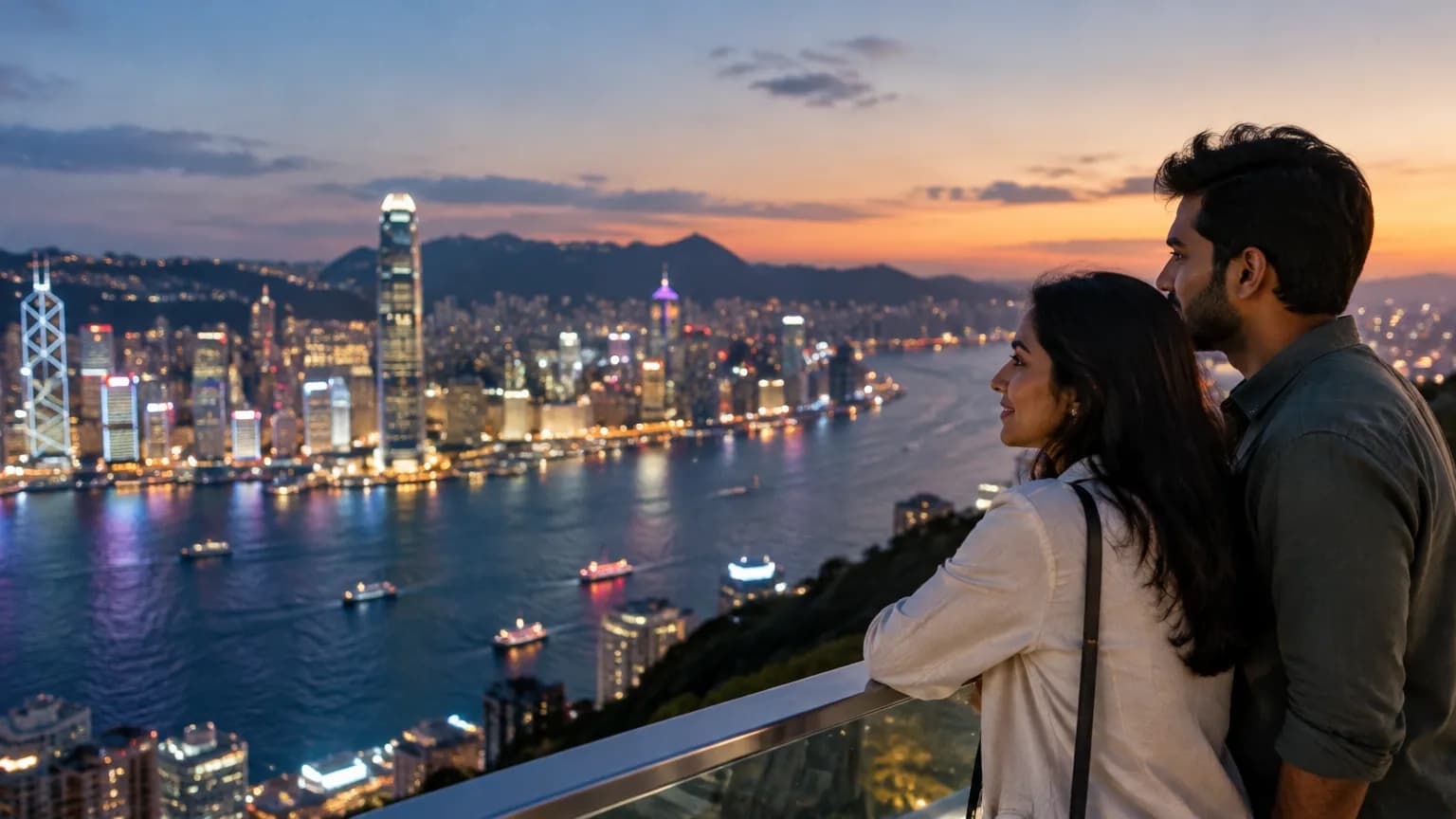
Hong Kong Peak Tram Honeymoon 4N 5D
Starting from
₹36,500/ person
Hong Kong · Flexible itinerary
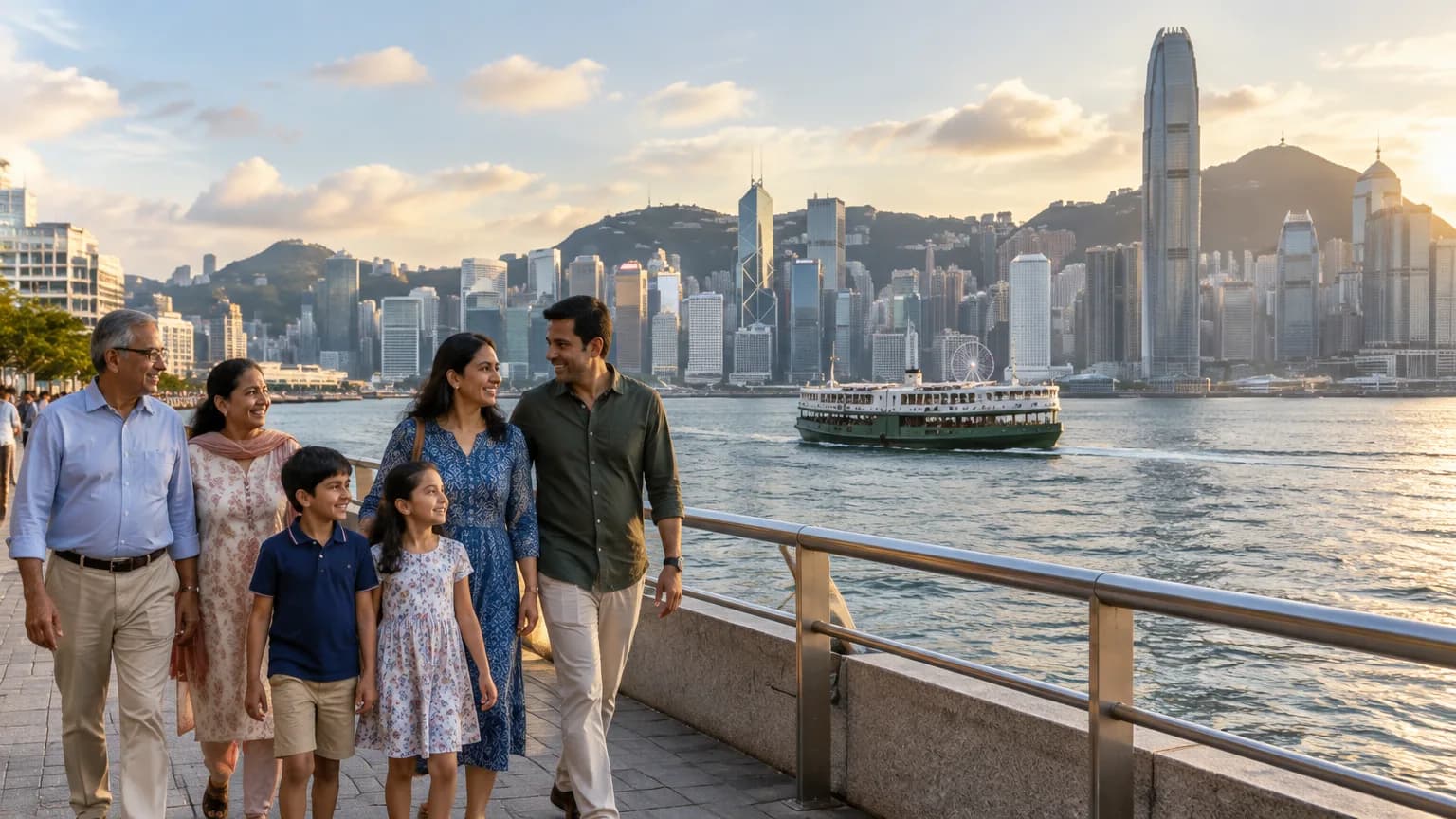
Hong Kong Disneyland Family Holiday 6N 7D
Starting from
₹44,500/ person
Destination guide
Know Hong Kong before you go.
Practical context, local highlights, and honest planning advice — written for travellers from India.
Field notes
A considered guide to Hong Kong
Hong Kong at a Glance: Districts, Days and Gateway
Hong Kong is a Special Administrative Region on China's southern coast, made up of Hong Kong Island, Kowloon, the New Territories and a group of outlying islands. The city is dense, fast-moving and served by one of the most efficient public transport networks in Asia, which makes it well-suited to a short, well-planned city break.
Three nights is enough for the headline sights. Four nights gives room for a Lantau day and a slower evening in the markets. Six nights is the standard shape for a Hong Kong and Macau combination. The city divides cleanly into districts, and choosing two bases rather than one makes the trip feel organised rather than rushed.
All arrivals land at Hong Kong International Airport (HKG) on Lantau Island. From Delhi, a direct flight takes about 4.58 hours. From Mumbai, Bengaluru, Chennai, Hyderabad, Kolkata, Ahmedabad and Kochi, the usual routing is one stop via Singapore, with total journey times ranging from roughly 8.25 to 9.75 hours depending on the departure city. Confirm current schedules and fares at the time of booking.
Neighbourhoods and What Each Is For
Choosing a base by district purpose rather than by star rating is the single most useful thing a first-time visitor can do. The MTR connects all major areas quickly, so the right neighbourhood makes every day easier.
- Tsim Sha Tsui, Kowloon — Harbour views, shopping streets, street food and the Star Ferry pier sit within walking distance of each other. This is the most practical base for first-timers and couples, and it covers both budget and mid-range stays.
- Jordan and Mong Kok, Kowloon — Market streets, local food stalls and budget accommodation near Temple Street Night Market. Best for budget travellers and those who want a local, market-led experience.
- Central, Hong Kong Island — The business core, with Michelin-listed dining, the Mid-Levels Escalator, a lively nightlife district and direct access to the Peak Tram. Stays here sit at the luxury end and suit couples and business travellers.
- Sheung Wan, Hong Kong Island — Walkable, quieter than Central and connected to the tram line. A good fit for couples who prefer to cover ground on foot.
- Causeway Bay, Hong Kong Island — A busy shopping district with family-oriented hotels at mid-range prices. Families and shoppers do well here.
- Wan Chai, Hong Kong Island — Mid-range accommodation with solid access to Hong Kong Island attractions. A reasonable choice for budget-conscious travellers who still want a central address.
- Lantau Island — Hong Kong Disneyland and the airport are both here. Families planning a theme-park-led trip often find it easier to stay on Lantau for at least one night.
Signature Sights and Experiences
Grouping sights by area cuts transit time and lets you cover more in a short trip. Most of the well-known experiences sit on Hong Kong Island, in Kowloon or on Lantau, and many can be paired within a single day.
Hong Kong Island
- The Peak and the Peak Tram — The tram ride up to The Peak is a major visitor attraction in its own right, and the view over Victoria Harbour and the city from the top is the one most associated with this destination.
- Central district — The Mid-Levels Escalator, colonial-era streets and the harbourfront make for a half-day on foot. In October 2026, Central hosts Halloween-themed installations and outdoor entertainment on Saturdays from 17 to 31 October.
- Hong Kong Observation Wheel — A harbourfront ride at Central, easy to pair with a walk along the promenade before or after.
- Lan Kwai Fong — The main nightlife district on Hong Kong Island. It also runs themed cosplay street celebrations during the October 2026 Halloween events.
Kowloon
- Star Ferry — The harbour crossing between Central and Tsim Sha Tsui is one of the most scenic short journeys in the city. It is also among the least expensive ways to move between the two sides of the harbour.
- Tsim Sha Tsui promenade — The best land-side view of the Hong Kong Island skyline, particularly at dusk when the buildings are lit.
- Mong Kok — Market streets, local food and a busy street atmosphere. A Halloween street party and themed minibus event are scheduled here in October 2026.
- Temple Street Night Market, Jordan — Evening browsing for souvenirs, clothing and street snacks, close to budget accommodation and MTR stations.
Lantau Island
- Ngong Ping 360 — A cable car on Lantau Island, usually combined with a visit to the surrounding area and the Big Buddha. Listed by the Hong Kong Tourism Board as a major visitor attraction.
- Hong Kong Disneyland — A full-day theme park with seasonal programming. Halloween activities are scheduled for October 2026.
- Ocean Park Hong Kong — Rides, entertainment and animal-related programming, with Halloween events also scheduled for October 2026.
For something outside the urban core, the High Island Geo Trail–Po Pin Chau Section is a geological trail in the New Territories where visitor reservations may be required. The Hong Kong Tourism Board publishes real-time waiting times for major attractions and reservation details for this trail.
Food, Markets and Evenings
Hong Kong eating is built around small, specialist kitchens that do one or two things very well. The best of it is found in Kowloon's market districts and along the tram corridors of Hong Kong Island, not in malls.
- Dim sum — Morning and lunchtime, in tea houses and casual dining rooms across Central, Tsim Sha Tsui and Mong Kok. Order by ticking a paper form or pointing at passing trolleys.
- Roast meats — Cantonese roast goose, char siu and roast pork are served in neighbourhood restaurants, usually over rice or noodles. These are not mall-food items.
- Wonton noodles and congee — Everyday bowls available throughout Jordan, Mong Kok and Wan Chai, often from early morning.
- Claypot rice — A cooler-month dish common in Kowloon's older dining streets, worth seeking out between October and February.
- Milk tea and egg waffles — Snack-stop staples sold from street stalls and small cafés between sights. The Hong Kong-style milk tea is made with evaporated milk and is different from Indian chai.
Vegetarian food is manageable but needs planning. Buddhist and Chinese vegetarian restaurants operate in Central, Causeway Bay and Tsim Sha Tsui, and many dim sum kitchens will prepare plain steamed vegetables and rice on request. Jain travellers should confirm that no onion, garlic or root vegetables are used, as Cantonese cooking relies on them heavily. Carrying a written note in Chinese explaining dietary requirements makes this much easier.
Markets are an evening activity. Temple Street Night Market in Jordan and the market streets of Mong Kok come alive after dark. The shopping malls in Central, Admiralty, Causeway Bay and Tsim Sha Tsui — including The Landmark, Pacific Place, Times Square and Harbour City — run on daytime hours. Evenings in this destination are also about the harbour: the Tsim Sha Tsui waterfront for the skyline, Central for dining and nightlife, and the Star Ferry for the crossing between them.
Best Months and the Event Calendar
October to December is the most comfortable period for a Hong Kong city break, with moderate to low rainfall, temperatures of 20–28°C in October and November, and a generally dry, sunny December. January and February stay cool, though cold fronts can arrive.
March and April are mild at 15–25°C, with rainfall picking up by May. The months to plan around are June, July and August: temperatures average 25–33°C, humidity is high and afternoon readings often cross 31°C. About 80% of annual rainfall falls between May and September, with June and August typically the wettest months. September remains wet before the drier autumn sets in. Tropical cyclone conditions can affect the city from June into October or later, so travel insurance and flexible booking terms matter during that window.
Events Worth Timing a Trip Around
| Event | Dates (2026) | Location |
|---|---|---|
| International Arts Carnival | 10 July – 16 August | Various venues |
| Tai Hang Fire Dragon Dance | 24–26 September | Tai Hang |
| Mid-Autumn Lantern Carnival | September–October (date TBC) | Various venues |
| Halloween Month events | Saturdays, 17–31 October | Central, Lan Kwai Fong, Mong Kok |
Moving Around and Getting In
Hong Kong International Airport (HKG) on Lantau Island is the gateway for all Indian travellers. Delhi has a direct service of about 4.58 hours. From Mumbai, Bengaluru, Chennai, Hyderabad, Kolkata, Ahmedabad and Kochi, the standard routing is one stop via Singapore, with total journey times of roughly 8.25 to 9.75 hours. Confirm current schedules and fares at booking.
Within the city, the MTR is the fastest way to move between districts and uses distance-based fares. Buses cover routes the MTR does not reach and run night services. Trams on Hong Kong Island are slow but useful for short hops and sightseeing along the northern shore. The Star Ferry links Central and Tsim Sha Tsui across the harbour. Taxis are door-to-door and practical late at night or when travelling with heavy luggage.
The Octopus stored-value card works on the MTR, buses and trams, and is the simplest way to pay for local transport. As of September 2026, MTR adult Octopus fares within the urban network range from HKD 3.60 to HKD 52.60; the tram charges a flat HKD 3 fare; the Star Ferry costs HKD 3.20–4.20; and the Airport Express to Hong Kong Station costs HKD 115. Taxi flagfall starts at HKD 27. Always use metered taxis and decline flat-rate offers from drivers at the airport or tourist areas.
Walking works well in Central, Sheung Wan and Tsim Sha Tsui, but the heat and hills make it less practical from June to August. Check current entry rules, passport validity and any pre-arrival requirements on the official government source before booking flights.
Where to Base Yourself in Hong Kong
First-timers do best in Tsim Sha Tsui, where the harbour, Star Ferry, shopping streets and MTR access are all within walking distance. The area covers both budget and mid-range stays, which makes it the most flexible choice.
Families are usually happier in Causeway Bay for its shopping and family-oriented accommodation, or on Lantau Island if Hong Kong Disneyland is the main draw. Couples tend to prefer Central or Sheung Wan for dining, nightlife and easy access to the Peak Tram. Both sit at the luxury end of the market.
Shoppers should look at Causeway Bay and Tsim Sha Tsui, which put malls and market streets close together. Budget travellers have solid options in Jordan, Mong Kok and Wan Chai. Mid-range stays are easiest to find in Causeway Bay and Wan Chai. Check current prices and availability for your dates before confirming any booking.
A City Route in Themed Days
The order below keeps transit time low by keeping each day within one area or a pair of connected areas. It scales from two to five days.
- Kowloon first — Start with the Tsim Sha Tsui promenade, the Star Ferry crossing and the Temple Street Night Market. Beginning in Kowloon gives you the skyline view and a feel for the transport layout before you cross to the island.
- Hong Kong Island day — The Peak Tram and The Peak in the morning, Central and the Mid-Levels Escalator after lunch, then the Observation Wheel and Lan Kwai Fong in the evening. This is a full day.
- Lantau Island day — Ngong Ping 360 and the Big Buddha area, or Hong Kong Disneyland for families. Keep this as a dedicated full day; trying to combine it with the island is too rushed.
- Markets and local pace — Mong Kok and Jordan for market streets, snacks and a slower rhythm, with a harbourfront walk at sunset. This day works well as a fourth day when the main sights are done.
- Add-on day — Either a Macau day trip by high-speed ferry or the High Island Geo Trail for something outside the city. Best saved for a fifth day.
Two days means dropping Lantau and the market day. Three days covers Kowloon, Hong Kong Island and Lantau. Four days adds the market day. Five days allows the add-on.
City Travel Tips for Indian Travellers
- Petty theft in crowds — Keep bags zipped and in front of you in Mong Kok, Temple Street and on the MTR during peak hours. Pickpocketing is uncommon but does happen in busy market areas.
- Dress at religious sites — Cover shoulders and knees at temples and religious sites. This applies to Ngong Ping on Lantau Island as well as smaller neighbourhood temples.
- Tipping — Not expected in most restaurants. Some add a service charge automatically. Leaving small change for good service is acceptable but not obligatory.
- Book ahead for popular attractions — The Peak Tram, Ngong Ping 360 and the theme parks fill up on weekends and public holidays. Book in advance to avoid long queues. The High Island Geo Trail–Po Pin Chau Section may require a reservation through the Hong Kong Tourism Board.
- Summer rest breaks — Plan a mid-afternoon break indoors from June to August. The heat and humidity make full-day walking genuinely difficult, and air-conditioned malls and tea houses are easy to find.
- Cash and cards — Carry some cash for small shops and market stalls. Cards and the Octopus card cover most other spending. Check current entry rules, payment options and any pre-arrival requirements on the official government source before you travel.
Once the plan feels right, compare the current Hong Kong packages and pick the one that fits.
Personalise your trip
Shape Hong Kong around the way you travel.
Choose a travel style as your starting point. We'll refine the pace, stays, experiences, and budget until the journey feels entirely yours.
Not sure which fits? Use our trip builder — it takes under two minutes.
Got questions?
The questions travellers ask about Hong Kong.
Straight answers on visas, pricing, best time to visit, and how our packages work for Indian travellers.
8 answered below
Social proof
What Tripstor travellers say
Feedback from Indian holidaymakers who travelled with Tripstor.
4.8
from 432+ reviews
FriendsThree friends and I did a 9-night Australia package with stops in Melbourne and Sydney. We spent an afternoon at the Melbourne Cricket Ground and caught a local match. Tripstor sorted our group visa applications together which saved a lot of back and forth. Good experience overall.
FamilyTravelled with my parents who are in their late 50s. Tripstor recommended two full acclimatization days in Leh before any high-altitude drives and that made a real difference. Tso Moriri was quieter than Pangong and honestly more worth the drive.
CoupleNorway is expensive but the experience is worth planning for. We did the Flam Railway and the Sognefjord on Day 5. Tripstor gave us a realistic budget breakdown before we booked, which I appreciated. No surprises on the ground.