
Curated starting points
Find a Canada journey that feels like yours.
Begin with a thoughtfully paced itinerary, then change the stays, experiences, route, and budget with a Tripstor specialist.

Canada · Flexible itinerary
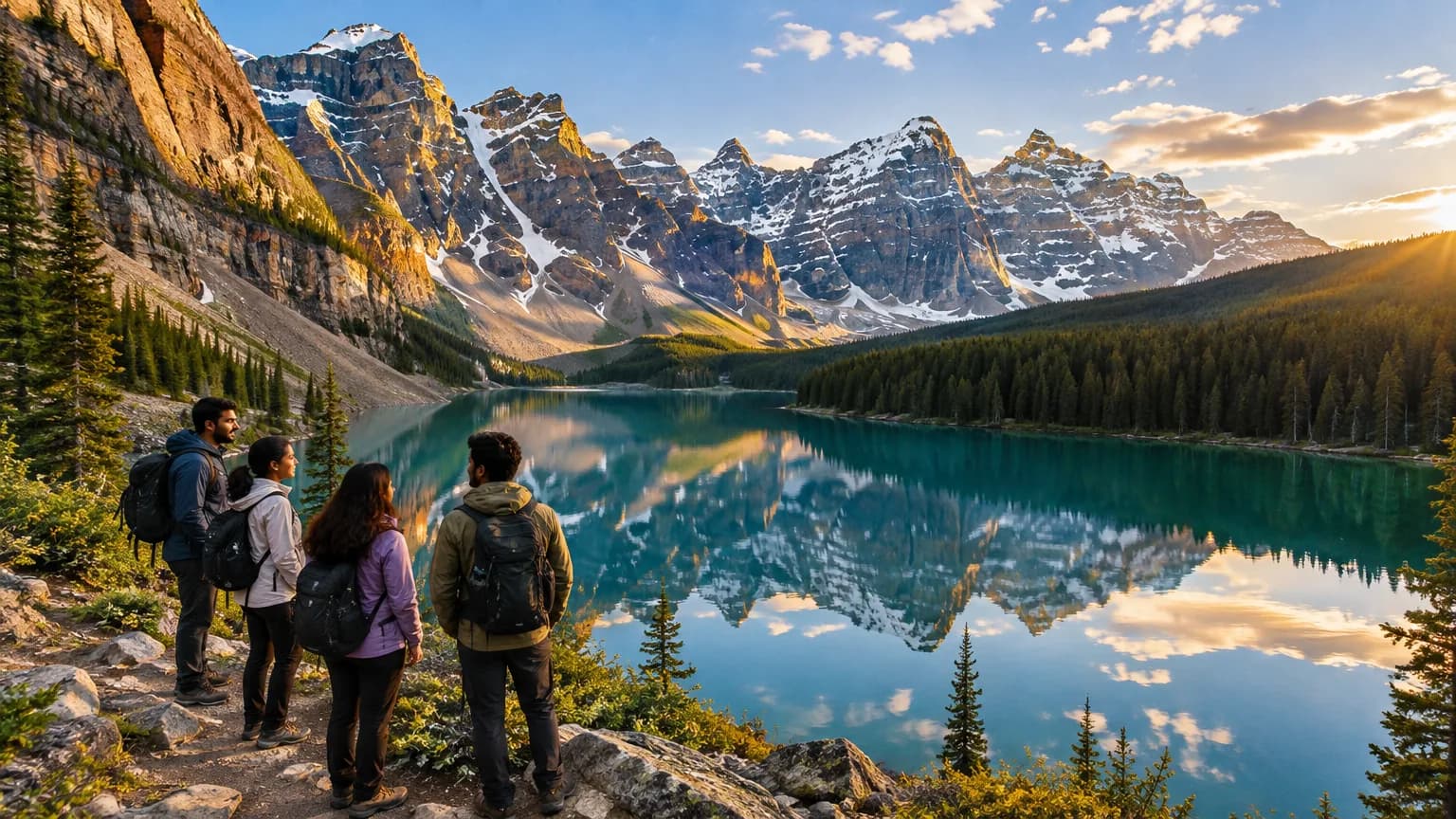
Canada Canmore Family Holiday 7N 8D
Starting from
₹1,01,500/ person
Canada · Flexible itinerary
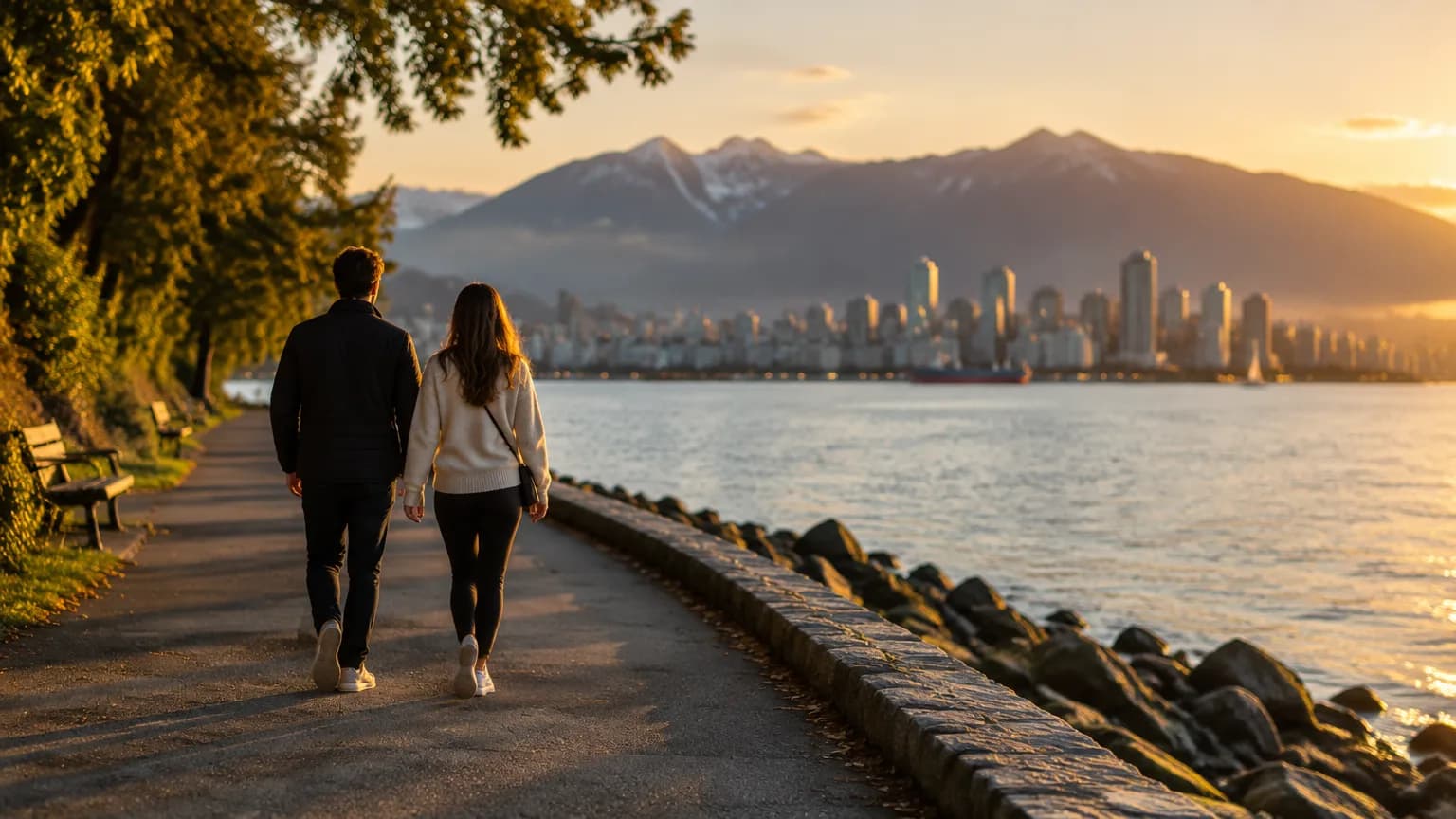
Canada Vancouver Honeymoon 5N 6D
Starting from
₹86,500/ person
Destination guide
Know Canada before you go.
Practical context, local highlights, and honest planning advice — written for travellers from India.
Field notes
A considered guide to Canada
Canada at a Glance
Canada is a North American country of ten provinces and three territories, covering roughly 9.98 million square kilometres — large enough that each region feels like a separate trip. For Indian travellers, a Canada holiday is a long-haul, multi-region journey rather than a single-city break.
The country divides into four broad travel zones. Central Canada covers Toronto and the Quebec City–Windsor corridor. Western Canada covers Vancouver and Alberta, including access to the Rockies. Quebec and Eastern Canada cover Montreal and nearby destinations. Atlantic Canada covers Halifax and the Atlantic provinces.
| Zone | Key Destinations | Best For |
|---|---|---|
| Central Canada | Toronto, Niagara Falls | Couples, families, first-timers |
| Western Canada | Vancouver, Banff, Canmore, Whistler | Couples, families, adventure |
| Quebec & East | Montreal, Ottawa | Couples, families |
| Atlantic Canada | Halifax, Cabot Trail | Couples, road-trippers |
Summer, June to August, is the warmest window with long daylight and outdoor festivals. An ideal first trip runs 6 to 8 nights across two or three bases. The main gateways are Toronto Pearson International Airport (YYZ) and Vancouver International Airport (YVR), with Montréal–Trudeau (YUL), Calgary (YYC) and Halifax (YHZ) as secondary entry points.
Why Travellers Choose Canada
Three things consistently pull Indian travellers to this destination: the scale of its landscapes, the variety of its cities, and a transport network that makes multi-base trips manageable.
- National parks at a serious scale. Canada has 37 national parks and 11 national park reserves. Banff National Park in Alberta alone covers Rocky Mountain peaks, glacial lakes and a full range of adventure activities from hiking and biking to paddling. Parks Canada also lists easier-access trails, so travellers who prefer gentler walks are not left out.
- Cities that are genuinely different from each other. Toronto, Montreal and Ottawa sit close enough to connect by train or road, yet each has a distinct character. Ottawa's ByWard Market area offers nightlife and eateries in a historic downtown setting. The Cabot Trail route in Atlantic Canada runs through Acadian cultural territory, adding a different texture to the eastern leg.
- A manageable travel rhythm once you are inside the country. English is spoken everywhere, cards are widely accepted, and public transport in the main cities is well documented. Vancouver's SkyTrain, buses and SeaBus run on zone-based fares, with a single fare valid for 90 minutes. Intercity buses and trains connect the Toronto–Montreal–Ottawa corridor at published fares (confirm current prices at booking).
Top Places and Areas in Canada
Ten places cover the standard first-timer circuit without forcing you to cross the entire country in one go. Each has a specific reason to visit and a practical tip.
- Toronto. The largest city and the usual first base for Indian travellers. It handles urban sightseeing well and sits close to Niagara Falls for a day trip. Keep at least two full days for the city before adding any excursion.
- Vancouver. A Pacific-coast city and the natural base for western Canada. Whistler is connected by the Sea-to-Sky Highway, and the airport rail link is straightforward — note the CAD 6.50 airport surcharge when tapping on at YVR station (as of July 2026).
- Montreal. A major eastern city connected with Toronto by rail and with Ottawa by road. It suits couples and pairs well with Ottawa rather than as a standalone stop.
- Ottawa. The Canadian capital on the Toronto–Montreal route. It suits families and fits neatly between the two bigger cities, making it an efficient add-on rather than a detour.
- Banff. The Rockies destination most Indian travellers have in mind when they picture Canada. Base here for park days and build in a buffer day for weather, which can change quickly at altitude.
- Canmore. A town at the edge of Banff National Park with access to the Bow Valley and the Banff townsite. Useful when Banff itself is crowded during peak summer, and it tends to be quieter.
- Whistler. A mountain destination north of Vancouver on the Sea-to-Sky Highway. Do it as an overnight rather than a rushed day return — the drive alone takes around two hours each way.
- Niagara Falls. A short add-on from Toronto and a reliable crowd-pleaser. The Winter Festival of Lights runs from 14 November 2026 to 10 January 2027, so check the event calendar before fixing your dates.
- Halifax. The main Atlantic Canada gateway. Treat it as a separate regional add-on rather than a same-trip extra unless you have spare nights and a specific interest in the Atlantic provinces.
- Cabot Trail. A driving route in Atlantic Canada that passes through Acadian cultural territory. Only include it if you have a hire car and at least two extra nights — it does not work as a rushed day trip.
Best Time to Visit Canada
June to September is the best window for a first Canada trip, with July and August offering the warmest temperatures and the longest daylight hours.
July peaks at 17 to 27 °C and August at 16 to 26 °C, but both months bring high crowds and peak pricing across hotels and flights. If budget matters, May (8 to 19 °C, medium crowds) and September (11 to 21 °C, foliage beginning, lower demand than summer) are the better shoulder months. October stays mild at 5 to 13 °C with medium crowds and medium prices.
Avoid January through March for general sightseeing. January runs −13 to −4 °C with short daylight hours, and coastal British Columbia receives heavy rainfall from November to March. Winter travel makes sense only if you specifically want winter sports or northern-lights viewing — it is not suited to a city-and-parks circuit.
| Season | Months | Temperature Range | Crowds | Prices |
|---|---|---|---|---|
| Summer (best) | June–August | 14–27 °C | High | Peak |
| Shoulder (good) | May, September–October | 5–19 °C | Medium | Medium |
| Winter (avoid for sightseeing) | December–March | −13 to 3 °C | Low | Low–Medium |
How to Reach Canada from India
Indian travellers typically fly into Toronto Pearson International Airport or Vancouver International Airport, with connections from major Indian cities usually involving one stop — plan for a long travel day in either direction.
Montréal–Trudeau, Calgary and Halifax are viable entry points if your itinerary starts in those regions, but Toronto and Vancouver handle the bulk of long-haul traffic. Once you land, the onward transfer depends on your base city. Vancouver has an airport rail link with a CAD 6.50 surcharge when starting at YVR station (as of July 2026). Toronto and Montreal are typically reached by taxi, ride-hail or airport rail into the city core.
Entry rules for Indian passport holders can change. Check the current requirements and any travel advisories on the official Government of Canada website before booking flights or paying deposits.
Where to Base Yourself
Pick two or three bases rather than one, because the distances between regions are large and trying to day-trip across zones rarely works. Each base suits a different travel style and budget tier.
- Toronto suits couples and families. It is the most practical first base, with urban sightseeing, a Niagara Falls day trip and good onward rail connections. Budget travellers find hostels and simple motels; mid-range options include chain hotels and aparthotels; the top end has full-service city hotels.
- Vancouver suits couples and families who want the Pacific coast and mountain access. The same budget tiers apply, and prices tend to be higher in summer peak season.
- Montreal suits couples and those interested in the French-Canadian side of the country. It connects well with Ottawa by road.
- Ottawa suits families and sits conveniently on the Toronto–Montreal rail corridor.
- Banff and Canmore suit couples and families in the Rockies. Banff gives direct access to park attractions; Canmore is quieter and slightly more affordable. Mountain lodges and mid-range hotels are the main stay types here.
- Whistler suits couples and families as a mountain base from Vancouver. Ski-season and summer rates differ significantly — confirm at booking.
A Route Worth Following
A sensible first route uses three bases — Toronto, one eastern city and one western destination — keeping internal travel short and avoiding backtracking across the country.
- Toronto, 3 nights. Start here for the city and a Niagara Falls day trip. This is the easiest entry point for most Indian travellers and gives a solid urban grounding before the trip opens up.
- Montreal or Ottawa, 2 nights. Move by train or intercity bus along the corridor. Trains between Toronto and Montreal run CAD 40–100 one-way and between Toronto and Ottawa CAD 35–90 one-way (as of July 2026); buses run CAD 25–60 one-way on the same routes. Ottawa suits families; Montreal suits couples.
- Banff or Vancouver, 3 nights. Fly west for mountains or the Pacific coast, then fly home from the same side of the country. This avoids a cross-country backtrack on the return leg.
With more time, add Whistler as an overnight from Vancouver, or treat Halifax and the Cabot Trail as a separate Atlantic Canada leg. Eight nights or more opens up these extensions without feeling rushed.
Is Canada Right for You?
Canada suits travellers who want cities and wilderness in one trip and are comfortable with long internal flights or multi-hour drives between regions.
Couples find the most options — Montreal, Banff and Whistler all work well for two. Families do well in Toronto, Ottawa and Canmore, where Parks Canada's family-friendly hikes and easier-access trails mean everyone can participate. Elderly travellers are not excluded: gentler activities and accessible trails exist across the national park network.
This destination does not suit travellers trying to cover several distant regions in under a week. If your trip is six nights or fewer, stay within one region — either the Toronto–Ottawa–Montreal corridor or the Vancouver–Banff–Whistler western circuit — rather than attempting both. Wildlife watching and birdwatching in national wildlife areas are strong add-ons for nature-focused travellers who want something beyond the standard city-and-park circuit.
Practical Tips for Indian Travellers
- Layer your clothing. Summer days are warm but evenings cool quickly, especially in the Rockies. Winter trips need proper insulation, waterproof outer layers and snow-ready footwear — this is not optional in January or February.
- Understand tipping culture. Tipping at restaurants, taxis and some services is standard practice in Canada. Queuing and quiet behaviour in public spaces are also expected norms.
- Protect yourself online. Avoid unknown open Wi-Fi networks and always verify the exact network name before connecting. Never send banking details or personal information over public Wi-Fi. The Government of Canada advises treating QR codes cautiously, as fraudulent ones can redirect to fake websites.
- Buy SIM cards from official sellers only. Purchase a local SIM from an authorised retailer rather than informal sources. Cards and digital payments are widely accepted across Canada, so carrying large amounts of cash is rarely necessary.
- Check entry rules before you book. Confirm current visa requirements, electronic travel authorisation rules and travel advisories on the official Government of Canada website. Rules can change, and this page does not cover visa types, fees or processing times.
To see this turned into a complete trip, have a look at the Canada holiday packages.
Personalise your trip
Shape Canada around the way you travel.
Choose a travel style as your starting point. We'll refine the pace, stays, experiences, and budget until the journey feels entirely yours.
Not sure which fits? Use our trip builder — it takes under two minutes.
Got questions?
The questions travellers ask about Canada.
Straight answers on visas, pricing, best time to visit, and how our packages work for Indian travellers.
8 answered below
Social proof
What Tripstor travellers say
Feedback from Indian holidaymakers who travelled with Tripstor.
4.8
from 432+ reviews
CoupleNorway is expensive but the experience is worth planning for. We did the Flam Railway and the Sognefjord on Day 5. Tripstor gave us a realistic budget breakdown before we booked, which I appreciated. No surprises on the ground.
FamilyTravelled with my parents who are in their late 50s. Tripstor recommended two full acclimatization days in Leh before any high-altitude drives and that made a real difference. Tso Moriri was quieter than Pangong and honestly more worth the drive.
FriendsThree friends and I did a 9-night Australia package with stops in Melbourne and Sydney. We spent an afternoon at the Melbourne Cricket Ground and caught a local match. Tripstor sorted our group visa applications together which saved a lot of back and forth. Good experience overall.