What is a Switzerland luxury tour package?
A Switzerland luxury tour package is a premium, land-only itinerary with upper-category hotels, private transfers and a fixed number of guided experiences. Time between those experiences is left open. For a solo traveller, that means fewer logistics to manage and more control over the day.
This version stays on the Interlaken and Lake Lucerne corridor. You unpack twice, not five times, and the longest road transfer is the airport run on Day 1.
Switzerland luxury tour package: what the 7 days cover
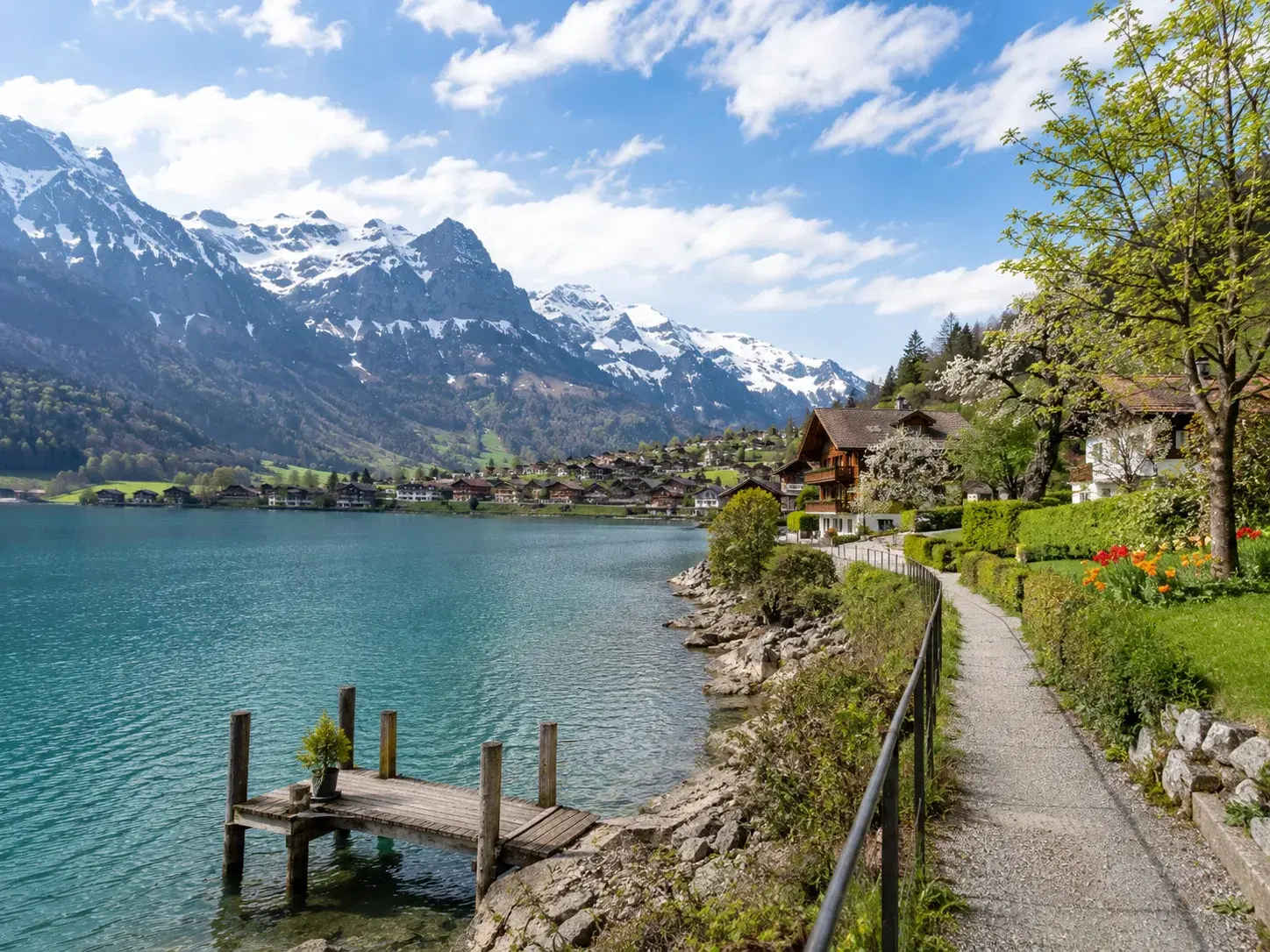
This Switzerland luxury tour package spends two nights in Interlaken and three in Lucerne, then one near Zurich before departure. Interlaken is the base for the Jungfrau region, including Grindelwald and Lauterbrunnen. Lucerne adds Lake Lucerne, the Old Town and mountain excursions to Rigi and Stanserhorn.
Each day has one anchor activity, either a guided drive, a boat, a cogwheel train or a cable car. The rest is yours to use as you like.
The premium is visible in three places: room space, how you are moved around, and how much of the day is left unscheduled. Fewer days are spent in transit, and fewer decisions are left to you.
- Rooms: larger rooms in upper-category hotels, with lake or mountain-facing options where the hotel has them (confirm at booking).
- Transfers: a private vehicle for the airport and intercity legs, with no waiting for other passengers.
- Time: a full unscheduled day in Lucerne and no early alarms on most mornings.
What premium means on this trip
Premium here is a set of practical differences from a standard package, not a label. It covers the hotel category, how you travel between towns, how the days are paced and how much privacy you get.
- Stay category: 5-star or premium 4-star hotels, finalised at booking.
- Transfers: private on arrival, departure and between Interlaken, Lucerne and Zurich.
- Pacing: one anchor activity a day, with the Jungfrau day led by a private guide.
- Privacy: no group departures and no shared coaches on the road legs.
- Local travel: the Swiss Travel Pass covers trains, buses and boats on the days you travel independently.
Signature experiences on this route
Five experiences anchor the trip. Each one is chosen for a specific place, and all of them depend on weather and seasonal operating dates.
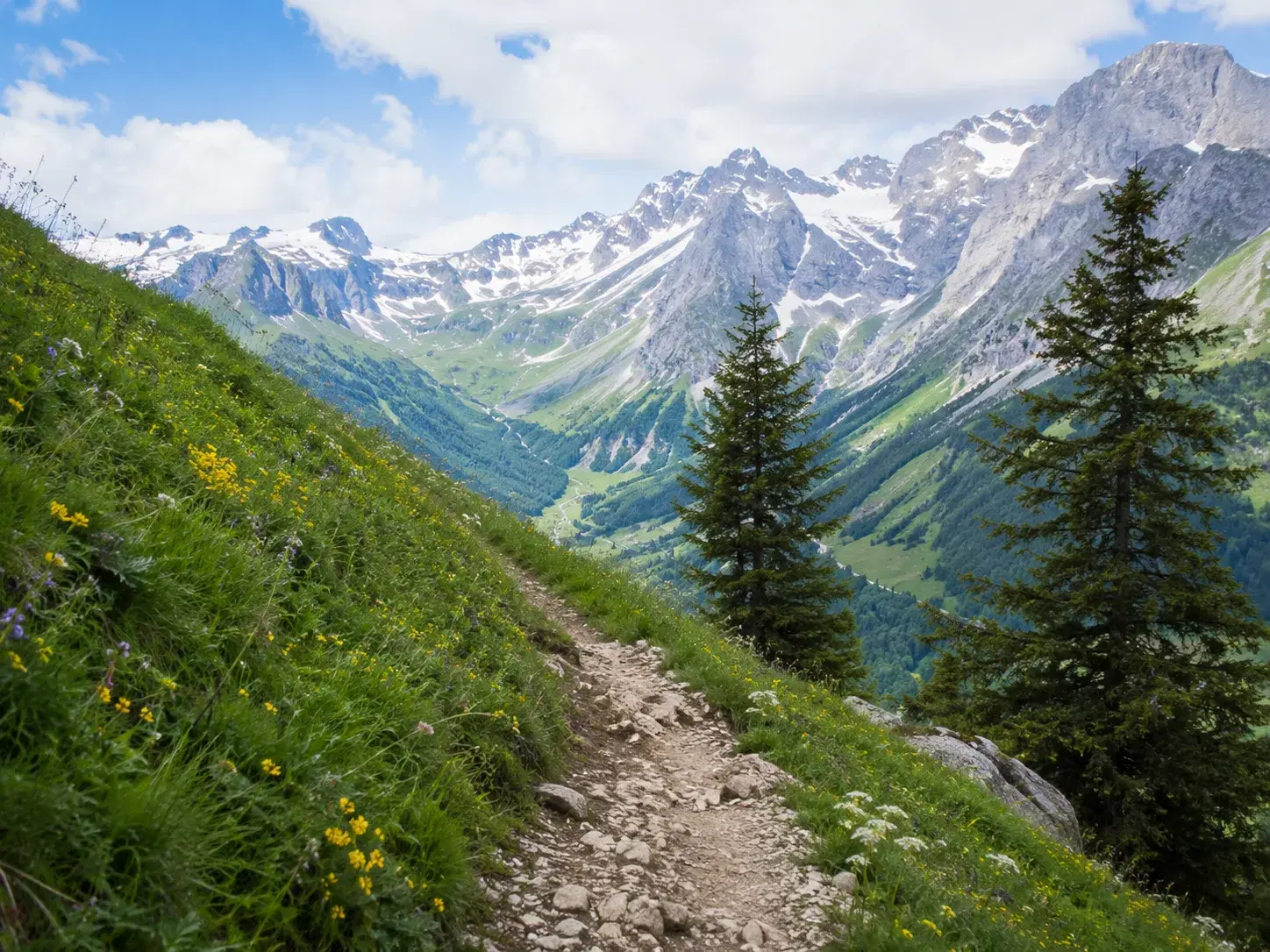
- Jungfrau region drive: Grindelwald and Lauterbrunnen in one day, with a private guide.
- Lake Lucerne boat ride: a public lake boat from Lucerne to Vitznau, covered by the Swiss Travel Pass.
- Rigi: a mountain excursion by cogwheel train, included with the Swiss Travel Pass.
- Stanserhorn: a mountain excursion offered on the free day, also included with the Swiss Travel Pass.
- Lucerne Old Town: Chapel Bridge and the Lion of Lucerne on foot, with no ticket needed.
Stay and service standards
The stay category on this trip is 5-star or premium 4-star, with the exact property confirmed at booking. We do not list hotel names on this page.
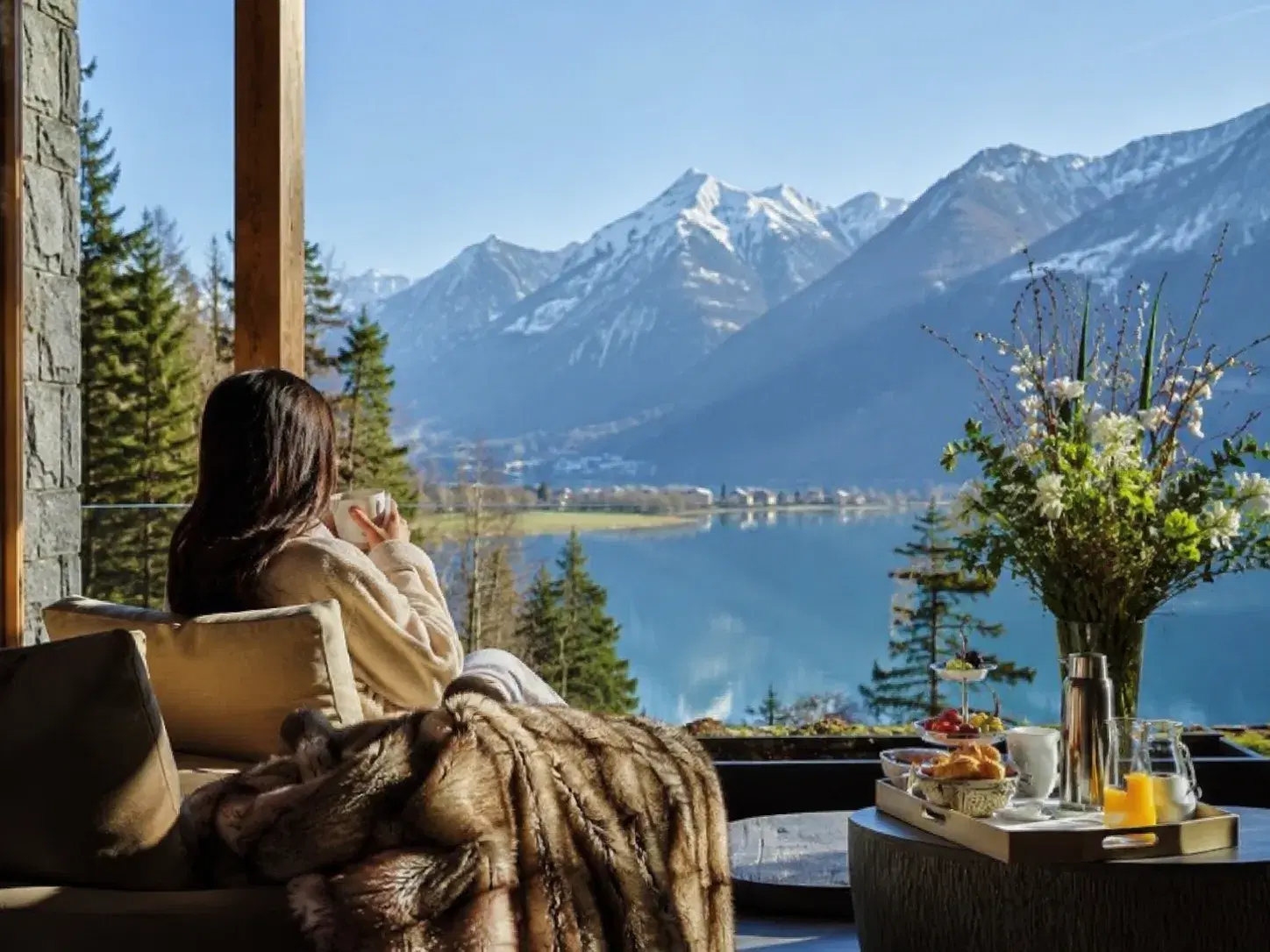
In practice, that means a front desk that can arrange taxis, restaurant tables and luggage forwarding. Most hotels in this category have a spa and a restaurant on site. Breakfast is included every morning. For a solo traveller, a hotel with a good lobby or lounge also helps, because a quiet place to sit makes a free evening easier.
Wellness and slow time
Wellness on this trip means hotel spa time and unscheduled hours, not a structured retreat. Switzerland does not have an ayurveda or yoga tradition, so we have not added any.
Most upper-category hotels in Interlaken and Lucerne have a spa with a pool, sauna and treatment rooms. Treatments are paid directly at the hotel, and we can pre-book them if you tell us in advance. Day 5 in Lucerne is deliberately empty. Use it for a long breakfast, the spa, a lake walk or an easy mountain excursion.
Where the budget goes
Most of the premium goes into hotel category and private road transfers. The rest covers the Swiss Travel Pass and the guided Jungfrau day. Three things move the price: the month you travel, the hotel category and how many nights you spend in each town.
Peak months, June to August and December to February, cost more than April, October and November. If you want to bring the price down, shifting dates is the most effective lever. Swiss public-transport fares are scheduled to rise by an average of 3.6% from the December 2026 timetable change, but the Swiss Travel Pass and Half Fare Card for international visitors remain unchanged.
Stay options in Interlaken and Lucerne
Three stay tiers are available, priced per person on twin sharing, land only. The default quote uses the Standard 4-star tier. Figures are indicative and the final price depends on dates and availability.
Tourist tax of about CHF 2 to 6 per person per night is added at most hotels and is often collected at checkout, not in the quoted online price. Confirm at booking whether it is prepaid or paid locally.
Entry, money and flights for Indian travellers
Indian passport holders need a Schengen short-stay visa for Switzerland, applied for through the official Swiss visa application route. Check the official portal for the current fee and processing time, as both change. The local currency is the Swiss franc (CHF). Cards are widely accepted, but carry a little cash for small purchases.
Flights from India usually connect through a hub and take roughly 17 to 19 hours in total, as of October 2026. Indicative times: Delhi about 18.6 hours, Mumbai about 18.4 hours, Bengaluru about 17.6 hours, Chennai about 17.4 hours and Hyderabad about 17.8 hours. Zurich Airport (ZRH) is the usual arrival point for this route.
Best time to visit Switzerland from India
Late May, June and September give the best balance of open trails, lake weather and manageable crowds. July and August are the warmest but also the busiest and most expensive. December to March suits snow and Christmas markets, but days are short and prices peak.
Weather in the mountains changes quickly and varies a lot with altitude, so carry a light rain layer in every season.
Switzerland travel tips for solo travellers
Switzerland is an easy country to travel alone. Trains, boats and buses run on schedule, signage is clear and most hotel staff speak English.
- Reserve seats on panorama trains in advance, as reservations or supplements may apply on some routes.
- Check that a mountain excursion is covered by your pass before buying a separate ticket.
- Keep your hotel address and transfer details saved offline.
- Tap water is safe to drink in towns and villages.