Package overview
The thinking behind this journey.
A closer look at this 5-night journey through Switzerland— who it's built for, what you'll experience, and why the pace works.
Journey notes
Why this route works
What does this 6-day Switzerland route cover?
Six days, five nights, two mountain regions: the Jungfrau area and Zermatt. You land at Zurich Airport, travel by train to the Jungfrau region for three nights, then take the rail route to Zermatt for two nights before flying out from Zurich on Day 6.
Travel between towns runs on the Swiss Travel System — trains, buses and boats covered on one pass. Each day has a guided block in the morning and a lighter block after lunch. Evenings are free. That structure matters at altitude, because most travellers need at least one slower day before the big climb days.
Why choose an active route over a city break?
The walking and altitude are the point of this trip. You get a marked trail in a mountain valley, a guided glacier viewpoint at Jungfraujoch (3,454 m), and a Matterhorn-side hike from Zermatt with a certified mountain guide. A city break gives you museums and lakefronts; this gives you trail time, altitude gain and a guide who reads the weather for you.
Fitness is stated honestly here. If you cannot manage a steady uphill hour at 2,000 m, tell us at booking and we will swap in cable-car options for the harder stretches. No one should push through altitude discomfort on a guided trip.
When is the best time to visit Switzerland from India?
July to September is the main hiking window, with temperatures between 14–25°C, long daylight hours and open high-altitude trails. December to March suits skiers and those who want snow landscapes, with temperatures dropping to –1°C at valley level and much colder at altitude.
April and November are transition months when high-altitude trails and some mountain attractions can stay closed without notice. Weather changes fast and varies substantially with altitude — a sunny valley morning can turn into a cold, windy summit by noon. Build at least one flexible slot into any mountain plan.
What drives the Switzerland trip cost?
Three factors move the price: travel season, mountain rail tickets and room category. Peak months — June to August and December — push hotel rates up sharply. The Jungfraujoch rail ticket and Matterhorn-area access are the single largest activity line items on this route. Twin-sharing rooms in mid-range hotels keep the base at Rs.1,30,000 per person, land only, flights excluded.
Swiss public-transport fares are scheduled to rise by an average of 3.6% from the December 2026 timetable change. International-visitor products including the Swiss Travel Pass and Swiss Half Fare Card remain unchanged as of October 2026, according to the Swiss public transport operator.
Activity summary: what you will do on this trip
- Jungfraujoch guided excursion — mountain rail to 3,454 m, short snow walk near the viewing platform, ice palace visit if open
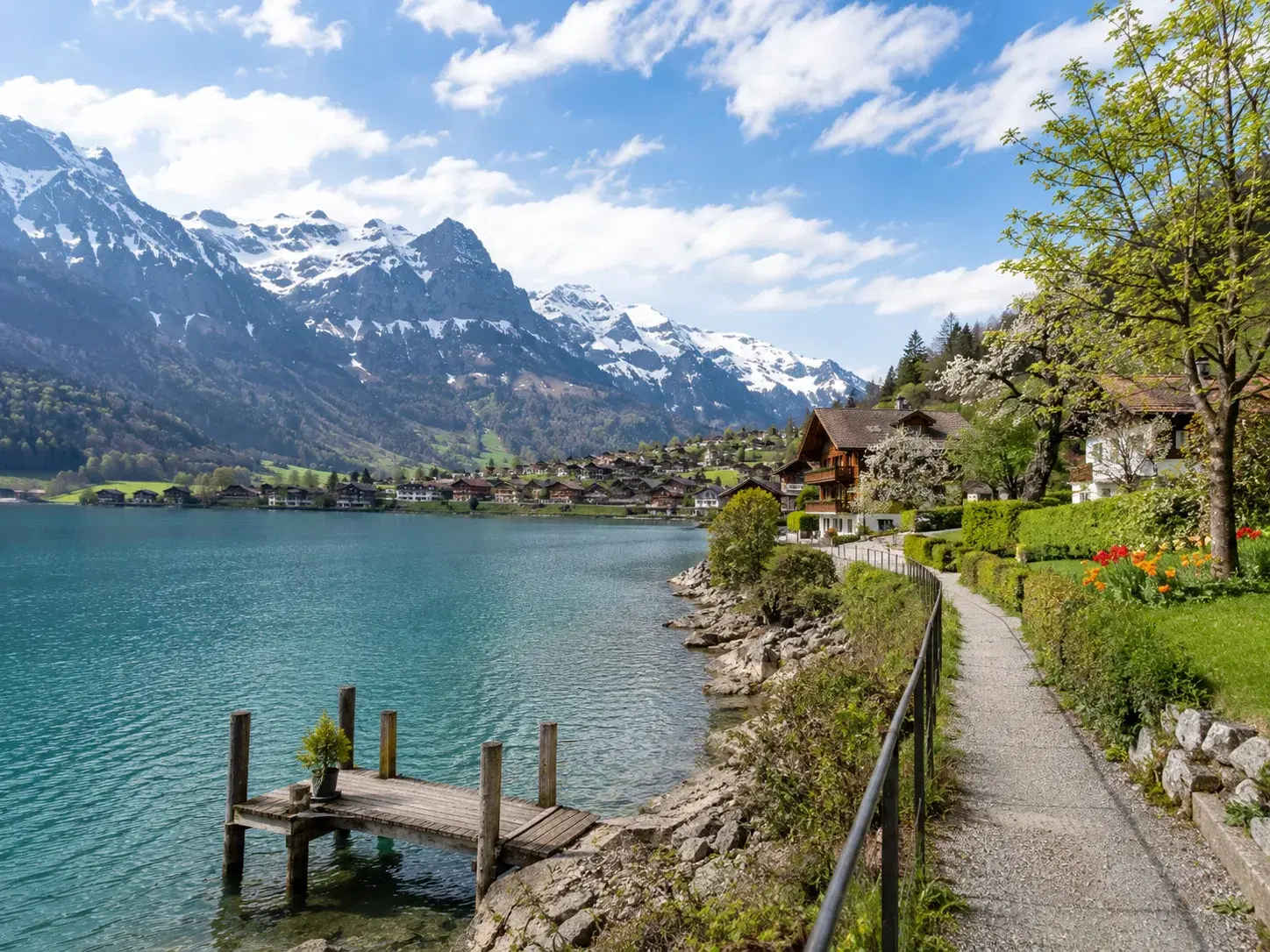
- Valley hike, Jungfrau region — marked trail, roughly 8–10 km at low altitude, guide-set pace
- Lauterbrunnen waterfall walk — train or drive to the valley, walk to main waterfall viewpoints
- Rail journey to Zermatt — scenic train via Visp, roughly 3 hours, Matterhorn visible on approach
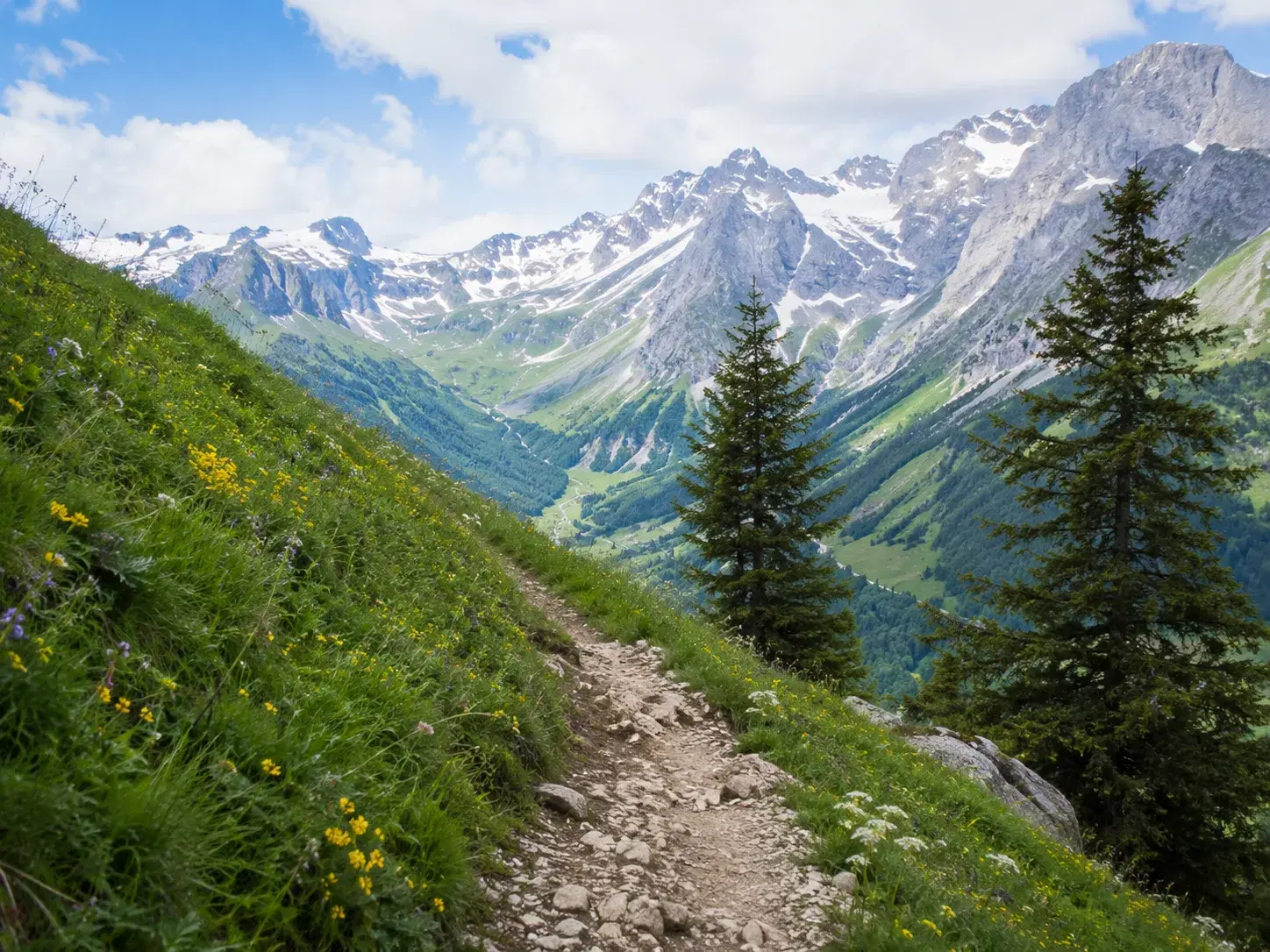
- Matterhorn-side guided hike — marked trail, roughly 10–12 km with steady uphill sections, certified mountain guide
- Lower Matterhorn viewpoint walk — short guided walk from Zermatt village, subject to cloud cover
Difficulty and fitness — what to expect
| Activity | Effort level | Typical duration |
|---|---|---|
| Jungfraujoch excursion (rail + snow walk) | Low–moderate (altitude is the main factor) | Full day including rail travel |
| Valley hike, Jungfrau region | Moderate | 4–5 hours, 8–10 km |
| Lauterbrunnen waterfall walk | Easy | 2–3 hours |
| Matterhorn-side guided hike | Moderate–hard | 5–6 hours, 10–12 km — confirm at booking |
| Lower Matterhorn viewpoint walk | Easy | 1–2 hours |
Altitude, weather and safety on this route
Jungfraujoch sits at 3,454 m. Most healthy adults adjust within a few hours, but headaches, fatigue and mild nausea are common on the first visit. The guide will slow the pace and can call the day early if anyone shows stronger symptoms.
Weather cut-offs apply to both the Jungfraujoch excursion and the Matterhorn-side hike. If wind speed or visibility crosses the safety threshold set by the local mountain guide, the activity is postponed or replaced with a lower-altitude alternative. No refund applies for weather changes, but we will do our best to reschedule within the trip window.
All guided outdoor days use certified local mountain guides. A safety briefing covering cold exposure, altitude and trail rules is given before each activity day. Carry your own water, snacks and a basic first-aid kit on trail days.
Gear and packing checklist
- Bring from India: waterproof hiking boots (broken in), moisture-wicking base layers, mid-layer fleece, waterproof outer jacket, trekking poles (optional but useful), sunscreen SPF 50+, UV-protection sunglasses, personal medication and a small first-aid kit
- Bring from India: warm hat and gloves even in summer — summit temperatures can drop sharply
- Provided on trip: safety briefing materials, trail maps for guided days, emergency contact sheet
- Not provided: hiking boots, clothing, personal gear or any equipment rental — arrange these before departure or confirm rental options at booking
- Useful to carry: a reusable water bottle (at least 1 litre), energy bars, a small daypack for trail days
Permits, rules and entry conditions
No special trekking permit is needed for the marked trails used on this trip. The Jungfraujoch rail ticket and any panorama-train seat reservations or supplements are included or listed under inclusions — confirm the exact scope at booking. The Swiss National Park has its own rules: stay on marked paths, no picking plants, no disturbing wildlife. Age and health rules for the Matterhorn-side hike sit with the local mountain guide; confirm these at booking.
Where you stay: mountain hotels in the Jungfrau region and Zermatt
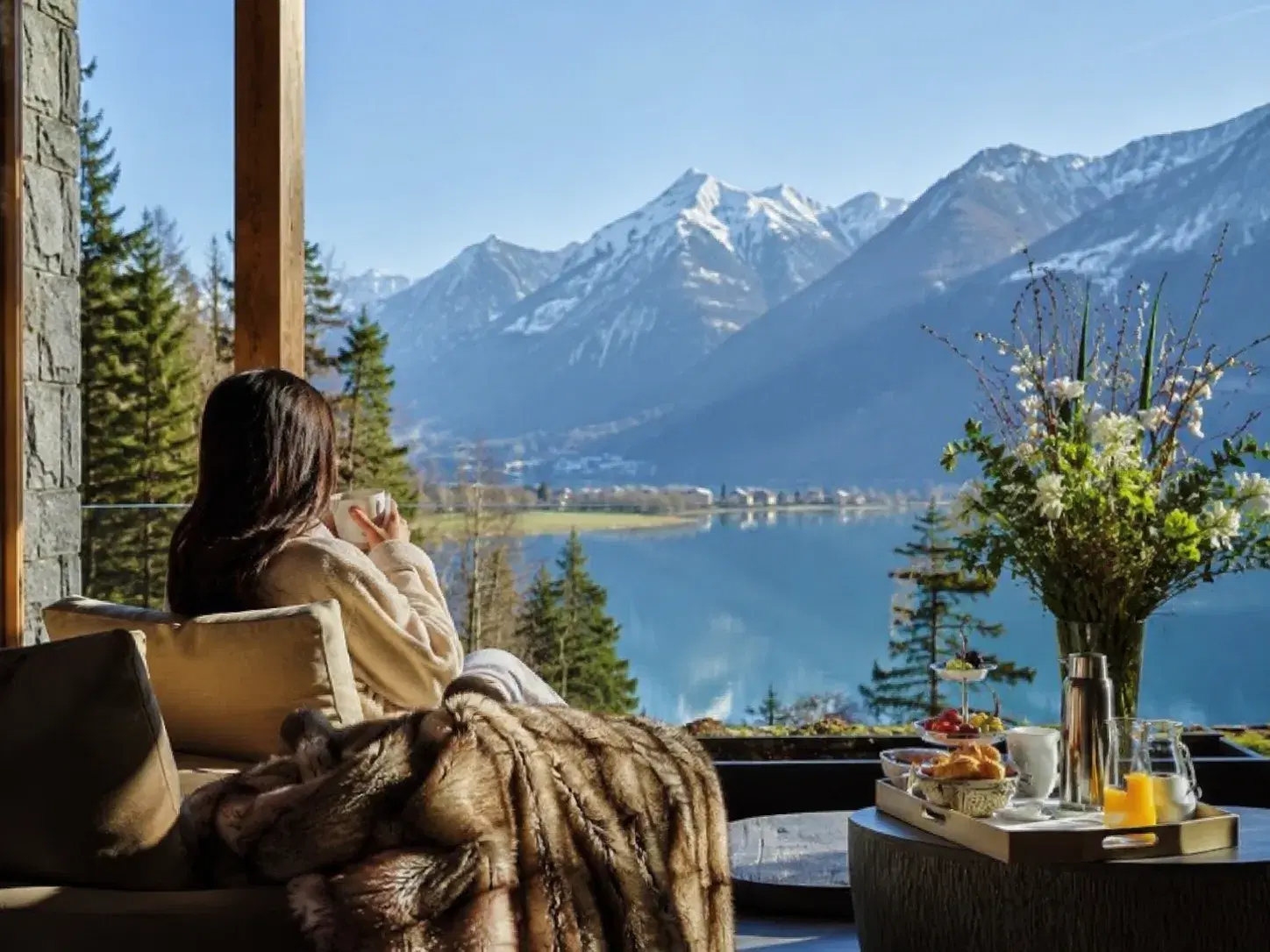
Nights 1–3 are in a mid-range 3-star hotel in the Jungfrau region, within easy reach of the mountain rail stations. Nights 4–5 are in a mid-range 3-star hotel in Zermatt village. Both properties are on twin-sharing basis with breakfast included. No hotel names are confirmed until booking, as availability varies by travel date.
Zermatt is a car-free village. All luggage moves by electric vehicle from the train station to the hotel. Pack a bag you can carry short distances on foot.
Entry, money and flights for Indian travellers visiting Switzerland
Indian passport holders need a Schengen visa to enter Switzerland. Apply through the Swiss embassy or consulate in India, or via an authorised visa application centre. Check the official Swiss embassy portal for the current visa fee and processing timeline before booking. Switzerland uses the Swiss Franc (CHF) as its currency; do not quote or rely on exchange rates found online, as these change daily — check with your bank or forex provider closer to departure.
Flights from major Indian cities connect to Zurich Airport (ZRH) via a stopover, typically via Singapore. Total travel time from Delhi is around 18.5 hours, from Mumbai around 18.5 hours, from Bengaluru around 18 hours and from Chennai around 17.5 hours, as of October 2026. Flights are not included in the Rs.1,30,000 land package price; book separately and share your flight details with us so transfers can be arranged.
The signature days: Jungfraujoch and the Matterhorn
Jungfraujoch, at 3,454 m, is reached by a rack railway from the Jungfrau region. The guide travels with the group, gives a cold-weather and altitude briefing before you step outside, and sets the pace on the short snow walk near the viewing platform. The ice palace is open seasonally — confirm at booking. The full excursion takes most of a day including rail travel.
The Matterhorn-side hike on Day 5 is the hardest physical day. A certified mountain guide leads the group on a marked trail with roughly 10–12 km of walking and steady uphill sections. The guide monitors wind and cloud throughout. If conditions deteriorate, the group turns back early. There is no fixed summit target — the trail itself, with the Matterhorn visible across the valley, is the activity.
Who this trip is for
This route suits travellers who are comfortable walking 8–12 km a day on uneven terrain and can handle a full day at altitude without prior acclimatisation. You do not need mountaineering experience, but you should be in regular physical activity — walking, gym or sport — for at least 8 weeks before travel.
The minimum recommended age for the Matterhorn-side hike is 12 years, with a guardian for under-18s. Older travellers are welcome if they meet the fitness requirement. Anyone with a heart condition, respiratory illness or recent surgery should get medical clearance before booking. If the harder days are a concern, ask us about cable-car alternatives at the time of booking.
Switzerland travel tips for Indian travellers
- Buy the Swiss Travel Pass before you fly; it covers trains, buses and boats, plus free entry to more than 500 museums.
- Panorama trains need seat reservations or supplements on some routes — book these early, especially in peak season.
- Carry layers, not one heavy jacket. Valley and summit temperatures can differ by 10–15°C on the same day.
- Keep one rest evening after each big altitude day; do not plan evening activities after Jungfraujoch or the Matterhorn hike.
- Carry a card for purchases; cashless payment is widely accepted, but small mountain kiosks vary.
- Pack your hiking boots in cabin baggage or carry-on if possible — lost checked luggage on Day 1 is a real problem on an active trip.
Share your group size and preferred month; we will check conditions and permits before quoting.