
Curated starting points
Find a Singapore journey that feels like yours.
Begin with a thoughtfully paced itinerary, then change the stays, experiences, route, and budget with a Tripstor specialist.
Singapore · Flexible itinerary
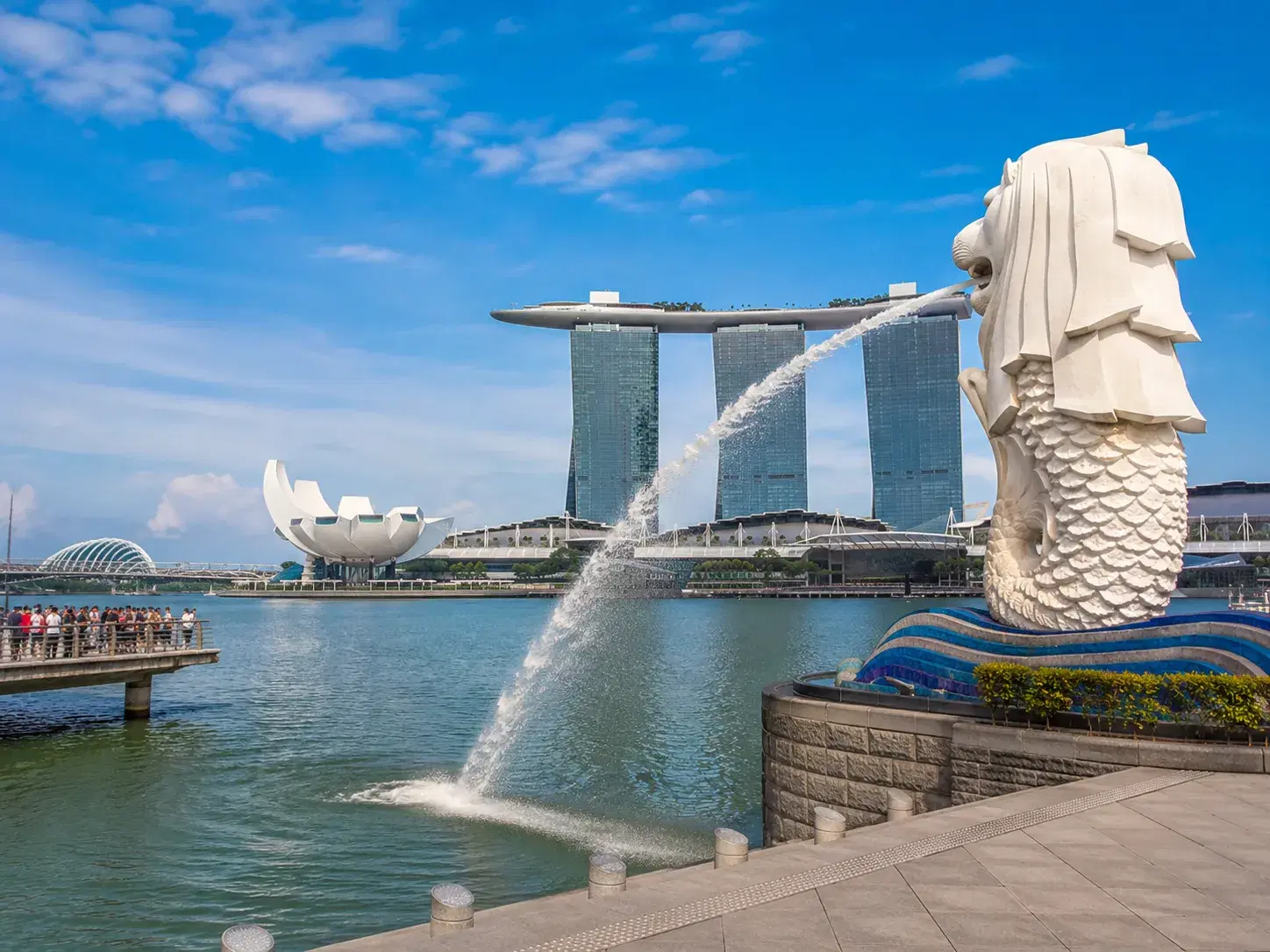
Best of Singapore
Starting from
₹55,000/ person
Singapore · Flexible itinerary
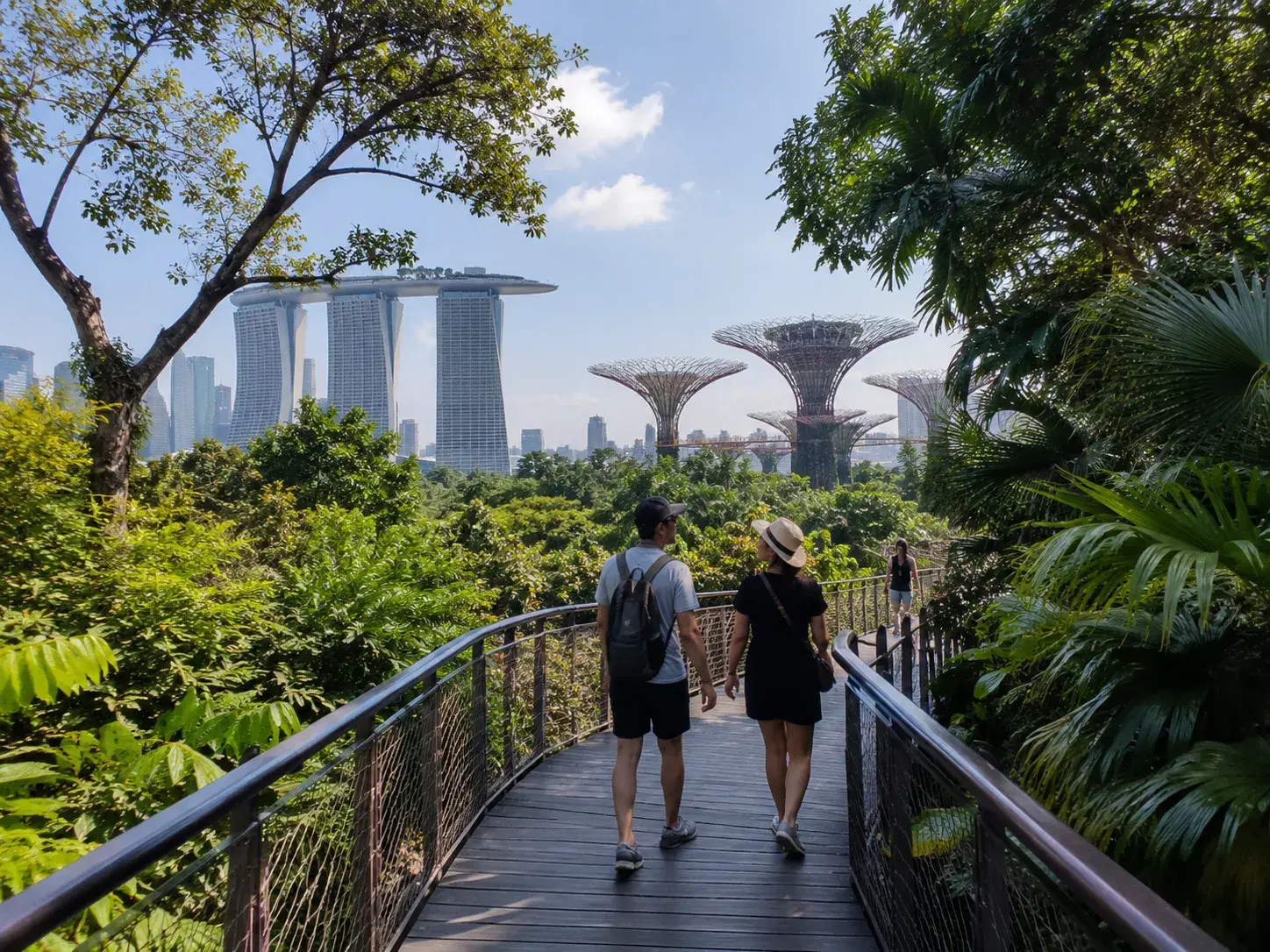
Singapore Adventure Trail
Starting from
₹60,000/ person
Singapore · Flexible itinerary
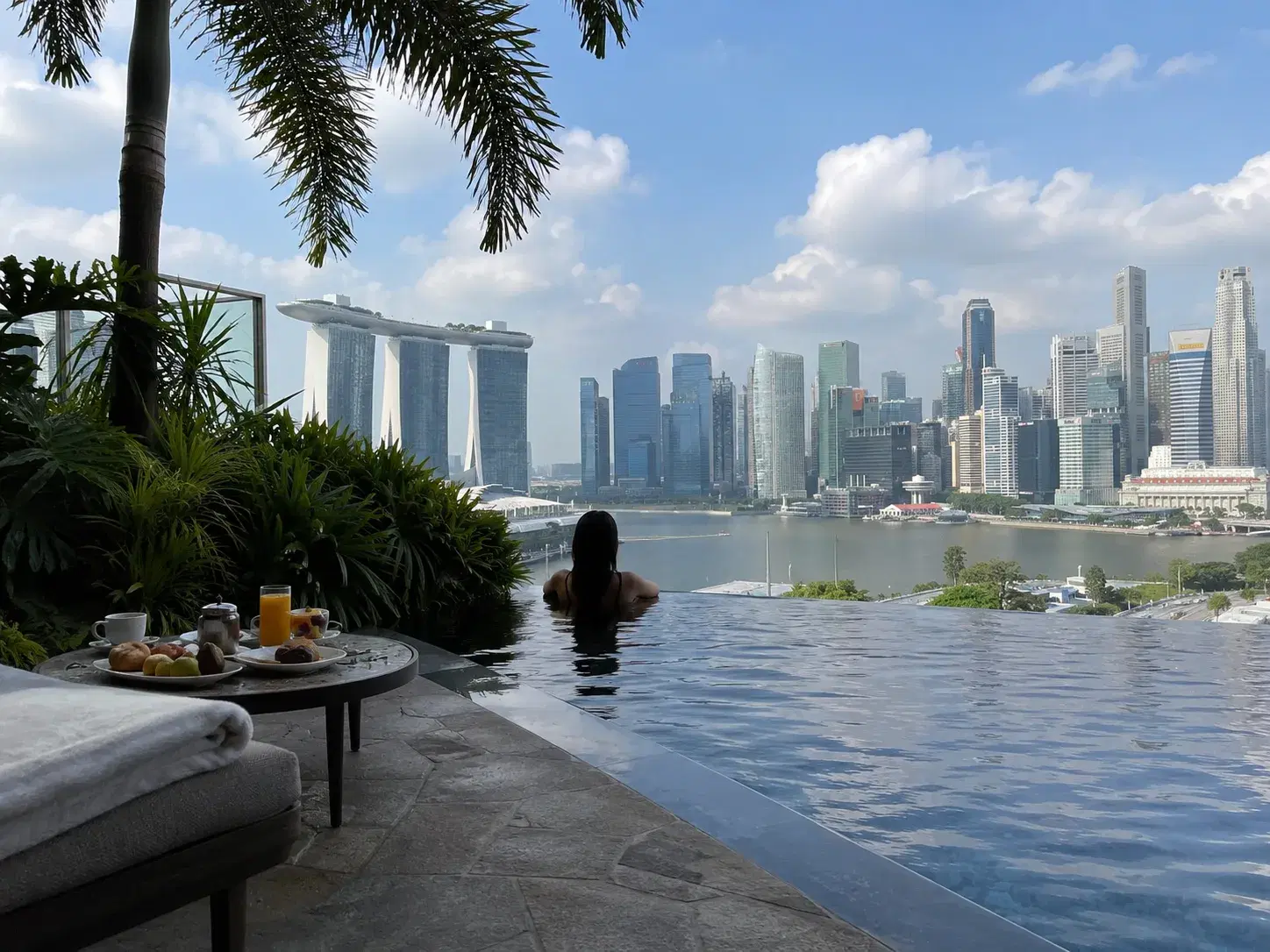
5N/6D Singapore Solo Luxury Package
Starting from
₹55,000/ person

Singapore · Flexible itinerary
Singapore Family Escape
Starting from
₹63,000/ person
Singapore · Flexible itinerary
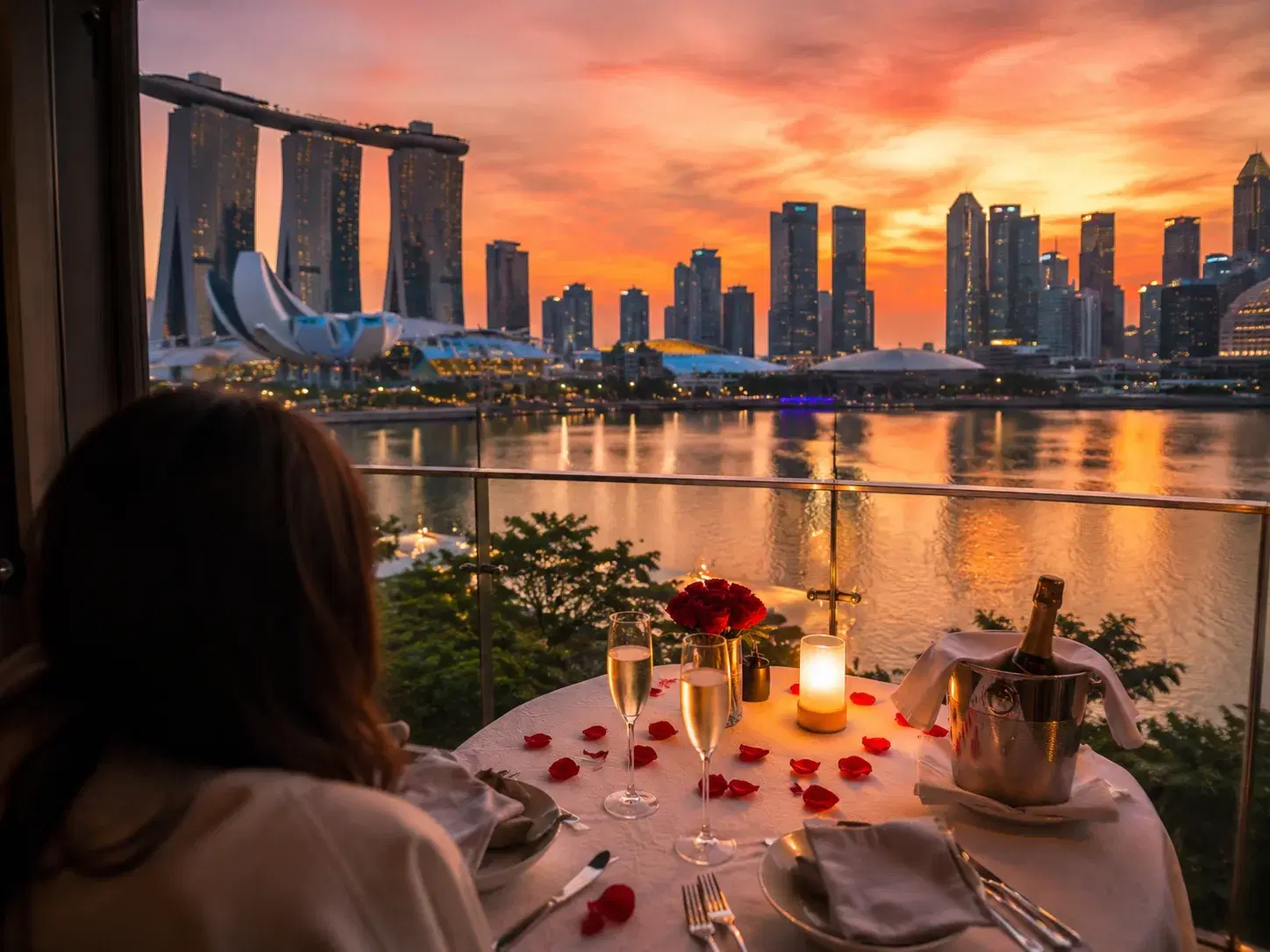
6N/7D Singapore Honeymoon Package
Starting from
₹85,000/ person
Depart from India
Your Singapore journey starts closer to home.
Explore thoughtfully planned routes with flights, stays, and experiences shaped around your departure city.
Destination guide
Know Singapore before you go.
Practical context, local highlights, and honest planning advice — written for travellers from India.
Field notes
A considered guide to Singapore
Singapore at a Glance: Districts, Days and Gateway
Singapore is a tropical city-state at the southern tip of the Malay Peninsula, and it stays hot and humid throughout the year. Three full days covers the central sights comfortably; five days adds Sentosa and Little India without any rushing.
The city sorts neatly into areas. Marina Bay, Orchard Road and Chinatown form the central sightseeing core. Sentosa and Little India extend a longer trip. Pulau Ubin offers an outer-island nature option if you want a half-day away from the skyline.
The best months run from February to April, when rainfall is lower and temperatures sit around 25–32 °C. September is also reasonable, with rain around 125 mm. The Northeast Monsoon runs December to early March, though February and early March are drier than the peak wet phase. December sees the highest rainfall at around 330 mm.
Arrival is through Singapore Changi Airport (SIN). Direct flights from Indian cities take roughly 4 hours 20 minutes from Kolkata to about 5 hours 50 minutes from Ahmedabad, depending on your departure city. Delhi is approximately 5 hours 45 minutes, Mumbai around 5 hours 30 to 35 minutes, and Bengaluru about 4 hours 35 to 55 minutes.
Neighbourhoods and What Each Is For
Pick your base by what you want within walking distance. Each area has a clear personality, and the MRT connects them all so no neighbourhood leaves you stranded.
- Marina Bay and CBD: The central area near Marina Bay Sands, Gardens by the Bay and Merlion Park. Accommodation here is upscale and premium-priced. Best for couples who want the skyline on their doorstep and do not mind paying for it.
- Chinatown and Tanjong Pagar: Heritage streets with hawker food, hip bars and strong MRT access. Mid-priced, and it works well for couples and budget-conscious travellers who still want to be central. Maxwell Food Centre is close by.
- Little India: A multicultural area with street food, pure-vegetarian South Indian restaurants and budget accommodation. The most affordable base, and a natural fit for Indian travellers who want familiar food close at hand.
- Bugis and Kampong Glam: Cultural neighbourhoods with MRT access and genuine local character. Mid-priced, and a good pick for couples and solo travellers who want atmosphere over polish.
- Orchard Road: The central shopping area with upmarket dining and hotels. Upscale, and a natural fit for families and couples who like to shop and eat well in the same stretch.
- Sentosa and HarbourFront: Beach and theme-park area with family-oriented accommodation. Upscale, and the easiest base if children are the priority for the trip.
Signature Sights and Experiences
Group the sights by area so you spend your time at attractions, not crossing the city. Mandai alone can fill a full day, and the central districts each have enough to keep you busy for a morning or afternoon.
Mandai Wildlife Reserve
Mandai Wildlife Reserve holds five wildlife attractions, two indoor attractions, dining and public spaces, all in one location in the north of the island. Singapore Zoo is an open-concept zoo with accessible paths, dedicated children's areas and interactive wildlife encounters. Night Safari is a nocturnal wildlife park that runs after dark, making it a natural evening activity. River Wonders is river-themed, Bird Paradise focuses on birds, and Rainforest Wild Adventure adds elevated walkways and activities suited to different ages and comfort levels. Animal feeding sessions, keeper talks and Ranger Buddies programmes run across the reserve, which makes it particularly strong for families.
Central Sights and Botanic Gardens
The National Orchid Garden inside Singapore Botanic Gardens presents the country's orchid collection and the history of Vanda Miss Joaquim, Singapore's national flower. It suits couples and anyone who wants a slower, green half-day away from the busier central districts. Marina Bay itself is walkable in the evenings, when the skyline and waterfront are at their best.
Chinatown and Bukit Timah
Chinatown Heritage Centre uses exhibits and character-led tours to explain the district's history and the lives of early migrants. It pairs well with a hawker lunch nearby. Dairy Farm Nature Park in Bukit Timah has trails for hiking and biking if you want a morning outdoors before the afternoon heat sets in.
Woodlands and the Outer Islands
Woodlands Waterfront Park is a quiet, family-friendly waterfront park near the Causeway to Johor Bahru, and it is noticeably less crowded than the central areas. Pulau Ubin is the outer-island option for a nature half-day, best suited to travellers on a five-day trip who have already covered the central sights.
Food, Markets and Evenings
Singapore's food culture is built around hawker centres — open-air food courts where dozens of stalls share a space and prices are low. Five styles worth trying:
- Hainanese chicken rice: A hawker staple found across Chinatown and Tanjong Pagar. Rice cooked in chicken stock, served with poached or roasted chicken and chilli sauce.
- Laksa: Coconut and spice noodle soup, common in hawker centres across the island. The Katong style is thicker and richer.
- Char kway teow: Flat rice noodles stir-fried with dark soy sauce, chilli and egg. A hawker-centre regular, best eaten fresh off the wok.
- Roti prata: Griddle flatbread served with curry dipping sauce, easy to find in Little India and at most hawker centres. A reliable vegetarian option when ordered plain.
- Chilli crab: A shared seafood dish, usually served at larger seafood restaurants rather than hawker stalls. Order with mantou buns to sauce.
For browsing, Chinatown and Tanjong Pagar give access to hawker food and Maxwell Food Centre. Little India is the area for street food and Indian sweets. Orchard Road is where shopping and upmarket dining sit together in the same stretch.
Vegetarian and Jain travellers have real options here. Little India has pure-vegetarian South Indian restaurants, and most hawker centres have at least one stall selling vegetarian noodles or rice. Jain food without onion and garlic is harder to find outside dedicated Indian restaurants, so ask before ordering. Hawker kitchens are small and shared, so confirm ingredients at the stall if cross-contamination is a concern.
Evenings shift the mood. Chinatown and Tanjong Pagar move to hip bars and late hawker meals after dark. Orchard Road stays busy with upmarket dining. Night Safari at Mandai is the one major attraction that runs in the evening, so plan that on a day when you have rested in the afternoon.
Best Months and the Event Calendar
February to April is the best window for a Singapore city break, with lower rainfall and warm days around 25–32 °C. September is also a reasonable choice, with rain around 125 mm and temperatures in the same range.
Avoid November and December if possible. November rainfall reaches about 246 mm and December about 330 mm, and afternoon thunderstorms are common during both months. January is still wet at around 220 mm, though it improves through February. The Northeast Monsoon runs December to early March; the Southwest Monsoon from June to September brings generally lower rainfall than the wet season; and the inter-monsoon periods in late March to May and October to November bring their own thunderstorms.
Heat and humidity are constant regardless of the month, so build midday rest breaks into every day. If you want to time a trip around a festival or public event, check the current calendar before booking since dates shift each year and some events sell out early.
Moving Around and Getting In
Singapore Changi Airport (SIN) is the gateway for Indian travellers, with direct connections from Delhi, Mumbai, Bengaluru, Chennai, Hyderabad, Kolkata, Ahmedabad and Kochi. Flight durations range from about 4 hours 20 minutes from Kolkata to around 5 hours 50 minutes from Ahmedabad. Some routings connect through another Asian hub, which adds time; confirm the routing when you book.
Within the city, the MRT and buses cover almost every sight on a standard itinerary. The network is clean, air-conditioned and easy to navigate with English signage, which makes it the default for most travellers. Taxis and ride-hailing apps are widely available and metered, which keeps overcharging rare. The M2 shuttle connects Khatib MRT station with Mandai Wildlife Reserve — useful on a zoo or Night Safari day. Walking works well inside Chinatown, Little India, Bugis and along the Marina Bay waterfront, but the humidity makes long walks tiring, so mix walking with MRT hops.
Check current entry rules on the official Singapore government source before you fly. Requirements can change, and this page does not cover visa specifics or fees.
Where to Base Yourself in Singapore
First-timers do best in Marina Bay or Chinatown, because the central sights and MRT lines are close and the areas are easy to navigate on foot. Families should look at Sentosa or Orchard Road, where the pace is easier and key attractions are nearby. Couples often prefer Marina Bay for the skyline or Bugis and Kampong Glam for neighbourhood character. Shoppers will be most comfortable on Orchard Road.
| Traveller type | Recommended area | Price tier |
|---|---|---|
| First-timers | Marina Bay or Chinatown | Upscale or mid |
| Families | Sentosa or Orchard Road | Upscale |
| Couples | Marina Bay or Bugis / Kampong Glam | Upscale or mid |
| Budget travellers | Little India or Chinatown | Budget or mid |
| Shoppers | Orchard Road | Upscale |
The MRT makes most combinations workable, so pick the tier first and then the area. A budget base in Little India still puts you 20 to 30 minutes from Marina Bay by train.
A City Route in Themed Days
Split the trip by area or theme rather than by a rigid checklist. The order below keeps each day in one part of the city so you are not criss-crossing the island.
Start central on days one and two while you are still learning the MRT — Marina Bay and Chinatown cover the skyline, the waterfront and the heritage districts. Put Mandai in the middle of the trip, since it is a long day and benefits from an early start. Days four and five can then take in Orchard Road, the Botanic Gardens, Sentosa and Little India, when you are comfortable with transport and can move faster between areas.
Two days covers Marina Bay and Chinatown, with an evening at a hawker centre. Three days adds a full Mandai day for the wildlife parks. Four days brings in Orchard Road and the Botanic Gardens. Five days adds Sentosa and Little India. This structure works for most Indian travellers on a standard four- to five-night Singapore city break.
Ways to Travel to Singapore
Two trip styles cover most travellers planning a Singapore city break from India.
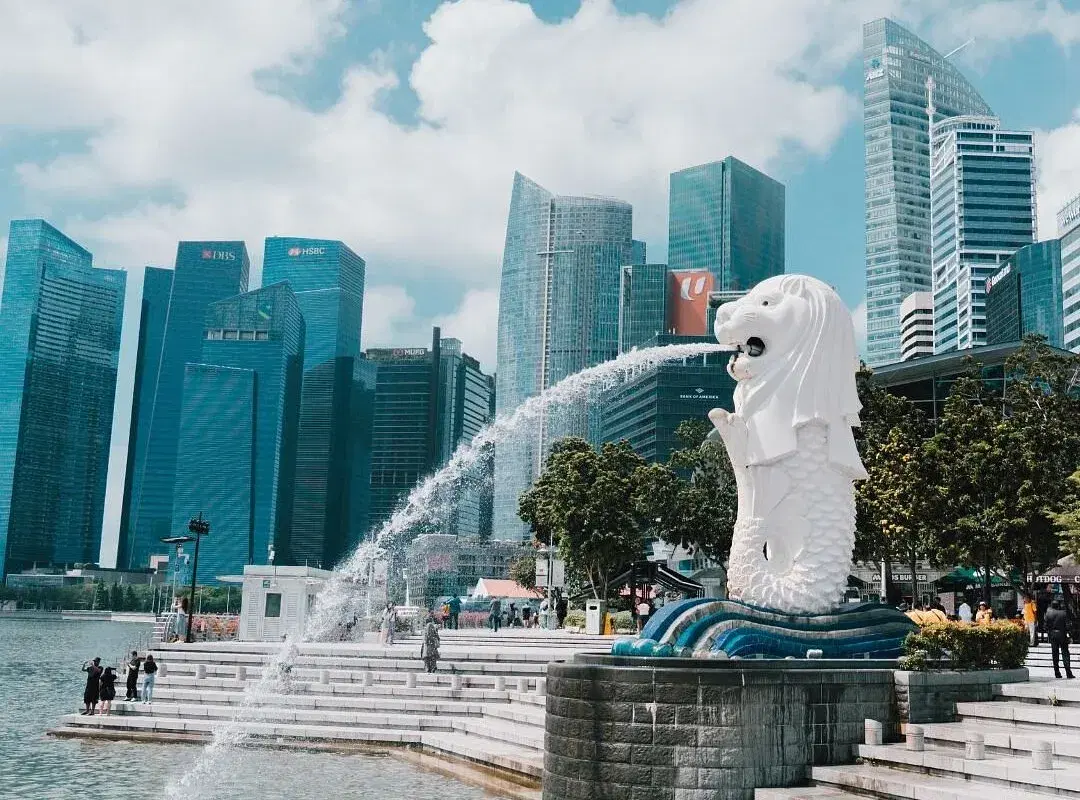
The Best of Singapore theme suits first-timers who want the central sights, a day at Mandai and a taste of the cultural districts in one well-paced trip. It covers the highlights without leaving gaps that feel like missed opportunities.
The City Explorer theme suits repeat visitors and slower travellers who prefer spending time in neighbourhoods, trying food across different areas and visiting the Botanic Gardens over a full sightseeing checklist. The pace is lower and the focus is on the city's character rather than its landmarks.
Both styles start from Rs. 55,000 per person on a land-only, twin-sharing basis. Final pricing depends on travel dates, hotel tier and the number of nights added, so confirm at booking.
City Travel Tips for Singapore
- Safety and scams: Singapore is low-crime, but watch for taxi touts at the airport and buy SIM cards or attraction tickets from official counters only. Unofficial sellers near popular sights are uncommon but do appear.
- Dress codes: Cover shoulders and knees at religious sites including temples, mosques and churches. Smart-casual is expected at upmarket restaurants and bars on Orchard Road.
- Tipping: Not expected and not the norm. Many restaurants add a service charge to the bill, so check before leaving anything extra. Hawker stalls do not expect tips.
- Book ahead to skip queues: Buy tickets for Mandai wildlife parks, Night Safari and popular attractions online before you travel, especially on weekends and Singapore school holidays. Walk-up queues can be long.
- Rest breaks: The humidity is constant, so plan a midday break indoors. Carry water and use air-conditioned MRT stations and shopping malls to cool down between sights.
- Money and entry rules: Cards are accepted at almost all shops, restaurants and attractions, but keep some cash for hawker stalls, which may not take cards. Check current entry requirements and any currency guidance on the official Singapore government source before you travel.
To see this turned into a complete trip, have a look at the Singapore holiday packages.
Personalise your trip
Shape Singapore around the way you travel.
Choose a travel style as your starting point. We'll refine the pace, stays, experiences, and budget until the journey feels entirely yours.
Not sure which fits? Use our trip builder — it takes under two minutes.
Got questions?
The questions travellers ask about Singapore.
Straight answers on visas, pricing, best time to visit, and how our packages work for Indian travellers.
8 answered below
Social proof
What Tripstor travellers say
Feedback from Indian holidaymakers who travelled with Tripstor.
4.8
from 432+ reviews
FriendsThree friends and I did a 9-night Australia package with stops in Melbourne and Sydney. We spent an afternoon at the Melbourne Cricket Ground and caught a local match. Tripstor sorted our group visa applications together which saved a lot of back and forth. Good experience overall.
FamilyBooked a family package for 7 nights covering Port Blair, Havelock, and Neil. The Cellular Jail light and sound show on Day 1 set a good tone for the trip. Kids were engaged throughout and the itinerary was not too rushed.
HoneymoonHoneymooned in Kashmir for 7 nights in May. Gulmarg had light snow still and we got a gondola ride on Day 4. The tulip garden in Srinagar was in full bloom. Tripstor arranged a candlelit dinner on the houseboat which was a nice touch.