
Netherlands at a Glance
The Netherlands is a western European country centred on the Randstad, a ring of cities that includes Amsterdam, Haarlem, Leiden, The Hague, Delft, Rotterdam and Utrecht. An efficient rail network connects them, making this one of the easiest European destinations to move around without a car. The gateway is Amsterdam Schiphol Airport (AMS), and a first trip typically runs 5–9 nights.
| Detail | What to know |
|---|---|
| Region | Western Europe |
| Gateway airport | Amsterdam Schiphol (AMS) |
| Ideal trip length | 5–9 nights |
| Best season | May–June (mild, long days, everything open) |
| Shoulder season | September–October (fewer crowds, medium prices) |
| Budget window | November–February (cold, quiet, lower prices) |
| Main areas | Randstad cities, Northern Netherlands, Maastricht and the south, Wadden Islands |
| Language | Dutch; English widely used in tourist settings |
| Power | 230 V, Type C and F sockets |
Why Travellers Choose the Netherlands
Three things consistently draw Indian travellers to this destination: the depth of its museums, the ease of getting around, and a landscape that looks unlike anywhere else in Europe.
- Museums and historic cities with real depth. The Rijksmuseum holds Rembrandt's The Night Watch. The Van Gogh Museum has the world's largest collection of his works. The Anne Frank House tells one of the most significant stories of the twentieth century. These are not quick tick-boxes; each takes half a day and stays with you.
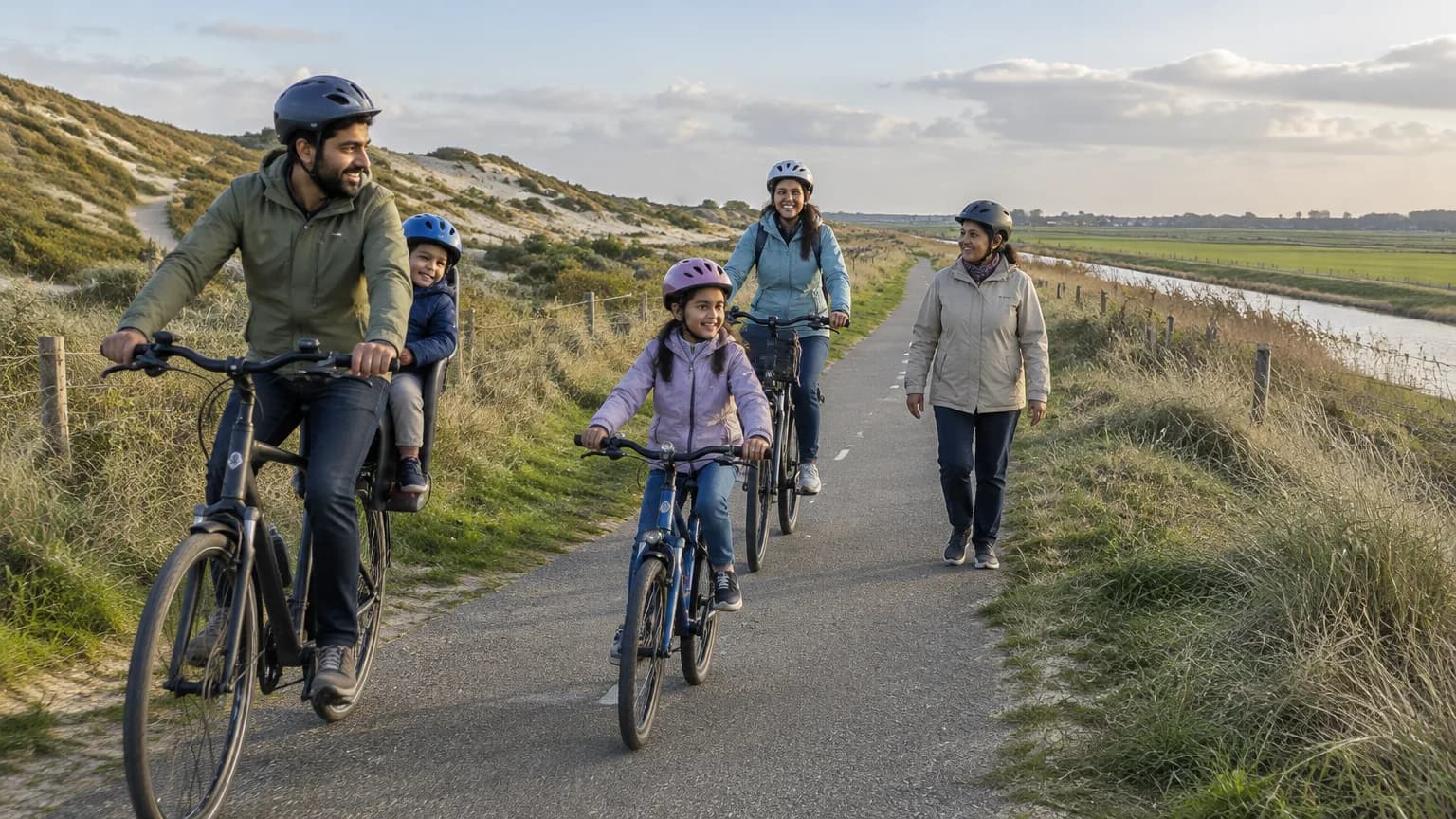
- Cycling and water landscapes. National parks such as De Hoge Veluwe and Hollandse Duinen have marked cycling routes through forest, heathland and dunes. In Giethoorn, a car-free village in Overijssel, you move by boat and footpath. The windmill landscapes at Kinderdijk and Zaanse Schans are genuinely unlike anything in South or Southeast Asia.
- Ease on the ground for Indian travellers. Cities sit 30–60 minutes apart by train. Cards are accepted almost everywhere. English works in stations, museums and most shops. For families or first-time European travellers, this is a low-friction introduction to the continent.
Top Places and Areas to Visit
These are the places most first-time Netherlands itineraries include, each with a practical note on what to expect and how to approach it.
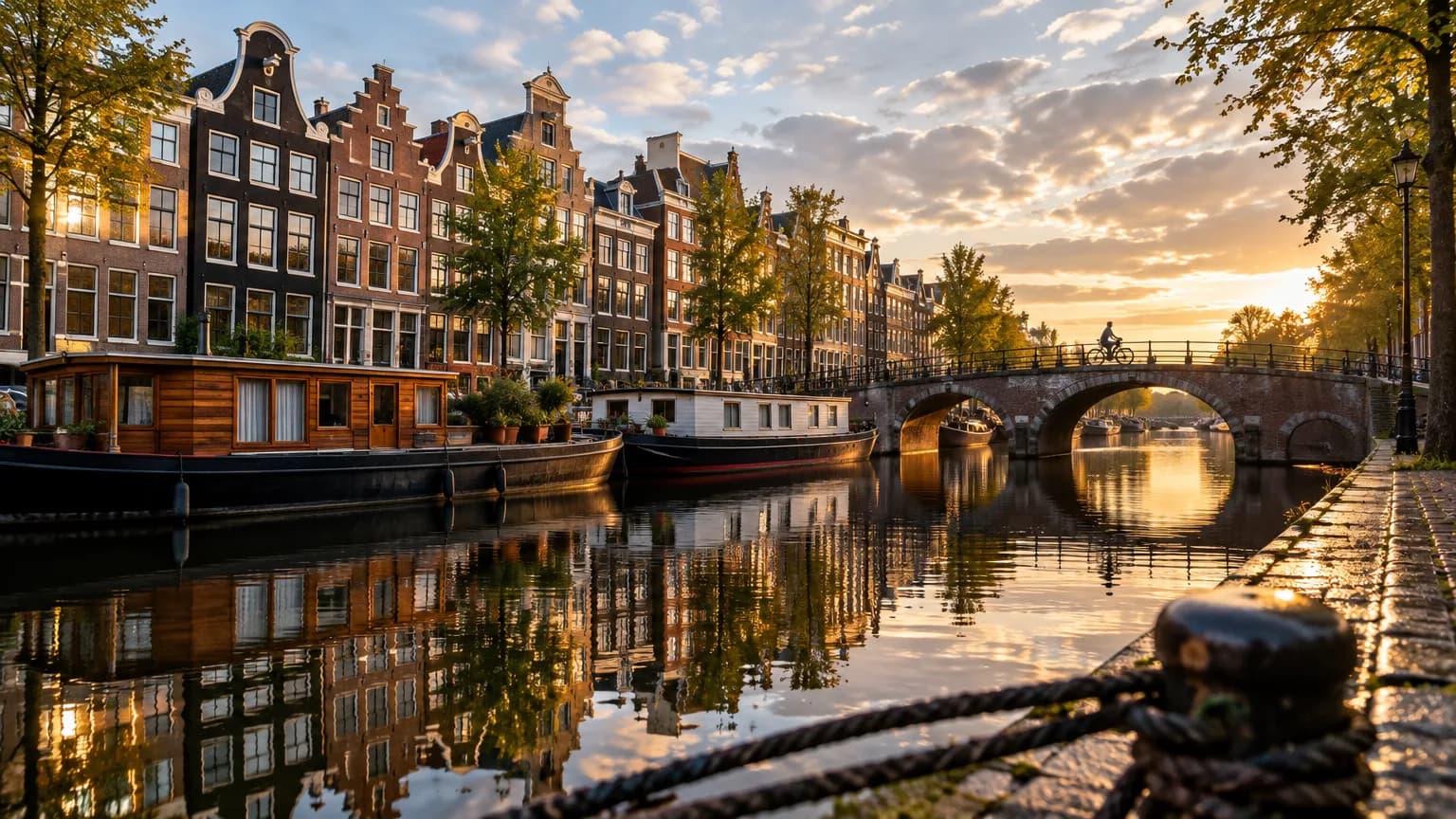
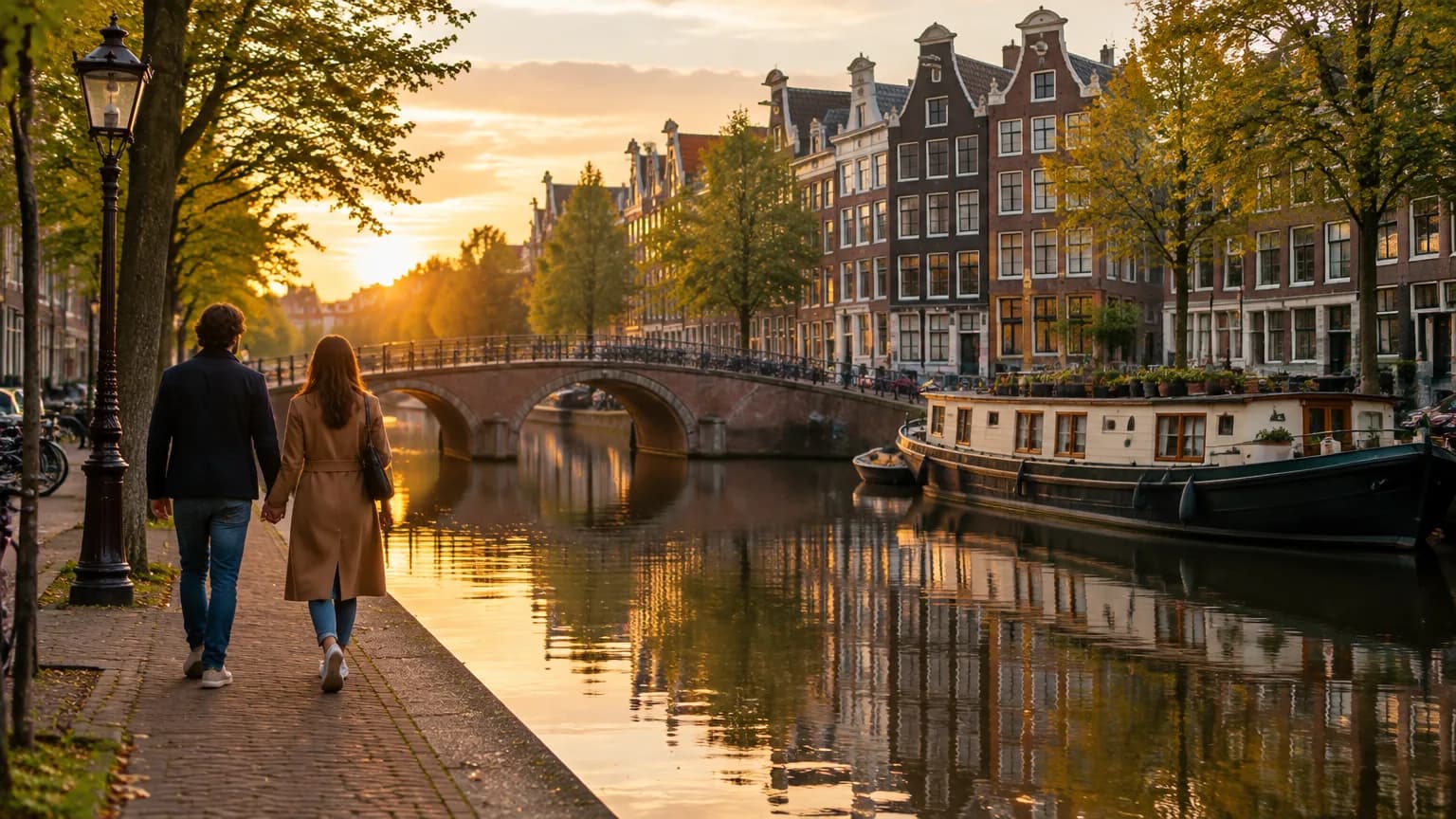
- Amsterdam. The UNESCO-listed Canal Ring has gabled merchant houses, houseboats and humpbacked bridges. Book the Anne Frank House well in advance — walk-ins are not available. Keep one evening free for a canal cruise when the bridges are lit.
- Giethoorn. A car-free canal village with more than 170 wooden bridges and thatched farmhouses. Go early morning or late afternoon; the village is small and fills up quickly on weekends.
- Kinderdijk. Nineteen working eighteenth-century windmills along polder canals, near Rotterdam. It is a UNESCO World Heritage Site and works well as a half-day stop from Rotterdam.
- Zaanse Schans. An open-air windmill village near Amsterdam with traditional buildings, a clog workshop and cheese tasting. Village access is free, which makes it a good option on a budget day.
- Rotterdam. Rebuilt after the Second World War, the city is known for modern architecture, food and design, and the Markthal. It is a deliberate contrast to the older Dutch towns and worth two nights.
- Utrecht. Canals with two-level wharf cellars, a historic centre and the Dom Tower to climb. Fewer crowds than Amsterdam, well connected by rail, and a good base for the middle of a route.
- The Hague. An international city with cultural attractions and easy access to the coast. Quieter than Amsterdam and useful as an alternative base for couples or older travellers.
- Haarlem. A compact historic city close to Amsterdam, often included in multi-city routes. It pairs well with a Rotterdam leg and suits travellers who want a smaller-town feel.
- Keukenhof, Lisse. The spring gardens open in April and May only, with tulip and flower displays across a large landscaped site. Plan your travel dates around the opening window, not the other way around.
- De Hoge Veluwe and Hollandse Duinen. Two national parks for cycling, walking and wildlife. De Hoge Veluwe has red deer, wild boar, roe deer and mouflon sheep across forests, heathlands and sand drifts. Hollandse Duinen covers beaches, dunes and the Sand Motor coastal area, where wading birds and seals can be spotted.
Best Time to Go
May and June give the best overall balance: mild temperatures of 8–20 °C, long daylight hours and all attractions open. This is the sweet spot for a Netherlands holiday, especially for first-timers.
April is tulip season and draws large crowds to Keukenhof and Amsterdam. Temperatures sit at 5–14 °C and prices are high. It is worth it if spring flowers are the main reason for the trip, but book accommodation early. March is a cooler, quieter shoulder month with lower prices and fewer queues.
July and August are the warmest months at 13–22 °C, but also the wettest and most expensive. Summer music festivals and school holidays push up accommodation rates. September and early October offer a useful middle ground: medium crowds, medium prices and cultural events such as Open Monumentendag and the Amsterdam Dance Event.
November to February is the cheapest and quietest window. Temperatures drop to 0–7 °C, days are short and grey, and rain is constant — no month in the Netherlands averages fewer than 13 rainy days. The Amsterdam Light Festival runs through winter and gives December a reason to visit if you can handle the cold.