Curated starting points
Find a Mauritius journey that feels like yours.
Begin with a thoughtfully paced itinerary, then change the stays, experiences, route, and budget with a Tripstor specialist.
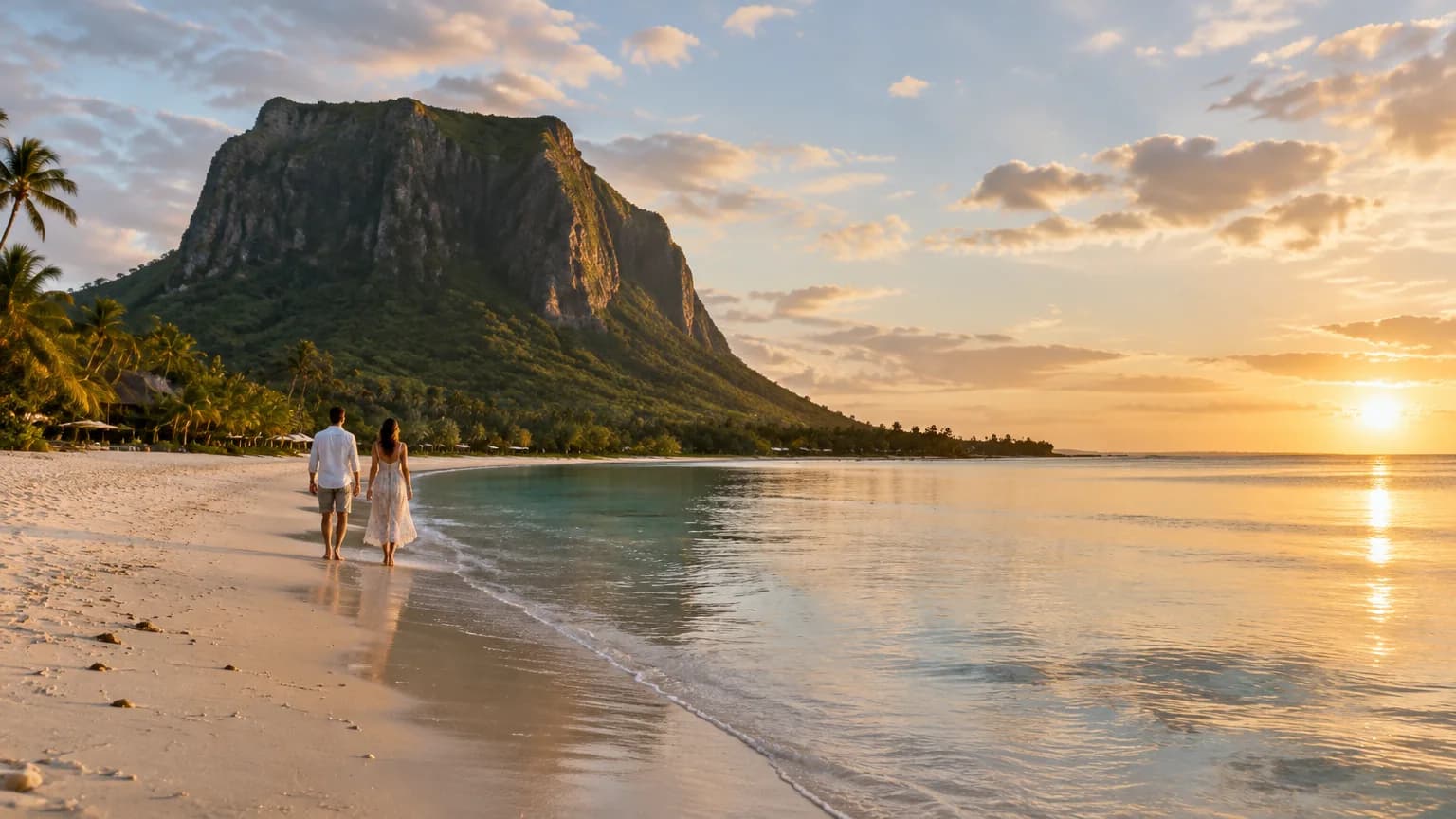
Mauritius · Flexible itinerary
Mauritius Le Morne & Île aux Cerfs Honeymoon 5N 6D
Starting from
₹66,000/ person

Mauritius · Flexible itinerary
Mauritius Casela & Grand Bassin Family Holiday 6N 7D
Starting from
₹69,000/ person
Destination guide
Know Mauritius before you go.
Practical context, local highlights, and honest planning advice — written for travellers from India.
Field notes
A considered guide to Mauritius
Mauritius Snapshot: Coast, Season and Trip Length
Mauritius is a volcanic island in the south-west Indian Ocean with a central plateau, sheltered lagoons and fringing coral reefs along most of its coastline. The single international gateway is Sir Seewoosagur Ramgoolam International Airport (MRU), and most Indian travellers connect through it regardless of which coast they plan to base on.
The cool dry winter from May to October is the best season for a beach-focused trip. June and September are quieter and less expensive than July and August, which draw peak crowds and carry peak prices. The warm wet summer from November to April is hotter and more humid, with a cyclone season that officially runs from 1 November to 15 May and peaks between late December and mid-April.
A 5–7 night trip is the standard length. That gives you enough time for two coastal bases, at least one full day on the water and a half-day inland without feeling rushed. A three-night stay is workable only if you pick one coast and stay put throughout.
Beaches and Stretches of Coast: Which Suits Whom
The coast you choose shapes the entire trip — the pace, the price band and the activities available. Six areas cover most traveller types.
- Grand Baie (north coast) – The liveliest base on the island, with nightlife, shopping, dining and water-sports all within easy reach. Crowds peak in July, August and over Christmas. Base here if you want restaurants and activity operators within walking distance.
- Trou aux Biches (northwest) – Quieter and more upscale than Grand Baie, roughly 15 minutes up the coast. A good fit for couples who want a slower pace but still want the north's convenience nearby.
- Flic-en-Flac (west coast) – The family favourite, with mid-range beach accommodation and straightforward access to Port Louis. The west coast stays relatively sheltered in winter, which makes it one of the more reliable swimming spots during the dry season.
- Belle Mare (east coast) – A long, quiet beach with resort-style accommodation and low to moderate crowds. The east coast catches the trade winds, so expect breezier afternoons, especially between June and August.
- Le Morne (southwest) – A dramatic peninsula with upscale and luxury resorts, known for sunsets and kitesurfing. Crowds are low. The Le Morne mountain is part of many sightseeing circuits and the area is one of the island's most visually striking stretches.
- Mahébourg (southeast) – A budget-friendly coastal town close to Blue Bay Marine Park and Pointe d'Esny. Guesthouses and small hotels keep costs down, and the marine park is a short ride away.
Sea Conditions and Water Activities by Season
Swimming is generally safe year-round at patrolled beaches, but the sea state shifts significantly between seasons and you should always follow local safety flags and lifeguard advice. The warm wet summer from November to April brings warmer, clearer water that suits diving and snorkelling, but cyclone-related weather can make conditions rough with little warning, particularly from January to March.
The cool dry winter from May to October is the kitesurfing season. Steady trade winds make Le Morne and Tamarin popular with kitesurfers and windsurfers during these months. The water is cooler but still swimmable, and the west coast remains sheltered even when trade winds pick up on the exposed east and north.
Boat-based activities — catamaran trips, island excursions to Ile aux Cerfs, snorkelling tours at Blue Bay — operate year-round on calm days but can be cancelled at short notice when the sea is rough. During the cyclone season, build flexibility into any itinerary that depends on small-boat transfers. Strong ocean currents and rip currents occur at some beaches, and sharp coral is a hazard in the lagoons; swim within flagged zones and wear reef shoes where the seabed is uneven.
Best Months for the Beach
May to October is the most reliable window for a Mauritius beach holiday, with dry conditions, manageable temperatures and lower cyclone risk across the whole period.
| Period | Conditions | Crowds and Prices | Best For |
|---|---|---|---|
| June and September | Dry, cooler (18–24 °C in June) | Low crowds, medium prices | Value-focused travellers, quiet-seekers |
| July and August | Dry, warm | Peak crowds, peak prices | Families on school holidays; book early |
| October | Warming up, low rain | Medium crowds, medium prices | Shoulder-season travellers |
| November and April | Transitional, rain increasing or easing | Medium crowds, medium prices | Flexible travellers who monitor forecasts |
| December and January | Hot, heavy rain, cyclone risk | Peak crowds (Christmas/New Year), peak prices | Travellers with fixed holiday dates only |
| February and March | Heavy rain, highest cyclone frequency | Low crowds, low prices | Budget travellers with very flexible plans |
If you travel between February and March, keep your water-activity days flexible and check the local forecast each morning. Boat trips and catamaran sails are the first things to be cancelled when a cyclone warning is issued.
Where to Base Yourself on the Coast
Your base decides the pace, the price band and the type of accommodation available. The north around Grand Baie and Trou aux Biches covers mid-range to upscale stays — resorts, boutique guesthouses and self-catering apartments — and suits couples and groups who want activity and dining options close by.
The west coast around Flic-en-Flac is the most practical family base, with mid-range resorts and a straightforward road connection to Port Louis. Further south, Le Morne is the luxury tier, with large resort properties on a quieter peninsula. The east coast at Belle Mare sits in the upscale bracket, with resort accommodation on a long, calm beach.
Mahébourg in the southeast is the budget option. Guesthouses and small hotels keep nightly costs low, and the town sits close to Blue Bay Marine Park and the ferry point for coastal day trips. Confirm the exact accommodation category and inclusions at booking, as the range within each area is wide.
Getting There and Getting Around the Coast
Indian travellers fly into Sir Seewoosagur Ramgoolam International Airport (MRU). Some Indian cities have direct connections; others route through a regional hub. Check current schedules and connection options at booking, as routes change. Before you travel, verify entry requirements — including any documentation or health rules — on the official government source, as these can change without notice.
On the island, taxis are the most flexible way to move between coastal areas. Agree the fare before you get in — this is standard practice and the research confirms it. Public buses connect Port Louis with Grand Baie and are a cost-effective option for the north coast. The Metro Express links Port Louis with Curepipe on the central plateau, which is useful for a city day or for connecting to inland attractions. Ferries depart from Trou d'Eau Douce public beach to the Ile aux Cerfs sand bar.
Renting a car or scooter is possible if you are comfortable driving on the left. Check the rental company's insurance terms and licence requirements before committing. For small-boat snorkelling trips, book with a local operator and confirm the cancellation policy in advance, particularly during the cyclone season from November to May.
A Coast Route That Works
A 6-night route across two bases covers the island's main coastal characters without excessive transfers. Start with 3 nights in the north — Grand Baie or Trou aux Biches — for easy access to water-sports, restaurants and the airport on arrival. This stretch is the most convenient first base for Indian travellers landing at MRU.
Then transfer to the west or southwest for the remaining 3 nights, based around Flic-en-Flac or Le Morne. The road transfer takes roughly an hour to 90 minutes. From this base you can reach Black River Gorges National Park, the Chamarel Seven Coloured Earth and Chamarel Waterfall, and the Le Morne peninsula. A day trip to Port Louis by taxi or bus is straightforward from the west coast.
With 7 nights, add 2 nights on the east coast at Belle Mare as a third base. The cross-island transfer is around 1.5 to 2 hours by road. This adds Ile aux Cerfs and Blue Bay Marine Park to the route without long day trips. Keep the sequence flexible in the wet season — boat transfers and outdoor excursions may need to shift around the forecast.
Is Mauritius the Right Beach Trip for You?
Mauritius suits honeymooners, families, water-sports fans and quiet-seekers who want a mix of beach time, easy inland sightseeing and reliable resort infrastructure. The island has enough variety across its coasts to work for most travel styles, provided you pick the right base and the right season.
It is less suited to travellers who want a very short beach-only break with no inland time — the island's wider attractions need at least a couple of days to feel worthwhile. It is also a poor fit for anyone with fixed January-to-March travel dates who needs guaranteed calm seas and uninterrupted boat trips, since this is the peak cyclone period.
Solo travellers and budget-conscious groups can make it work using Mahébourg, public beaches and the Metro Express, though the island is not primarily a backpacker destination. The infrastructure leans toward resort and mid-range stays.
Ways to Travel to Mauritius
Tripstor offers several trip styles for this destination, starting from Rs. 50,000 per person (land only, twin sharing). The right style depends on your group size, pace and priorities.
- Beach and Leisure – For travellers who want a single resort base, lagoon time and minimal moving around. Suits couples and families who prefer a relaxed pace.
- Honeymoon – For couples who want quieter coasts, sunrise yoga and catamaran time. Works best on the southwest or northwest coast.
- Family – For parents travelling with children, with easy water activities, short transfers and mid-range resorts. Suits school-holiday dates on the west coast.
- Adventure – For hikers and water-sports fans who want national-park trails, mountain hiking and kitesurfing. Best paired with a dry-season trip.
- Luxury – For travellers who want upscale resort stays and private excursions. Le Morne and Belle Mare are the natural bases.
- Budget – For travellers using guesthouses, public beaches and the Metro Express. Mahébourg is the natural base for this style.
- Cultural and Heritage – For travellers interested in Port Louis Central Market, the Dodo Museum, Caudan Waterfront and Mauritian food. Suits slow travellers who want a city day or two alongside beach time.
- Wellness and Relaxation – For travellers who want sunrise yoga, spa time and a quiet coast. Suits solo and couple travellers on the east or southwest coast.
Five Beach-Trip Tips That Save the Day
- Sun and sea safety – Use reef-safe sunscreen, swim only at patrolled beaches and follow the safety flags. Strong currents and rip currents occur at some beaches, and sharp coral is a real hazard in the lagoons. Wear reef shoes where the seabed is uneven.
- Local dress and etiquette – Beachwear is fine at resorts and on the beach, but cover up when visiting Port Louis markets, Chamarel, religious sites and inland towns. Ask before photographing people, particularly at religious events like Maha Shivaratri.
- What to carry – Pack a light rain jacket even in the dry season, mosquito repellent for evenings, a reusable water bottle and a Type G plug adapter (230 V, 50 Hz). Types C and D are also reported at some properties, so carry a universal adapter to be safe.
- Book early for peak weeks – Christmas, New Year and the July–August school holidays fill up fast across all coastal areas. Reserve accommodation and catamaran trips well in advance for these periods.
- Money and entry rules – Check current entry requirements on the official government source before booking. As of 2026, UPI and RuPay have limited merchant acceptance on the island, so carry a backup international card and some local currency for taxis, markets and smaller operators.
Browse the Mauritius holiday packages to see how these choices turn into a bookable trip.
Personalise your trip
Shape Mauritius around the way you travel.
Choose a travel style as your starting point. We'll refine the pace, stays, experiences, and budget until the journey feels entirely yours.
Not sure which fits? Use our trip builder — it takes under two minutes.
Got questions?
The questions travellers ask about Mauritius.
Straight answers on visas, pricing, best time to visit, and how our packages work for Indian travellers.
8 answered below
Social proof
What Tripstor travellers say
Feedback from Indian holidaymakers who travelled with Tripstor.
4.8
from 432+ reviews
HoneymoonHoneymooned in Kashmir for 7 nights in May. Gulmarg had light snow still and we got a gondola ride on Day 4. The tulip garden in Srinagar was in full bloom. Tripstor arranged a candlelit dinner on the houseboat which was a nice touch.
FriendsThree friends and I did a 9-night Australia package with stops in Melbourne and Sydney. We spent an afternoon at the Melbourne Cricket Ground and caught a local match. Tripstor sorted our group visa applications together which saved a lot of back and forth. Good experience overall.
FamilyTravelled with my parents who are in their late 50s. Tripstor recommended two full acclimatization days in Leh before any high-altitude drives and that made a real difference. Tso Moriri was quieter than Pangong and honestly more worth the drive.
Travel guides
Read deeper into Mauritius.
Useful local context, seasonal advice, and practical planning notes for a more considered journey.