
Curated starting points
Find a Hungary journey that feels like yours.
Begin with a thoughtfully paced itinerary, then change the stays, experiences, route, and budget with a Tripstor specialist.

Hungary · Flexible itinerary
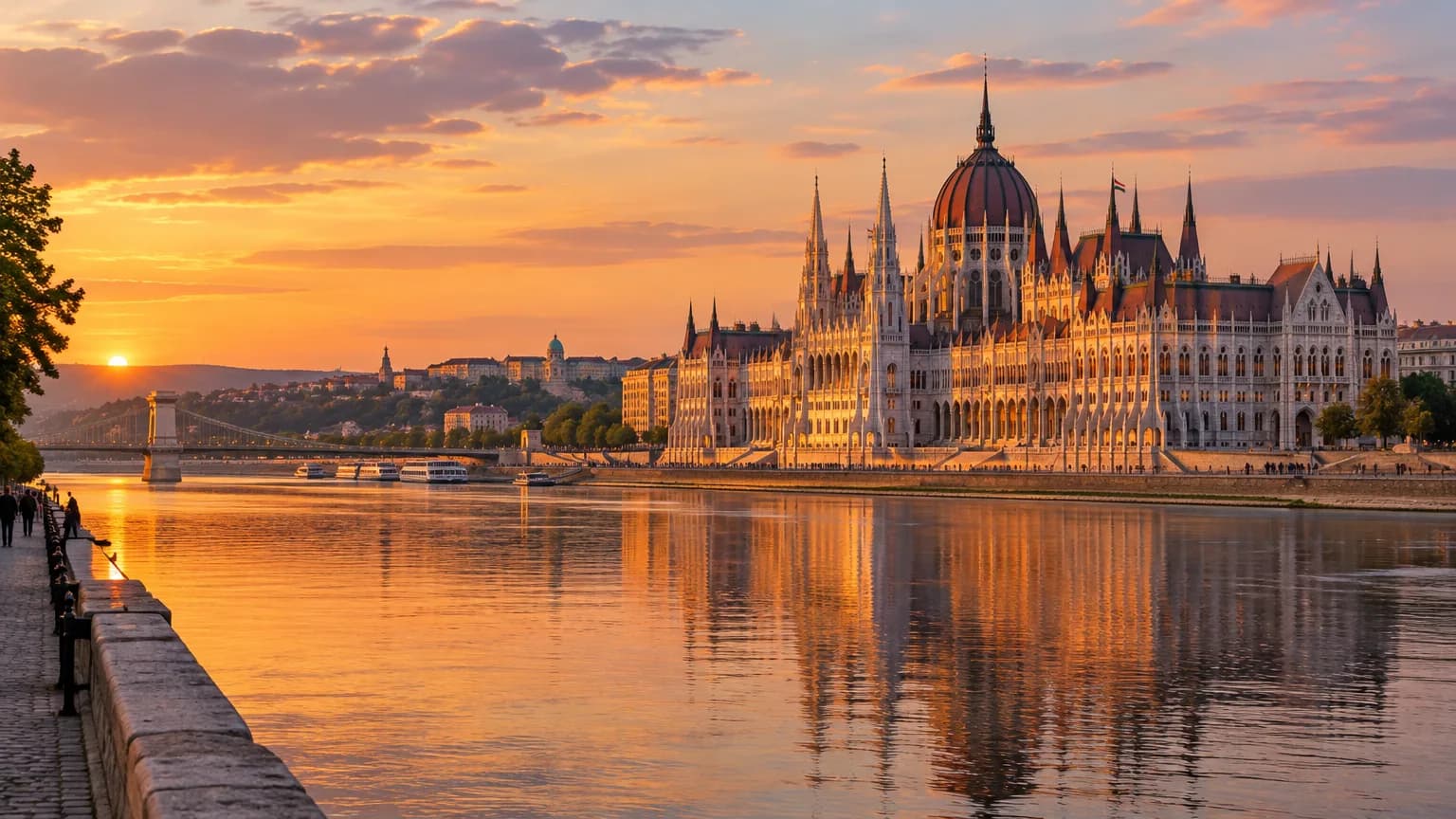
Hungary Balaton Uplands Family Holiday 5N 6D
Starting from
₹69,500/ person
Hungary · Flexible itinerary
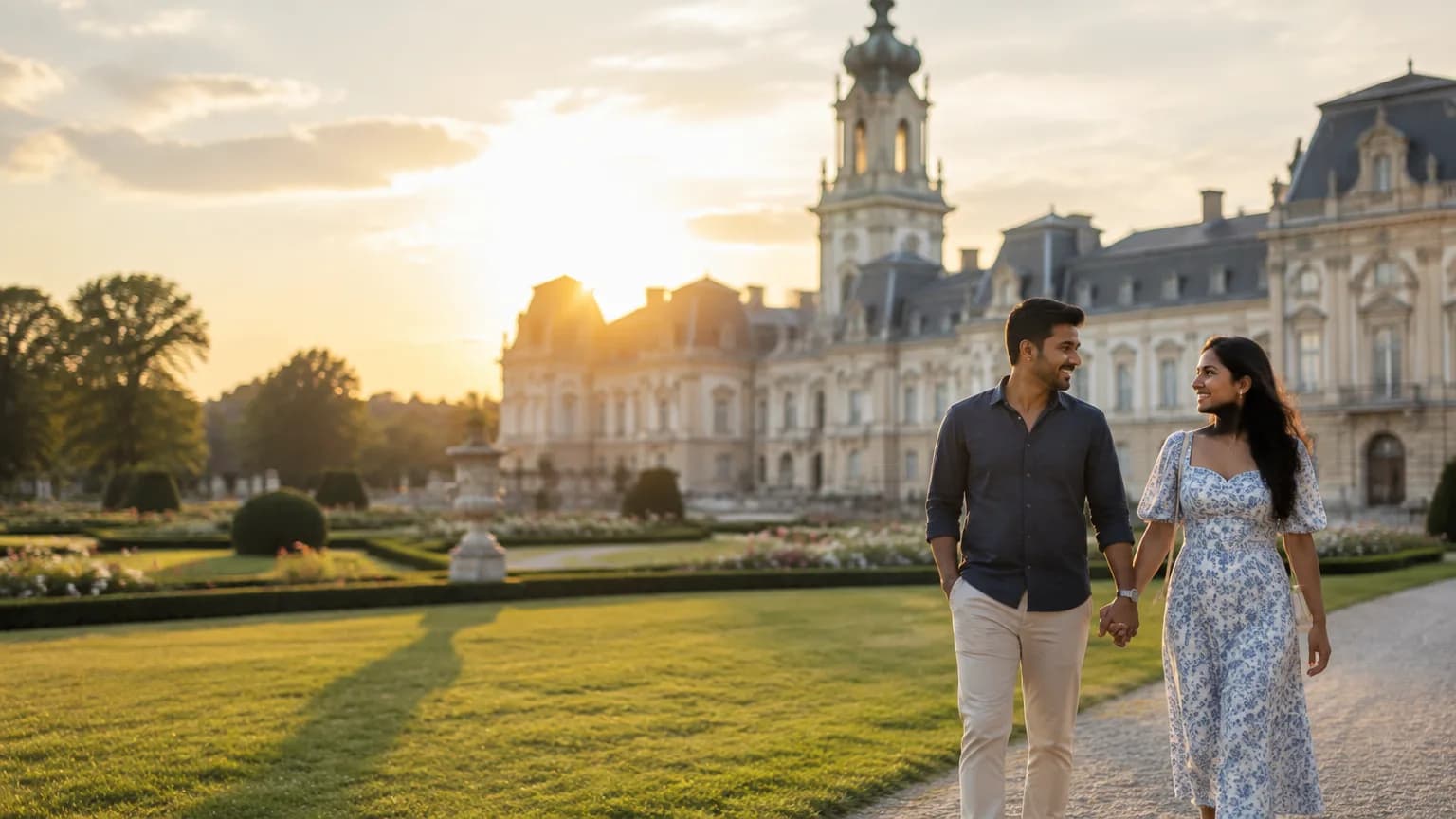
Hungary Festetics Palace Honeymoon 6N 7D
Starting from
₹86,000/ person
Destination guide
Know Hungary before you go.
Practical context, local highlights, and honest planning advice — written for travellers from India.
Field notes
A considered guide to Hungary
Hungary at a Glance
Hungary is a landlocked Central European country where a first trip typically combines Budapest with one regional area such as Lake Balaton, Eger or the Danube Bend. The Danube divides the country, with Transdanubia to the west and the Great Plain to the east.
This is a city-and-region holiday, not a beach break. The best season runs April to June and September to October, when daytime temperatures sit between roughly 12 and 26 degrees Celsius and crowds stay manageable. July and August are warm but busy, with afternoon thunderstorms common from May through August.
| Detail | What to Know |
|---|---|
| Region | Central Europe |
| Trip type | City, culture, thermal wellness, lake |
| Ideal trip length | 5–7 nights |
| Best season | April–June and September–October |
| Gateway airport | Budapest Ferenc Liszt International Airport (BUD) |
| Main base | Budapest |
| Emergency number | 112 (EU-wide); ambulance 104; fire 105; police 107 |
Why Travellers Choose Hungary
Three things consistently draw Indian travellers to this destination: a walkable historic capital, a genuine thermal bathing culture and short travel distances between very different regions.
- Thermal baths and wellness. Budapest is built around its baths, and the Lake Balaton region adds Hévíz, Europe's largest medicinal lake used for bathing and wellness. For travellers who want a restorative break rather than a packed sightseeing schedule, this is a real draw.
- Architecture and history in one compact city. Budapest packs UNESCO-listed districts, the Castle District and the Jewish Quarter into a tram-connected centre. You cover a lot of ground without long transfers or hired coaches.
- Easy regional add-ons. Lake Balaton is roughly a two-hour drive from Budapest. Eger is a two-hour rail journey and Pécs is a three-hour rail journey. That makes a two-base itinerary realistic within a single week, which suits Indian travellers who want variety without the exhaustion of a multi-country coach tour.
Top Places and Areas in Hungary
Budapest and Lake Balaton carry most first itineraries, with Eger, Pécs and Tokaj as add-ons for longer trips. These are the Hungary places to visit that appear most often in well-planned itineraries.
- Budapest. The capital and the natural first base, with the Castle District, Jewish Quarter, thermal baths and UNESCO-listed sites. Use the BKK metro, tram and bus network with a single interchangeable ticket rather than taxis for short hops across the city.
- Lake Balaton. Central Europe's largest freshwater lake, with lakeside resorts, swimming, boat trips and wine areas. The northern and southern shores feel quite different in character, so pick one shore for a short stay rather than trying to circle the whole lake.
- Tihany Peninsula. Home to the Benedictine Abbey of Tihany, a religious and historical site on the lake's northern side. Combine the abbey with the peninsula's walking paths in a half-day visit.
- Hévíz. A wellness town built around Europe's largest medicinal lake, suited to slower itineraries and elder travellers. The bathing experience here is different from a city bath — the lake is open-air and naturally warm.
- Keszthely. A lake town with Festetics Palace, one of the region's main cultural attractions. Pair the palace with the lakefront rather than treating it as a quick stop.
- Tapolca. Known for the Tapolca Lake Cave, where visitors row on an underground lake. Capacity is limited, so book a slot in advance during summer months.
- Balaton Uplands National Park. Volcanic hills with walking routes and landmarks reachable by bicycle and horseback. Hegyestű, also called Needle Hill, is the geological viewpoint worth aiming for.
- Danube Bend. The area north of Budapest covering Szentendre, Visegrád and Esztergom, suited to day trips. It works as a single day out from Budapest without changing hotels.
- Eger. A northeastern city known for Baroque architecture, thermal baths and wine culture. The two-hour rail journey from Budapest makes it a comfortable one- or two-night stop.
- Pécs. A southern city with early-Christian and Ottoman heritage. At three hours by rail from Budapest, give it at least one full night to do it justice.
Tokaj, in the northeast, is a wine region that fits longer Hungary itineraries rather than a standard first week.
Best Time to Go to Hungary
April to June and September to October are the best months for a Hungary holiday, offering mild temperatures and moderate crowds before and after the peak summer rush.
May and June are the greenest months but also the wettest, with rainfall reaching 56 to 69 mm. July and August push temperatures to around 28 degrees Celsius, but Budapest gets crowded in midsummer, prices are at their highest and afternoon thunderstorms are common. If you travel in peak summer, plan indoor activities or a bath session for the late afternoon.
October is a strong shoulder month, still holding 7 to 16 degrees Celsius with medium crowds and medium prices. November drops to 3 to 9 degrees Celsius with low crowds and low prices — good for baths and museums, less good for lake activities. Winter from December to February is cold, often below freezing, and comparatively drier, with snow or sleet possible. Christmas markets and New Year's Eve concerts in Budapest make December a draw for some travellers, but note closures on December 24 to 26.
Keep the public holiday calendar in mind: closures occur on October 23 for Republic Day, November 1 for All Saints' Day and December 24 to 26 for Christmas and Boxing Day.
How to Reach Hungary from India
Budapest Ferenc Liszt International Airport (BUD) is the entry point for almost every Hungary trip from India. Indian travellers typically connect through a European or Gulf hub, so build a transit stop into your schedule and check current flight options when booking — no direct services are confirmed in the available information.
From the airport, central Budapest is the standard first transfer and most travellers head straight to their city base on arrival day. If your itinerary includes Lake Balaton as a second stop, note that it is roughly a two-hour drive from Budapest, making it a sensible second base rather than a long day trip.
Within Hungary, trains connect Budapest with Eger in about two hours and with Pécs in about three hours. Booking ahead through the national rail website (MAV) may bring discounts of around 10 to 20 percent on listed fares (as of February 2026). For city travel, BKK tickets and passes cover the metro, tram, bus, trolleybus and cogwheel railway within Budapest's stated city limits.
Entry requirements for Indian passport holders can change, so check the current rules on the official government source before booking flights. Visa specifics are covered in a separate guide and are not repeated here.
Where to Base Yourself
Budapest is the right base for a first Hungary trip, with Lake Balaton, Eger or Tokaj as a second base depending on your interests and trip length.
- Budapest. The main urban base, with access to the Castle District, Jewish Quarter and thermal baths. It works for couples, families and budget-conscious travellers alike. A central location is more useful than a quiet suburban one given the city's transport network.
- Lake Balaton. A lake area with lakefront walks, swimming and seasonal boat rides, best for families and couples in summer. Resort-style stays and self-catering apartments are the common formats here.
- Eger. A historic, walkable town tied to wine and castle visits, suited to couples and families who want a smaller base for a night or two.
- Tokaj. A wine-focused region for couples, usually added on longer itineraries rather than a standard first week.
Across all four areas, the budget tier shapes the stay format more than the location: guesthouses and simple city hotels at the lower end, mid-range properties in the middle, and spa or heritage-style stays at the upper end. Nightly rates move with the season, so confirm at booking.
A Route Worth Following
A sensible first route uses two bases over six nights: four nights in Budapest, then two nights at Lake Balaton. The order works because Budapest is both your arrival and departure point, and the lake gives you a quieter finish before flying home.
Four nights in Budapest is enough for the Castle District, an evening in the Jewish Quarter, a thermal bath session and a Danube Bend day trip to Szentendre, Visegrád or Esztergom — all without changing hotels.
Two nights at Lake Balaton lets you base on one shore, visit Tihany Abbey, add Festetics Palace in Keszthely or the Tapolca Lake Cave, and still keep one afternoon free for the lake itself. The two-hour drive back to Budapest is easy on departure day.
With seven nights, add a night in Eger between Budapest and the lake, or extend Budapest to five nights and use the extra day for a Pécs rail trip. One important planning note: avoid trying to cover Budapest, Lake Balaton, Eger, Tokaj, Pécs and Hortobágy in a single week. That combination involves more than five hours of driving on some days and leaves little time to actually experience any one place.
Is Hungary Right for You?
Hungary suits travellers who want historic cities, thermal baths, architecture and regional culture in a compact week. It is a strong fit for couples, families with children who enjoy boats, caves and adventure parks, and elder travellers who prefer gentle wellness days over long transfers.
Families specifically get a lot from Lake Balaton: boat trips, the Tapolca Lake Cave rowing experience, and adventure parks at Zamárdi and Zánka with rope courses at different difficulty levels. Elder travellers tend to gravitate towards Hévíz and the thermal wellness circuit. Solo travellers do well here too, with walking in the Balaton Uplands and a 204-kilometre cycling route around the lake as easy ways to structure independent days.
This destination is less suited to anyone expecting a beach holiday or a fast multi-country coach tour. The lake is for swimming and boating, not seaside resort life, and the country rewards a slower pace. If your group wants to cover Budapest, Lake Balaton, Eger, Tokaj, Pécs and Hortobágy all in one week, that plan does not work well in practice — choose two bases and go deeper instead.
Practical Tips for Hungary Trip Planning
Five specific points cover most of what first-timers ask when planning a Hungary holiday from India.
- Pack layers and a compact rain shell. Spring and summer bring sudden showers and afternoon thunderstorms from May to August. Winter needs proper insulation — gloves and a hat are not optional in December and January.
- Learn a few courtesy words in Hungarian. English is used in tourist settings across Budapest and the main lake towns, but a greeting and a thank you in Hungarian go a long way in smaller towns and rural areas.
- Save the emergency numbers offline. Dial 112 for EU-wide emergencies, 104 for ambulance, 105 for fire and 107 for police. Keep your accommodation address saved in an offline note in case you lose signal.
- Handle money practically. The local currency is the Hungarian forint. Cards are accepted widely in cities, but carry a small cash backup for markets, smaller towns and rural transport. Check current exchange rates and prices rather than relying on older figures.
- Sort connectivity before departure. Pick up a local SIM or eSIM on arrival at Budapest airport, or activate an India roaming pack before you fly. Download offline maps for the Lake Balaton region, where signal can be patchy in rural areas.
Confirm your entry documents on the official government source close to your departure date, since rules can change between the time you book and the time you travel.
The Hungary package page lists the trips available now, if you would like to see them side by side.
Personalise your trip
Shape Hungary around the way you travel.
Choose a travel style as your starting point. We'll refine the pace, stays, experiences, and budget until the journey feels entirely yours.
Not sure which fits? Use our trip builder — it takes under two minutes.
Got questions?
The questions travellers ask about Hungary.
Straight answers on visas, pricing, best time to visit, and how our packages work for Indian travellers.
8 answered below
Social proof
What Tripstor travellers say
Feedback from Indian holidaymakers who travelled with Tripstor.
4.8
from 432+ reviews
FriendsThree friends and I did a 9-night Australia package with stops in Melbourne and Sydney. We spent an afternoon at the Melbourne Cricket Ground and caught a local match. Tripstor sorted our group visa applications together which saved a lot of back and forth. Good experience overall.
FamilyTravelled with my parents who are in their late 50s. Tripstor recommended two full acclimatization days in Leh before any high-altitude drives and that made a real difference. Tso Moriri was quieter than Pangong and honestly more worth the drive.
FamilyBooked a family package for 7 nights covering Port Blair, Havelock, and Neil. The Cellular Jail light and sound show on Day 1 set a good tone for the trip. Kids were engaged throughout and the itinerary was not too rushed.