
Altitude, access and season at a glance
Finland is a low-lying Northern European country, so altitude is not a factor on any route. Helsinki is the main gateway, Lapland is the northern travel region, and the season you pick decides almost everything else about the trip.
| Detail | What to know for Finland |
|---|---|
| Region and character | Northern Europe; forests, lakes, islands and Arctic landscapes, with no high passes |
| Altitude | Low throughout; altitude sickness is not a concern |
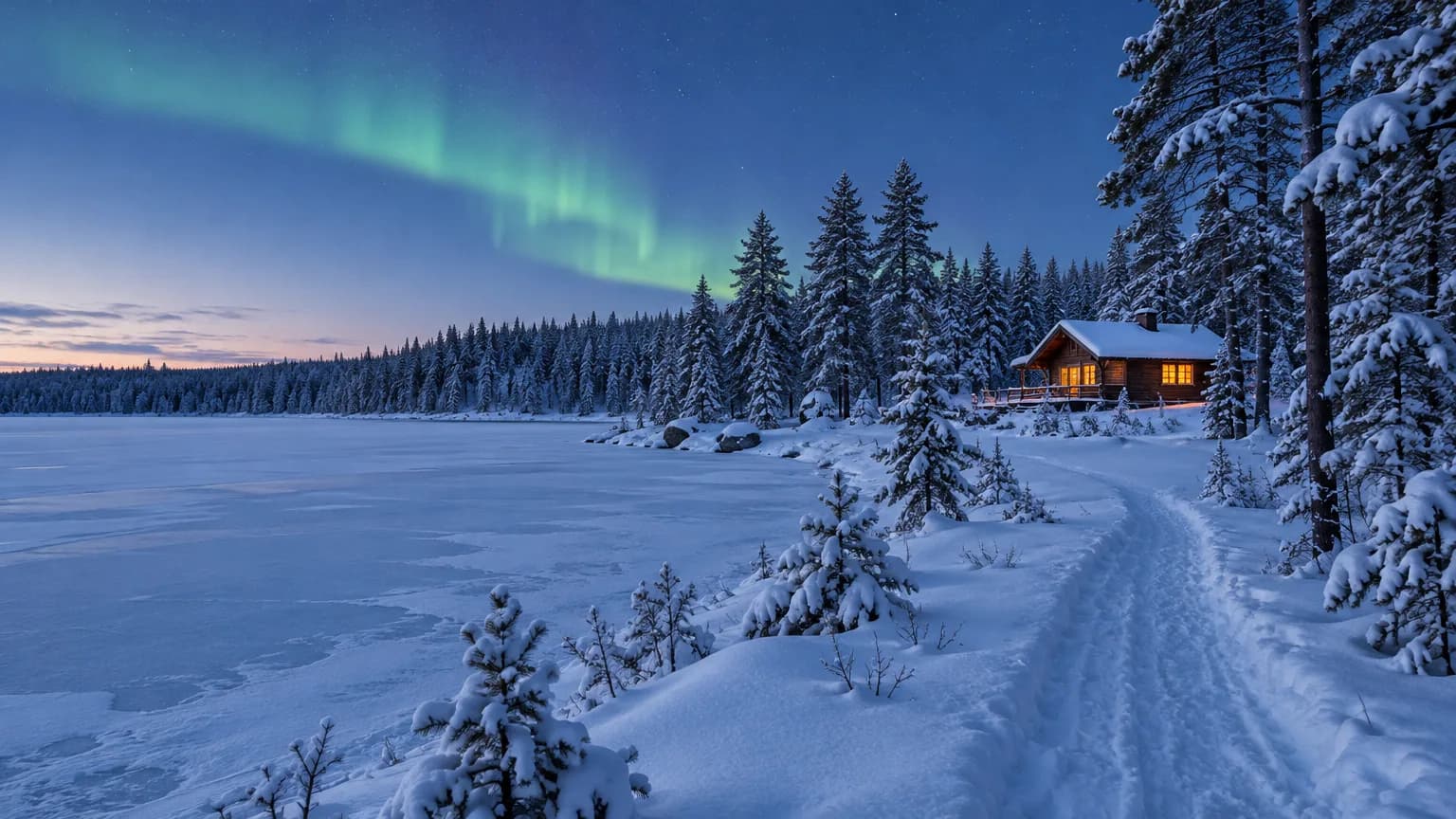
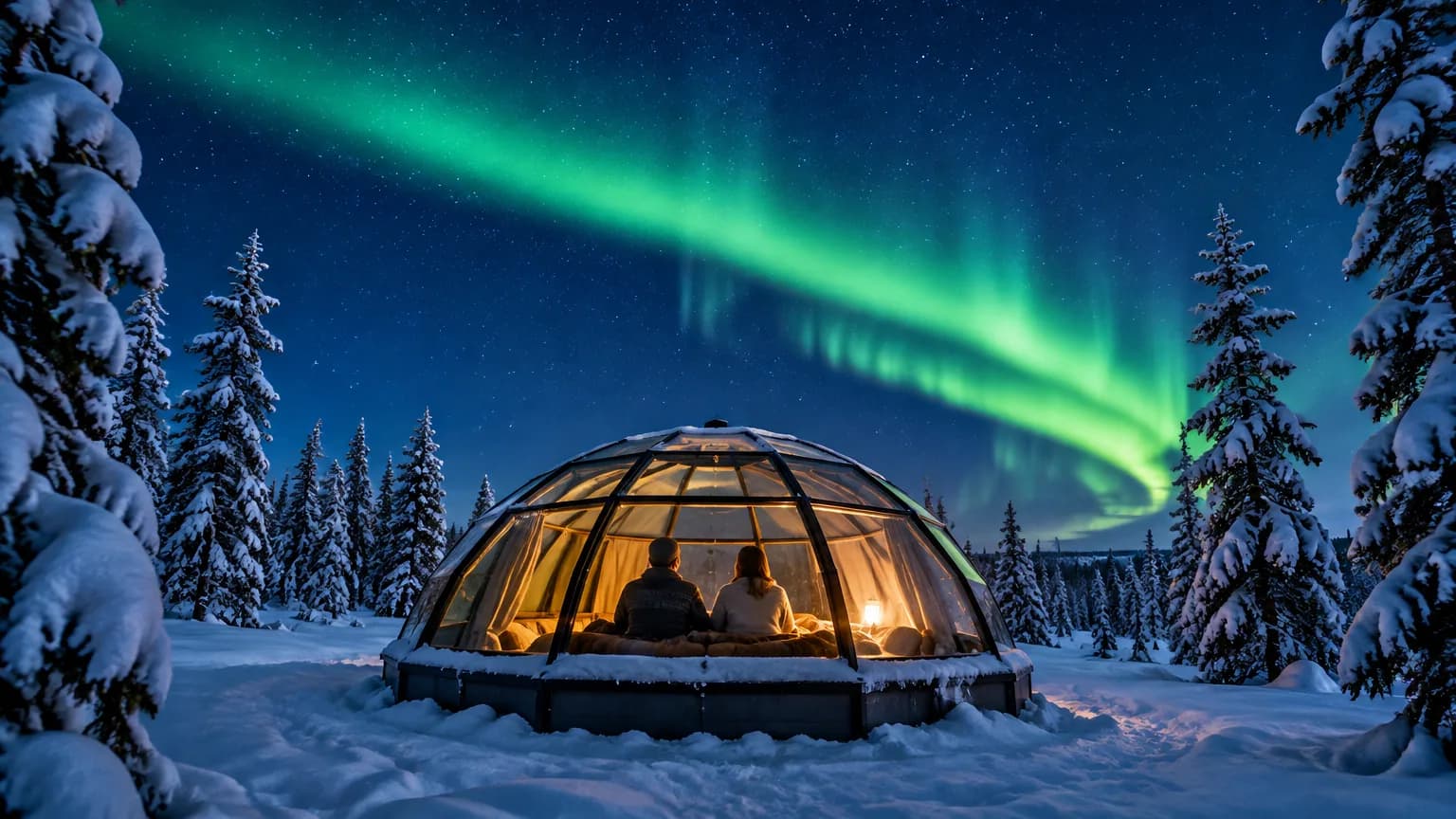
| Snow season | December to February, with Northern Lights travel in Lapland |
| Long-daylight season | June to August, with midnight sun, lake swimming and outdoor festivals |
| Shoulder seasons | March to May (snowmelt, then green landscapes) and September to November (autumn colour, more rain) |
| Ideal trip length | 5 days for Helsinki plus a short side trip; 7 to 10 days for Helsinki and Lapland; about 10 days with Lakeland added |
| Main gateway | Helsinki-Vantaa Airport (HEL), with Rovaniemi (RVN) for Lapland and Tampere-Pirkkala (TMP) as a regional option |
The first decision is snow or daylight. Winter trips centre on Lapland and need warm clothing and short outdoor days. Summer trips are easier on the body and open up the lakes, islands and national parks. Tripstor packages start from ₹88,000 per person, land only, twin sharing; confirm current pricing for your dates at booking.
Places worth the effort: parks, trails and Arctic bases
Finland has no passes or summits to chase, but its national parks, sea fortress and Lapland bases reward a planned route. The places below are grouped by area so you can match them to the stops you choose.
Helsinki and the south
- Suomenlinna: a sea fortress reached by ferry and covered by Helsinki's public-transport network. Worth it for the walk between old fortifications with sea on every side.
- Nuuksio National Park: marked trails and forest landscapes close to Helsinki. A good half-day hike without leaving the capital area.
- Sipoonkorpi National Park: accessible nature areas and hiking on the eastern edge of the Helsinki region. Suits families and seniors who want an easy walk.
The east and Kuusamo area
- Oulanka National Park: canyons, rapids, suspension bridges and old-growth pine forest across the Kuusamo and Salla areas. The standout walking area in this part of the country.
- Karhunkierros Bear's Trail: an 82-kilometre trail running through Oulanka. Most visitors walk a short section rather than the full route.
Lapland
- Rovaniemi: the base for the Arctic Circle, Santa Claus Village, museums and Northern Lights activities.
- Levi: reached from Rovaniemi and linked with Arctic landscapes and Northern Lights outings.
- Saariselkä: a northern Lapland base for Arctic scenery and aurora viewing, quieter than the larger resorts.
Finland has 41 national parks with marked trails and free access, so hiking is the cheapest way to see the landscape.
Snow, rain and clear-sky months in Finland
Finland has no monsoon. Winter means snow and cold, summer means warm days and very long light, and rain falls through the year, heavier in late summer and early autumn in Helsinki.
| Month | Helsinki and general temperature | Rain | Crowds | Prices |
|---|---|---|---|---|
| January | -15 to -5 C | Low | High | Peak |
| February | -6 to -2 C in Helsinki; colder in the north | Low | Medium | Peak |
| March | -4 to 1 C in Helsinki; colder in the north | Low | Low | Low |
| April | 1 to 6 C in Helsinki | Low | Low | Medium |
| May | 7 to 14 C in Helsinki | Moderate | Low | Medium |
| June | 11 to 17 C in Helsinki | Moderate | High | Peak |
| July | 14 to 21 C in Helsinki | Moderate | High | Peak |
| August | 15 to 21 C in Helsinki | Moderate | High | Peak |
| September | 11 to 15 C in Helsinki | Moderate | Medium | Medium |
| October | 5 to 9 C in Helsinki | Moderate | Low | Low |
| November | About 1 C in Helsinki | Heavy | Low | Low |
| December | About -3 C in Helsinki; about -10 C in Lapland | Heavy | High | Peak |
Finland has no mountain passes that close for the season, but winter snow and ice can slow road travel, particularly in Lapland. Spring snowmelt leaves slush on trails and paths. Summer heat waves occasionally reach about 25 to 28 C in Helsinki. Demand and prices rise in summer and during the December to January Lapland season.
Best window by type of traveller
- Snow and Northern Lights: December to March, with January and February the most reliable for Lapland.
- Hiking and long daylight: June to August, when midnight sun and lake activities are at their best.
- Autumn colour: September, before the rain and short days of October and November.
- Lower crowds and prices: March, October and November, with colder or wetter weather as the trade-off.
Getting to Finland: flights, last-mile transport and the buffer day
Indian travellers normally fly into Helsinki-Vantaa Airport and continue by train, bus or a short domestic flight. Sources list Bengaluru to Helsinki itineraries, but total duration and connection pattern vary, so confirm them at booking.
Regional airports connect with Helsinki Airport, including Joensuu, Jyväskylä, Kajaani, Kemi-Tornio, Kokkola-Pietarsaari and Pori. Rovaniemi Airport serves Lapland and has expanded its departures hall, with ground-traffic arrangements being implemented through 2025 and 2026. Tampere-Pirkkala Airport completed its renovation, and scheduled Helsinki flights were announced to resume daily from October 2026.
The last stretch on the ground
Most national parks can be reached by bus and train. Some coastal and archipelago areas need a boat or ferry, so plan that leg ahead. Turku is just over two hours from Helsinki by train, with frequent VR connections and daily buses.
Winter snow and ice can delay the final road stretch, so keep one buffer day before any fixed onward flight or Northern Lights booking. Acclimatisation here means adjusting to cold and dark, not altitude. Spend a night or two in Helsinki before flying north, and keep the first day in Lapland light.
Check current entry rules for Indian passport holders on the official Finnish government source before you book. Visa details are covered in a separate guide.