Quick answer: South Africa family tour packages typically run 10 to 14 days and combine safari drives in Kruger National Park with Cape Town's beaches, Table Mountain, and Garden Route stops. Visit between May and September for the best wildlife viewing. Expect widely variable costs depending on accommodation tier and activities included.
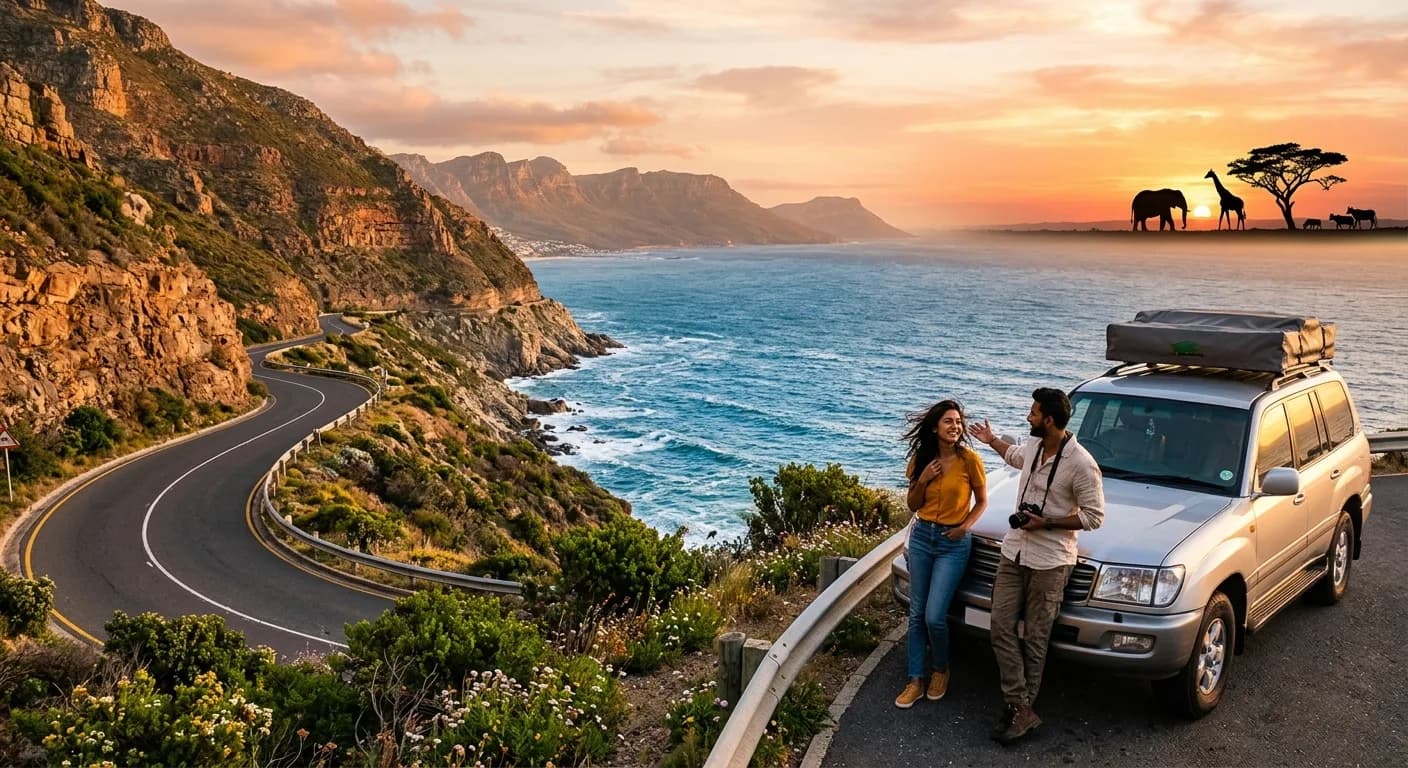
South Africa gives families something rare: genuine wildlife encounters, diverse coastlines, and layered cultural history within a single itinerary. You can watch elephants cross a dirt road at dawn and have your kids building sandcastles by afternoon. Few destinations make that combination work as reliably.
A well-structured South Africa family tour package typically includes accommodation, guided safari drives, airport transfers, and a selection of cultural and adventure activities. That bundled approach saves parents significant planning time and reduces the risk of logistical gaps during the trip itself.
At a Glance: Key Planning Factors
Factor | Recommendation |
|---|---|
Best season for wildlife | May – September (dry winter) |
Best season for beaches | December – February (summer) |
Best value season | April and October (shoulder) |
Recommended trip length | 10 – 14 days |
Minimum viable trip | 7 – 8 days (safari or coast, not both) |
Advance booking window | 6 – 9 months for peak dates |
Key documentation for children | Unabridged birth certificate (verify requirements before booking) |
Planning Your South African Family Adventure
When Is the Best Time to Visit South Africa With Children?
The dry season (May to September) is the best time for game viewing. Vegetation thins, animals cluster near water, and sightings are easier to spot — which keeps younger children engaged rather than restless. Mornings can be cold on early drives, so pack layers regardless of the season.
December through February suits families prioritizing beach time in Cape Town or along the Garden Route. This period overlaps with Northern Hemisphere school holidays, so expect higher prices and busier attractions.
April and October offer a practical middle ground: fewer crowds, reasonable weather, and solid wildlife activity.
Season | Months | Best For | Watch Out For |
|---|---|---|---|
Dry winter | May – Sept | Safari, game viewing | Cold mornings; book early |
Summer | Dec – Feb | Beaches, Cape Town | Peak prices, school crowds |
Shoulder | Apr, Oct | Value travel, mixed itineraries | Variable conditions |
How Long Should a Family Tour of South Africa Last?
Most families need 10 to 14 days to cover at least two major regions properly. A 7- to 8-day trip is feasible, but it usually means choosing between a safari-focused itinerary or a coastal one — not both.
Families traveling with young children or those crossing multiple time zones should build in one recovery day before activities begin. South Africa's long-haul flights from North America and Europe can leave kids needing a day to adjust.
What Should Families Budget?
Costs vary widely. All-inclusive private safari lodges cost significantly more than self-catering lodges with shared game drives. The table below outlines the main cost tiers.
Accommodation Tier | Typical Style | Key Budget Note |
|---|---|---|
Budget / Self-catering | Garden Route cottages, rest camps | Flexible meals; lower overall cost |
Mid-range | Guesthouses, shared safari vehicles | Good balance for most families |
Premium / All-inclusive | Private lodges near Kruger | Meals, drives, and activities bundled |
Also factor in domestic flights. South Africa is a large country — overland travel between Cape Town and Kruger takes roughly two full driving days. Many families fly between major hubs and reserve road travel for the Garden Route stretch.
What Visa and Documentation Requirements Apply?
Requirements depend on nationality. South African immigration has specific rules for children traveling internationally, including unabridged birth certificates in some cases — particularly when a child travels with one parent or with grandparents rather than both.
Confirm current requirements directly with South African consular services or your tour operator at least two months before departure. Documentation issues at the border are among the most common causes of travel disruption for families.
Top Destinations for Families
Quick Destination Comparison
Destination | Highlights | Best For |
|---|---|---|
Cape Town | Table Mountain, Boulders Beach penguins, V&A Waterfront | All ages; city-based families |
Kruger National Park | Big Five, junior ranger programs, self-drive option | Safari-focused families |
Garden Route | Forests, coastal towns, adventure activities | Active families; older children |
Johannesburg | Apartheid Museum, Cradle of Humankind (UNESCO) | Teens; history-focused families |
Cape Town
Cape Town works well for families with a wide age range. The Table Mountain cable car gives everyone sweeping views without requiring a strenuous hike. Boulders Beach offers calmer swimming and a resident colony of African penguins — typically a highlight for younger children. The V&A Waterfront adds an aquarium, a Ferris wheel, and casual dining options suited to both adventurous and picky eaters.
Kruger National Park
Kruger is one of Africa's largest game reserves, and it has the infrastructure to match. Many private lodges bordering the park run family-specific game drives with shorter durations and junior ranger programs that keep children engaged between sightings. Kruger's paved internal roads also make self-drive safaris a realistic, lower-cost option for families who want more flexibility.
Garden Route
The Garden Route runs along South Africa's southern coast and suits families looking to combine gentle hikes through indigenous forest with small coastal towns and beach stops. Treat it as a multi-day scenic drive rather than a standalone destination — it works best as part of a longer itinerary.
Johannesburg
Johannesburg is typically an arrival or departure point, but it offers more than a layover stop. The Apartheid Museum and Constitution Hill give older children and teenagers meaningful historical context. The Cradle of Humankind, a UNESCO World Heritage Site just outside the city, introduces younger kids to human origins through interactive exhibits and guided cave tours.
Wildlife and Safari Experiences
What Types of Safaris Work Best for Young Children?
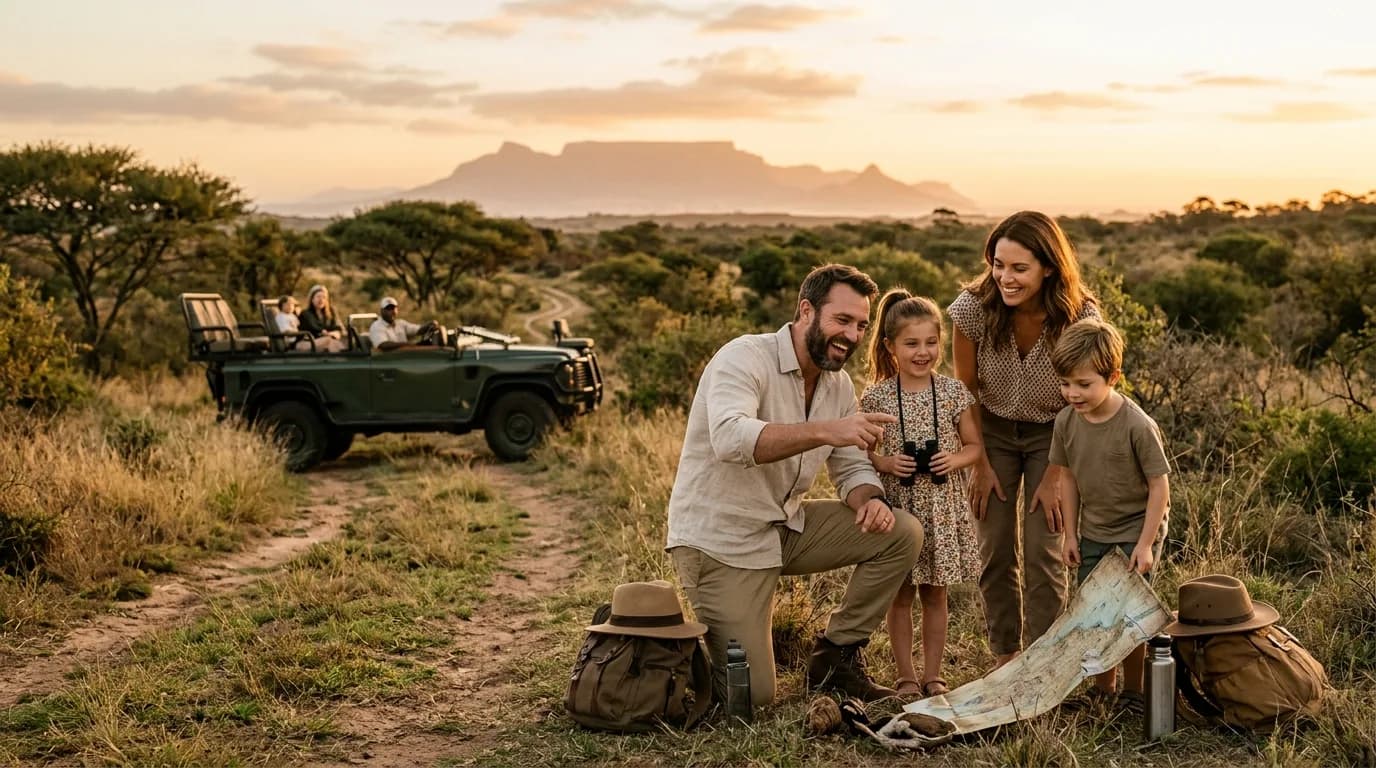
Shorter morning or sunset drives work better than full-day outings for families with young children. Many lodges near Kruger offer family-specific vehicles and flexible schedules that allow for snack and bathroom breaks — something not possible on a standard shared safari vehicle.
Private reserves in the Greater Kruger area typically offer more scheduling flexibility than the national park itself, making them worth considering for families traveling with children under seven.
Safari Safety
Reputable operators follow strict protocols: trained rangers, secure seating, and clear rules about staying inside the vehicle near wildlife. Brief children beforehand on staying quiet and still during sightings. Sudden movements and noise reduce viewing opportunities and can stress animals.
Educational Value
Safari experiences give children hands-on exposure to ecosystems, animal behavior, and conservation challenges. Many lodges include ranger-led talks about anti-poaching efforts. This tends to resonate with kids more than classroom instruction on the same topics.
Adventure Activities by Age Group
Activity | Suitable Ages | Location |
|---|---|---|
Cable car (Table Mountain) | All ages | Cape Town |
Boulders Beach penguin visit | All ages | Cape Town |
Junior ranger programs | 6 – 12 | Kruger-area lodges |
Forest canopy walks | 5+ | Tsitsikamma, Garden Route |
Zip-lining / treetop courses | 8+ | Garden Route |
Bodyboarding / snorkeling | 10+ (confident swimmers) | Garden Route coastline |
Cultural village visits | All ages | Winelands, Kruger region |
Apartheid Museum | 12+ | Johannesburg |
Cradle of Humankind | 7+ | Near Johannesburg |
Always check local safety flags and lifeguard presence before water activities. South Africa's Atlantic and Indian Ocean coastlines differ significantly in water temperature and current strength.
Accommodation Options
Family-friendly lodges and hotels across South Africa increasingly offer interconnecting rooms, family suites, and kids' clubs. The right choice depends on your family's priorities.
Option | Best For | Key Consideration |
|---|---|---|
All-inclusive lodge (near Kruger) | Families wanting predictable costs | Higher upfront cost; activities bundled |
Self-catering (Garden Route, Cape Town) | Families with dietary needs or flexible schedules | Requires meal planning |
Guesthouses / boutique hotels | Shorter city stays | Varies widely; check family-specific amenities |
Regardless of accommodation type, confirm safety features — pool fencing, secure balconies, and secure entry — directly with the property before booking.
Food and Dining
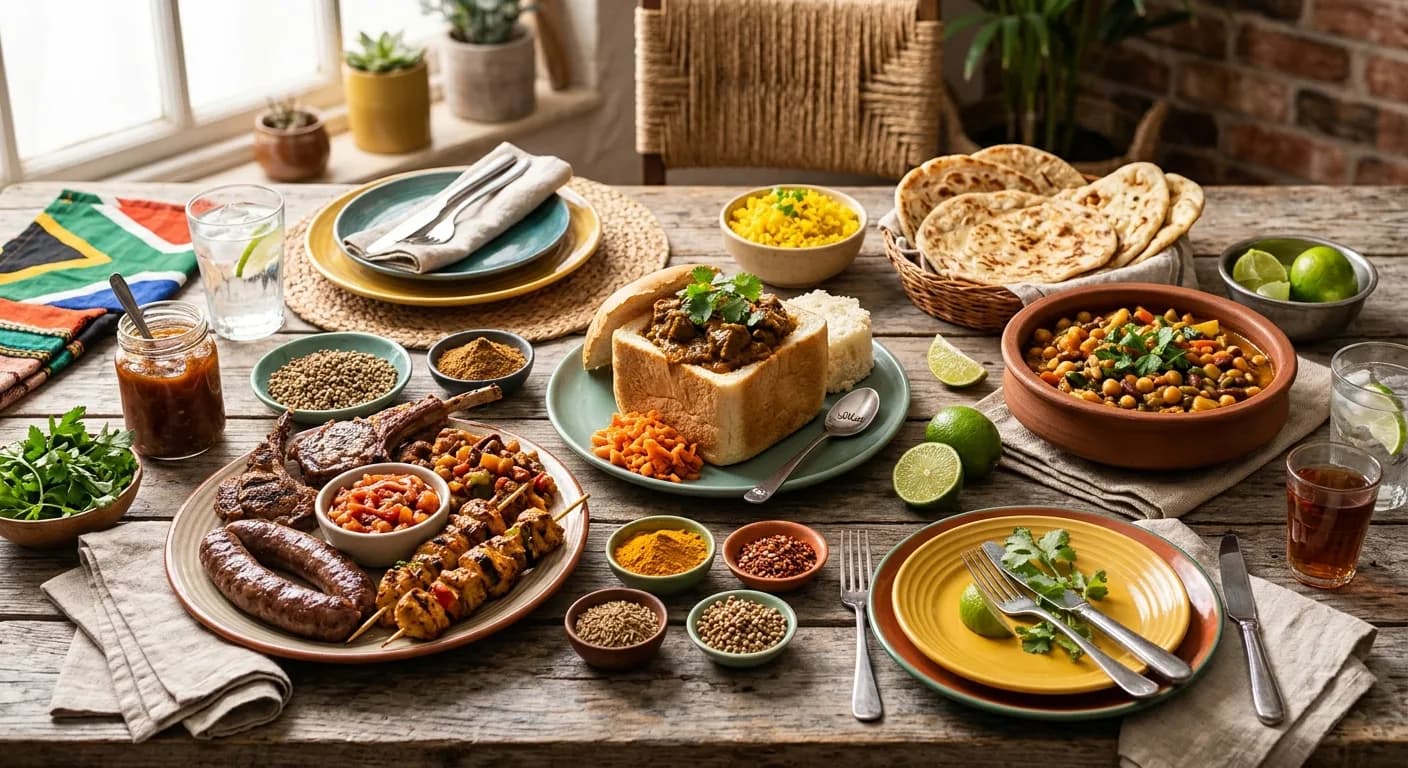
South African cuisine blends indigenous, Dutch, Malay, and Indian influences. Dishes like bobotie (spiced baked mince) and boerewors (traditional sausage) introduce children to local flavors in approachable forms. Most tourist-facing restaurants in Cape Town, along the Garden Route, and near Kruger lodges offer familiar fallbacks — pasta, grilled chicken — alongside local options.
Cape Town's Oranjezicht City Farm Market gives families a low-pressure way to sample South African food without committing to a full restaurant meal. Most establishments catering to international visitors can accommodate common dietary restrictions, but confirm in advance at smaller or more remote lodges.
Practical Tips
What to Pack
Item | Why It Matters |
|---|---|
Layered clothing | Morning safari drives are cold even in warmer months |
High-SPF sunscreen | UV exposure is intense, especially at altitude |
Wide-brim hats | Essential year-round |
Basic first-aid kit | Carry in hand luggage, not checked bags |
Offline maps / downloaded entertainment | Coverage is spottier in remote safari areas |
Health Precautions
Consult a travel health professional several weeks before departure. Recommendations vary by itinerary — malaria precautions, for example, apply to areas near Kruger but not to Cape Town or the Garden Route. Carry all regular medications in carry-on luggage.
Getting Around
Route | Recommended Transport | Notes |
|---|---|---|
Cape Town to Kruger | Domestic flight | Overland takes roughly 2 full days |
Garden Route | Rental car | The drive itself is part of the experience |
City transfers | Reputable shuttle or tour operator | Uber is available in major cities |
Within Kruger | Self-drive or lodge vehicle | Paved roads make self-drive viable |
Staying Connected
Local SIM cards are available at major airports and offer reliable data coverage in cities and most lodge areas. Download offline maps and entertainment before heading into more remote safari regions.
Sample Itineraries
How to Choose the Right Trip Length
Trip Length | Coverage | Best For |
|---|---|---|
7 – 8 days | Safari or coast (not both) | Families with limited leave |
10 days | Cape Town + Kruger; short Garden Route | Most families |
14 days | Cape Town + Garden Route + Kruger + Johannesburg | Families wanting a full circuit |
14-Day Itinerary Outline
Days 1 – 3: Cape Town — Table Mountain, Boulders Beach, V&A Waterfront
Days 4 – 7: Garden Route — forest hikes, coastal towns, adventure activities
Days 8 – 12: Kruger National Park — safari drives, junior ranger programs
Days 13 – 14: Johannesburg — Apartheid Museum, Cradle of Humankind; departure
10-Day Condensed Itinerary Outline
Days 1 – 3: Cape Town
Days 4 – 6: Garden Route (abbreviated)
Days 7 – 10: Kruger National Park
Johannesburg as a brief flight-connection stop
Customizing Your Itinerary
Wildlife-focused families: Extend Kruger to 6 – 7 days; trim Cape Town to 2 days
Families with toddlers: Fewer destination changes; settle into 2 base locations rather than moving every 2 days
History-focused families with teens: Add a full day in Johannesburg beyond the standard layover
Why South Africa Is Worth the Journey
South Africa offers families experiences that are genuinely difficult to replicate: watching elephants cross a road at dusk, hiking through ancient forests, and sharing meals shaped by centuries of cultural exchange. These moments tend to stay with children far longer than passive entertainment, because they involve real discovery.
Start by deciding which combination of regions fits your family's interests and travel style. Then work backward from timing and budget. Whether you book through a specialized tour operator or build the itinerary yourselves, giving enough time to each destination will define the quality of the trip.